Mastering the Art of Brazilian Barbecue: Inside Curitiba’s Four-Decade Tradition at Costelão Do Gaúcho

The global reputation of Brazilian cuisine rests largely on its vibrant churrasco traditions, a culinary heritage deeply embedded in the nation’s cultural identity and tourism promotion. Among the myriad establishments dedicated to this craft, Costelão Do Gaúcho, located near downtown Curitiba in southern Brazil, stands out as a historic landmark for traditional beef preparation. Operating for over forty years, the restaurant has earned a distinguished reputation among local and international culinary enthusiasts for specializing in massive, slow-roasted sides of beef ribs. This enduring institution offers a comprehensive window into the meticulous techniques, cultural significance, and operational standards that define high-volume South Brazilian steakhouses.
Historical Context and Evolution of Churrasco in Southern Brazil
The roots of churrasco trace back to the pampas of southern Brazil, specifically the Rio Grande do Sul region, where gauchos—local herdsmen—developed minimalist yet effective methods for roasting meat over open charcoal fires. Over generations, these techniques evolved from pastoral necessity into a sophisticated culinary art form celebrated worldwide.
Curitiba, situated on a high plateau in the state of Paraná, experiences moderate weather that historically favored outdoor gatherings and hearty, warming meals. It was within this geographic and cultural crossroads that Costelão Do Gaúcho established its operations more than forty years ago. Over decades of continuous service, the restaurant has maintained a steadfast commitment to traditional preparation methods, resisting modern industrial shortcuts in favor of time-tested craftsmanship. This dedication has allowed the establishment to build enduring trust among local barbecue connoisseurs, positioning it as a vital custodian of southern Brazilian culinary heritage.
Anatomy of the Craft: Preparation, Smoking, and Technique
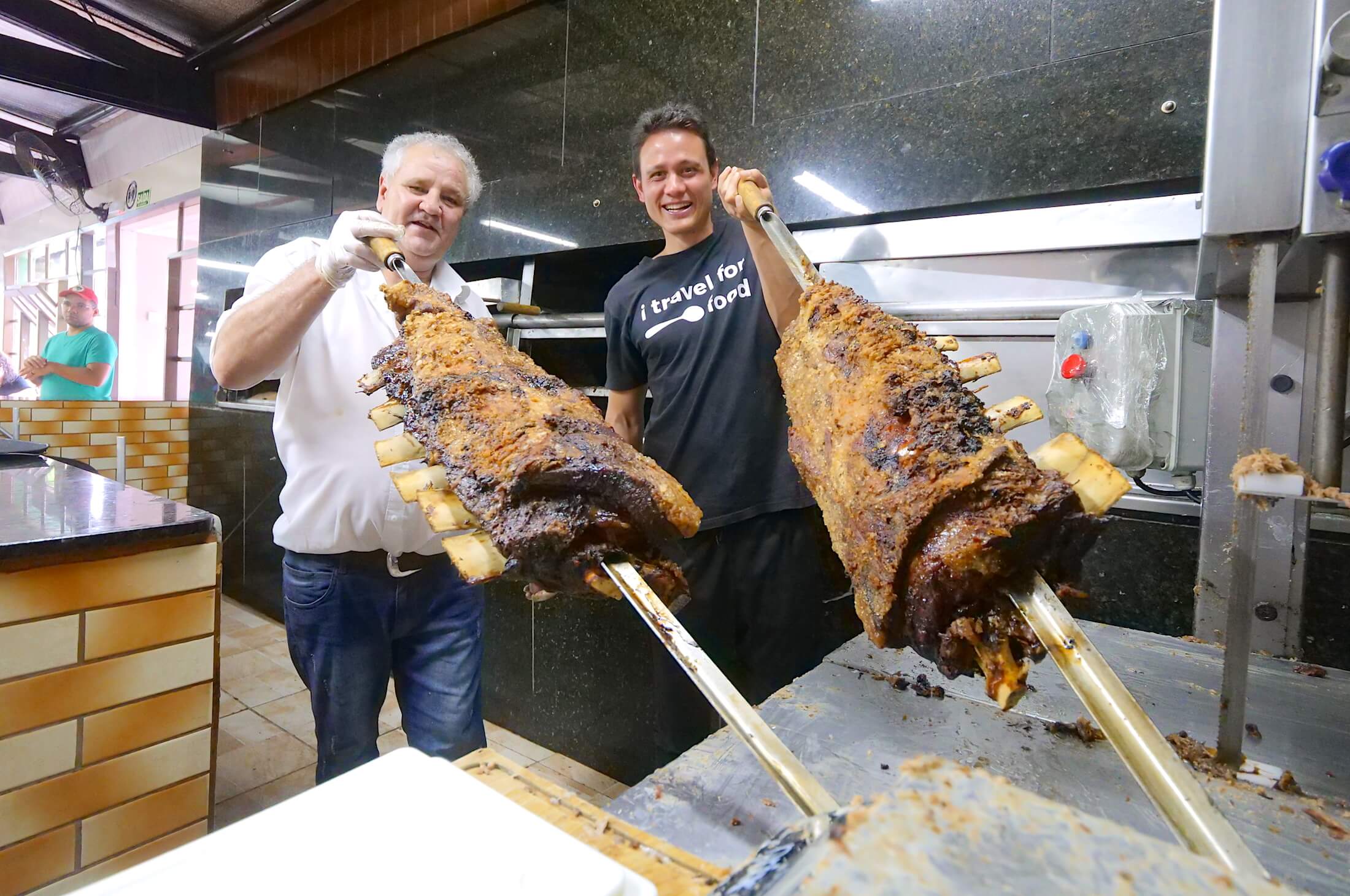
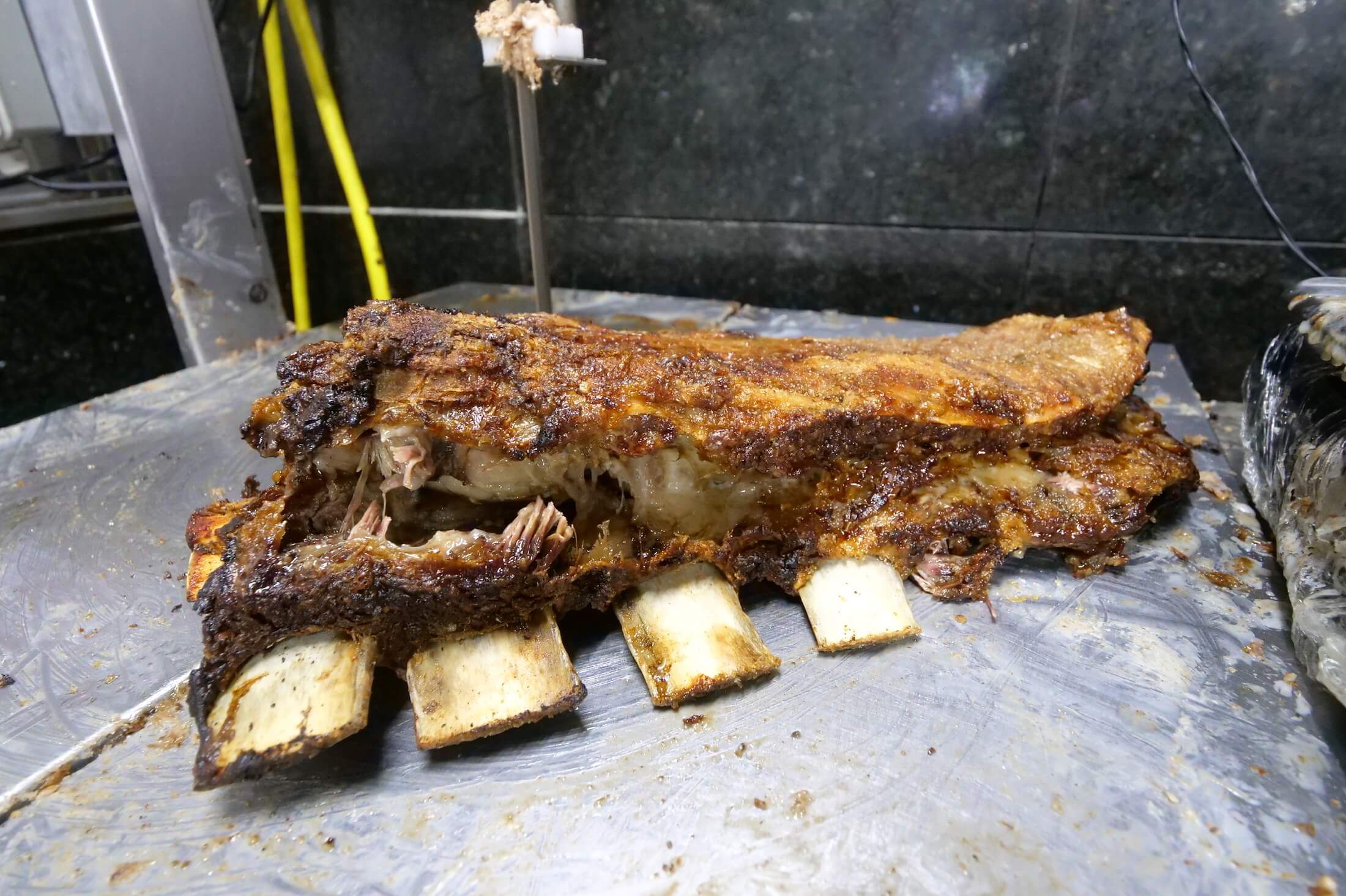
The operational mechanics of Costelão Do Gaúcho begin long before the first customer arrives. The preparation process starts in specialized back-room chambers where massive sides of beef ribs—often weighing between 15 and 20 kilograms—are subjected to hours of slow-roasting over charcoal. This prolonged cooking process generates the distinct, rich aroma of wood smoke and caramelized fat that pervades the surrounding neighborhood, serving as an olfactory landmark for approaching patrons.
Unlike typical commercial kitchens, the final stages of meat preparation at Costelão Do Gaúcho incorporate heavy-duty industrial tools to handle the sheer scale of the ingredients. The restaurant’s veteran owner and head chef employs a modified carpenter’s jigsaw—locally termed the "rib-saw"—to cleanly slice through outer layers of fat, connective tissue, and dense, two-to-three-inch-thick rib bones.
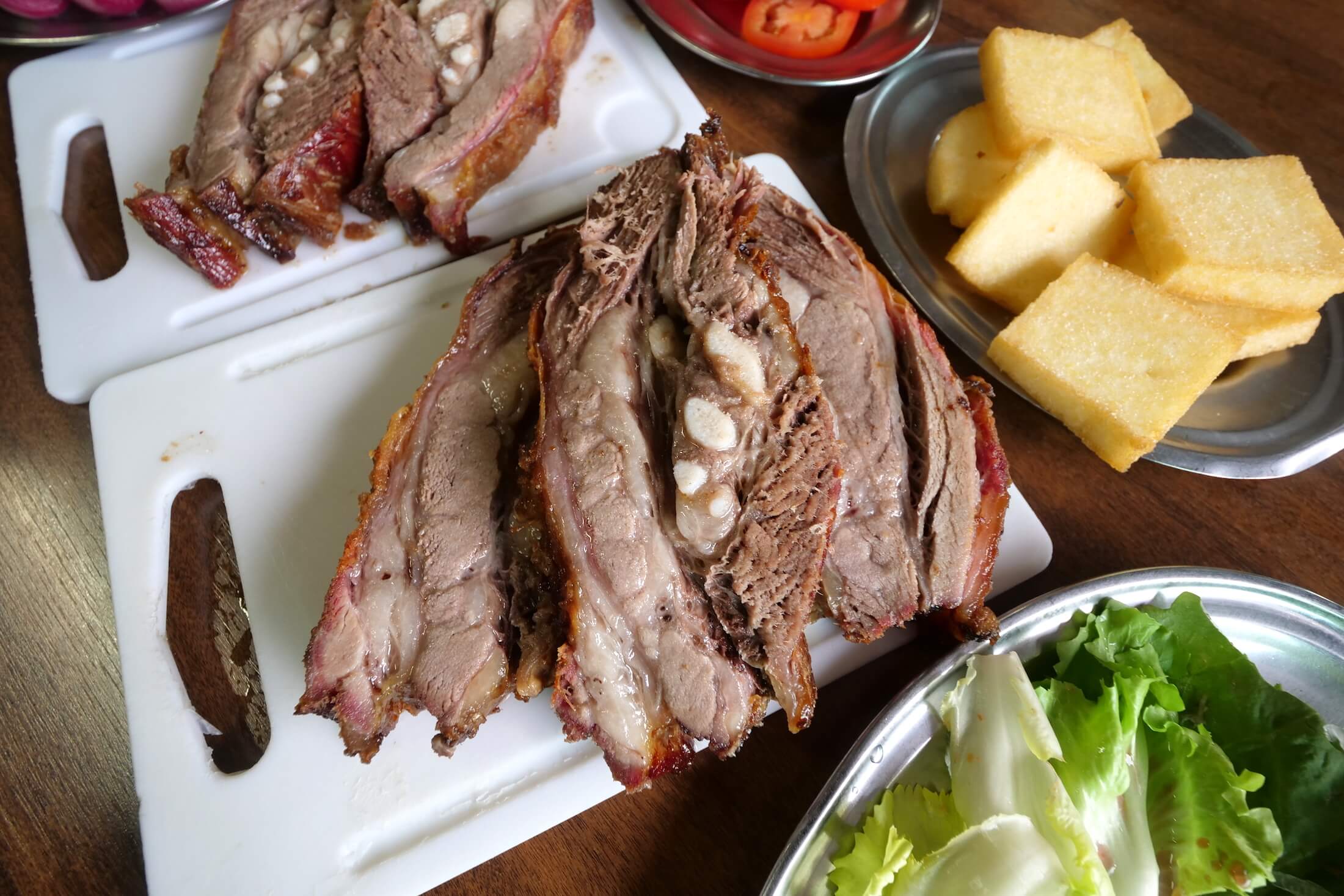
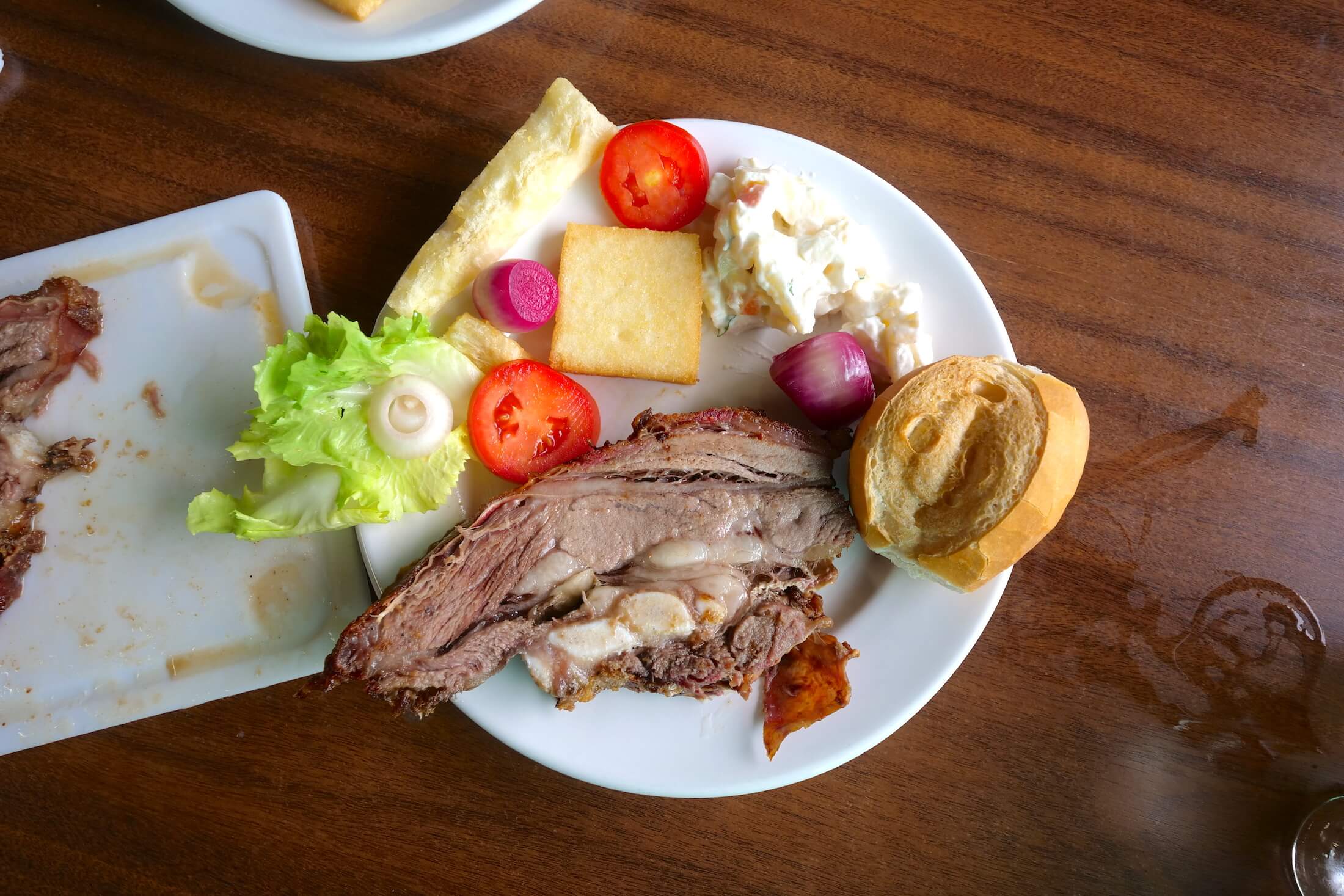
Despite the mechanical nature of the saw, the process requires immense precision and tactile feedback. The chef frequently relies on manual checks, using his fingers to assess the tenderness of individual ribs to ensure optimal texture. Once the meat achieves a fall-apart consistency where sliding it off the bone requires minimal effort, it is moved to a scale. Portions are typically standardized to approximately one kilogram per serving plate, though custom cuts are accommodated upon request. Pricing for the beef is calculated strictly by weight, ensuring transparency for consumers.
Service Model and Accompaniments
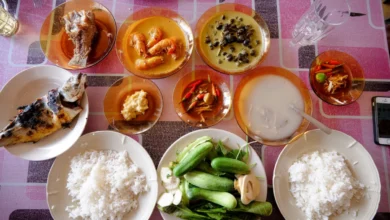
Costelão Do Gaúcho operates on a hybrid service model that combines a la carte protein selection with a fixed-rate, bottomless accompaniment structure. While the primary cuts of beef are priced individually by weight, patrons pay a flat per-person fee—historically established around R$9—to access an unlimited array of traditional side dishes and appetizers.
The dining experience encourages a leisurely pace, reflecting regional social norms surrounding weekend feasts. Waitstaff continuously circulate the dining room, delivering fresh batches of side dishes directly to the table in a continuous service loop that mirrors the efficiency of high-end rodízios without sacrificing the comfort of seated dining.
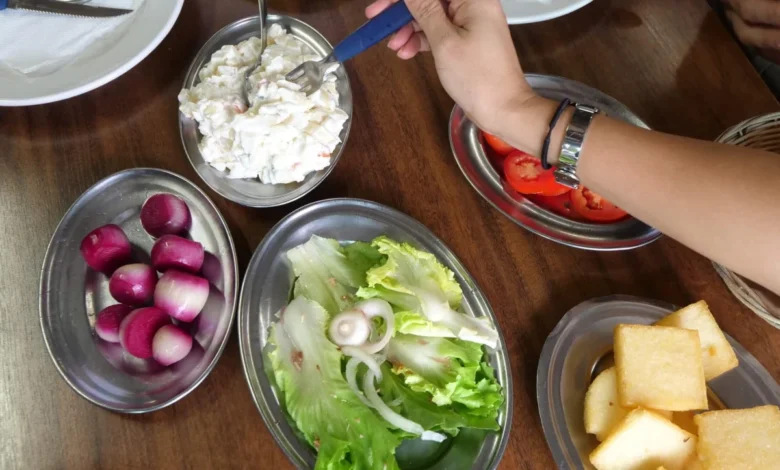
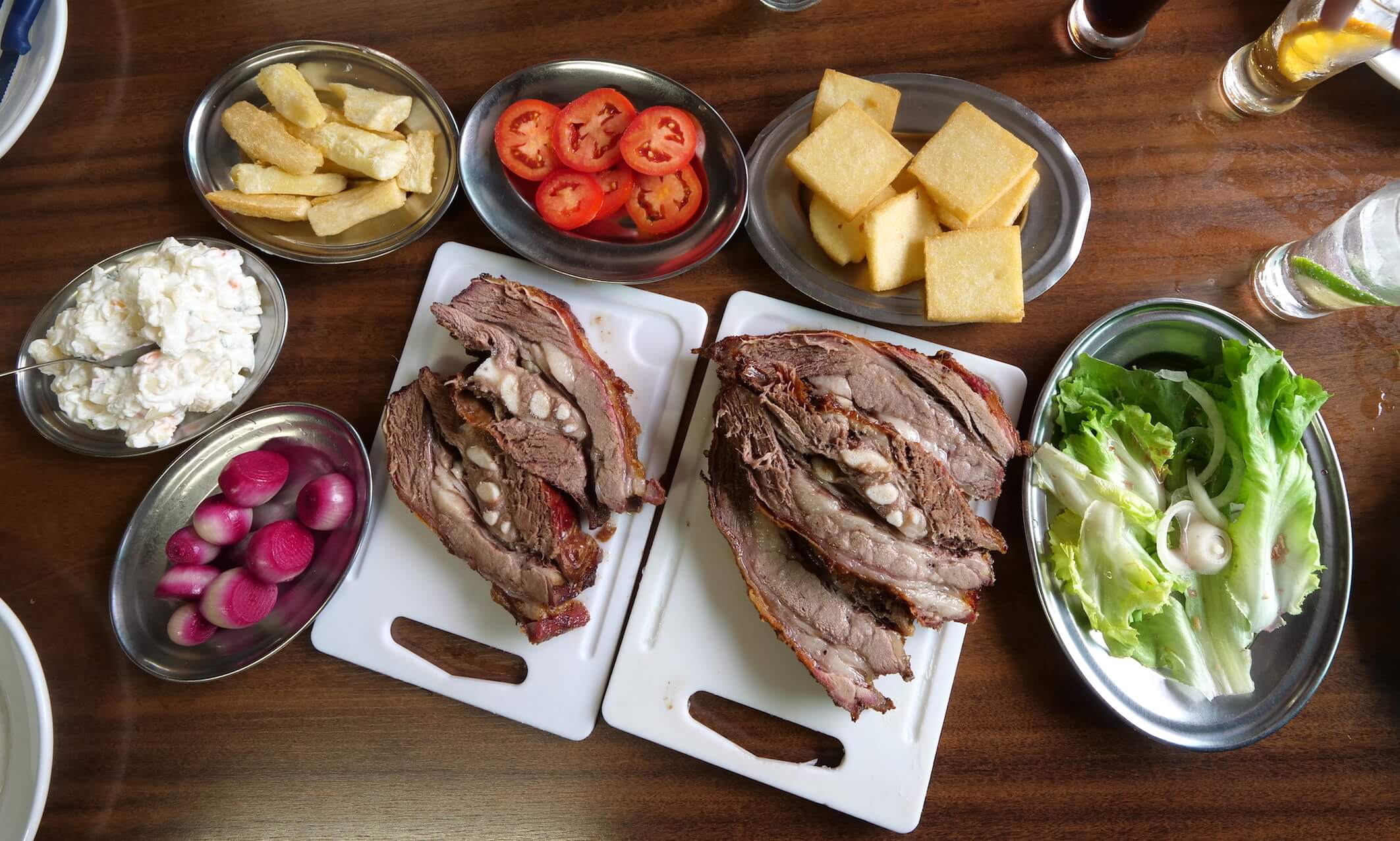
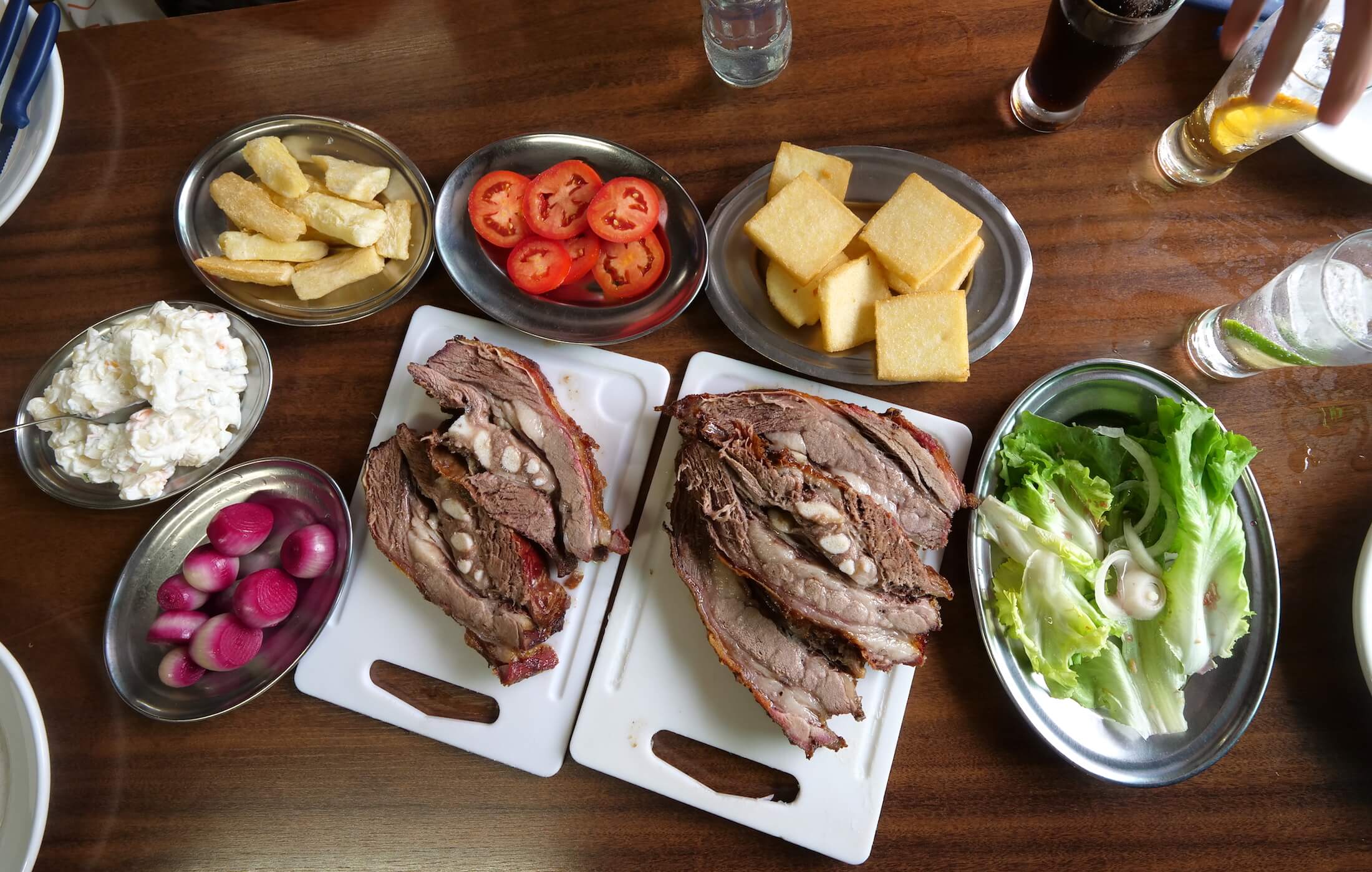
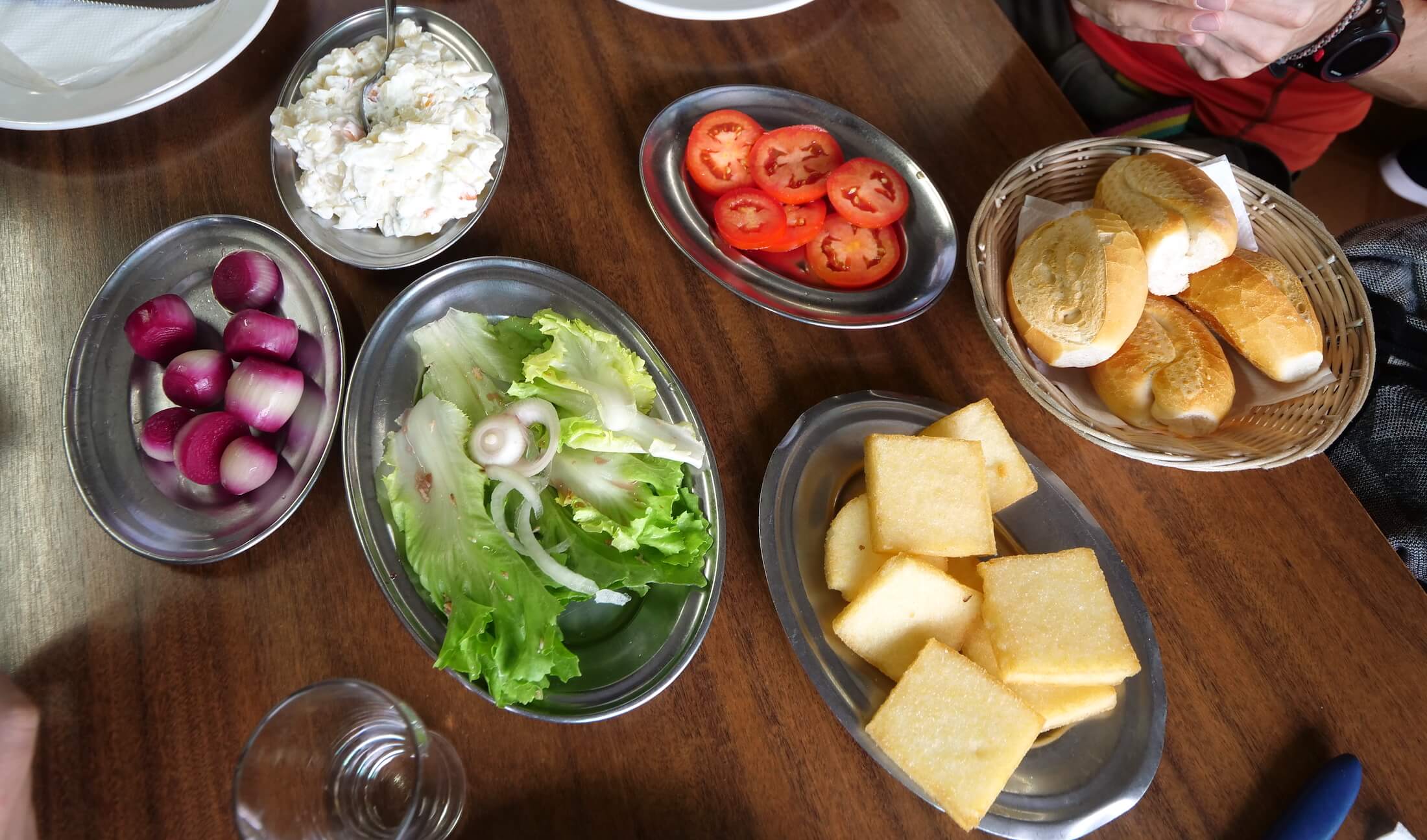
The accompanying menu reflects the broader agricultural staples of the Americas, featuring a balanced mix of starches, vegetables, and pickled items. Key offerings include:
- Polenta: Thick, deep-fried sticks made from a local corn flour mix, providing a crispy exterior suited for dipping.
- Manioc (Cassava): A golden, slightly translucent root vegetable characterized by a fibrous interior and a distinctively rich, savory flavor profile.
- Produce: Freshly baked crusty bread, thinly sliced beets, romaine lettuce, and marinated purple onions treated with a light vinegar dressing and quick-sear technique to soften their interior while retaining crispness.
- Beverages: Traditional local soft drinks, notably Guaraná Antarctica, complement the high-sodium, protein-dense profile of the meal.
Operational Challenges and Labor Realities
Operating a high-volume establishment specializing in massive cuts of beef presents significant labor and logistical challenges. The head chef at Costelão Do Gaúcho exemplifies a lifelong commitment to the trade, having spent four decades perfecting the intricate balance of salt application, fat trimming, and thermal management required for massive beef ribs.
Despite growing international attention from food journalists, travel vloggers, and culinary tourists, the management maintains a cautious approach to media exposure. During recent documentation efforts, the head chef expressed a preference for operational privacy, noting that the restaurant’s existing local clientele and steady stream of dedicated patrons already generate sufficient demand to keep the kitchen operating at full capacity. This perspective underscores a broader ethos common among legacy family-run institutions in Brazil: prioritizing product consistency and local community service over viral marketing or rapid expansion.
Economic and Cultural Implications
The enduring success of establishments like Costelão Do Gaúcho highlights the economic resilience of traditional dining models within Brazil’s broader tourism and hospitality sector. Food tourism has increasingly become a primary driver of domestic and international travel, with regional specialties frequently featured in national tourism boards’ strategic priorities.
From an economic perspective, the restaurant’s pricing structure—separating the high-cost protein component from mass-produced agrarian side dishes—provides a sustainable business model capable of weathering economic fluctuations. By anchoring its menu to foundational agricultural staples such as beef, corn, and manioc, the restaurant maintains deep supply chain resilience rooted in domestic Brazilian agriculture.
Furthermore, the restaurant serves a sociological function as a communal gathering space. By accommodating large family groups and multi-generational parties, Costelão Do Gaúcho preserves the social rituals associated with Sunday dinners and weekend celebrations in southern Brazil.
Restaurant Information and Practical Details
For travelers and researchers planning to visit Costelão Do Gaúcho, the establishment maintains structured operating hours designed to accommodate both midday lunch crowds and evening diners:
- Name: Costelão Do Gaúcho
- Location: Near downtown Curitiba, Paraná, Brazil (accessible via major local transit routes and mapping services).
- Hours of Operation: Monday through Saturday, 11:00 AM to 11:00 PM; Sunday, 11:00 AM to 4:00 PM.
- Pricing Structure: Meat is priced by weight per individual cut, while side dishes operate on a fixed-rate, unlimited refill basis per person, averaging approximately R$30 total per diner depending on meat selection.
As Brazil continues to promote its diverse regional gastronomies to the global stage, legacy institutions such as Costelão Do Gaúcho remain foundational to understanding the authentic techniques and cultural dedication underpinning South American barbecue culture.