Conquering Wat Phu Tok: Thailand’s Architectural Wonder on the Edge of a Cliff

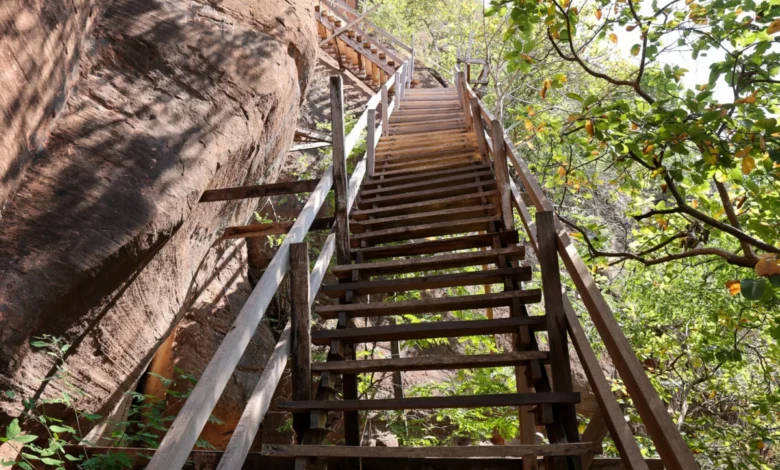
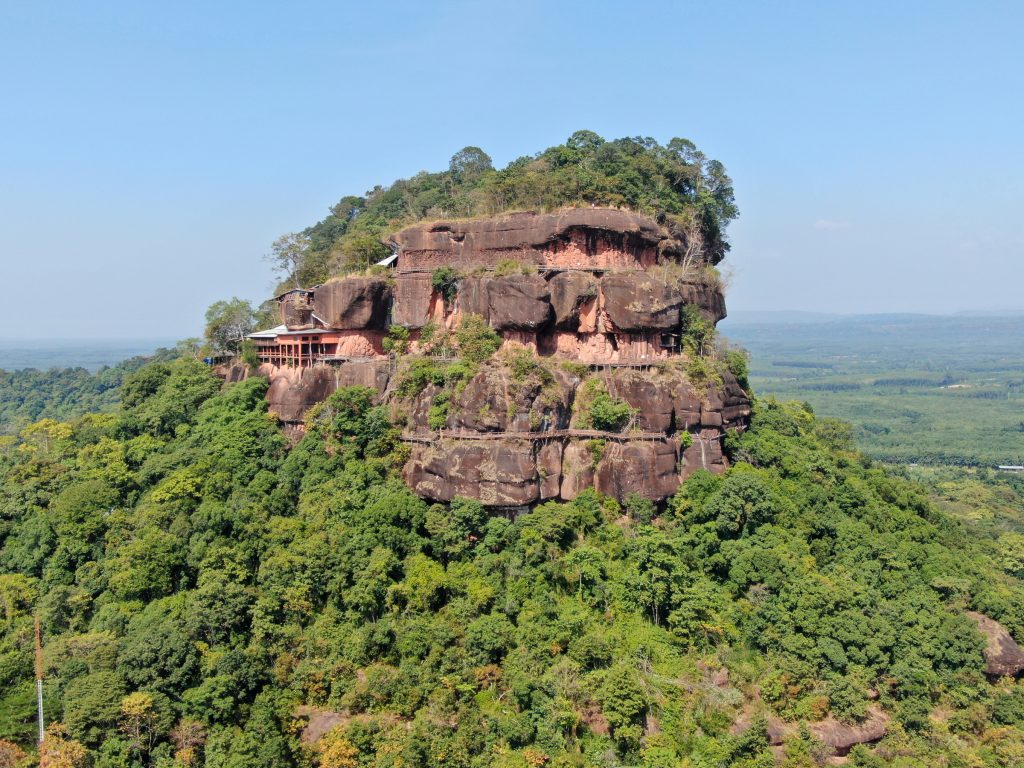
Rising sharply from the flat agricultural plains of northeastern Thailand’s Bueng Kan province, Wat Jetiyakhiri—universally known as Wat Phu Tok—stands as one of the most remarkable architectural and spiritual achievements in Southeast Asia. Locally referred to as the "lonely mountain," this solitary sandstone monolith reaches an elevation of 359 meters and offers visitors a blend of intense physical challenge, profound Buddhist symbolism, and sweeping panoramic views of the Mekong River basin.
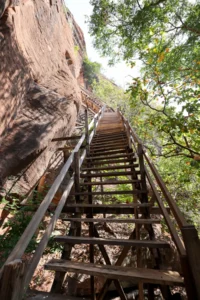
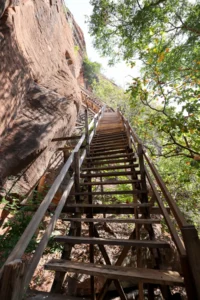
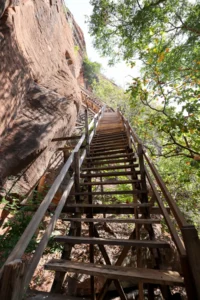
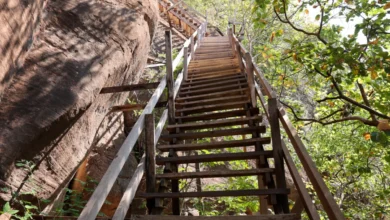
For travelers and pilgrims willing to venture far off the beaten path into the remote Isan region, the temple delivers an unforgettable experience centered around a labyrinthine network of hand-built wooden stairs, scaffolding, and cliff-hanging walkways.
Main Facts and Geographic Overview

Located approximately 30 minutes by road from Bueng Kan city, the temple grounds occupy an isolated geological formation that immediately draws comparisons to iconic world heritage sites such as Sigiriya in Sri Lanka. The defining feature of Wat Phu Tok is its vertical ascent, which is facilitated entirely by a series of wooden structures anchored directly into the sheer rock face.
The site is meticulously organized into seven distinct levels. This architectural layout is not merely functional; it is a physical manifestation of the seven stages of enlightenment in Buddhist philosophy. Navigating the mountain requires transitioning from ground-level forest paths to increasingly steep wooden ladders and cantilevered walkways that hug the perimeter of the cliff. While the pathways evoke a sense of vertigo and inherent danger, local maintenance teams ensure that the structural framework remains remarkably stable, allowing hundreds of visitors and devoted practitioners to make the ascent safely each year.

Chronology and Historical Origins
The history of Wat Phu Tok is deeply intertwined with the life and vision of its founder, the revered forest monk Luang Pu Juan. Decades ago, the rugged terrain, dense vegetation, and isolation of the red rock mountain made it a virtually uninhabited sanctuary dominated by wildlife, specifically populations of venomous snakes. Recognizing the profound quietude and the symbolic value of overcoming natural perils, Luang Pu Juan chose the lonely mountain as an ideal site for meditation and spiritual retreat.

Construction of the monumental wooden staircases and walkways began under his guidance, designed to connect various meditation caves, shrines, and gathering places across the upper ledges of the mountain. The realization of the seven-level system required immense physical labor, relying on traditional construction techniques and local materials to carve a path through the vertical wilderness.
Tragically, the visionary monk’s life was cut short when he perished in a commercial airplane accident along with several other prominent monks. Despite this profound loss, the monastic community and local authorities have continued to preserve and maintain Luang Pu Juan’s intricate creation, ensuring that Wat Phu Tok remains both an active place of worship and a structural marvel.

Architectural Breakdown of the Seven Levels
Visitors ascending Wat Phu Tok experience a gradual transformation in landscape, atmosphere, and architectural complexity as they move through the mountain’s structural tiers.

The lower levels (Levels 1 through 4) serve primarily as an introductory transition. The trails begin as manageable ground paths before transitioning into increasingly vertical wooden staircases. While these tiers feature minor shrines and resting points, they function mainly as a physical and mental preamble for what lies ahead.
The fifth level marks a significant shift in the geography of the site. Here, the narrow cliff paths open up into wider ground-level areas that house the primary ordination hall and a concentration of monastic buildings and meditation quarters. This level serves as the central administrative and communal hub for the resident monks. Off the main trail, visitors frequently encounter hidden alcoves and small rock temples perched precariously on the periphery of the mountain, rewarding those who venture off the beaten path with isolated sanctuaries of quiet reflection.

The sixth level is widely regarded as the structural and experiential highlight of Wat Phu Tok. Approximately half of this level’s circumference consists of wooden plank walkways anchored horizontally into the vertical rock face. Walking along these suspended corridors provides an intense adrenaline rush, offering unobstructed views of the lush Isan canopy and the distant Mekong River basin. Despite the psychological hurdle of walking hundreds of feet above solid ground, the engineering of the cantilevered paths provides a secure footing, provided visitors maintain strict vigilance.
The seventh and final level represents the physical summit of the mountain. Historically recognized as a zone heavily populated by venomous snakes, access to the top is undertaken strictly at the visitor’s own risk. Unlike the architectural marvels of the lower tiers, the summit features no wooden walkways or elaborate shrines. Instead, it offers a stark, natural plateau where climbers can experience absolute isolation and panoramic vistas of the surrounding province before beginning the descent.

Tourism Implications and Regional Impact
The inclusion of Bueng Kan as a distinct province—having been carved out of Nong Khai province as recently as 2011—has brought increased administrative focus to the region’s infrastructure and tourism potential. Wat Phu Tok serves as the crown jewel of Bueng Kan’s tourism sector, drawing domestic religious pilgrims as well as international adventure travelers seeking alternatives to Thailand’s more saturated southern and central destinations.

Local tourism authorities and hospitality stakeholders have noted a steady, sustainable increase in foot traffic to the site. Unlike mass-market attractions, the physical limitations of Wat Phu Tok’s wooden walkways naturally regulate the volume of visitors at any given time, preserving the tranquil atmosphere required for monastic meditation.
Economic analyses of the Isan region indicate that remote attractions like Wat Phu Tok play a vital role in distributing tourism revenue away from major urban hubs and into rural communities. Local guesthouses, eateries, and transportation providers benefit directly from the influx of travelers who make the journey to Bueng Kan. At the same time, regional planners emphasize the ongoing necessity of rigorous safety inspections and routine maintenance of the wooden scaffolding to protect both tourists and the delicate ecological balance of the mountain.

As Wat Phu Tok continues to gain international recognition through travel documentation and digital media, it remains a testament to human ingenuity, spiritual dedication, and the raw, untamed beauty of Thailand’s northeastern frontier.