Beyond the Headlines: Unveiling the Socio-Economic Reality and Culinary Heritage of Rio de Janeiro’s Rocinha Favela

Rio de Janeiro’s favelas—informal urban communities frequently mischaracterized as mere shantytowns—represent a vital, highly populated component of Brazil’s social and cultural landscape. Far from the homogeneous depictions broadcast by international media, communities like Rocinha, situated in the city’s southern zone near São Conrado, function as densely populated neighborhoods complete with established infrastructure, commercial enterprises, and distinct cultural identities. Understanding these areas requires looking past sensationalized narratives to examine the socio-economic realities, urban development, and culinary traditions that define modern Brazilian life for millions of residents.
Urban Infrastructure and Demographics
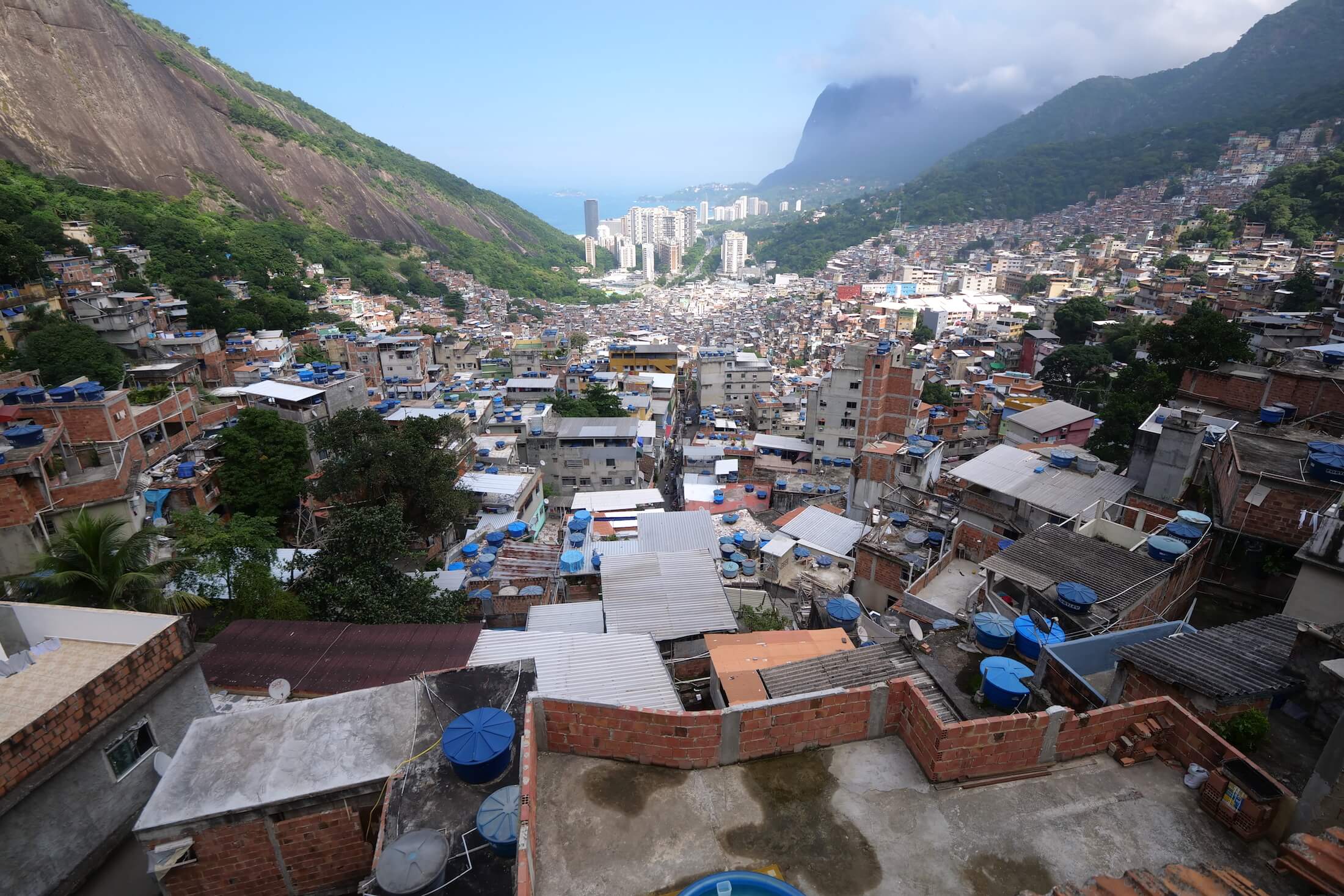
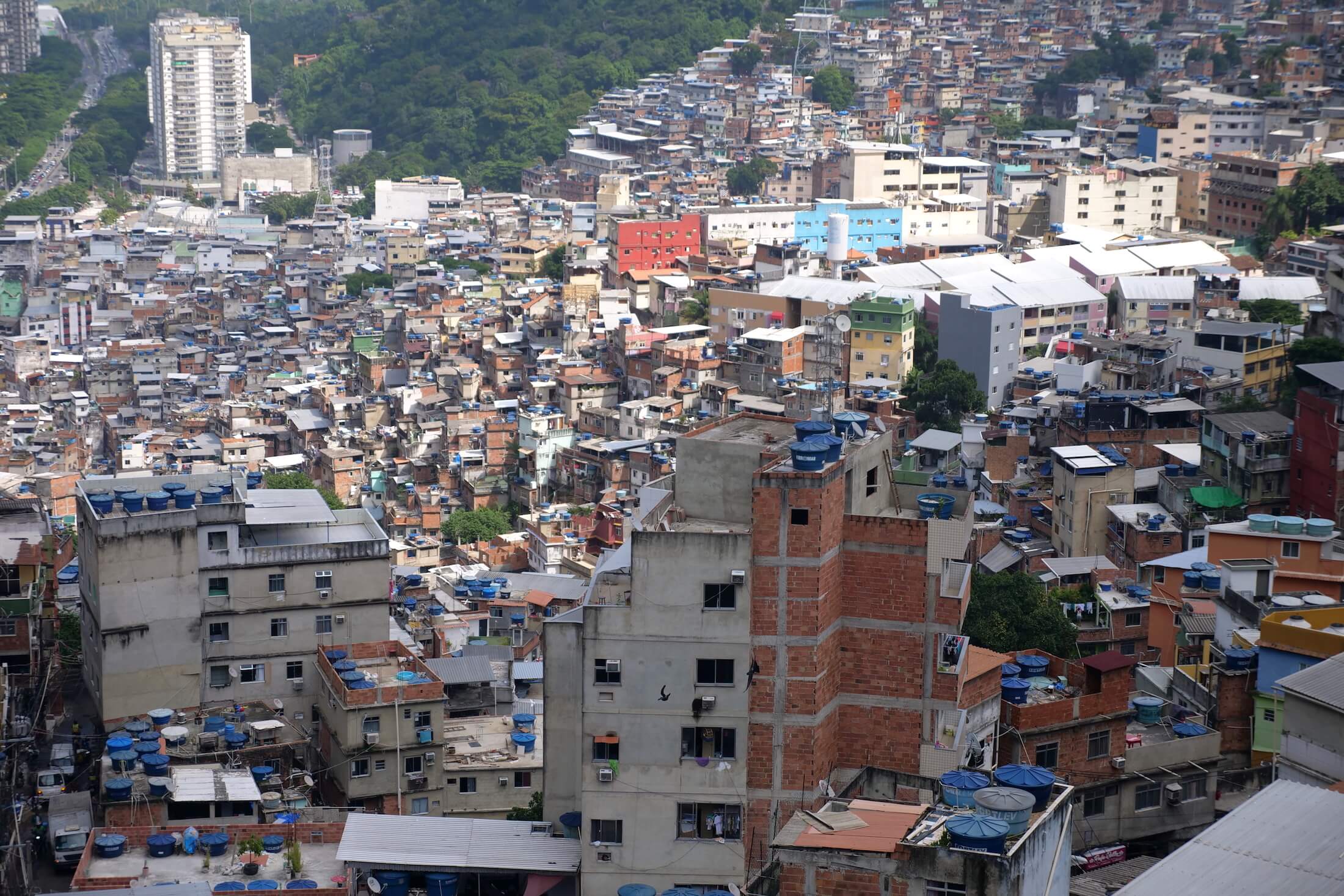
Accounting for approximately six percent of Brazil’s total population, roughly 12.5 million citizens reside in favelas nationwide. Rocinha itself is the largest favela in Brazil, accommodating an estimated 100,000 to nearly 300,000 residents depending on demographic metrics. Contrary to the common misconception that these are lawless slums devoid of basic amenities, formal studies and on-the-ground observations confirm that the vast majority of homes in Rocinha are equipped with running water, electricity, and sewage systems.
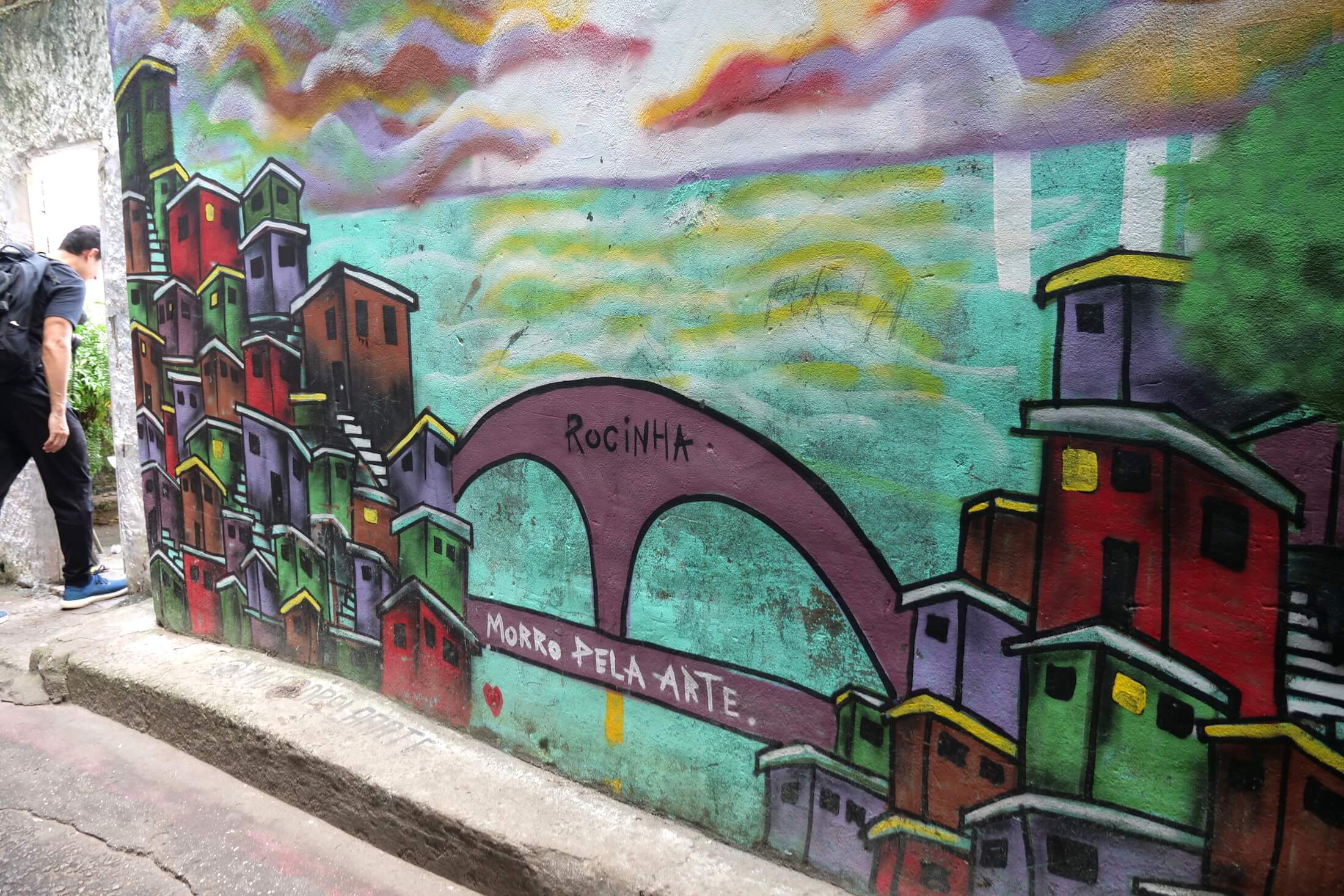
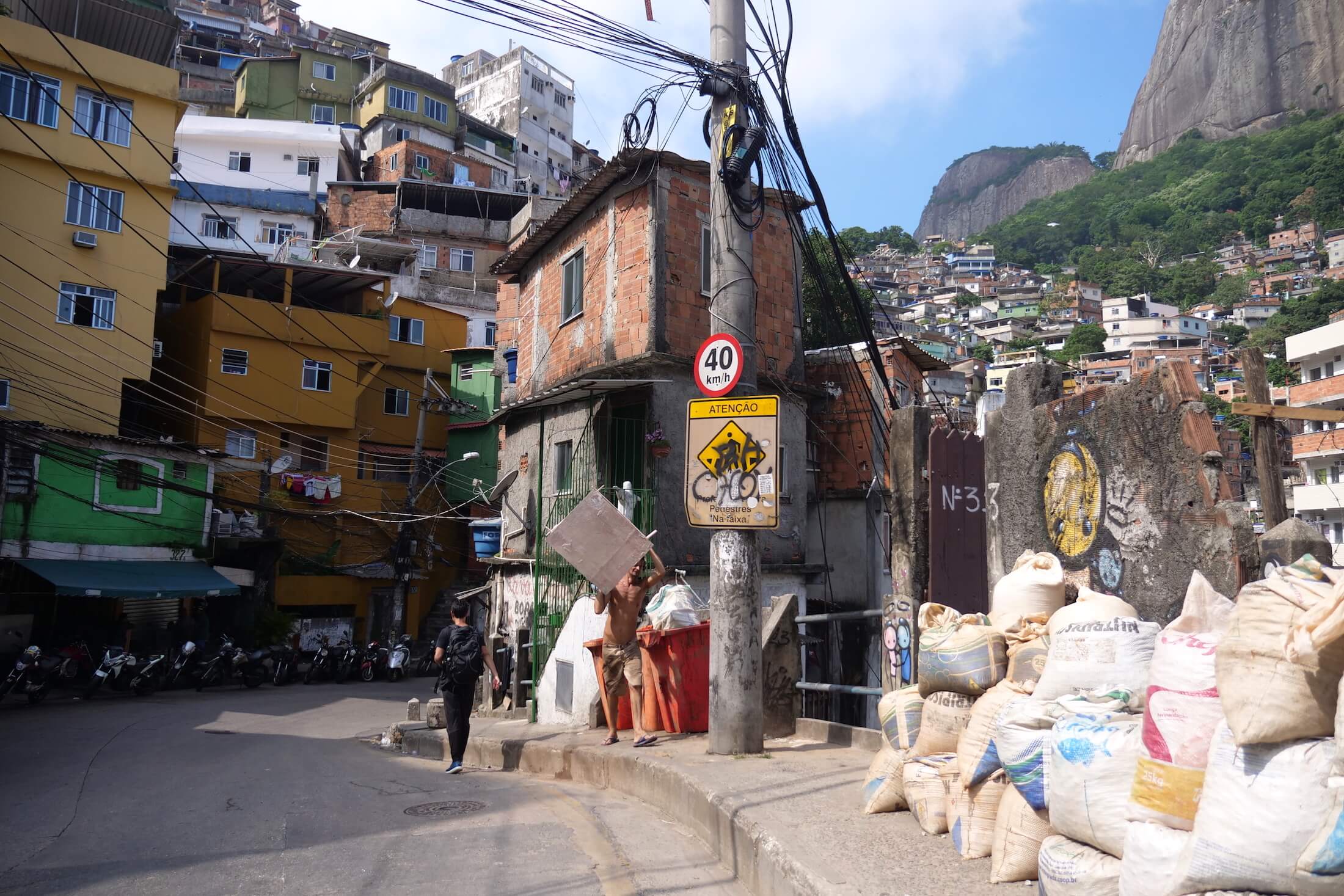
The neighborhood’s vertical architecture reflects decades of organic, ingenious construction, where multi-story brick and concrete homes are built sequentially up steep hillsides. The community is sustained by a robust local economy featuring schools, commercial banks, pharmacies, hardware stores, and family-run restaurants. Paved alleyways and main thoroughfares accommodate a constant flow of pedestrians, commerce, and localized transit, debunking the myth of total isolation from formal municipal systems.
Historical Context and Security Measures
The evolution of Rio de Janeiro’s favelas dates back to the late 19th century, when decommissioned soldiers and displaced rural populations began settling on the city’s vacant hillsides. Over generations, these settlements expanded rapidly alongside the urbanization of Brazil’s major metropolitan areas.
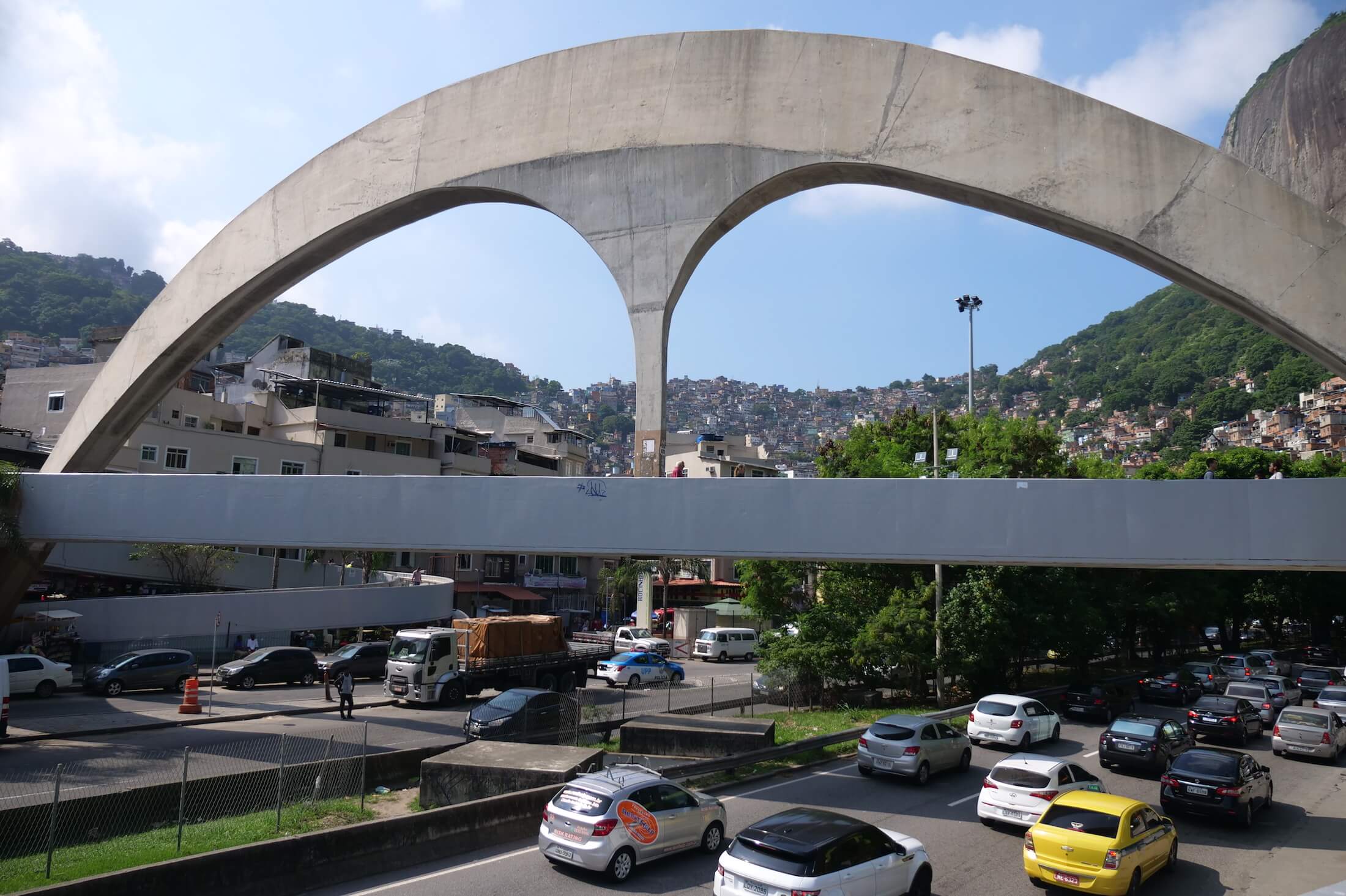
In the decades preceding major international events—most notably the 2014 FIFA World Cup and the 2016 Rio de Janeiro Olympic Games—the security landscape of these communities shifted significantly. Beginning in 2008, the state government implemented the Pacifying Police Unit (UPP) program. This large-scale security initiative deployed specialized police forces to reclaim major favelas from armed factions, followed by the establishment of permanent community policing stations. While the initiative yielded mixed long-term results regarding crime suppression and civil liberties, it marked a concerted effort by municipal and federal authorities to integrate marginalized hillside neighborhoods more securely into the broader civic framework of Rio de Janeiro.
Navigating Rocinha: Transit and Topography
Visiting Rocinha involves navigating a specific infrastructure built for steep topography. Access to the neighborhood is readily available via standard municipal buses from the southern zone—identifiable by signage in the front window—with fares averaging R$3.60. For visitors seeking to bypass the strenuous physical climb up the hillside, moto-taxis operate from the base of the community, transporting passengers to higher elevation points such as the "Gate of Heaven" viewpoint. This 15-minute transit ride costs approximately R$10 each way.
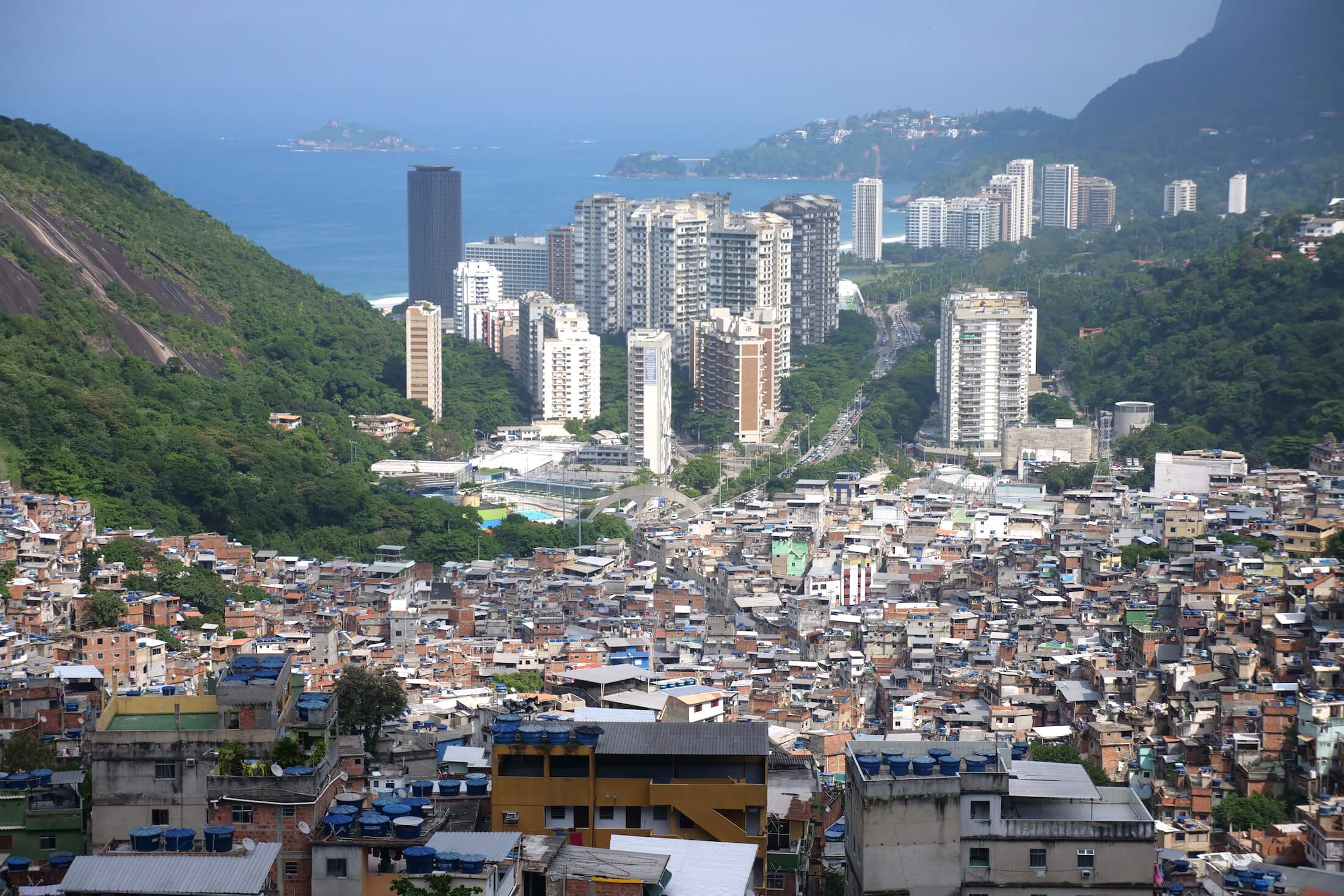
From the elevated lookout points near the top of the neighborhood, observers gain a comprehensive perspective of Rio de Janeiro’s geography, tracking the transition from densely packed residential structures down to the urban grid and ultimately the Atlantic Ocean. This vantage point illustrates the close physical proximity between the formal city and its informal counterparts.
Culinary Traditions and Local Commerce
The gastronomic landscape of Rocinha offers a direct window into working-class Brazilian cuisine, characterized by hearty, comforting staples designed to sustain laborers and families. Street-side establishments and kitchen-fronts feature prominently along the neighborhood’s main commercial corridors.
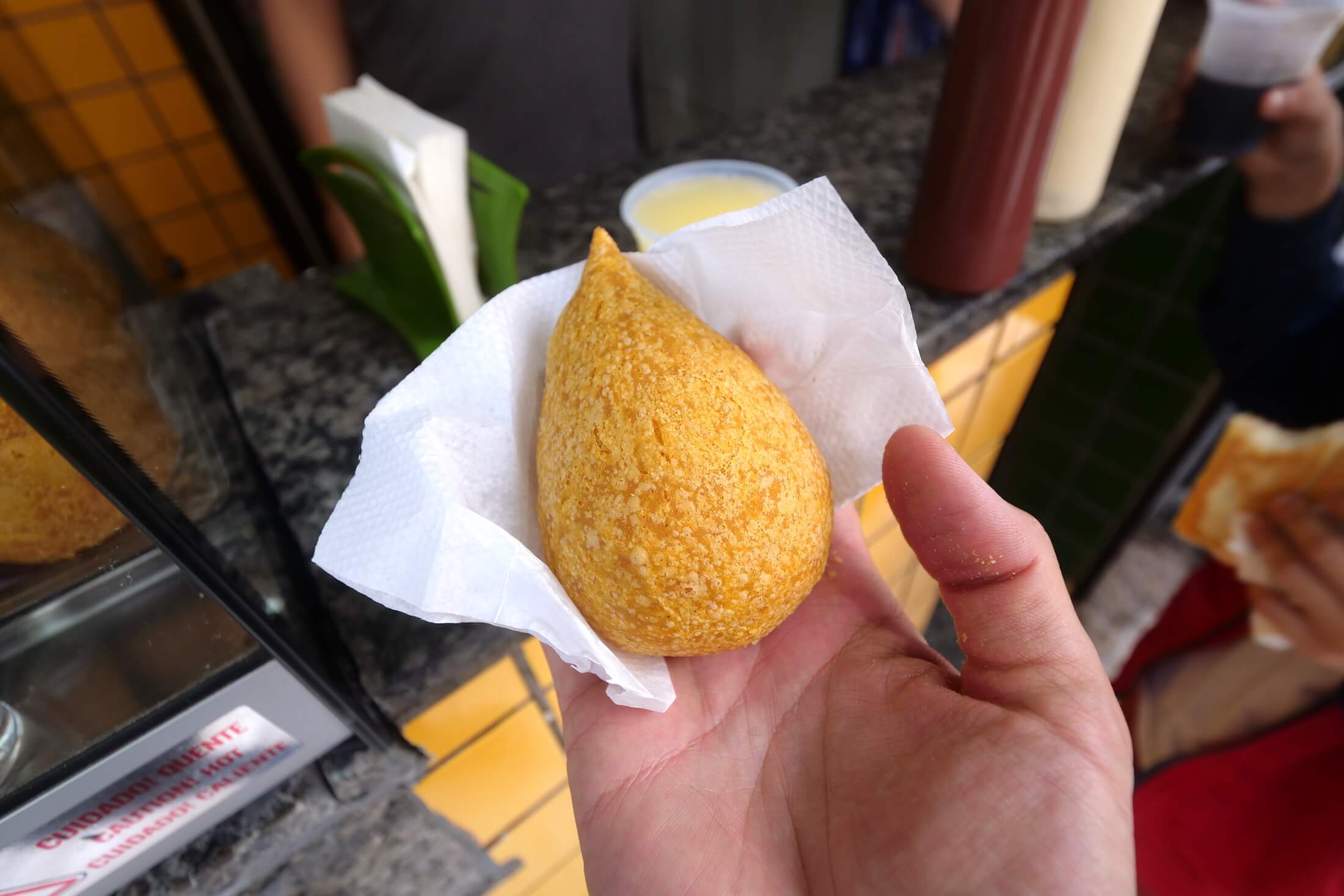
Among the most ubiquitous traditional snacks is the coxinha—a deep-fried dough pastry traditionally molded into a teardrop shape and stuffed with shredded chicken (coxinha com frango), catupiry cheese, or seasoned ground meats. Priced affordably between R$2 and R$5, these items are frequently paired with coffee or paired with salgados (savory baked or fried goods) as part of a local morning or afternoon routine.
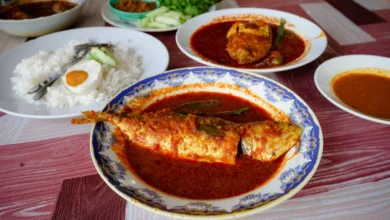
Full-service dining within the favela further reflects traditional Brazilian home cooking (comida caseira). Small, unmarked culinary operations run directly out of residential kitchens offer set-price meals averaging R$10. These plates typically combine foundational staples such as white rice, black beans cooked with aromatic herbs, and spaghetti, accompanied by slow-cooked proteins like beef brisket or pork. Meals are traditionally finished with a light dusting of farofa—toasted cassava flour designed to absorb the savory pan juices.
Socio-Economic Implications and Cultural Expression
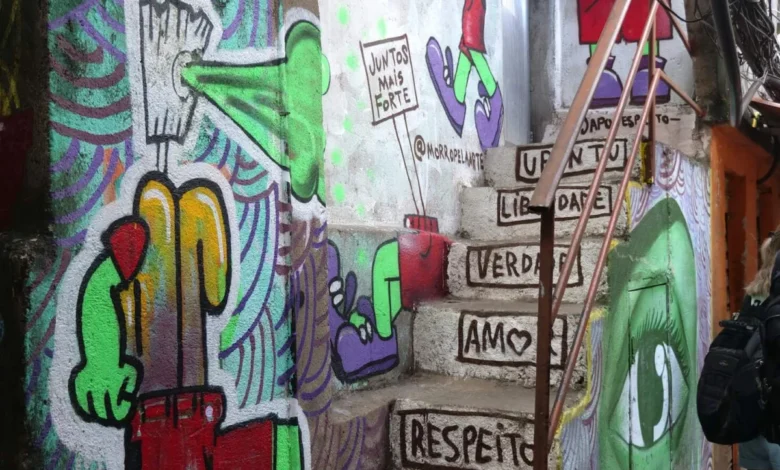
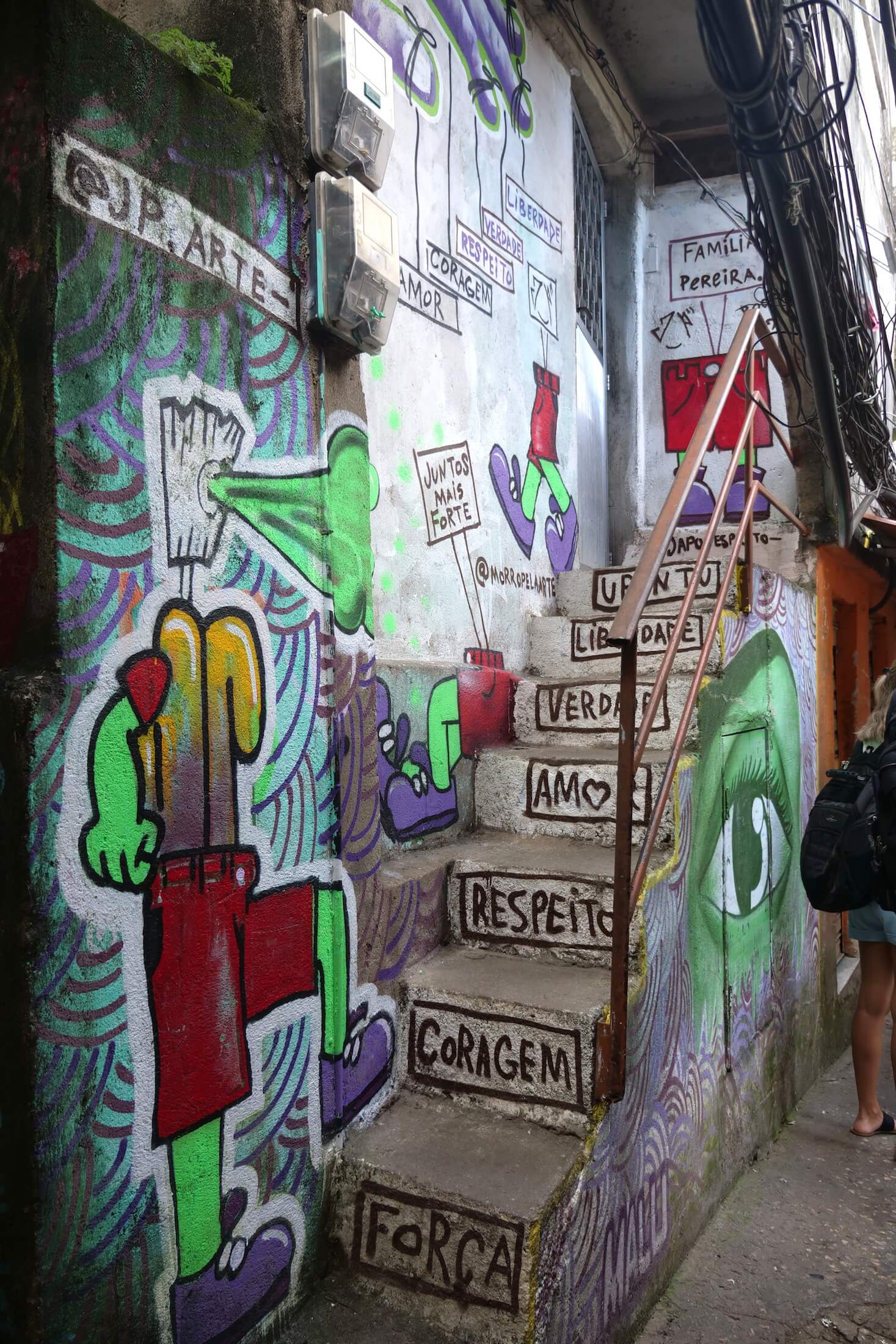
Beyond economics and gastronomy, favelas like Rocinha serve as epicenters for contemporary Brazilian art and cultural expression. Urban art, vibrant murals, and painted stairways cover residential facades, reflecting a deep-seated national appreciation for visual culture. Young local entrepreneurs and artists frequently utilize these public canvases to document community history, challenge external stigmas, and foster civic pride.
Sociological analysts emphasize that engaging directly with favela communities offers broader implications for urban integration and the reduction of social stratification. By moving past sensationalized media reports, visitors and researchers alike gain a more accurate understanding of the systemic challenges and entrepreneurial resilience present within Brazil’s informal settlements. Ultimately, recognizing the cultural and economic contributions of favela residents is a crucial step toward fostering social equity and dismantling long-standing urban divides in modern Brazil.