A Culinary Guide to Melaka Examining the Historical and Gastronomic Significance of Malaysias Coastal Food Capital

Melaka, a historic coastal town in Peninsular Malaysia, has solidified its reputation as a premier destination for international food tourism, characterized by a complex culinary landscape that blends indigenous Malay, Chinese, and Indian influences. As a UNESCO World Heritage site, the city’s gastronomic offerings are not merely sustenance but a living record of its history as a strategic maritime port. Recent analyses of the region’s dining sector highlight five specific establishments—Kedai Kopi Chung Wah, Asam Pedas Pak Man, Klebang Original Coconut Shake, Ban Lee Siang Satay Celup, and Ikan Bakar Hj Musa—as quintessential examples of the city’s diverse and vibrant food culture. These locations represent the evolution of Melaka’s "Migrationology" style of dining, where traditional techniques meet the demands of a modern global palate.
The Historical Foundations of Melakan Cuisine
The culinary identity of Melaka is inextricably linked to its 15th-century origins as a sultanate and its subsequent colonization by the Portuguese, Dutch, and British. This history facilitated a unique cultural exchange, most notably seen in the emergence of Peranakan (Baba-Nyonya) culture. Peranakan cuisine, which combines Chinese ingredients with Malay spices and cooking techniques, serves as the backbone of the Melakan food experience. The city’s location along the Strait of Malacca also ensured a steady supply of fresh seafood and exotic spices, which remain central to the local diet today.
In the contemporary era, Melaka’s food scene has become a primary driver of its tourism economy. According to data from the Melaka Tourism Promotion Board, the state attracts millions of visitors annually, with a significant portion citing "food and beverage" as a top priority. The preservation of traditional recipes, such as the labor-intensive chicken rice ball and the complex Asam Pedas broth, is viewed by local authorities as a vital component of the city’s intangible cultural heritage.

Morning Tradition: The Hainanese Influence at Kedai Kopi Chung Wah
The culinary day in Melaka typically begins in the historic center, specifically near Jonker Street, where the influence of the Hainanese diaspora is most visible. Kedai Kopi Chung Wah, situated at a prominent corner of this famous thoroughfare, is widely regarded as a benchmark for Hainanese Chicken Rice Balls. While Hainanese chicken rice is found throughout Southeast Asia, the "ball" format is unique to Melaka. Historically, rice was shaped into balls to keep it warm for longer periods and to make it easier for laborers to carry to their workplaces.
The preparation at Kedai Kopi Chung Wah involves poaching chicken in a ginger and garlic-infused broth until the skin is translucent and the meat remains succulent. The rice is cooked in the resulting chicken fat and broth, then meticulously hand-rolled into firm, bite-sized spheres. Observers note that the texture of these rice balls is distinct—dense yet flavorful, with a pronounced aroma of garlic and a subtle smokiness. The dish is traditionally served with a signature vinegar-based chili sauce, which provides a sharp, acidic contrast to the richness of the poultry. For approximately 28 RM (US$6.77), a group can experience a meal that has remained largely unchanged for generations, reflecting the city’s commitment to culinary continuity.

Mid-Day Intensity: The Sour-Spicy Profile of Asam Pedas Pak Man
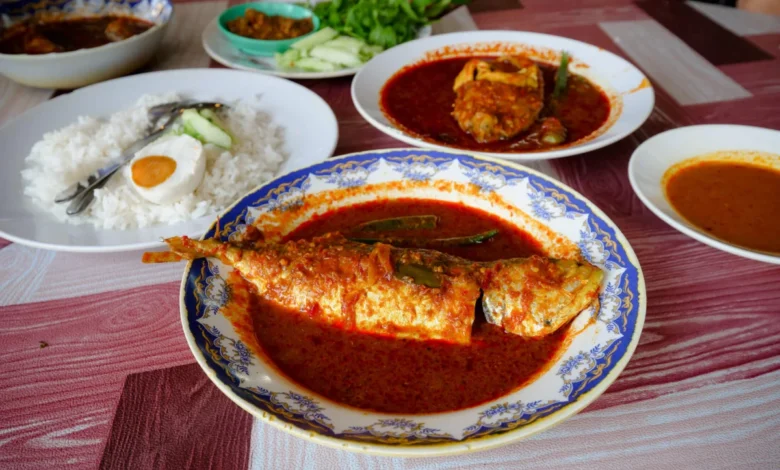
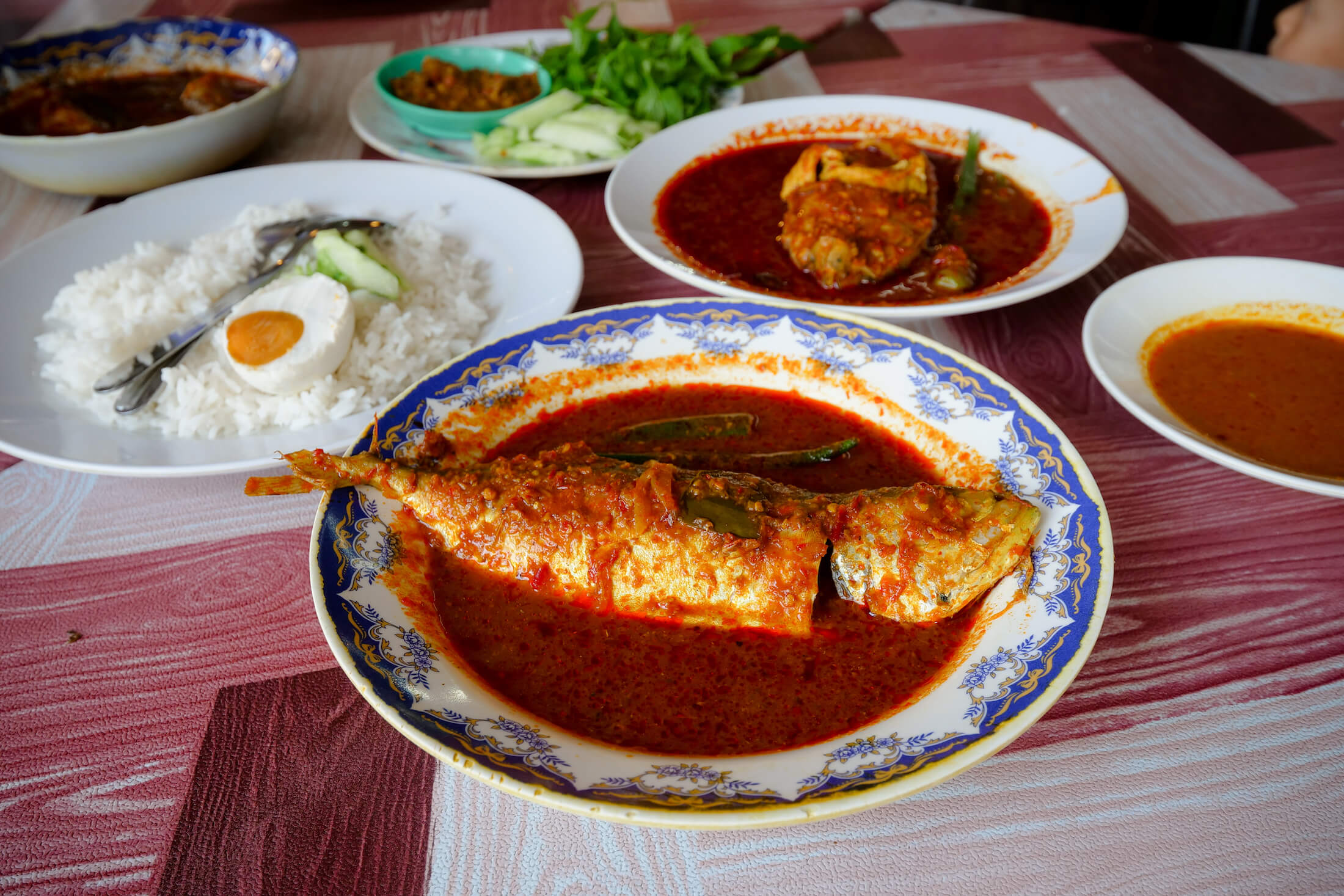
As the tropical heat intensifies toward noon, the local palate shifts toward Asam Pedas, a sour and spicy fish stew that is a staple of Malay cuisine. Asam Pedas Pak Man, located near the coast, is frequently cited by culinary experts and local residents as a premier venue for this dish. The "asam" (tamarind) provides a tart base, while the "pedas" (spicy) comes from a concentrated paste of dried chilies, shallots, garlic, and shrimp paste (belacan).
The restaurant’s operation reflects a meticulous chronology of preparation. While it opens early for breakfast items like roti canai and various Peranakan snacks (kuih), the signature Asam Pedas broth is often not ready until mid-morning, as it requires hours of simmering to achieve the necessary depth of flavor. The establishment utilizes a variety of locally caught fish, including barramundi (ikan tongkol) and stingray, which are cooked in the broth until they absorb the complex spicy and sour notes.

Economic analysis of such local eateries shows a high degree of resilience; despite the influx of modern cafes, traditional spots like Pak Man continue to see high turnover, with meals for three people averaging 73 RM (US$17.75). The inclusion of sambal belacan as a side condiment further enhances the meal, offering a pungent, fermented depth that is characteristic of the region’s flavor profile.
Afternoon Refreshment: The Evolution of the Klebang Coconut Shake
The mid-afternoon period in Melaka has seen the rise of a modern classic: the Klebang Original Coconut Shake. Located slightly outside the city center near the beach, this establishment has become a social phenomenon, evidenced by its massive volume of reviews and consistent queues. The drink—a blend of fresh coconut water, young coconut flesh, crushed ice, and vanilla ice cream—represents the "fusion" aspect of Melaka’s food culture, combining local produce with Western-style dairy.

The success of the Klebang Coconut Shake illustrates the power of a single, well-executed product in driving regional tourism. The "Special" version, which includes an additional scoop of ice cream, is priced at an accessible 2.95 RM (US$0.70). This pricing strategy, combined with the site’s historical status as the "original" vendor of the shake, has allowed it to maintain market dominance despite numerous competitors appearing across the state. The sheer volume of waste—specifically the mounds of coconut husks visible at the site—serves as a physical testament to the restaurant’s commercial success and the city’s high demand for refreshing, fruit-based beverages.
Communal Dining: The Satay Celup Tradition at Ban Lee Siang
As evening approaches, the dining style shifts toward communal, interactive experiences. Satay Celup is a quintessentially Melakan dish that blends the Malay concept of satay (skewered meat) with the Chinese hotpot tradition. At Ban Lee Siang, patrons select from dozens of varieties of raw and semi-cooked ingredients—including seafood, vegetables, quail eggs, and various bean curd products—which are then dipped into a central pot of boiling, spicy peanut sauce.

This style of dining is significant for its social implications. It encourages a slow, participatory meal that is popular among families and large groups. The peanut sauce used in Satay Celup is thicker and more complex than standard satay sauce, often containing a proprietary blend of spices, aromatics, and finely ground nuts. The economic model is also unique; diners are charged per skewer (typically 1 RM or US$0.22), allowing for a highly customizable and budget-friendly experience. A meal for three, consisting of 38 skewers, typically costs under 40 RM (US$9.35), making it a staple for both locals and budget-conscious travelers.
The Evening Finale: Charcoal-Grilled Seafood at Ikan Bakar Hj Musa
The culinary tour of Melaka often concludes at a "Medan Ikan Bakar" (Grilled Fish Center), with Ikan Bakar Hj Musa being a standout representative of the genre. Located in a seaside setting, this restaurant specializes in the Malay tradition of "Ikan Bakar," where fresh seafood is marinated in a rich sambal and grilled over charcoal.

The process at Hj Musa is highly transparent and transactional. Customers select their seafood by weight—options often include squid, prawns, and various ocean fish like stingray—and specify their preferred cooking style. The most sought-after preparation involves a thick coating of chili sambal that caramelizes over the charcoal heat, creating a "jam-like" consistency that is both sweet and intensely spicy. This method of cooking preserves the moisture of the seafood while imparting a deep, smoky flavor.
A full seafood feast for a group at this level of quality is priced at approximately 99 RM (US$24.00), which is considered excellent value given the freshness of the ingredients. The popularity of Ikan Bakar Hj Musa underscores the importance of the maritime economy to Melaka’s identity; the restaurant serves as a bridge between the local fishing industry and the high-end tourism market.

Broader Implications and Cultural Analysis
The enduring popularity of these five establishments suggests several key trends in the Malaysian food industry. First, there is a clear preference for "specialist" eateries—places that do one or two things exceptionally well rather than offering a broad, diluted menu. Second, the integration of different ethnic culinary traditions (Malay, Chinese, and Peranakan) is not just a historical fact but a living, evolving reality that continues to attract global attention.
From a journalistic and socio-economic perspective, Melaka’s food scene serves as a buffer against the homogenization of global culture. While international fast-food chains are present in the city, they are largely overshadowed by the local "warungs" and coffee shops that have occupied the same street corners for decades. The success of food-focused travel content, such as that produced by Migrationology, has played a crucial role in bringing these hidden gems to a wider audience, thereby supporting the local economy and encouraging the younger generation to maintain traditional family businesses.

In conclusion, Melaka remains a vital laboratory of Southeast Asian flavors. The city’s ability to offer high-quality, culturally significant meals at accessible price points ensures its continued status as a global food capital. Whether it is the precision of a Hainanese rice ball or the smoky intensity of a charcoal-grilled stingray, the food of Melaka offers a profound insight into the history and soul of Malaysia. As tourism continues to rebound in the post-pandemic era, these establishments stand as pillars of the community, ready to welcome the next generation of culinary explorers.