
Philly Cheese Steak Soup

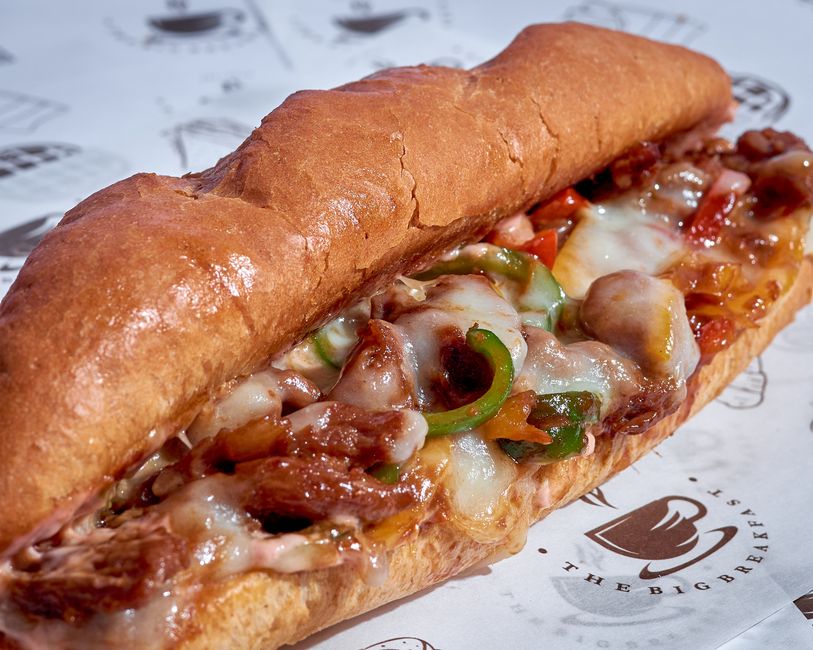
Philly Cheese Steak Soup: A Deconstructed Classic for Comfort and Flavor
Philly Cheese Steak Soup is not merely a culinary innovation; it’s a thoughtful deconstruction of a beloved icon, translating the savory, cheesy, and robust flavors of a traditional Philadelphia cheesesteak into a comforting, brothy, and easily digestible soup. This hearty dish captures the essence of its street-food progenitor without the need for a roll, offering a lighter yet equally satisfying experience. The fundamental components – thinly sliced steak, sautéed onions and peppers, and a creamy, cheesy broth – are meticulously preserved, allowing each element to shine. This soup appeals to both die-hard cheesesteak aficionados seeking a novel interpretation and to those new to the flavor profile, providing an accessible entry point to a classic taste sensation. Its inherent versatility allows for customization, adapting to dietary preferences and ingredient availability, solidifying its position as a go-to comfort food.
The foundation of an exceptional Philly Cheese Steak Soup lies in the quality of its ingredients. For the steak, thinly sliced ribeye or sirloin is paramount. The thinness ensures rapid cooking and a tender texture, mimicking the characteristic bite of a cheesesteak. Marinating the steak, even briefly, can enhance its flavor; a simple marinade of soy sauce, Worcestershire sauce, and a touch of garlic powder imparts a subtle umami depth. Alternatively, a dry rub with salt, pepper, and onion powder works equally well. When searing the steak, high heat is crucial for developing a caramelized crust, adding another layer of complexity to the soup’s flavor profile. Overcrowding the pan should be avoided to prevent steaming and ensure proper searing. The fat rendered from the steak also contributes significantly to the broth’s richness, so don’t discard it.
Onions and bell peppers are the classic aromatic vegetables in any cheesesteak, and their role in the soup is no less vital. Yellow or sweet onions offer a mild sweetness that caramelizes beautifully, while green bell peppers provide a slight bitterness and a vibrant color. Other pepper varieties, such as red or even a touch of poblano for a mild kick, can be incorporated for added visual appeal and nuanced flavor. The key to their integration into the soup is proper sautéing. They should be cooked until tender and slightly caramelized, releasing their inherent sugars and developing a deep, savory aroma. This process not only softens the vegetables but also melds their flavors with the steak drippings, creating a robust flavor base for the broth.
The broth is where the "soup" aspect truly takes shape. A high-quality beef broth or stock is the preferred choice, providing a savory backbone that complements the beef. Low-sodium options are advisable to allow for better control over the final saltiness. For added depth and richness, a touch of chicken broth can be incorporated. Deglazing the pan after searing the steak and sautéing the vegetables with a splash of beef broth or even a dry red wine is a critical step. This process lifts all the flavorful browned bits from the bottom of the pan, infusing the broth with concentrated flavor. A small amount of flour or cornstarch can be used as a thickener, creating a slightly creamy texture without resorting to heavy cream, although some variations do incorporate it for an ultra-luxurious mouthfeel.
Cheese is, of course, non-negotiable in any cheesesteak-inspired dish. The traditional choice for a cheesesteak is Cheez Whiz, but for a soup, alternatives offer a smoother, more integrated melt. Provolone cheese is a popular and delicious option, offering a mild, nutty flavor that melts exceptionally well. American cheese provides that classic gooeyness and familiar taste. A combination of cheeses, such as provolone and a sharp cheddar, can add complexity and depth. The cheese is typically incorporated at the end of the cooking process, stirred in until fully melted and creating a creamy, emulsified broth. Alternatively, some recipes suggest topping individual bowls with shredded cheese to melt on contact, mimicking the visual appeal of a cheesesteak.
The aromatic elements in Philly Cheese Steak Soup elevate it from a simple combination of ingredients to a symphony of flavors. Garlic is a natural partner to steak and vegetables, and minced garlic, sautéed with the onions and peppers, adds a pungent, savory note. Herbs play a crucial role in defining the soup’s character. Freshly ground black pepper is essential for a bit of warmth and bite. A pinch of dried thyme or oregano can add an earthy, Mediterranean flair, while a touch of paprika can contribute color and a mild smokiness. For a more authentic Philly cheesesteak experience, some recipes might even include a hint of red pepper flakes to introduce a subtle, building heat. The careful layering of these aromatics ensures that each spoonful is packed with flavor.
The process of making Philly Cheese Steak Soup typically begins with preparing the steak. Thinly slicing the beef against the grain is essential for tenderness. Seasoning the steak before cooking enhances its flavor. Heat a tablespoon or two of oil or butter in a large pot or Dutch oven over medium-high heat. Add the thinly sliced steak and cook, stirring frequently, until browned and just cooked through. Remove the steak from the pot and set aside, leaving any rendered fat in the pot.
Next, add a bit more oil or butter if needed to the same pot. Add the sliced onions and bell peppers. Sauté over medium heat, stirring occasionally, until the vegetables are softened and lightly caramelized, approximately 8-10 minutes. Add the minced garlic and cook for another minute until fragrant, being careful not to burn it.
Deglaze the pot by pouring in a splash of beef broth or red wine and scraping up any browned bits from the bottom of the pot. This step is crucial for maximizing flavor.
Pour in the remaining beef broth and bring the mixture to a simmer. If using a thickener, whisk together a tablespoon of flour or cornstarch with a few tablespoons of cold water or broth to create a slurry. Gradually whisk this slurry into the simmering broth until it thickens slightly.
Return the cooked steak to the pot. Season the soup with salt, black pepper, and any other desired herbs or spices. Let the soup simmer gently for about 10-15 minutes to allow the flavors to meld.
To achieve the cheesy broth, reduce the heat to low. Gradually add the shredded or sliced cheese, stirring constantly until it is completely melted and the soup is creamy. Avoid boiling the soup after the cheese has been added, as this can cause it to break.
Serve the Philly Cheese Steak Soup hot. Traditionally, it is garnished with additional shredded cheese, a dollop of sour cream or a drizzle of Cheez Whiz for those who crave the authentic experience, and perhaps some fresh chopped parsley for color and freshness.
Nutritional considerations are important when discussing any dish, and Philly Cheese Steak Soup offers room for moderation and adaptation. The base of lean steak and vegetables provides protein and fiber. However, the addition of cheese and potentially a thickener can increase the fat and carbohydrate content. For a lighter version, opt for leaner cuts of steak, reduce the amount of cheese, and use a cornstarch slurry rather than a flour-based roux for thickening. Incorporating a greater volume of vegetables, such as mushrooms or zucchini, can also boost the fiber content and lower the overall calorie count per serving. Portion control is also key. Serving the soup in moderate bowls can help manage calorie intake without sacrificing flavor.
The versatility of Philly Cheese Steak Soup extends beyond ingredient substitutions. It can be a standalone meal, especially when served with a side salad or crusty bread. For those looking to mimic the full cheesesteak experience, serving the soup alongside a small, toasted hoagie roll for dipping can bridge the gap. Some individuals also enjoy adding a sprinkle of crushed potato chips or crispy fried onions on top for an added textural element, reminiscent of the crunch found in a traditional cheesesteak. The soup can also be a base for other additions, such as chopped potatoes for a more substantial stew-like consistency or even a touch of pasta for a heartier meal.
When considering SEO for "Philly Cheese Steak Soup," several keywords and phrases are crucial. Naturally, "Philly Cheese Steak Soup" is the primary term. Related keywords include "cheesesteak soup recipe," "deconstructed cheesesteak," "comfort food soup," "easy cheesesteak soup," "creamy cheesesteak soup," "beef and cheese soup," "low carb cheesesteak soup" (if adapted), and "Keto cheesesteak soup" (if adapted). The article should naturally integrate these terms throughout, focusing on providing comprehensive and valuable information. High-quality images of the finished soup, as well as step-by-step preparation images, would also be highly beneficial for visual appeal and SEO. The content should aim to answer common user questions, such as "how to make Philly cheesesteak soup," "what cheese to use for cheesesteak soup," and "best cut of steak for cheesesteak soup."
The cultural significance of the Philadelphia cheesesteak is undeniable, and its translation into a soup form speaks to the adaptability and enduring appeal of classic comfort foods. This soup honors the original while offering a new and accessible way to enjoy its iconic flavors. It’s a testament to how culinary traditions can evolve and be reinterpreted to suit modern tastes and lifestyles. The development of this soup likely stemmed from a desire to capture the essence of the cheesesteak in a different format, perhaps for those seeking a warmer, more liquid-based comfort food experience, or for individuals with dietary restrictions that make eating a traditional sandwich challenging. The success of this deconstructed dish lies in its ability to evoke nostalgia and satisfaction, proving that great flavors can transcend their original forms.
In conclusion, Philly Cheese Steak Soup is a culinary triumph, a clever and delicious reimagining of a beloved American classic. It offers a comforting, flavorful, and satisfying meal that can be tailored to individual preferences. By focusing on quality ingredients, proper cooking techniques, and thoughtful flavor layering, home cooks can recreate the magic of a Philadelphia cheesesteak in a hearty, soul-warming soup. Its SEO-friendly nature, coupled with its widespread appeal, ensures that this dish will continue to be a popular and sought-after recipe for years to come. The ability to adapt it for various dietary needs further cements its status as a modern comfort food staple, proving that innovation in the kitchen can honor tradition while forging exciting new paths.


