
Middle Eastern Tomato Salad

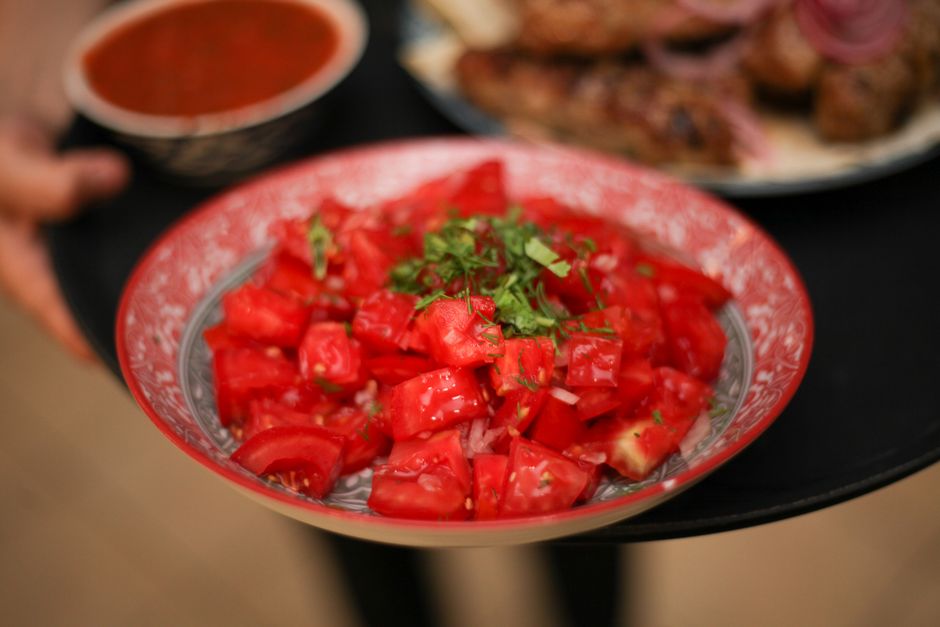
Middle Eastern Tomato Salad: A Symphony of Freshness and Flavor
Middle Eastern tomato salad, a seemingly simple dish, is a culinary cornerstone across the diverse gastronomic landscapes of the Levant, Persia, and North Africa. Far from a mere afterthought, it represents a profound appreciation for the inherent sweetness and acidity of ripe tomatoes, elevated by a judicious selection of complementary ingredients and a vibrant dressing. This salad is not a static entity; its variations are as rich and varied as the cultures that produce it, each iteration reflecting local produce, prevailing tastes, and culinary traditions. At its heart, however, lies a shared philosophy: to allow the quality of the primary ingredient, the tomato, to shine, supported by textures and aromas that enhance rather than overpower. Understanding the essence of this salad requires delving into its core components, the regional adaptations, and the fundamental techniques that contribute to its universally lauded freshness and flavor. The common thread is the commitment to fresh, seasonal ingredients, meticulously prepared to create a harmonious balance of taste and texture. This is a dish that speaks to the earth, the sun, and the skilled hands that transform humble produce into something extraordinary.
The Foundation: Tomatoes
The indisputable star of any Middle Eastern tomato salad is, of course, the tomato. The quality of the tomatoes dictates the success of the entire dish. Ideally, ripe, in-season, heirloom varieties are preferred. Their inherent sweetness, complex flavor profile, and juicy texture are paramount. Varieties like Roma tomatoes, with their lower water content and meaty texture, are excellent for salads where a firmer bite is desired. However, more delicate, intensely flavored varieties such as Brandywines, Cherokee Purples, or even cherry tomatoes, especially the deeply colored Black Cherries or Sungolds, offer a richer, more nuanced taste. The preparation of the tomatoes is crucial. They should be washed thoroughly and then cut into uniform, bite-sized pieces. The size of the cut can be adjusted to preference; larger chunks offer a more rustic feel, while smaller dices create a more cohesive salad. The skin is typically left on, as it contributes to the visual appeal and offers a subtle textural contrast. Some chefs advocate for a brief maceration of the cut tomatoes with a pinch of salt to draw out excess liquid and concentrate their flavor, but this is often dependent on the ripeness and juiciness of the tomatoes themselves. Over-handling or bruising the tomatoes should be avoided at all costs, as this can lead to a mushy texture and diminished visual appeal. The goal is to present the tomatoes in their most vibrant and flavorful state, ready to absorb and complement the other elements of the salad.
The Supporting Cast: Herbs, Aromatics, and Vegetables
Beyond the tomatoes, a carefully curated selection of accompanying ingredients provides the complexity and depth that characterize Middle Eastern tomato salad. Fresh herbs are indispensable, their fragrant oils and bright notes cutting through the richness of the tomatoes and adding layers of aroma. Parsley, both flat-leaf and curly, is a ubiquitous choice, its clean, herbaceous flavor a perfect counterpoint to sweetness. Mint, with its refreshing coolness, is another popular addition, particularly in Levantine variations. Cilantro, with its distinctive citrusy and peppery notes, adds a vibrant zest. Dill, especially in Persian-inspired versions, contributes a delicate anise-like aroma. The herbs should be washed, thoroughly dried, and finely chopped or torn to release their maximum flavor without becoming stringy.
Aromatics play a crucial role in building the flavor profile. Red onion, thinly sliced or finely diced, is a staple. Its sharp, pungent bite can be mellowed by soaking it in cold water for about 10 minutes before adding it to the salad, which also removes some of its intensity, making it more palatable for those sensitive to raw onion. Shallots offer a milder, sweeter alternative. Garlic, in its raw form, is generally used sparingly, finely minced or grated, to avoid overwhelming the other flavors. Its potent aroma and sharp taste can be a powerful addition when used judiciously.
Other vegetables often find their way into the mix, adding textural contrast and complementary flavors. Cucumbers, particularly English or Persian varieties with their thin skin and fewer seeds, are a common addition, providing a cool, crisp crunch. They are typically diced or thinly sliced. Bell peppers, especially red, yellow, or orange varieties, contribute sweetness and a pleasant crunch. Finely diced, they add vibrant color and a mild peppery note. Occasionally, sumac-dusted onions or even thinly sliced radishes might be incorporated for a peppery kick and a vibrant visual contrast. The key is to maintain a balance, ensuring that no single ingredient dominates, but rather contributes to a harmonious whole.
The Dressing: The Unifying Element
The dressing for Middle Eastern tomato salad is typically light, bright, and zesty, designed to enhance the natural flavors of the ingredients rather than mask them. Olive oil, particularly extra virgin olive oil, is the foundation. Its fruity notes and smooth texture bind the ingredients and carry the flavors. Lemon juice is the essential acidic component, its bright tang cutting through the sweetness of the tomatoes and balancing the richness of the olive oil. Freshly squeezed is always preferred over bottled, as it offers a more vibrant and complex citrus flavor. Pomegranate molasses, a syrupy reduction of pomegranate juice, offers a unique sweet-tart complexity and a beautiful deep red hue, often used in Levantine variations. A touch of balsamic vinegar, though less traditional in some regions, can also add a sophisticated depth of flavor.
Seasoning is simple but critical. Salt, preferably sea salt or kosher salt, is used to draw out moisture and enhance the flavors. Freshly ground black pepper adds a touch of warmth and spice. Some variations might include a pinch of dried mint or za’atar for an extra layer of herbaceousness and pungency. The dressing should be whisked together vigorously to emulsify the oil and lemon juice, creating a cohesive sauce that coats the ingredients evenly. It’s often best to dress the salad just before serving to prevent the ingredients from becoming waterlogged, particularly the delicate tomatoes and herbs.
Regional Variations: A Tapestry of Tastes
The beauty of Middle Eastern tomato salad lies in its adaptability, with each region and even household offering its own nuanced interpretation.
Levantine Tomato Salad (Salata Damanreesh/Salatet Bandora): This is perhaps the most widely recognized iteration. It typically features diced tomatoes, cucumbers, finely chopped parsley, mint, and red onion. The dressing is a classic lemon-olive oil vinaigrette, often seasoned with salt and pepper. Some variations may include a hint of garlic or a sprinkle of sumac for a tangy finish. The emphasis is on extreme freshness and a clean, bright flavor profile. The finely chopped nature of the ingredients creates a cohesive texture that is both refreshing and satisfying.
Persian Tomato Salad (Salad Shirazi): This iconic salad is characterized by its finely diced ingredients, creating a delicate mosaic of flavors and textures. Diced tomatoes, cucumbers, and red onions are finely chopped, along with a generous amount of fresh mint and parsley. The dressing is a simple lemon-olive oil vinaigrette, often with a touch of dried mint and sometimes a pinch of ground cumin for warmth. The precision of the dice is a hallmark of Shirazi salad, contributing to its refined elegance.
North African Variations: While distinct tomato salads exist, many North African cuisines incorporate tomatoes into vibrant vegetable platters and stews. However, a common thread is the use of fresh herbs like cilantro and parsley, often complemented by pungent spices like cumin and coriander, and a bright acidic element like lemon juice or preserved lemon.
Other Notable Additions and Adaptations:
- Feta or Halloumi: Crumbled feta cheese or diced halloumi, lightly grilled or pan-fried, can add a salty, creamy dimension. This is particularly common in variations that lean towards a Greek or Cypriot influence, which often overlap with Levantine cuisine.
- Olives: Kalamata or green olives, pitted and halved, introduce a briny, savory element.
- Avocado: While not traditional, diced avocado can add a creamy richness and a delightful textural contrast, particularly in more modern interpretations.
- Spices: A pinch of red pepper flakes can add a subtle heat. Cumin, coriander, and even a hint of cinnamon can be incorporated in certain Persian-inspired variations.
- Toasted Bread: Some variations might be served with toasted pita bread or croutons for added crunch.
Serving Suggestions and Culinary Applications
Middle Eastern tomato salad is incredibly versatile, serving as a perfect accompaniment to a wide range of dishes. Its freshness makes it an ideal counterpoint to rich and savory main courses.
- Grilled Meats and Poultry: It pairs beautifully with grilled kebabs (shish taouk, kofta), grilled lamb chops, or roasted chicken. The acidity of the salad cuts through the richness of the grilled meats, providing a refreshing balance.
- Fish and Seafood: Lightly grilled or pan-seared fish, such as sea bass or bream, benefits from the bright, fresh flavors of the tomato salad.
- Mezze Platters: It is a staple on any mezze table, offering a refreshing element alongside dips like hummus, baba ghanoush, and muhammara, as well as falafel and stuffed grape leaves.
- Sandwiches and Wraps: A scoop of this vibrant salad can elevate any sandwich or wrap, adding a burst of flavor and moisture.
- Rice and Grain Dishes: It can be served as a side dish to pilafs, couscous, or quinoa, adding a much-needed element of freshness.
- As a Light Lunch or Appetizer: On its own, with a side of crusty bread, it makes for a satisfying and healthy light lunch or a delightful starter.
The emphasis is always on the fresh, unadulterated flavors. When presented, the vibrant colors of the tomatoes, herbs, and vegetables create a visually appealing dish that is as delightful to the eyes as it is to the palate.
Nutritional Benefits and Health Aspects
Beyond its culinary appeal, Middle Eastern tomato salad is a powerhouse of nutrients. Tomatoes are rich in lycopene, a potent antioxidant linked to various health benefits, including reduced risk of certain cancers and heart disease. They also provide a good source of Vitamin C, Vitamin K, and potassium. Cucumbers are hydrating and contain electrolytes. Fresh herbs are packed with vitamins, minerals, and antioxidants. Olive oil, especially extra virgin, is a source of monounsaturated fats, which are beneficial for heart health. The salad is naturally low in calories and high in fiber, making it an excellent choice for weight management and digestive health. Its vibrant, fresh ingredients contribute to a diet rich in essential vitamins and minerals, promoting overall well-being. The emphasis on whole, unprocessed ingredients aligns perfectly with a healthy eating lifestyle.
Conclusion: A Testament to Simplicity and Freshness
Middle Eastern tomato salad, in its myriad forms, is a testament to the power of simple, high-quality ingredients prepared with care. It is a dish that celebrates the essence of each component, allowing the sweetness of ripe tomatoes, the fragrance of fresh herbs, and the brightness of citrus to harmonize into a profoundly satisfying culinary experience. Its adaptability and universal appeal have solidified its place as a beloved staple across a vast culinary region and beyond. Whether enjoyed as a refreshing side, a vibrant mezze, or a light meal, this salad embodies the spirit of Middle Eastern hospitality and a deep appreciation for the bounty of nature. It is a dish that reminds us that sometimes, the most extraordinary flavors emerge from the simplest of preparations, a true celebration of freshness and mindful eating. The enduring popularity of this salad speaks volumes about its inherent deliciousness and its ability to adapt to diverse palates while retaining its core identity. It is a timeless classic, destined to continue gracing tables for generations to come.


