Moroccan Harira with Chickpeas and Lentils: A Nutrient-Dense One-Pot Culinary Tradition

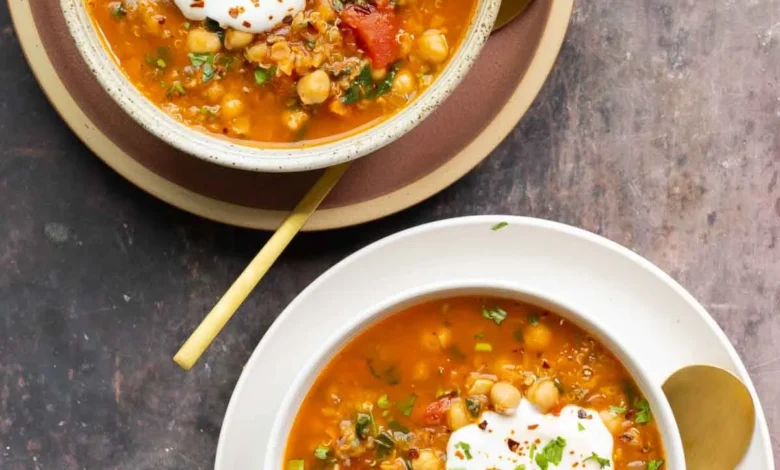
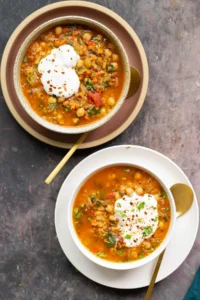
The culinary landscape has increasingly pivoted toward sustainable, plant-based, and budget-conscious dining, a trend that is perhaps best exemplified by the global resurgence of traditional heritage recipes like Moroccan Harira. This iconic North African soup, traditionally associated with the breaking of the fast during Ramadan, has been adapted for modern, time-constrained home cooks. A recent iteration of this dish, featuring a robust blend of chickpeas, red lentils, and quinoa, provides a nutritional profile that meets contemporary dietary standards for fiber and protein while maintaining its historical identity as a cost-effective, pantry-staple meal.
Historical Context and Cultural Significance
Harira is a cornerstone of Moroccan cuisine, traditionally served as a restorative dish. Historically, the soup gained its reputation as a "meal in a bowl" due to its dense concentration of legumes, vegetables, and complex spices. While regional variations of Harira exist across the Maghreb, the fundamental architecture of the dish remains consistent: a base of pulses (chickpeas and lentils) simmered with aromatics such as ginger, cinnamon, and cumin, often finished with a thickening agent or grain.
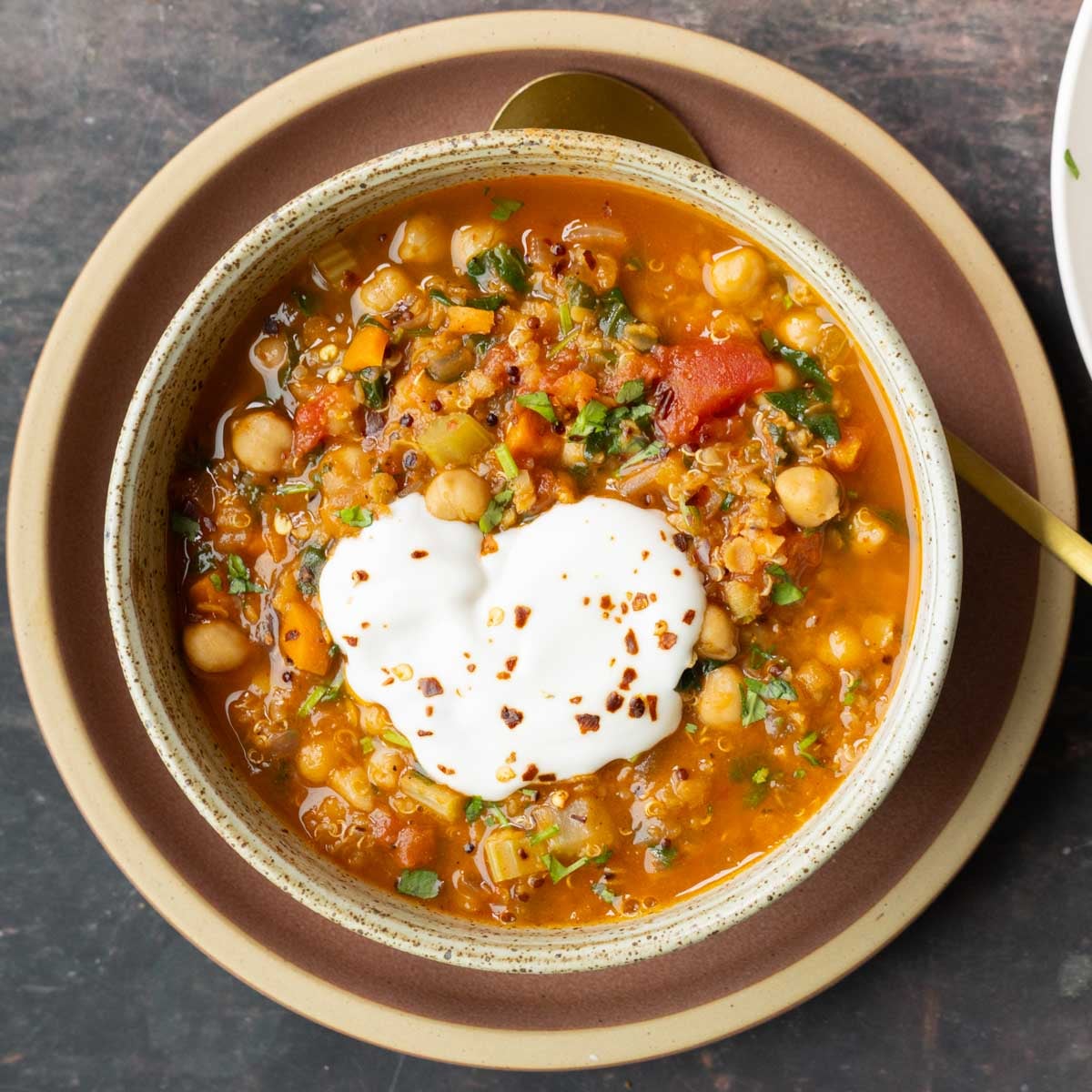
In recent years, the recipe has undergone a transition from a specialized religious or cultural staple to a mainstream health-conscious option. By replacing traditional pasta or flour-based thickeners with protein-rich grains like quinoa, the dish has gained traction among those adhering to gluten-free or health-focused dietary patterns. This adaptation maintains the integrity of the flavor profile—characterized by the warm, earthy notes of cinnamon and the bright acidity of lemon—while significantly elevating the nutritional density of the final product.
Nutritional Profile and Dietary Analysis
The nutritional viability of the dish is a primary driver for its popularity among home cooks and nutritionists alike. A single serving of this plant-based version yields approximately 21 grams of protein and 21 grams of fiber. For a meal that costs an estimated $6.50 to $7.00 for an entire batch, this provides a rare intersection of affordability and macronutrient balance.
The inclusion of red lentils and chickpeas offers a complete spectrum of essential amino acids and micronutrients. Lentils are particularly valued in dietary planning for their high folate, iron, magnesium, and potassium content. When combined with tomatoes—which contribute lycopene and vitamin C—the dish becomes a functional food that supports cardiovascular health and digestive regularity. With only 422 calories per serving, the meal serves as an efficient, energy-dense solution for individuals managing weight or seeking to reduce reliance on processed, pre-packaged convenience foods.
Chronology of Preparation and Efficiency
A critical factor in the widespread adoption of this recipe is the reduction in preparation time. Traditional versions of Harira often require prolonged simmering to develop the depth of flavor associated with long-cooked stews. The modern approach, utilizing red lentils and quinoa, reduces the active and passive cooking time to approximately 30 minutes.
The standard preparation process follows a specific chemical and thermal sequence:
- Aromatic Base: The process begins with the gentle sweating of garlic, onion, celery, and carrots. The use of low heat allows the natural sugars in the vegetables to caramelize without burning, providing the foundation for the soup’s sweetness.
- Spice Activation: The introduction of spices like cumin, ginger, and cinnamon—often alongside tomato paste—requires "toasting" to release the volatile oils trapped within the dried spices.
- Legume Integration: The addition of liquids (stock) and pulses allows for the uniform distribution of heat. The quinoa and red lentils, which cook at comparable rates, act as the binding agent for the soup, absorbing the broth and spices.
- Final Assembly: The addition of leafy greens (spinach or cilantro) and acidic elements (fresh lemon juice) at the end of the cooking process preserves the vibrancy of the vitamins and ensures a bright, balanced finish.
Economic and Sustainability Implications
From an economic perspective, the reliance on shelf-stable ingredients—canned tomatoes, dried legumes, and grains—shields the consumer from the volatility of fresh produce prices. As food inflation remains a concern for global households, the transition toward legume-based proteins has been identified by food security analysts as a viable strategy for reducing household grocery expenditures.
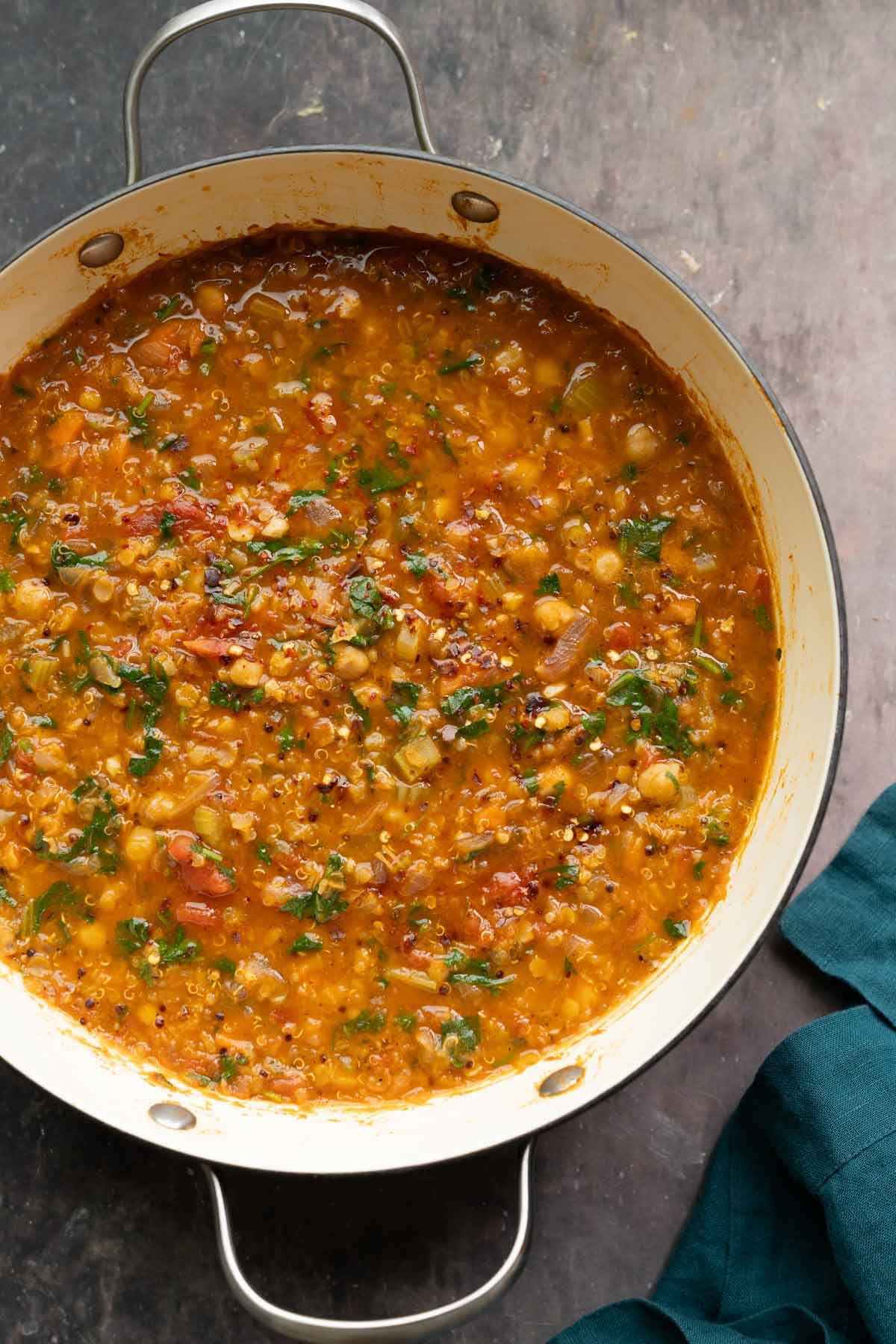
Furthermore, the environmental footprint of this meal is significantly lower than that of animal-protein-based stews. Chickpeas and lentils are nitrogen-fixing crops, meaning they require fewer chemical fertilizers and improve soil health during the cultivation process. By utilizing a "one-pot" cooking method, the recipe also minimizes energy consumption and water usage during cleanup, aligning with broader consumer trends toward zero-waste and sustainable living.
Culinary Versatility and Global Adaptation
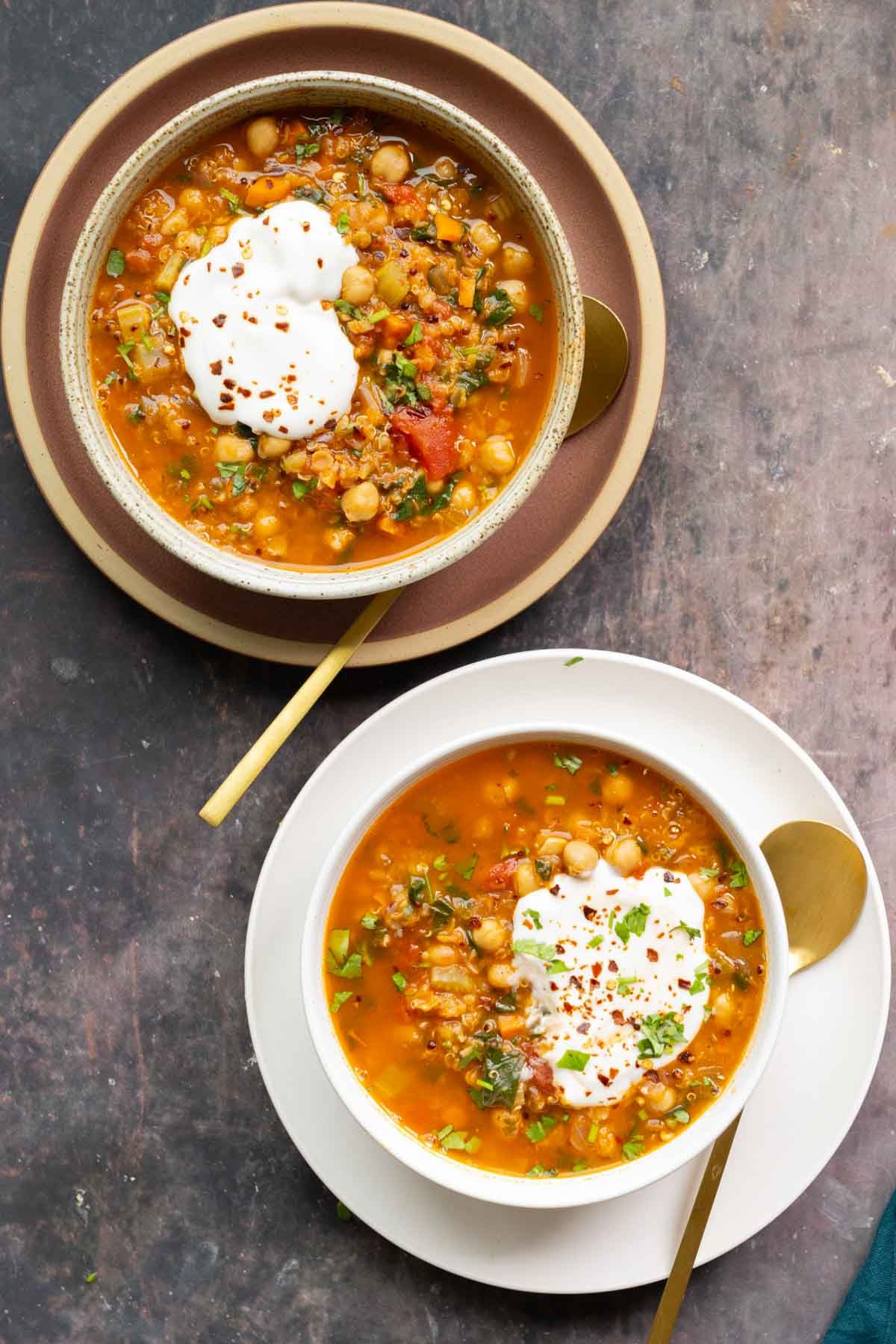
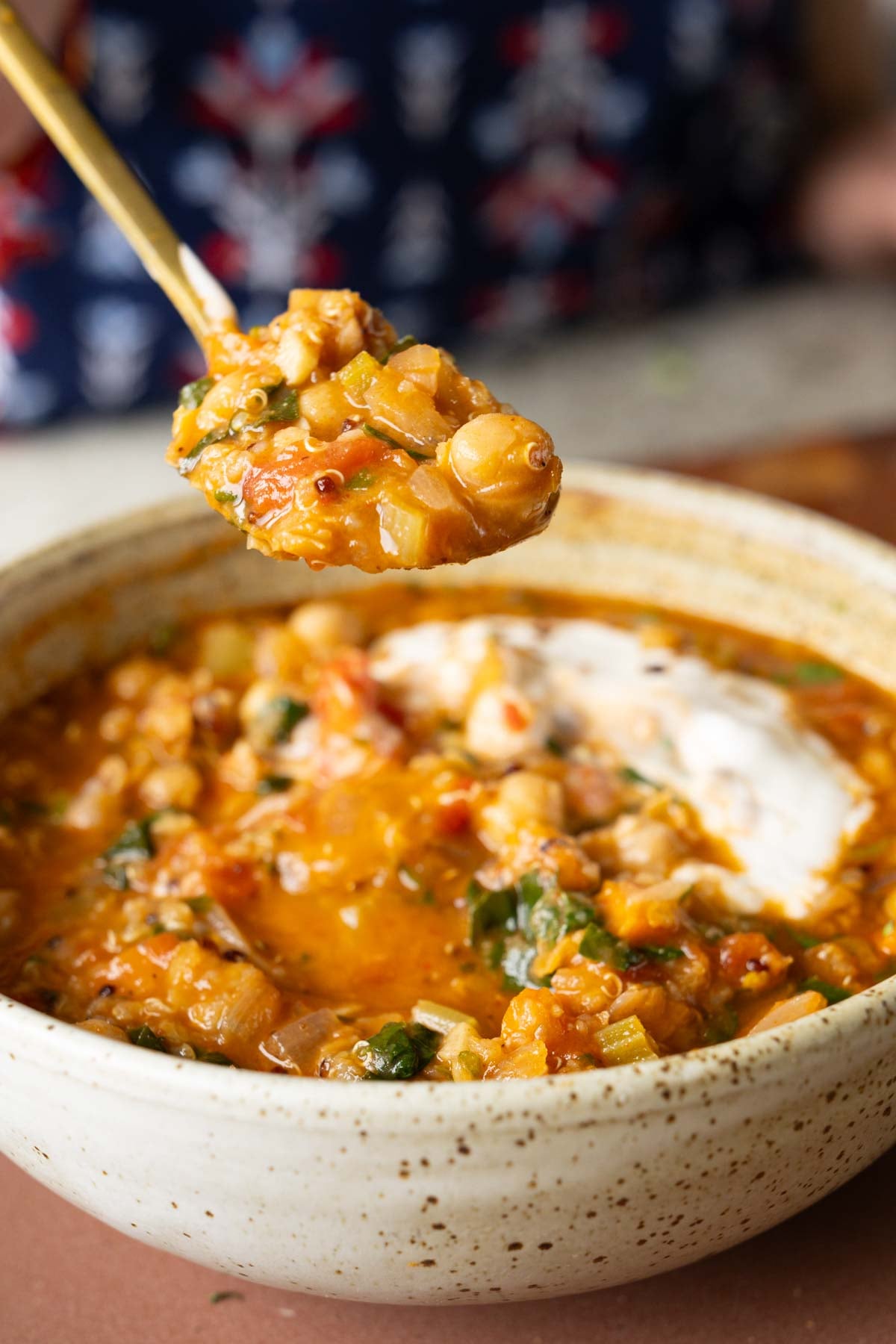
The flexibility of the Harira recipe allows for significant customization based on individual dietary needs. For example, the dish is inherently soy-free and nut-free, provided that the common addition of a yogurt-based topping is handled with caution or substituted with a non-dairy, soy-free alternative. The option to prepare the dish without oil—by dry-toasting the aromatics—further demonstrates the recipe’s compatibility with medical diets focused on heart health or low-fat intake.
Professional chefs and home cooks alike often incorporate regional flavor enhancers, such as Ras el Hanout (a classic North African spice blend) or Baharat, to customize the aromatic intensity. The dish is versatile enough to be served as a standalone entree or as a component of a larger meal, such as a topping for baked potatoes or roasted root vegetables, further increasing its utility in a weekly meal-prep rotation.
Expert Analysis of the "One-Pot" Trend
Food systems experts note that the success of recipes like this modernized Harira is indicative of a broader shift in domestic behavior. The "one-pot" methodology reduces cognitive load, a common barrier to healthy cooking. By streamlining the equipment requirements to a single large saucepan or skillet, the barrier to entry for novice cooks is lowered, and the incentive to prepare home-cooked meals is increased.
Furthermore, the "meal-prep friendly" nature of the soup—which can be stored in the refrigerator for up to four days or frozen for several months—addresses the demand for efficient, high-quality food solutions for working professionals. The ability to reheat the soup without a significant loss in texture or flavor is a key performance indicator for the longevity of such recipes in the modern home kitchen.
Conclusion: A Staple for the Future
The resurgence of Moroccan Harira is not merely a culinary trend but a reflection of the evolving needs of the modern consumer. By balancing deep-rooted cultural heritage with contemporary nutritional science and economic pragmatism, this dish serves as a model for how traditional recipes can be successfully adapted for the 21st century. Whether viewed through the lens of affordability, nutritional density, or environmental sustainability, the humble chickpea and lentil soup remains a vital component of a resilient and healthy dietary framework. As families and individuals continue to seek out meals that provide long-term health benefits without sacrificing flavor or convenience, it is likely that such plant-forward, nutrient-dense staples will continue to occupy a central place in the global kitchen.