
Mushroom Cream Sauce With Shallots

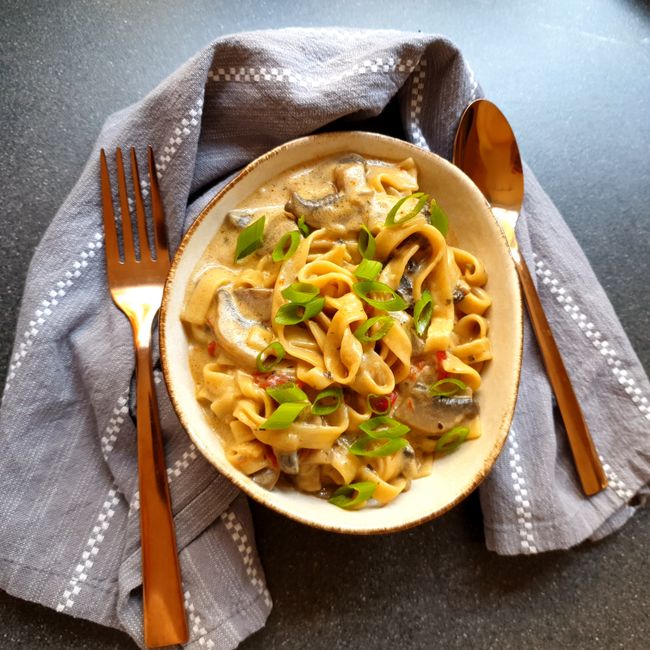
The Ultimate Guide to Mushroom Cream Sauce with Shallots: Flavor, Versatility, and Culinary Mastery
Mushroom cream sauce with shallots stands as a cornerstone of classic European cuisine, celebrated for its rich umami depth, subtle aromatic sweetness, and velvety texture. This versatile sauce transcends mere accompaniment, elevating simple pasta dishes, grilled meats, and delicate poultry to culinary masterpieces. Understanding its core components, mastering its preparation, and exploring its myriad applications unlocks a world of gastronomic possibilities for home cooks and professional chefs alike. The foundational elements of this sauce are straightforward: earthy mushrooms, sweet and mild shallots, rich cream, and a carefully calibrated balance of seasonings. The magic lies in the synergy of these ingredients, transforming humble produce into a luxurious sauce that is both comforting and sophisticated.
The selection of mushrooms is paramount to the success of this sauce. While cremini mushrooms (baby bellas) are a common and excellent choice due to their readily available earthiness and firm texture that holds up well during cooking, exploring a blend of varieties can introduce greater complexity. Shiitake mushrooms offer a more intense, smoky umami profile, while oyster mushrooms contribute a delicate, slightly peppery note. Chanterelles, when in season, lend a subtle apricot aroma and a refined flavor. Even dried porcini mushrooms, rehydrated and their soaking liquid incorporated into the sauce, can provide an unparalleled depth of flavor. The key is to use mushrooms that are fresh, firm, and free from blemishes. Cleaning them gently with a damp cloth or a soft brush is preferable to washing, as mushrooms can absorb excess water, which can lead to a watery sauce. Slicing the mushrooms uniformly ensures even cooking and a pleasing visual appeal.
Shallots, the aromatic backbone of this sauce, offer a more nuanced sweetness and a less pungent bite than onions. Their delicate flavor profile complements the earthy mushrooms without overpowering them. Finely mincing the shallots is crucial, as this allows them to soften and meld seamlessly into the sauce, releasing their sugars and aromatic oils without leaving harsh, raw pieces. The quantity of shallots used can be adjusted to personal preference, but a good starting point is a ratio of roughly one-third shallots to mushrooms by volume. Sautéing the shallots in butter or olive oil over medium-low heat until they are translucent and softened, but not browned, is essential. This gentle cooking process unlocks their inherent sweetness and prevents any bitterness from developing.
The foundation of the cream sauce is, naturally, cream. Heavy cream, with its high fat content (typically 36-40%), is the ideal choice for achieving the signature richness and velvety texture. Its stability at higher temperatures also prevents curdling, a common pitfall when working with dairy. For a slightly lighter sauce, half-and-half can be used, but it will result in a less luxurious consistency. Evaporated milk can also be a substitute, offering a richer flavor and thicker texture than regular milk, but it lacks the full-bodied richness of heavy cream. The amount of cream used will dictate the sauce’s final consistency. A thicker sauce will require more cream and potentially a longer simmering time to reduce, while a looser sauce can be achieved with less cream or by adding a splash of milk or even mushroom broth for thinning.
Butter is an indispensable ingredient, used for sautéing the shallots and mushrooms. Unsalted butter allows for greater control over the final saltiness of the sauce. High-quality butter contributes a subtle richness and helps to create a desirable mouthfeel. Olive oil can be used in conjunction with butter or as a sole fat for sautéing, offering a slightly different flavor profile. A combination of butter and olive oil can provide a balanced richness and a touch of fruity aroma.
The preparation of mushroom cream sauce with shallots typically begins with sautéing the shallots in butter until softened. Then, the sliced mushrooms are added and cooked until they release their moisture and begin to brown. This browning process, known as the Maillard reaction, is critical for developing deep flavor and is where much of the umami character of the sauce originates. Once the mushrooms are well-cooked and slightly caramelized, deglazing with a liquid is often the next step. White wine is a classic choice, adding a bright acidity that cuts through the richness of the cream and introduces a layer of complexity. A dry white wine such as Sauvignon Blanc, Pinot Grigio, or even a dry sherry works beautifully. Alternatively, chicken broth, vegetable broth, or even just water can be used for deglazing, though they will impart less complexity. After deglazing, the cream is added, and the sauce is simmered gently until it thickens to the desired consistency.
Seasoning is where the chef’s intuition truly shines. Salt and freshly ground black pepper are essential. The salt should be added incrementally, tasting as you go, as the reduction process can concentrate the saltiness. Freshly ground black pepper provides a subtle heat and aroma that complements the other ingredients. For an extra layer of savory depth, a pinch of dried thyme or a sprig of fresh thyme can be added during the simmering process. A touch of garlic, minced and sautéed with the shallots, can also enhance the flavor profile, but care must be taken not to overpower the delicate shallot and mushroom notes. A squeeze of fresh lemon juice at the end of cooking can brighten the sauce and balance its richness. A tiny pinch of nutmeg can also add a subtle warmth and complexity.
Mastering the technique of reducing the sauce is crucial. Once the cream has been added and the sauce has reached a simmering point, allowing it to gently bubble and reduce concentrates the flavors and thickens the consistency. This process should be done over low heat to prevent scorching or burning. Stirring frequently helps to ensure even heating and prevent the sauce from sticking to the bottom of the pan. The sauce is ready when it coats the back of a spoon in a smooth, velvety layer.
The versatility of mushroom cream sauce with shallots is its greatest asset. Its applications are vast and varied.
Pasta Dishes: This sauce is a natural partner for pasta. It coats fettuccine, tagliatelle, and pappardelle beautifully, creating a luxurious dish. It can also be tossed with penne, rigatoni, or even gnocchi. For a more indulgent experience, consider adding cooked chicken, shrimp, or even pan-seared scallops to the pasta and sauce. Adding fresh herbs like parsley or chives just before serving adds a pop of color and freshness.
Poultry: Grilled, roasted, or pan-seared chicken breasts or thighs are remarkably enhanced by a generous topping of mushroom cream sauce with shallots. The richness of the sauce complements the lean protein of chicken, creating a satisfying and elegant meal. Duck breast, with its richer fat content, also pairs exceptionally well with this sauce, the acidity of the sauce cutting through the richness of the duck.
Red Meats: Pan-seared steaks, especially tender cuts like filet mignon or ribeye, benefit immensely from this sauce. The earthy, creamy notes provide a sophisticated counterpoint to the robust flavor of beef. Lamb chops or even a perfectly cooked pork tenderloin can also be elevated by its presence.
Seafood: While richer cream sauces are sometimes avoided with delicate fish, this particular sauce, when balanced with acidity, can be a wonderful accompaniment to firm white fish like cod or halibut. Pan-seared salmon also finds a delicious partner in this sauce, the richness of the sauce mirroring the richness of the fish.
Vegetable Dishes: Roasted vegetables, such as asparagus, broccoli, or Brussels sprouts, can be drizzled with this sauce for an added layer of indulgence. It can also be used as a base for a vegetarian gratin or a creamy mushroom risotto.
Side Dish Staple: Beyond being a topping, the sauce itself can act as a rich side dish, served alongside roasted potatoes or polenta.
Garnishes and Enhancements: Freshly chopped parsley, chives, or a sprinkle of grated Parmesan cheese add visual appeal and a burst of freshness. A drizzle of truffle oil can elevate the mushroom flavor to an even more luxurious level, especially when using high-quality truffle oil. A few crispy fried shallots can provide a delightful textural contrast.
Storage and Reheating: Mushroom cream sauce with shallots can be stored in an airtight container in the refrigerator for up to 3-4 days. When reheating, it’s best to do so gently over low heat, stirring constantly. Adding a splash of milk or cream can help to restore its smooth consistency, as the sauce may thicken considerably upon cooling. Avoid overheating, which can cause the sauce to break or become oily.
Troubleshooting Common Issues:
- Watery Sauce: This can occur if mushrooms are washed instead of wiped clean, or if the cream is not reduced sufficiently. Ensure mushrooms are cooked down to release their liquid before adding cream. Simmer longer to reduce.
- Curdled Sauce: This is often due to overheating or adding acidic ingredients too early. Ensure the sauce is kept at a gentle simmer and add acidic elements like lemon juice or wine towards the end of cooking. Using heavy cream with a higher fat content also helps prevent curdling.
- Greasy Sauce: Too much fat (butter or oil) or insufficient emulsification can lead to a greasy sauce. Ensure proper stirring during the cooking process.
In conclusion, mushroom cream sauce with shallots is a fundamental culinary building block. Its preparation, while seemingly simple, requires attention to detail, quality ingredients, and an understanding of flavor development. Its adaptability and the profound depth of flavor it imparts make it an indispensable tool in any chef’s arsenal, transforming ordinary meals into extraordinary experiences and ensuring its enduring popularity in kitchens worldwide. The subtle sweetness of shallots, the earthy depth of mushrooms, and the luxurious embrace of cream create a symphony of flavors and textures that resonates with palates across the globe. Mastering this sauce is a journey into the heart of classic comfort food and refined dining alike.


