
Onion And Pepper Stuffed Meatloaf

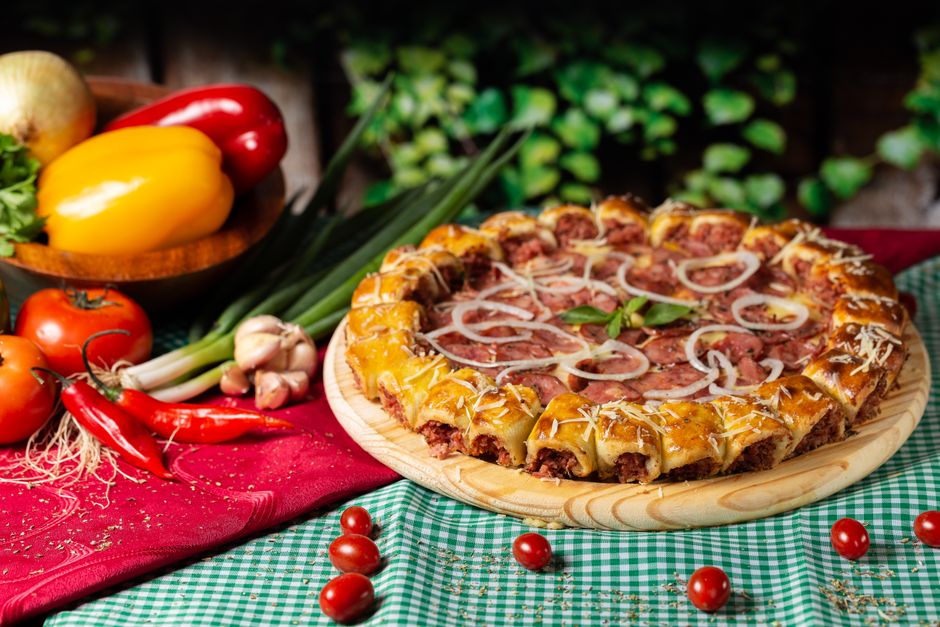
The Ultimate Onion and Pepper Stuffed Meatloaf: A Flavorful and Nutrient-Rich Meal
Meatloaf, a classic comfort food, undergoes a delightful transformation when infused with the vibrant flavors and textures of sautéed onions and bell peppers. This onion and pepper stuffed meatloaf offers a savory and satisfying experience, rich in essential nutrients and adaptable to various dietary preferences. The combination of ground meat, aromatic vegetables, and binding agents creates a cohesive loaf that bakes into a tender, flavorful centerpiece for any meal. Beyond its delicious taste, this dish provides a substantial source of protein, vital for muscle repair and growth, and incorporates the health benefits of onions and peppers, which are packed with vitamins, minerals, and antioxidants. Onions, for instance, are renowned for their potent anti-inflammatory properties and are a good source of vitamin C and B vitamins, while bell peppers deliver a significant boost of vitamin C, vitamin A, and dietary fiber. The overall dish is a balanced approach to a hearty meal, offering complex carbohydrates from breadcrumbs or other binders, healthy fats from the meat, and a spectrum of micronutrients from the vegetables. Its appeal lies not only in its deliciousness but also in its versatility, allowing for numerous variations in seasonings and accompanying dishes, making it a staple for both weeknight dinners and special occasions. Furthermore, the process of preparing stuffed meatloaf is inherently engaging, offering a hands-on culinary experience that culminates in a visually appealing and incredibly rewarding dish. The aroma that fills the kitchen during baking is a testament to the depth of flavor being developed, promising a truly satisfying dining experience.
The core of this exceptional onion and pepper stuffed meatloaf recipe lies in the meticulous selection and preparation of its components. The foundation is typically a blend of ground meats, offering a nuanced flavor profile and desirable texture. While ground beef is a popular choice, a combination of ground beef, pork, and veal creates a more complex and tender loaf. For a leaner option, ground turkey or chicken can be used, though a small amount of added fat, such as olive oil or finely ground bacon, may be necessary to maintain moisture and tenderness. The key to the stuffing lies in the onions and bell peppers. Yellow or sweet onions are ideal for their mild sweetness, while red or green bell peppers offer a slightly different sweet and earthy notes, respectively. Finely dicing these vegetables ensures they soften and meld seamlessly into the meat mixture, distributing their flavor and moisture throughout. Sautéing these vegetables before incorporation is a crucial step. This process caramelizes their natural sugars, intensifying their sweetness and developing a richer, more complex flavor that permeates the entire meatloaf. It also softens the vegetables, preventing any unpleasant crunchiness and ensuring a homogenous texture. The binding agents are equally important for holding the meatloaf together and contributing to its moistness. Traditionally, breadcrumbs, either plain or seasoned, are used. Panko breadcrumbs offer a lighter, crispier texture, while regular breadcrumbs provide a softer bind. Soaking the breadcrumbs in milk or broth before adding them to the meat mixture contributes significantly to the loaf’s tenderness and prevents it from becoming dry. Eggs serve as another essential binder, providing structure and richness. A generous amount of seasoning is paramount to elevate the humble meatloaf to culinary excellence. Salt and freshly ground black pepper form the base, but Worcestershire sauce adds a depth of umami, while garlic powder, onion powder, and dried herbs like thyme, oregano, or parsley contribute aromatic complexity. Dijon mustard or ketchup can be incorporated directly into the meat mixture for an added layer of tang and sweetness.
The method for creating this layered culinary masterpiece begins with the crucial step of preparing the aromatic vegetable stuffing. In a large skillet, heat a tablespoon of olive oil or butter over medium heat. Add finely diced yellow or sweet onions and sauté until they are softened and translucent, approximately 5-7 minutes. Introduce finely diced bell peppers (any color combination will work, such as red and green for visual appeal and complementary flavors) to the skillet. Continue to sauté until the peppers are tender-crisp, another 5-7 minutes. Season the vegetables with a pinch of salt and freshly ground black pepper during this process to draw out their moisture and enhance their flavors. Once softened, remove the vegetables from the skillet and set them aside to cool slightly.
Simultaneously, prepare the meat mixture, which will form the outer shell and base of the stuffed meatloaf. In a large mixing bowl, combine the ground meat(s) of your choice. Add the soaked breadcrumbs (drain any excess liquid if using a very wet soaking medium), beaten eggs, minced garlic (or garlic powder), onion powder, dried herbs, Worcestershire sauce, and any other desired seasonings like dried mustard or a tablespoon of ketchup. Gently but thoroughly mix all the ingredients until they are just combined. Overmixing can lead to a tough meatloaf, so aim for a uniform distribution of ingredients without excessive manipulation of the meat.
The assembly process is where the "stuffed" aspect truly shines. Take half of the meat mixture and press it evenly into the bottom and up the sides of a lightly greased loaf pan or a baking sheet lined with parchment paper, forming a hollow well in the center. This creates the base and walls of your meatloaf. Next, carefully spoon the cooled sautéed onion and pepper mixture into the well created by the meat mixture. Ensure the vegetables are distributed evenly for consistent flavor in every slice.
Finally, take the remaining half of the meat mixture and gently spread it over the top of the vegetable filling, sealing the stuffing within the meatloaf. Press the edges together to ensure the stuffing is completely enclosed. This sealing is crucial to prevent the filling from escaping during the baking process and to maintain the integrity of the loaf. Smooth the top of the meatloaf with your hands or a spatula to create an even surface.
For an appealing glaze that adds both flavor and moisture, prepare a simple topping. In a small bowl, whisk together ketchup, a touch of brown sugar or maple syrup for sweetness, and a dash of Worcestershire sauce or apple cider vinegar for tang. Generously brush or spread this glaze over the top and sides of the assembled meatloaf. This glaze will caramelize during baking, creating a beautiful, glossy finish and an extra layer of deliciousness.
Preheat your oven to 375°F (190°C). Place the prepared meatloaf, whether in a loaf pan or on a baking sheet, into the preheated oven. The baking time will typically range from 50 to 70 minutes, depending on the size and thickness of the meatloaf. The meatloaf is done when it reaches an internal temperature of 160°F (71°C) for beef, pork, or veal, or 165°F (74°C) for poultry. Using an instant-read meat thermometer is the most reliable way to ensure it is cooked through and safe to eat. During the last 15-20 minutes of baking, you can optionally brush on another layer of the glaze to further enhance its color and flavor.
Once baked to perfection, carefully remove the meatloaf from the oven. It’s imperative to let the meatloaf rest for at least 10-15 minutes before slicing. This resting period allows the juices to redistribute throughout the loaf, resulting in a more tender and moist final product. Skipping this step can lead to a drier meatloaf with juices running out when cut. After resting, slice the meatloaf into thick portions using a sharp knife. The beautifully cooked interior, showcasing the vibrant colors of the onion and pepper stuffing nestled within the savory meat, is a testament to the effort.
The nutritional profile of onion and pepper stuffed meatloaf is remarkably robust. As a primary protein source, it contributes to satiety, muscle maintenance, and various metabolic functions. The protein content varies depending on the type of meat used; for instance, 4 ounces of cooked lean ground beef contains approximately 23 grams of protein. Ground turkey or chicken can offer slightly lower protein but are often leaner. The vegetables, onions and bell peppers, are low in calories but high in micronutrients. One cup of chopped bell peppers provides over 200% of the daily recommended intake of vitamin C and a good amount of vitamin A. Onions, while used in smaller quantities, contribute to the intake of sulfur compounds, which have been studied for their potential health benefits, including antioxidant and anti-inflammatory properties. Dietary fiber is also present, primarily from the vegetables and any whole-grain breadcrumbs used. Fiber aids in digestion and can contribute to feelings of fullness, supporting weight management. The fat content will depend heavily on the leanness of the meat chosen. Opting for leaner ground meats (e.g., 90% lean ground beef or leaner turkey/chicken) can significantly reduce saturated fat intake. The use of olive oil for sautéing vegetables adds healthy monounsaturated fats. Carbohydrates are mainly derived from the breadcrumbs or other binders used. Whole-wheat breadcrumbs will offer a more complex carbohydrate profile and additional fiber compared to refined white breadcrumbs. The presence of sodium can vary based on added salt and the type of Worcestershire sauce or other seasoned ingredients used; individuals managing sodium intake should be mindful of these components. Overall, this dish offers a balanced macro- and micronutrient profile, making it a nutritious choice when prepared with mindful ingredient selection.
The versatility of this onion and pepper stuffed meatloaf is one of its most appealing attributes, allowing for numerous variations to suit different palates and dietary needs. For a spicier kick, incorporate finely diced jalapeños or a pinch of red pepper flakes into the vegetable stuffing. The addition of mushrooms to the sautéed vegetables introduces an earthy depth of flavor and additional nutrients. For a more herbaceous profile, experiment with fresh herbs like chopped rosemary or sage, either mixed into the meat or finely chopped and added to the stuffing. Cheese lovers can incorporate shredded cheddar, Monterey Jack, or mozzarella into the vegetable filling for a gooey, melted surprise within each slice. For those seeking a gluten-free option, substitute the breadcrumbs with gluten-free breadcrumbs, finely ground almond flour, or even cooked quinoa as a binder. Plant-based eaters can adapt this recipe by using a blend of plant-based ground "meat" alternatives, ensuring they have adequate binding agents and flavor enhancers. The glaze can also be customized; a barbecue sauce-based glaze offers a smoky sweetness, while a balsamic glaze provides a tangy richness. Accompanying this stuffed meatloaf opens up a world of culinary possibilities. Classic pairings include creamy mashed potatoes, roasted root vegetables, steamed green beans, or a fresh garden salad. A robust gravy made from the pan drippings can elevate the dish further. The leftover meatloaf is equally versatile, transforming into delicious meatloaf sandwiches, crumbled into pasta sauces, or even incorporated into shepherd’s pie filling. This adaptability ensures that the onion and pepper stuffed meatloaf remains a dynamic and satisfying dish, capable of being enjoyed in countless ways, catering to diverse tastes and culinary adventures.
When considering the health implications and benefits of consuming onion and pepper stuffed meatloaf, it’s important to acknowledge both its positive contributions and potential areas for moderation. The protein provided by the meat is fundamental for bodily functions, including muscle synthesis, enzyme production, and immune system support. Including bell peppers introduces a significant amount of Vitamin C, a powerful antioxidant that aids in collagen production, wound healing, and bolstering the immune system. Vitamin C also enhances iron absorption from plant-based foods, making it a valuable nutrient for individuals at risk of iron deficiency. Onions contain organosulfur compounds, which have been researched for their potential anti-cancer properties and ability to reduce inflammation. They also provide a source of quercetin, a flavonoid with antioxidant and anti-inflammatory effects. The fiber from the vegetables and any whole-grain binders contributes to digestive health, promotes satiety, and can help regulate blood sugar levels. For individuals managing their weight, the protein and fiber content can be beneficial for feeling full and reducing overall calorie intake. However, the fat content, particularly saturated fat, can be a concern if lean meats are not chosen. Excessive consumption of saturated fat is linked to an increased risk of cardiovascular disease. Therefore, selecting leaner cuts of meat (e.g., 90% lean or higher) is recommended. The sodium content can be elevated due to added salt, Worcestershire sauce, and other seasonings. High sodium intake is associated with an increased risk of high blood pressure, heart disease, and stroke. Reducing added salt and choosing low-sodium versions of condiments can help mitigate this. When preparing the dish, the cooking method, primarily baking, is a healthier alternative to frying, minimizing added fats. The nutritional value can be further enhanced by incorporating a wider variety of vegetables into the stuffing, such as spinach, zucchini, or carrots, to boost the micronutrient and fiber profile. The overall healthfulness of this dish is highly dependent on the choices made during ingredient selection and preparation. With mindful choices, onion and pepper stuffed meatloaf can be a nutritious and delicious part of a balanced diet.


