
Out Of This World Turkey Brine

Out of This World Turkey Brine: The Ultimate Guide to Gravy-Worthy Gobblers
Achieving a supremely moist, flavorful, and tender turkey is the holy grail of holiday cooking. While oven roasting is a classic, its success hinges on a critical pre-treatment: brining. This article will delve deep into the science and art of crafting an "out of this world" turkey brine, exploring the fundamental principles, essential ingredients, and advanced techniques that elevate a standard bird to culinary stardom. We’ll cover everything from the ideal brine ratio to troubleshooting common issues, ensuring your turkey is the undisputed centerpiece of your feast. This comprehensive guide is designed for home cooks seeking to master the art of brining and impress their guests with unparalleled turkey perfection.
The core purpose of brining a turkey is twofold: moisture retention and flavor infusion. When a turkey is submerged in a saltwater solution, a process called osmosis occurs. The salt in the brine draws moisture out of the turkey’s muscle cells. However, as the salt concentration inside the cells increases, the cells begin to absorb water from the surrounding brine, effectively plumping the meat. This increased water content makes the turkey significantly more forgiving during the high-heat cooking process. Even if the white meat edges on the breast get a little too hot, they will still retain a considerable amount of moisture, preventing that dry, chalky texture. Beyond moisture, the salt also denatures some of the muscle proteins, breaking them down and tenderizing the meat. This subtle protein breakdown contributes to a more succulent and palatable final product.
The fundamental components of any turkey brine are water and salt. The ratio of these two ingredients is paramount. A common starting point for a wet brine is a 1-gallon (approximately 3.8 liters) of water to 1 cup (approximately 200 grams) of kosher salt ratio. It’s crucial to use kosher salt, not table salt. Table salt is iodized and contains anti-caking agents that can impart an off-flavor and cloudy appearance to the brine. Kosher salt’s flakey texture also dissolves more readily and evenly in water. For larger turkeys or those needing extra assurance of moistness, you can increase the salt content slightly to 1 ¼ cups per gallon, but exceeding this can lead to an overly salty bird. It’s also vital to ensure the brine is completely cooled before adding the turkey. Hot brine will cook the bird’s exterior, compromising its texture and potentially creating a food safety hazard.
Sugar is another common and highly beneficial ingredient in turkey brine. It complements the salt by enhancing browning and contributing a subtle sweetness that balances the savory notes. A typical addition is ½ cup (approximately 100 grams) of granulated sugar per gallon of water. Brown sugar can also be used for a richer, more complex caramelization, but be mindful that its molasses content can sometimes lead to darker, potentially burnt spots if not monitored closely. Honey is another excellent sweetener, offering a distinct floral aroma and deep flavor, but it’s stickier and can be more challenging to dissolve fully. Regardless of the sugar of choice, it should also be dissolved completely in the warm water before cooling the brine.
Beyond the foundational salt, water, and sugar, the realm of flavor enhancement in turkey brine is where true "out of this world" potential lies. Aromatics are key to infusing the bird with complex and delightful tastes. Consider incorporating a medley of fresh herbs like rosemary, thyme, sage, and bay leaves. Bruising or lightly crushing these herbs before adding them to the brine releases their essential oils, maximizing flavor extraction. Whole peppercorns, crushed garlic cloves, and sliced onions are also excellent additions. For a touch of citrus, consider adding strips of lemon or orange peel. The zest contains fragrant oils that permeate the meat. Experiment with spices such as mustard seeds, coriander seeds, and even a pinch of red pepper flakes for a subtle warmth. The key is to use whole spices, as ground spices can create sediment and an undesirable gritty texture in the brine.
When it comes to the cooking liquid, plain water is perfectly acceptable, but upgrading can further elevate your brine. Consider using low-sodium chicken or turkey broth as the base liquid. This adds an immediate layer of savory depth that plain water cannot replicate. For an even more sophisticated flavor profile, you can use a combination of broth and water. Some adventurous cooks even opt for apple cider or pear juice, which introduce a pleasant fruitiness that pairs exceptionally well with turkey. These natural sugars also contribute to browning and can add a nuanced sweetness.
The duration of brining is as critical as the ingredients themselves. For a whole turkey, an immersion time of 12 to 24 hours in the refrigerator is generally recommended. Smaller birds, like a turkey breast or Cornish hens, require less time, typically 4 to 8 hours. Over-brining can lead to a mushy texture, as the salt continues to break down the muscle proteins excessively. It’s also crucial to maintain a consistent, safe temperature throughout the brining process. The turkey and brine should always be refrigerated at or below 40°F (4°C). This prevents the growth of harmful bacteria. If your refrigerator is not large enough to accommodate the brined turkey, consider using a well-insulated cooler filled with ice packs, ensuring the ice is replenished regularly to maintain a safe temperature.
Dry brining is an alternative to wet brining that offers distinct advantages, particularly for achieving crispy skin. Instead of submerging the turkey in liquid, a salt-sugar mixture (often with herbs and spices) is generously rubbed all over the bird. The salt then draws moisture from the surface of the skin, which is then reabsorbed, seasoning the meat from the inside out. The key difference is that in dry brining, the surface moisture evaporates, leading to a drier skin that crisper up beautifully in the oven. The ratio for a dry brine is typically around 1 tablespoon of kosher salt per pound of turkey. This mixture is applied both under and over the skin, and the turkey is then refrigerated, uncovered, for 1 to 3 days, depending on the size of the bird. While dry brining doesn’t inject as much moisture into the meat as wet brining, the concentration of salt and the prolonged contact time result in remarkably well-seasoned and tender meat, along with unparalleled crispy skin.
For those seeking advanced brining techniques, consider the concept of "brine infusion." This involves injecting flavorful liquids directly into the turkey’s thickest muscle groups using a food-grade syringe. While not a traditional brine, it achieves a similar goal of adding moisture and flavor deep within the bird. You can inject melted butter, broth, or even a mixture of both, seasoned with herbs and spices. This method is particularly useful for very large turkeys or for cooks who want an extra layer of assurance against dryness.
Troubleshooting common brining issues is essential for consistently delicious results. The most frequent problem is an overly salty turkey. This can happen if the brine ratio is too high, or if the turkey is brined for too long. If you find your turkey is too salty, rinsing it thoroughly under cold water before cooking can help wash away some of the excess surface salt. You can also try to dilute the saltiness during gravy making by using unsalted broth or water. Another issue is an unevenly seasoned bird. This can occur if the turkey is not fully submerged in a wet brine or if the dry brine mixture is not applied evenly. Ensure your vessel is large enough to completely cover the turkey in a wet brine and that all surfaces are generously coated in a dry brine.
The type of salt used can also impact the final flavor. As mentioned, kosher salt is the preferred choice for its clean taste and ease of dissolution. However, sea salt, especially fine sea salt, can also be used. If using fine sea salt, you may need to adjust the quantity as it is more densely packed than kosher salt. Always err on the side of less salt and adjust upwards if needed.
Beyond the standard brine, there are numerous creative flavor profiles to explore. Consider a "spicy jalapeño brine" with whole jalapeños, garlic, and a touch of cayenne pepper. A "maple bourbon brine" can incorporate maple syrup and a splash of bourbon for a sweet and boozy infusion. For a smoky flavor, add a few chipotle peppers in adobo sauce to your brine. The possibilities are truly endless, limited only by your culinary imagination. Always remember to taste your brine before adding the turkey to gauge the saltiness and flavor intensity.
The choice of container for brining is also important. For wet brining, a food-grade plastic bucket, a large stockpot, or a brining bag are all suitable options. Ensure the container is large enough to fully submerge the turkey without it touching the sides. For dry brining, a rimmed baking sheet or a roasting pan with a rack is ideal for allowing air circulation.
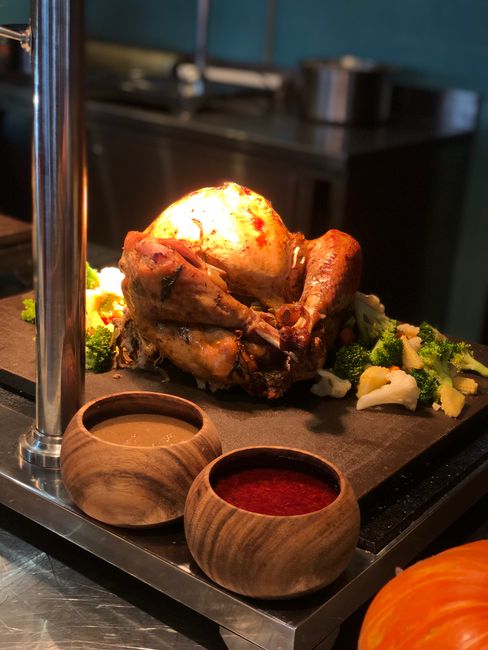
When it comes to the final cooked turkey, the brining process will have a noticeable impact on its texture and flavor. The meat will be noticeably more succulent, with a more even distribution of moisture throughout. The flavor will be deeper and more complex, with the aromatics and seasonings having permeated the flesh. The skin, especially with dry brining, will be crisper and more golden brown.
In conclusion, mastering the art of turkey brining is a game-changer for holiday cooking. Whether you opt for a classic wet brine, a crispy-skinned dry brine, or explore innovative flavor combinations, the principles remain the same: proper salt-to-liquid ratios, effective flavor infusion, and precise temperature control. By understanding the science behind brining and experimenting with different ingredients and techniques, you can consistently produce an "out of this world" turkey that will delight your guests and solidify your reputation as a culinary wizard. This comprehensive approach ensures that your turkey is not just a meal, but a truly memorable experience.


