The internet’s culinary landscape is constantly evolving, with new food trends emerging at a rapid pace. One of the latest sensations to capture the attention of home cooks and food enthusiasts alike is the "smash taco." This innovative dish, which transforms the traditional taco into a crispy, flavor-packed delight, has been making waves across social media platforms and food blogs. Among the most popular iterations is the Chicken Smash Taco, celebrated for its speed, ease of preparation, and vibrant Mexican-inspired flavors.
What Exactly is a Smashed Taco?
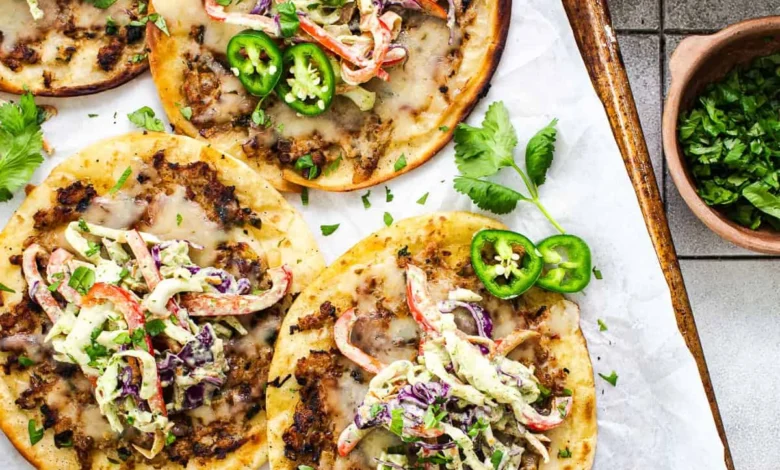
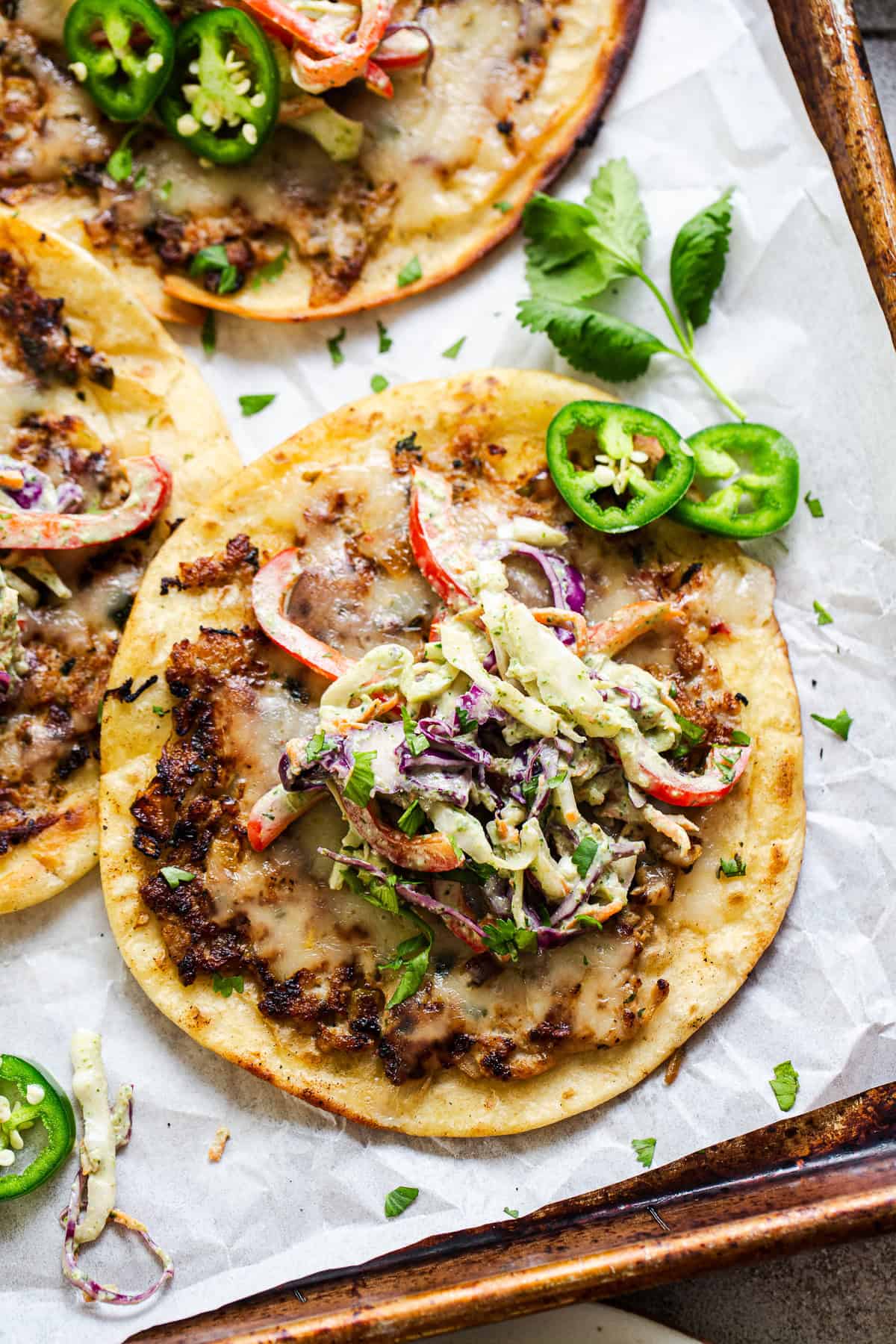
At its core, the smashed taco is a clever inversion of the conventional taco-making process. Instead of preparing the filling separately and then placing it into a tortilla, the smashed taco involves pressing a thin layer of seasoned ground meat directly onto a flour tortilla. This assembly is then cooked on a hot skillet or griddle, allowing the meat to sear and crisp up against the tortilla. The result is a unique textural contrast: a golden, crispy crust on one side, reminiscent of a smash burger, while the other side remains a warm, pliable tortilla. This method not only enhances the crispiness but also infuses the tortilla with the savory notes of the seasoned meat.
The Rise of the Chicken Smash Taco
The surge in popularity of smash tacos can be attributed to their visual appeal, which is highly shareable on social media, and their inherent deliciousness. The Chicken Smash Taco, in particular, offers a lighter yet equally flavorful alternative to more traditional beef or pork versions. Developed by culinary blogger Isabel Orozco Moore, this recipe aims to elevate the smash taco experience by moving beyond conventional taco seasoning packets.
Moore’s approach involves creating a quick sofrito – a flavor base made from sautéed onions, jalapeños, garlic, cilantro, and toasted spices. This aromatic mixture is then incorporated directly into the ground chicken, adding a depth of flavor that sets it apart. The recipe also features a remarkably swift cilantro-lime slaw, which takes mere minutes to prepare and provides a crucial element of crunch and brightness. This slaw, with its zesty profile, has become a coveted accompaniment, with many users expressing a desire to use it on various dishes.
The appeal of this particular recipe lies in its accessibility for weeknight meals. With a total preparation and cooking time of approximately 35 minutes, it fits seamlessly into busy schedules, making it an ideal candidate for repeat appearances on the dinner table. This efficiency, combined with its satisfying taste and texture, has cemented its status as a go-to recipe for many.
Key Ingredients and Preparation
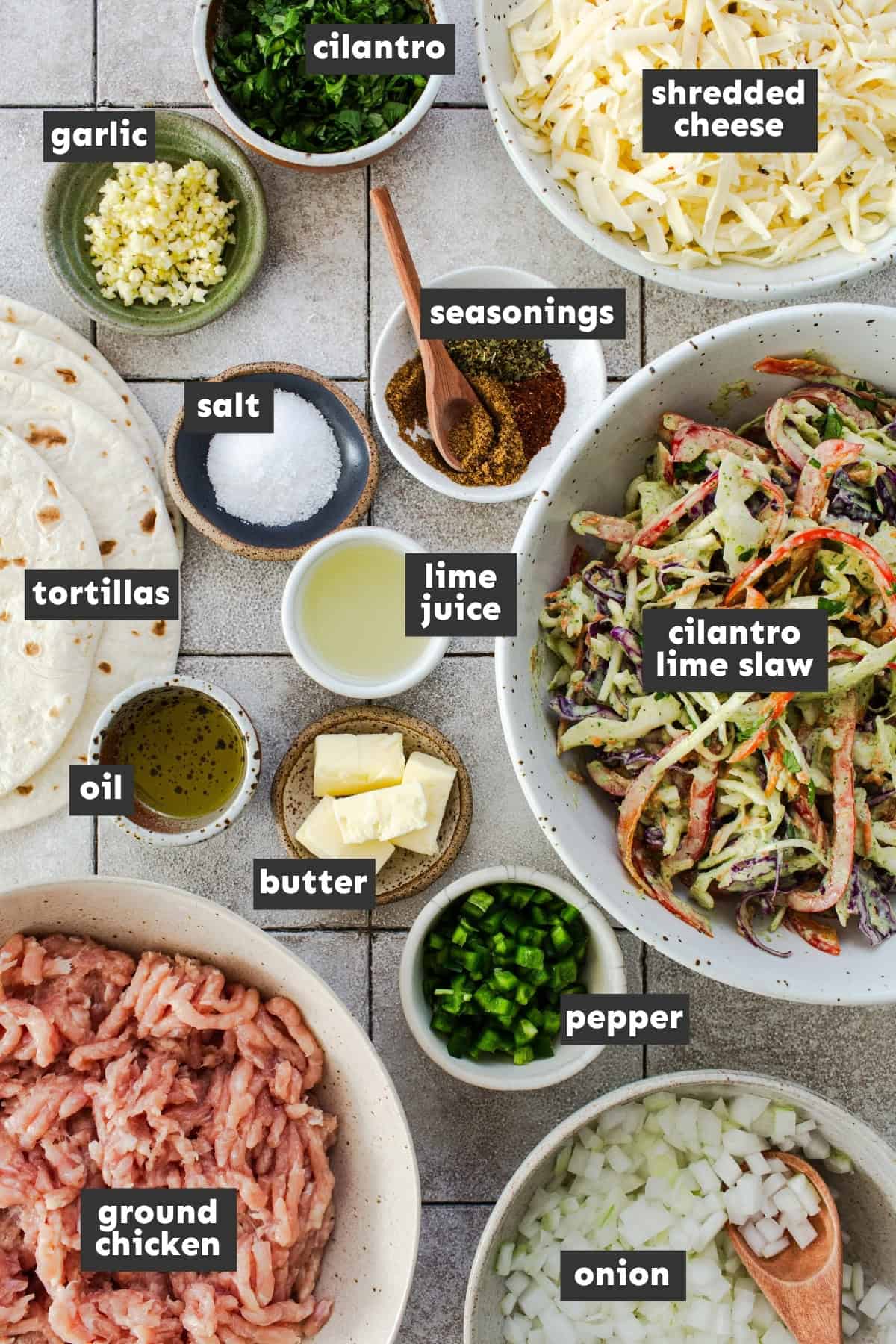
Creating these delectable Chicken Smash Tacos involves a few key components, each contributing to the final flavor profile and texture:
-
For the Chicken Smash Tacos:
- Ground chicken: The lean protein base, offering a lighter alternative.
- Onion and jalapeño: Form the foundation of the sofrito, providing aromatic depth and a hint of heat.
- Garlic and cilantro: Essential aromatics that enhance the freshness and complexity of the chicken mixture.
- Toasted spices: A blend of cumin, chili powder, and other spices, toasted to unlock their full flavor potential.
- Lime juice and salt: To season and brighten the chicken mixture.
- Flour tortillas: The vessel for the smash taco, providing a pliable base that crisps up beautifully.
- Butter: Used for cooking the tacos, contributing to their golden-brown crispiness.
- Pepper Jack cheese: Melts beautifully, adding a creamy, slightly spicy element to the cooked taco.
-
For the Cilantro-Lime Slaw:

- Greek yogurt or sour cream: Provides a creamy base for the slaw dressing.
- Cilantro and lime juice: The stars of the slaw, delivering freshness and a tangy zest.
- Garlic and jalapeño: Add a subtle kick and aromatic complexity to the dressing.
- Honey: Balances the acidity of the lime with a touch of sweetness.
- Cumin and salt: To season the dressing and tie the flavors together.
- Coleslaw mix and thinly sliced bell pepper: Provide essential crunch and visual appeal to the slaw.
Step-by-Step Culinary Innovation
The process of making Chicken Smash Tacos is designed for efficiency and maximum flavor impact.
-
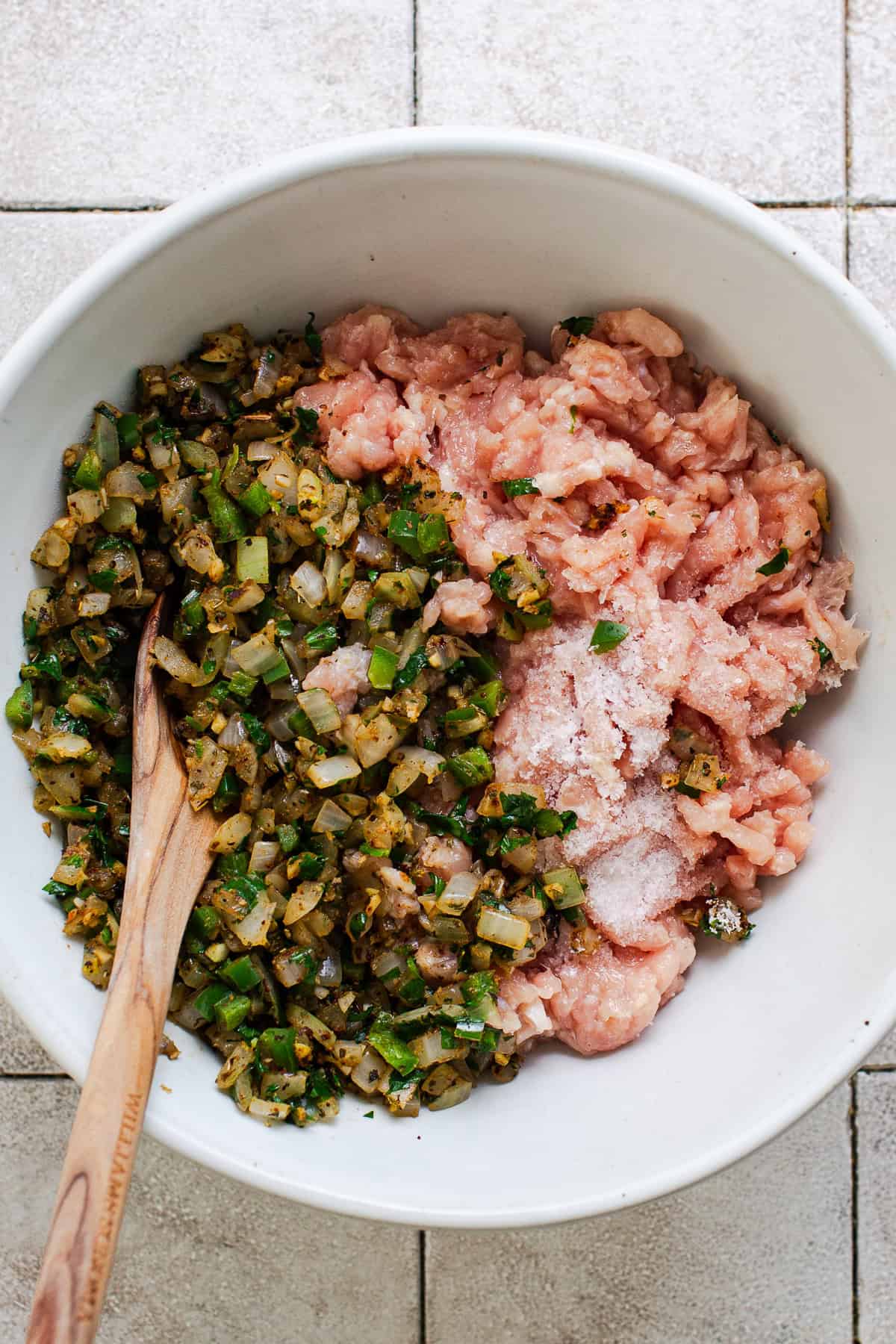
Building the Flavor Base: The journey begins with the sofrito. Finely chopped onion and jalapeño are sautéed until softened, releasing their aromatic compounds. Minced garlic, fresh cilantro, and toasted spices are then added, cooked briefly to toast the spices and deepen their flavor. This fragrant mixture is then combined with the ground chicken, lime juice, and salt, ensuring an even distribution of the seasoned flavor throughout the meat.
-
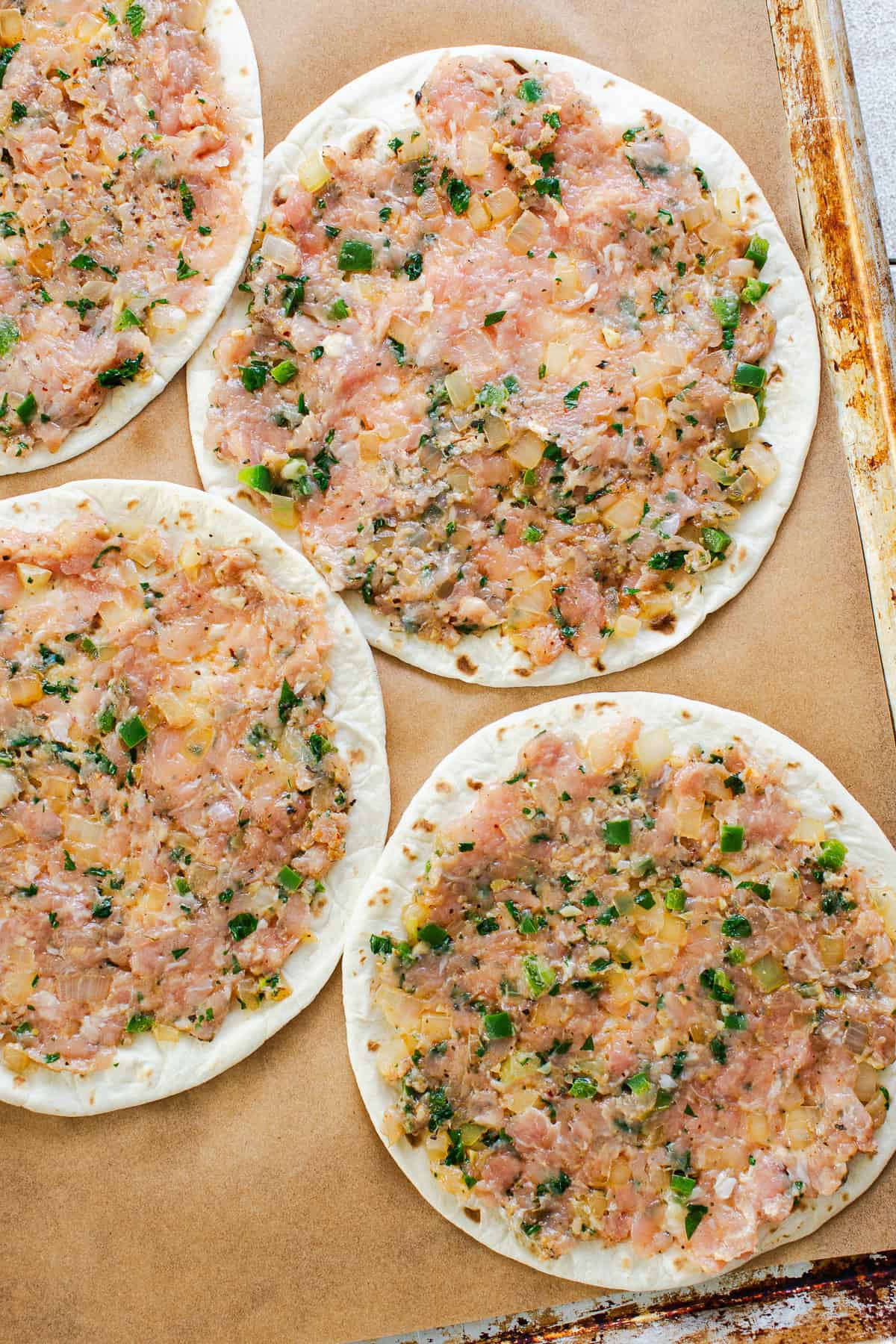
The Art of the Thin Spread: The key to achieving the signature crispiness of a smash taco lies in the thickness of the meat layer. Approximately two to three tablespoons of the seasoned chicken mixture are spread thinly and evenly across each flour tortilla, extending all the way to the edges. This thin application ensures that the meat will cook quickly and achieve a satisfying crisp.
-
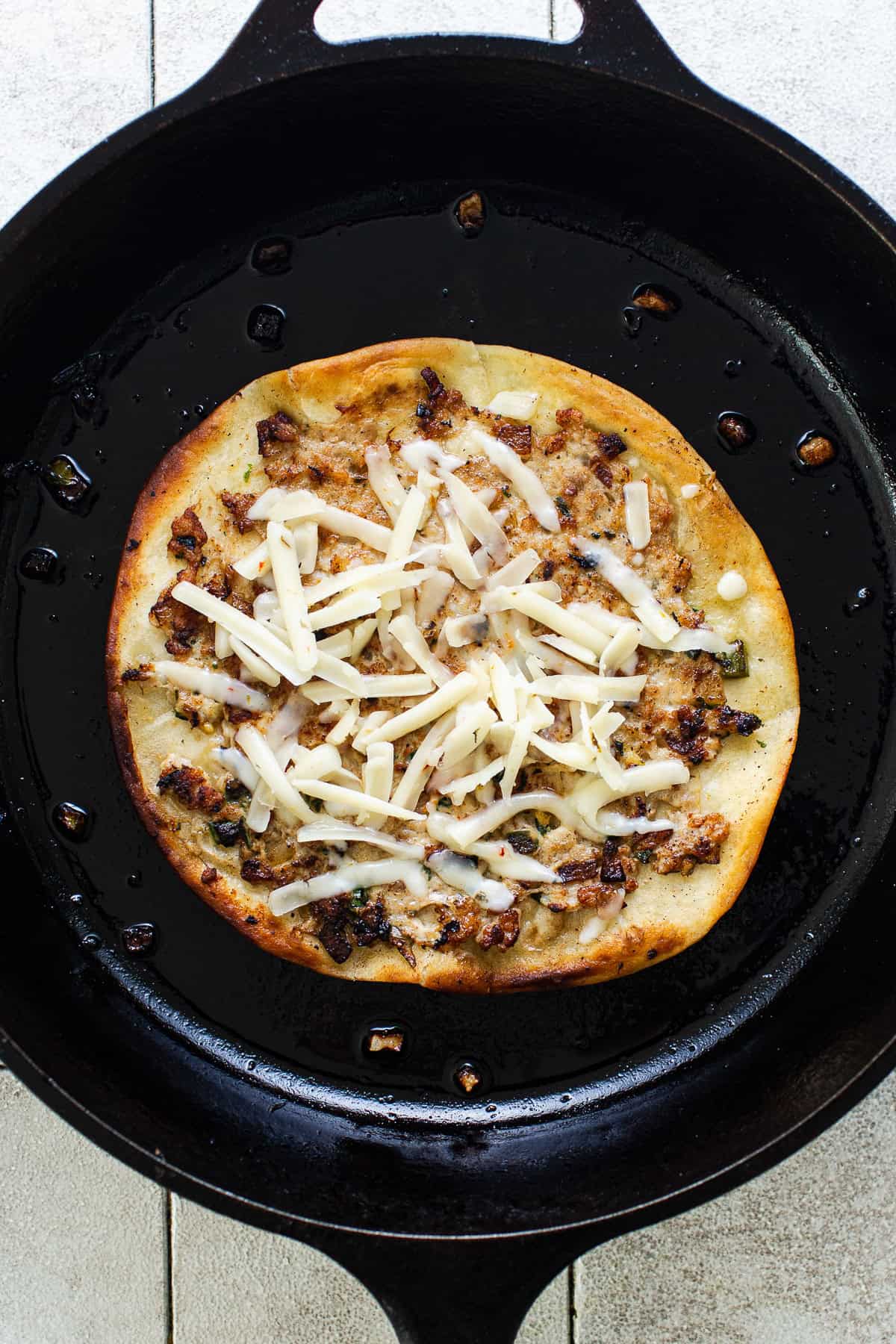
The Smash and Sear Technique: With the chicken spread, the tortillas are ready for their transformative cooking process. Each tortilla is placed, chicken-side down, into a buttered skillet over medium heat. The crucial "smash" happens now: a spatula is used to firmly press the tortilla flat against the skillet, maximizing contact and promoting even searing. This cooking stage typically lasts three to five minutes, allowing the chicken to achieve a golden-brown, crispy exterior.
-
The Flip and Melt: Once the first side is perfectly crisp, the taco is carefully flipped. Immediately after flipping, a generous sprinkle of Pepper Jack cheese is added to the cooked side. The skillet’s residual heat and the continued cooking process will melt the cheese into a gooey, irresistible layer. The taco is cooked for an additional period until the cheese is fully melted and the tortilla achieves its desired crispness.
-
Crafting the Refreshing Slaw: While the tacos are cooking, the vibrant cilantro-lime slaw can be quickly assembled. A creamy dressing is made by blending Greek yogurt (or sour cream), fresh cilantro, lime juice, garlic, jalapeño, honey, cumin, and salt until smooth. This zesty dressing is then tossed with a pre-made coleslaw mix and thinly sliced bell pepper, creating a refreshing counterpoint to the rich, crispy tacos.
-
The Grand Finale: The freshly cooked, cheesy smash tacos are immediately topped with a generous portion of the cilantro-lime slaw. Served hot and fresh, these tacos offer a symphony of textures and flavors – the satisfying crunch of the crispy tortilla and meat, the gooey melt of the cheese, and the bright, zesty crunch of the slaw.
Tips for Culinary Excellence
To ensure the best possible outcome when preparing Chicken Smash Tacos, several tips can be followed:
- Thin is Key: Emphasizing the thinness of the chicken spread is paramount. A thicker layer will result in a less crispy taco and may not cook through evenly.
- The Right Heat: Medium heat is crucial for achieving the perfect crisp without burning the tortilla. Too high heat can scorch the tortilla before the chicken cooks, while too low heat will not render the fat and create the desired crispness.
- Don’t Overcrowd the Pan: Cook the tacos in batches to avoid lowering the pan temperature too drastically, which can lead to soggy tacos.
- Freshness Matters: The cilantro-lime slaw is best made just before serving to maintain its crispness and vibrant flavor.
- Customization is Encouraged: While the recipe provides a solid foundation, variations can be explored. Adjusting the spice levels by modifying the amount of jalapeño or experimenting with different cheeses can tailor the tacos to individual preferences.
Variations and Culinary Exploration
The versatility of the smash taco method opens doors to numerous creative variations. Once the basic technique is mastered, home cooks can explore a wide array of flavor profiles:
- Spicy Chorizo Smash Tacos: Substitute ground chicken with seasoned chorizo for a bold, spicy flavor.
- Smoked Paprika Shrimp Smash Tacos: Finely chop cooked shrimp and season with smoked paprika, garlic, and lime for a seafood twist.
- Black Bean and Corn Smash Tacos (Vegetarian): Mash black beans and corn with taco seasonings and a binder like breadcrumbs or flax egg for a flavorful vegetarian option.
- Kimchi and Bulgogi Smash Tacos: Infuse Korean flavors by using thinly sliced bulgogi beef and a spicy kimchi slaw for a fusion experience.
- Smoked Gouda and Caramelized Onion Smash Tacos: For a more sophisticated flavor profile, use smoked Gouda cheese and slow-cooked caramelized onions.
Nutritional Considerations
A single serving of these Chicken Smash Tacos (typically one taco) is estimated to contain approximately 659 calories, 44g of protein, 44g of carbohydrates, and 35g of fat. This nutritional breakdown highlights the dish’s substantial protein content, making it a filling and satisfying meal. The carbohydrate count is moderate, largely derived from the flour tortilla, while the fat content is influenced by the cheese and cooking butter. The recipe also provides a good source of vitamins and minerals, including Vitamin A, Vitamin C, Calcium, and Iron, contributing to its overall nutritional value.
Broader Impact and Culinary Significance
The Chicken Smash Taco phenomenon underscores a broader trend in the culinary world: the desire for quick, flavorful, and visually appealing dishes that can be easily recreated at home. Social media platforms like TikTok and Instagram have become powerful engines for disseminating food trends, allowing recipes and techniques to go viral and reach a global audience. The smash taco, with its inherent shareability and adaptable nature, has perfectly leveraged these platforms.
The development of recipes like Isabel Orozco Moore’s Chicken Smash Taco reflects a growing interest in home cooking that emphasizes both taste and convenience. By offering a unique method that delivers exceptional flavor and texture in under an hour, these recipes empower individuals to create restaurant-quality meals without extensive time or specialized skills. The success of the smash taco also highlights the enduring appeal of Mexican-inspired cuisine, with its rich history and diverse regional variations continuing to inspire culinary innovation. As home cooks continue to explore and adapt this trend, the Chicken Smash Taco is likely to remain a beloved fixture in the online culinary repertoire for the foreseeable future.