
Pasta With Italian Sausage And Pumpkin Sauce

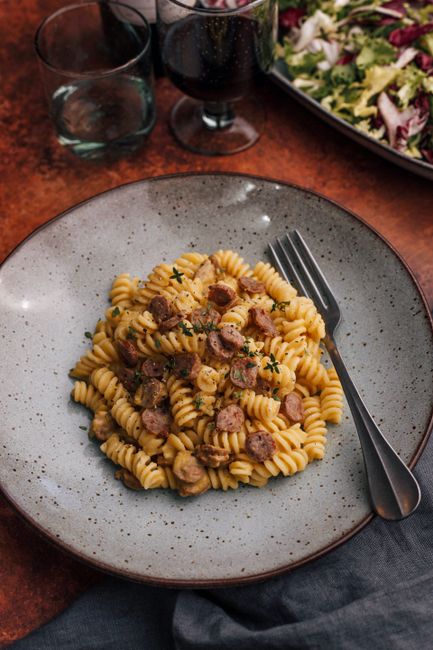
Pasta with Italian Sausage and Pumpkin Sauce: A Savory Autumn Delight
Pasta with Italian sausage and pumpkin sauce is a hearty and flavorful dish that embodies the essence of autumn cuisine. This recipe offers a complex flavor profile, balancing the savory, slightly spicy notes of Italian sausage with the sweet, earthy undertones of pumpkin. The creaminess of the sauce, derived from pureed pumpkin and often enhanced with ingredients like heavy cream or Parmesan cheese, coats the pasta beautifully, creating a satisfying and comforting meal. The inclusion of Italian sausage, whether mild or hot, adds a significant depth of flavor and a pleasant textural contrast to the softer elements of the dish. This dish is a testament to the versatility of pasta as a culinary canvas, readily accepting a wide array of ingredients and showcasing the seasonal bounty of fall.
The foundation of this dish lies in the quality of its core components: the pasta, the Italian sausage, and the pumpkin. For the pasta, a shape that can effectively hold the rich sauce is crucial. Farfalle (bow-tie pasta), rigatoni, penne, or even fettuccine are excellent choices. Their ridges, hollows, or broad surfaces provide ample area for the pumpkin sauce to adhere, ensuring every bite is infused with flavor. The cooking of the pasta is paramount. It should be al dente – tender but with a slight bite, offering a pleasant chewiness that complements the sauce’s texture. Overcooked pasta can turn mushy and detract from the overall experience. Using salted boiling water is essential to season the pasta from the inside out, laying a foundational flavor profile before the sauce even enters the picture. The amount of salt should be generous, akin to the sea, to achieve optimal flavor.
Italian sausage serves as the savory backbone of this recipe. The choice between mild and hot Italian sausage is a personal preference, but both offer distinct advantages. Mild Italian sausage provides a gentle warmth and a rich pork flavor infused with herbs like fennel and garlic. Hot Italian sausage, on the other hand, introduces a noticeable kick, adding an extra layer of complexity and excitement to the dish. When preparing the sausage, it’s important to remove it from its casings and crumble it into bite-sized pieces. This allows for even cooking and better integration into the sauce. Browning the sausage thoroughly is a critical step. This process not only renders out some of the fat but also develops rich, caramelized flavors through the Maillard reaction. The browned bits, known as fond, left in the pan after cooking the sausage are precious flavor reservoirs that will be incorporated into the sauce, adding significant depth.
Pumpkin, the star of the sauce, brings its signature autumnal sweetness and earthy character. While fresh pumpkin can be used, it requires more prep work, including roasting and pureeing. Canned pumpkin puree, unsweetened and 100% pumpkin, is a convenient and reliable alternative that yields excellent results. It’s crucial to avoid pumpkin pie filling, which contains added sugar and spices that will alter the intended flavor profile of the sauce. The texture of the pumpkin puree is key to the sauce’s consistency. If it’s too thick, it can be thinned with broth or pasta water. Conversely, if it’s too thin, it can be reduced slightly on the stovetop. The pureed pumpkin forms the creamy base of the sauce, offering a unique sweetness that pairs exceptionally well with the savory sausage.
The development of the pumpkin sauce involves a series of aromatic building blocks. The process typically begins with sautéing aromatics like finely chopped yellow onion and garlic in the rendered fat from the Italian sausage, or with a bit of olive oil if the sausage is lean. The onion should be softened and translucent, releasing its natural sugars, while the garlic should be fragrant and cooked just until it begins to turn golden, avoiding bitterness. A splash of dry white wine or chicken broth can be added at this stage to deglaze the pan, scraping up any browned bits from the bottom and incorporating them into the liquid. This deglazing step is crucial for extracting maximum flavor from the pan.
Once the aromatics are softened, the pureed pumpkin is introduced, followed by the liquid component that will create the sauce’s consistency. This can be chicken broth, vegetable broth, or even a portion of the starchy pasta cooking water. The broth adds moisture and flavor, while the pasta water, rich in starches, helps to emulsify the sauce, giving it a silky smooth texture and enhancing its ability to cling to the pasta. Heavy cream or half-and-half can be incorporated for added richness and a luxurious mouthfeel, though lighter alternatives like evaporated milk or even a touch of Greek yogurt (added at the end to prevent curdling) can be used for a less decadent version. Seasoning is vital at every stage. Salt and freshly ground black pepper are the foundational seasonings, but the addition of warming spices like nutmeg, a pinch of cinnamon, or even a touch of sage can elevate the autumnal notes of the pumpkin. A small amount of red pepper flakes can be added to complement the heat of the sausage, if desired.
The integration of the cooked Italian sausage back into the pumpkin sauce is a pivotal moment. The crumbled, browned sausage is stirred into the simmering sauce, allowing its flavors to meld and deepen. This ensures that the savory, slightly spicy notes of the sausage are distributed evenly throughout the dish. The sauce is then simmered gently for a short period to allow the flavors to marry. Tasting and adjusting the seasoning at this stage is imperative. The balance of sweet, savory, and any subtle spice should be just right. A squeeze of lemon juice can sometimes brighten the overall flavor profile and cut through the richness, though this is often a matter of personal preference and depends on the other ingredients used.
The final assembly of the dish involves combining the cooked, al dente pasta with the finished pumpkin and Italian sausage sauce. This can be done directly in the pan with the sauce, allowing the pasta to absorb some of its flavor, or the sauce can be poured over the drained pasta. A common and effective method is to toss the pasta with the sauce in the pan over low heat for a minute or two. This ensures that every strand or piece of pasta is thoroughly coated. Garnishes play an important role in enhancing both the visual appeal and the flavor of the dish. Grated Parmesan cheese is almost a non-negotiable, adding a salty, nutty, umami boost. Freshly chopped parsley or chives offer a touch of freshness and a vibrant green contrast. Toasted pepitas (pumpkin seeds) can provide a delightful crunchy texture and a nod to the pumpkin theme. A drizzle of extra virgin olive oil can add a final sheen and a touch of fruity richness.
This pasta dish is incredibly adaptable. For a vegetarian option, the Italian sausage can be omitted and replaced with sautéed mushrooms (like cremini or shiitake) or crumbled plant-based sausage alternatives. For those seeking a leaner preparation, chicken broth can be used instead of cream, or a smaller amount of cream can be employed. The type of pumpkin can also be varied; butternut squash, acorn squash, or even sweet potato can be roasted and pureed to create a similar sauce, each offering a slightly different flavor nuance. The addition of other vegetables is also a possibility. Sautéed spinach, kale, or roasted Brussels sprouts can be incorporated to add more nutrients and textural variety. A sprinkle of crispy fried sage leaves offers an aromatic and elegant touch.
The nutritional profile of this dish, while hearty, can be balanced. The protein comes from the Italian sausage, while the pumpkin provides vitamins A and C and fiber. Whole wheat pasta can be used to increase the fiber content and provide more sustained energy release. The richness of the sauce, often derived from cream and cheese, contributes to its calorie density, making it a satisfying meal. Portion control is a practical consideration for managing the caloric intake of this indulgent dish.
The culinary significance of pasta with Italian sausage and pumpkin sauce lies in its ability to celebrate seasonal ingredients and traditional flavor combinations with a modern twist. It speaks to the enduring appeal of comfort food, particularly during cooler months. The savory depth of the sausage, the subtle sweetness of the pumpkin, and the satisfying texture of the pasta create a symphony of flavors and textures that is both familiar and exciting. It’s a dish that can be enjoyed on a casual weeknight or elegantly presented for a special gathering. The aroma that fills the kitchen while this dish is being prepared is an integral part of the experience, evoking feelings of warmth, coziness, and anticipation. This recipe is a testament to the power of simple, high-quality ingredients coming together to create something truly extraordinary. The adaptability of the recipe ensures that it can be tailored to a wide range of dietary needs and preferences, further cementing its status as a beloved and versatile autumn staple. The inherent charm of pasta, as a blank canvas for culinary creativity, is fully realized in this robust and flavorful preparation.


