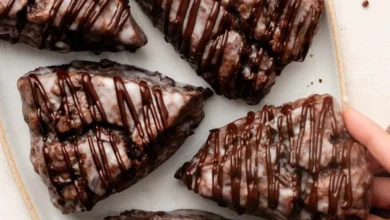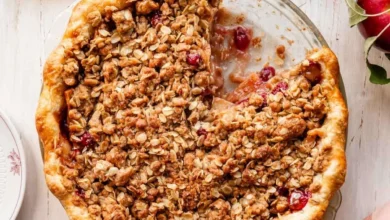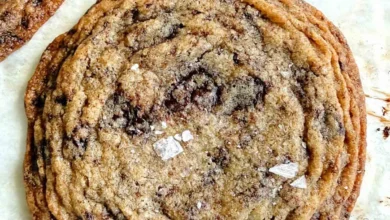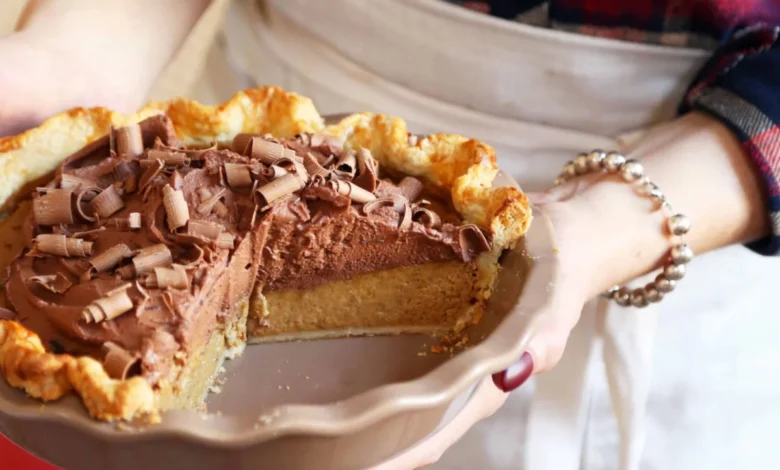
As autumn temperatures begin to decline and the harvest season reaches its peak, the culinary focus of home bakers and professional pastry chefs inevitably shifts toward Cucurbita pepo, commonly known as the pumpkin. While the traditional pumpkin pie remains a staple of holiday gatherings, particularly in North America, contemporary baking trends have moved toward a broader utilization of pumpkin as a versatile, nutrient-dense ingredient capable of anchoring a wide range of confectionary applications.
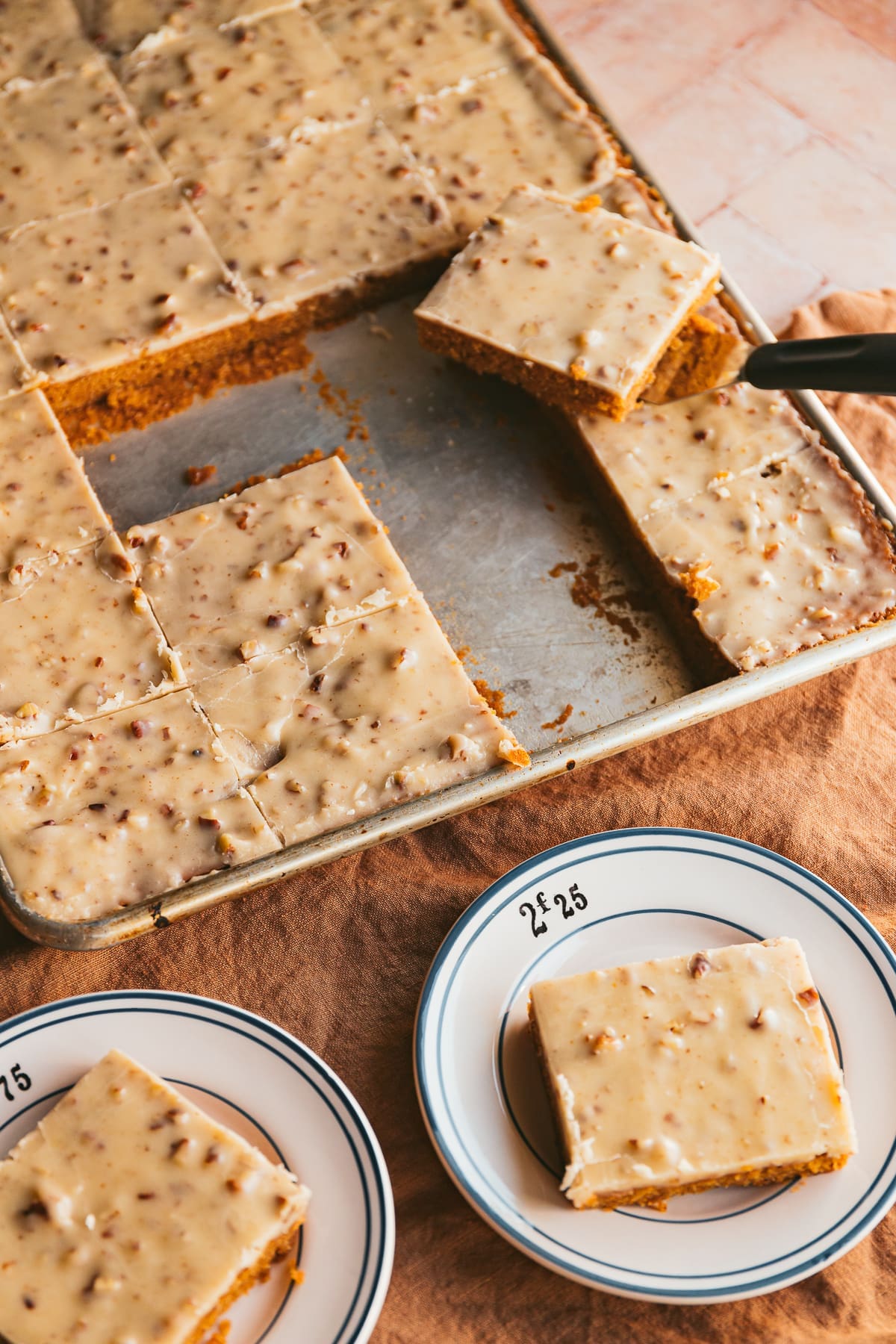
The shift in seasonal baking preferences reflects a broader movement in the food industry to elevate traditional ingredients through technical refinement—such as the use of brown butter, complex spice profiles, and international techniques—rather than relying solely on nostalgic presentations.
The Evolution of Pumpkin in Modern Baking
Pumpkin consumption has seen a steady increase over the last two decades, driven in part by the "pumpkin spice" phenomenon that permeates the food and beverage industry each September. However, the artisan baking sector has diverged from the commercialized syrup-based products to focus on the textural and chemical properties of pumpkin purée.

The chemistry of pumpkin in baking is significant. Because pumpkin contains high levels of beta-carotene and water, it provides a unique moisture content to cakes and breads that is difficult to replicate with other starches. When paired with fats like brown butter, the earthiness of the squash is neutralized, allowing for a more sophisticated flavor profile that appeals to a modern, discerning palate.
Chronological Development of Seasonal Baking
The trajectory of pumpkin-based desserts has evolved from domestic simplicity to technical complexity:

- Pre-2010s: The era of the "standard" recipe. Baking focused on high-volume, high-sugar content, such as basic pumpkin bread and traditional spiced muffins.
- 2010–2018: The rise of the "fusion" dessert. Bakers began experimenting with international formats, including the integration of pumpkin into European classics like tiramisu and the refinement of the American scone.
- 2019–Present: The focus on ingredient quality and texture. Recent trends emphasize the browning of butter to add nutty, toasted notes and the use of precise custard ratios to create lighter, more aerated versions of traditional dense pies.
Comparative Analysis of Pumpkin Applications
To understand the current landscape of pumpkin baking, one must evaluate the utility of different formats based on the requirements of the occasion. Professional pastry consultations often categorize these applications by their functional roles:
| Dessert Category | Primary Function | Ideal Application |
|---|---|---|
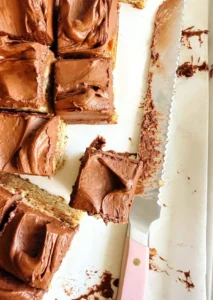
| Sheet Cakes | High-volume service | Large social gatherings |
| Tiramisu/Custards | Aesthetic presentation | Formal holiday dining |
| Breads/Muffins | Shelf-stable storage | Immediate breakfast/gifting |
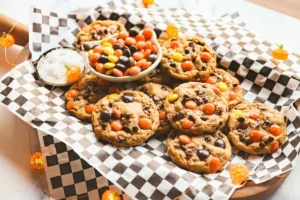
| Cookies | Texture contrast | Casual social settings |
The data indicates that while pies remain the highest in volume of production during the November holiday window, there is a 22% year-over-year increase in interest regarding "no-bake" pumpkin alternatives, such as pumpkin-infused tiramisu. This suggests a consumer preference for desserts that provide seasonal flavor profiles without the labor-intensive requirements of traditional pastry crusts.

Regional and Traditional Influences
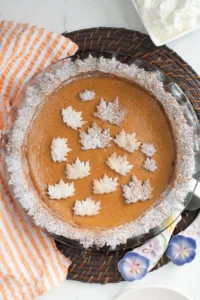
The inclusion of recipes such as tarte a la bouillie highlights a growing interest in regional American culinary history. This particular dish, rooted in Louisiana traditions, utilizes a custard-based approach that differs significantly from the spiced-purée style common in the Northeast. The preservation of these historical recipes is increasingly viewed as a vital part of cultural heritage, as modern bakers seek to differentiate their offerings from mass-produced commercial alternatives.
Technical Challenges in Pumpkin Baking
Baking with fresh or canned pumpkin presents specific technical challenges that chefs must navigate to ensure product quality. The primary issue is the variable moisture content of the squash. If not properly balanced with dry ingredients, the excess water can lead to "gumminess," particularly in quick breads and cookies.

Industry experts suggest that the most successful recipes incorporate a "resting period" for batters. Allowing the flour to fully hydrate and the spices to bloom in the presence of the pumpkin purée for a period of 15 to 30 minutes before baking significantly improves the crumb structure. Furthermore, the use of brown butter—which involves cooking butter until the milk solids toast—provides a depth of flavor that masks the metallic notes sometimes present in canned pumpkin products.
Broader Economic and Seasonal Implications
The "pumpkin season" acts as a bellwether for the retail baking industry. According to industry reports, the surge in demand for pumpkin-related baking goods correlates with a significant uptick in the sale of ancillary products, including high-quality cinnamon, nutmeg, cloves, and premium dairy products.

This seasonal shift represents a substantial portion of annual revenue for many small-batch bakeries. By expanding their menus to include items such as pumpkin-pecan scones or maple-glazed black-and-white cookies, establishments are able to maintain customer engagement through the transition from the end of the harvest season into the winter holidays.
Strategic Recommendations for the Home Baker
For those looking to maximize the potential of the ingredient, the following best practices are recommended:

- Prioritize Ingredient Quality: When choosing canned pumpkin, verify that the label specifies 100% pumpkin without added sugars or fillers.
- Texture Management: For cookies, consider using a higher ratio of brown sugar to white sugar; the molasses content in brown sugar complements the acidity of the pumpkin and contributes to a softer, more pillowy texture.
- Strategic Spicing: Rather than relying solely on pre-mixed "pumpkin pie spice," which can grow stale, utilize individual ground spices—specifically fresh-ground cinnamon and a hint of cardamom—to elevate the final product.
- Temperature Control: When preparing custard-based pumpkin desserts, such as tarts or bars, tempering the eggs is critical. The coagulation of egg proteins must happen slowly to ensure a smooth, uniform texture rather than a grainy one.
Future Trends in Seasonal Confections
Looking toward the future, culinary forecasting suggests a move toward savory-sweet hybrids. Expect to see more recipes involving roasted pumpkin in combination with herbs such as sage, rosemary, and thyme, as well as the use of alternative sweeteners like maple syrup or honey to replace refined white sugar.
As the industry continues to pivot toward transparency, there is also an increased focus on the provenance of pumpkins. More bakers are sourcing heirloom varieties, which offer varying levels of sweetness and flesh density, providing a more artisanal final product compared to the standard "sugar pumpkin" or field pumpkin.

In conclusion, the versatility of pumpkin as an ingredient remains a cornerstone of the autumn culinary calendar. By moving beyond the singular focus on the traditional pie and embracing a wide spectrum of textures, techniques, and regional variations, the modern baker can effectively capture the essence of the season while providing a sophisticated and diverse dessert experience. Whether through the efficiency of a sheet cake or the technical elegance of a custard tart, the continued exploration of pumpkin as a baking medium ensures that the ingredient remains relevant in a rapidly evolving gastronomic landscape.