
Recipes 2625 AustrianTafelspitzafterwardAppleHorseradishSauceEmperorsBoiledBeef

2625 Austrian Tafelspitz: The Emperor’s Boiled Beef with Apple-Horseradish Sauce
Tafelspitz, a Viennese culinary icon, translates to "table tip" and refers to a specific cut of beef, the tip of the eye round. This dish, deeply embedded in Austrian tradition and famously enjoyed by Emperor Franz Joseph I, is far more than just boiled meat. It’s a celebration of simple, high-quality ingredients, slow-cooked to tender perfection, and served with a trio of distinct accompaniments that elevate it to an art form. The preparation of authentic Tafelspitz demands patience and attention to detail, focusing on coaxing the inherent flavors from the beef and vegetables. The broth, often considered as important as the meat itself, becomes a rich, aromatic foundation infused with herbs and root vegetables. The chosen cut of beef, traditionally the aforementioned "tip of the eye round," is crucial for its lean yet flavorful profile, which holds up beautifully to the gentle poaching. Other suitable cuts can include the knuckle or the flat, provided they are well-marbled and of excellent quality. The simmering process is a slow dance, typically lasting several hours, ensuring the meat becomes incredibly tender and the broth a concentrated elixir. This method of cooking, slow poaching, is central to the dish’s appeal, allowing the meat to absorb the flavors of the aromatics without becoming dry or tough. The broth is then strained meticulously, removing any impurities, and seasoned judiciously. The vegetables, often including carrots, celery root, leeks, and parsley root, are simmered alongside the beef, absorbing its essence and becoming tender and flavorful in their own right. Their presence in the broth not only adds depth but also provides a delightful counterpoint to the richness of the meat. The cooking liquid is carefully managed; a gentle simmer, not a rolling boil, is paramount to prevent the meat from toughening. A watchful eye on the temperature and a skimming of any foam or impurities ensure a clear and pristine broth. The success of Tafelspitz lies in its unpretentious elegance, relying on the inherent quality of its components.
The foundation of any truly exceptional Tafelspitz is the quality of the beef. For an authentic Austrian experience, the "Tafelspitz" cut, which is the tip of the eye round, is highly recommended. This cut is lean but possesses enough connective tissue to break down beautifully during the slow cooking process, resulting in incredibly tender and flavorful meat. If Tafelspitz is unavailable, other suitable lean cuts include the knuckle (Schlegel) or the flat (Flanke), though careful attention to cooking time may be required to achieve optimal tenderness. It is imperative to select beef that is fresh and of excellent quality, as this is a dish where the primary ingredient shines. The beef should be a rich, deep red color, indicating freshness. For a truly traditional preparation, look for a cut that is free from excessive fat or sinew, as these can detract from the clean flavor of the broth. The size of the beef piece will influence the cooking time, so adjust accordingly. Often, the beef is presented as a whole piece, then carved at the table or in the kitchen, emphasizing its impressive presence. The cooking liquid is equally vital. A base of cold water is essential, as it allows impurities to rise to the surface and be skimmed off, resulting in a clear, refined broth. The addition of aromatic vegetables and herbs is what transforms water into a flavorful elixir. Common additions include: carrots, peeled and roughly chopped; celery root (celeriac), peeled and diced; leeks, cleaned and halved lengthwise; parsley root, peeled and chopped; and onions, peeled and halved, often with the cut side lightly charred for added depth of flavor. A bouquet garni, typically consisting of fresh parsley sprigs, dill, bay leaf, and peppercorns, is usually tied together and added to the pot to infuse its aroma. The slow simmering process, ideally for 2 to 3 hours, or until the meat is fork-tender, is critical. A gentle simmer, characterized by small, infrequent bubbles breaking the surface, is paramount. Avoid a vigorous boil, as this can toughen the meat and cloud the broth. The process is about coaxing flavor, not forcing it.
The broth, a critical component of Tafelspitz, is more than just a cooking liquid; it’s a flavorful consommé that is often served as a first course. To achieve its characteristic clarity and depth of flavor, meticulous attention to detail is required. Begin with cold, high-quality water. As the water heats, impurities from the beef and vegetables will rise to the surface. These should be diligently skimmed off with a fine-mesh sieve or a spoon, ensuring a pristine broth. The aromatic vegetables – carrots, celery root, leeks, parsley root, and onion (often charred for color and depth) – are added to the pot along with the beef. A bouquet garni, usually comprising fresh dill, parsley, bay leaf, and peppercorns, further enhances the broth’s aroma. The cooking process is a slow, gentle simmer, never a rolling boil. This low-temperature cooking allows the flavors to meld and the beef to become exceptionally tender without becoming tough or dry. The ideal simmering time is typically between two to three hours, but this can vary depending on the size and cut of the beef. The broth should be tasted and seasoned judiciously towards the end of the cooking process. A pinch of salt is usually sufficient, as the inherent flavors of the beef and vegetables should be the primary focus. Some chefs may add a touch of white wine to the broth for an added layer of complexity. Once the beef is cooked to perfection, it is carefully removed from the broth. The broth is then strained through a fine-mesh sieve, often lined with cheesecloth, to remove any remaining solids and ensure a crystal-clear result. The cooked vegetables can be served alongside the beef or pureed into a separate dish. The strained broth is then kept warm and can be served in small bowls or cups as a preliminary course, garnished with finely chopped chives or parsley. The clarity of the broth is a testament to the care taken in its preparation, reflecting the elegance and refinement of Austrian cuisine. The broth’s flavor should be rich and savory, a pure expression of the ingredients used.
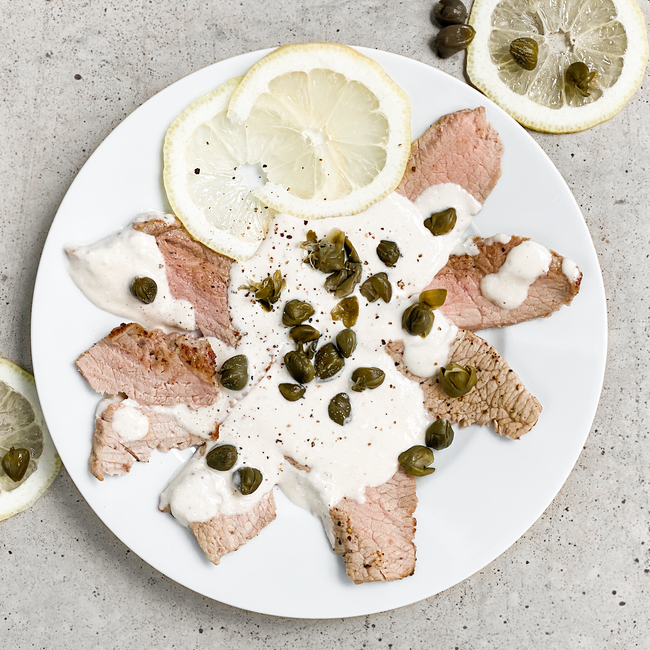
The star of the show, the Tafelspitz itself, once cooked, is typically carved into generous slices and presented while still warm. The tender, succulent meat is the result of patient, slow simmering. The beef should yield easily to the fork, indicating it has reached its optimal tenderness. It’s essential to serve the meat immediately after cooking to preserve its warmth and succulence. The visual presentation of Tafelspitz is often quite simple, allowing the quality of the beef to speak for itself. It is commonly served on a large platter, with the carved slices fanned out. The cooked vegetables from the broth, such as carrots and celery root, are often arranged artfully around the meat, offering both visual appeal and a textural contrast. Some preparations might include a garnish of fresh parsley or chives for a touch of color. The accompanying sauces and sides are crucial for the complete Tafelspitz experience, each offering a distinct flavor profile that complements the mildness of the boiled beef. The most traditional and iconic accompaniment is the Apple-Horseradish Sauce, which provides a delightful sweet, tart, and spicy counterpoint. Other essential sides include: Rösti potatoes (crispy fried grated potatoes), often served as a golden-brown disc; creamed spinach, a rich and savory complement; and most importantly, the aforementioned broth, served either as a first course or alongside the meat. The combination of these elements creates a symphony of textures and flavors that define this classic Austrian dish. The simplicity of the beef allows it to absorb the nuances of the sauces and sides, creating a harmonious dining experience. The expectation is for the meat to be incredibly tender, almost melting in the mouth, a testament to the slow cooking method.
The Apple-Horseradish Sauce is the quintessential accompaniment to Tafelspitz, offering a vibrant and complex flavor profile that cuts through the richness of the beef. Its preparation is relatively straightforward, focusing on the balance of sweet, tart, and pungent elements. The base of the sauce is typically grated apples, which provide a natural sweetness and a slight tartness. Granny Smith apples are often preferred for their firm texture and tartness, which hold up well and balance the sweetness. These grated apples are then combined with freshly grated horseradish. The potency of horseradish can vary significantly, so it’s advisable to taste and adjust the amount according to personal preference and the sharpness of the horseradish root. Freshly grated horseradish offers a much more potent and vibrant flavor than pre-prepared varieties. A touch of Dijon mustard can be added for an extra layer of tang and complexity. Some recipes may include a small amount of white wine vinegar or lemon juice to enhance the tartness and brightness of the sauce. Sugar or a touch of honey can be added to balance the acidity and the sharpness of the horseradish, but this should be done sparingly to avoid overpowering the other flavors. Salt and freshly ground black pepper are used to season the sauce. The sauce is usually served chilled or at room temperature, allowing the flavors to meld and develop. The combination of the sweet apple, the sharp horseradish, and the subtle tang from the vinegar or lemon creates a dynamic contrast that perfectly complements the mild, tender boiled beef. The visual appeal of the sauce, often a pale pinkish hue from the apples, also adds to the overall presentation of the dish. This sauce is not merely an afterthought; it’s an integral part of the Tafelspitz experience, elevating the dish from simple boiled meat to a refined culinary masterpiece. Its ability to cleanse the palate between bites of beef is a key reason for its enduring popularity.
The accompanying sides play a vital role in completing the Tafelspitz dining experience, providing textural contrast and additional layers of flavor. The classic accompaniments, when served alongside the tender boiled beef and the vibrant apple-horseradish sauce, create a harmonious and satisfying meal. Rösti potatoes are a quintessential Austrian side dish, and their crispy, golden-brown exterior and tender, slightly chewy interior provide a delightful textural counterpoint to the soft beef. To prepare Rösti, raw potatoes are peeled, grated, and then seasoned with salt and pepper. They are then formed into patties and pan-fried in butter or oil until deeply golden and crispy on both sides. The quality of the potato used is important; starchy varieties tend to work best for Rösti. Creamed spinach offers a rich, velvety texture and a savory, earthy flavor that complements the mildness of the beef. Spinach is typically blanched, then chopped and sautéed with butter and garlic, before being finished with a creamy sauce, often made with a roux and milk or cream. Seasoning with nutmeg is a common addition that enhances the spinach’s flavor. Some recipes may incorporate a touch of lemon zest for brightness. While not always served as a separate component, the cooked vegetables from the broth, such as carrots, celery root, and leeks, are often presented with the Tafelspitz. These vegetables, having absorbed the rich flavors of the broth, are tender and flavorful, offering a more rustic element to the meal. They can be served whole, in chunks, or even pureed. The interplay of these various textures – the tender meat, the crispy Rösti, the creamy spinach, and the soft vegetables – along with the contrasting flavors of the apple-horseradish sauce and the savory broth, creates a complex and deeply satisfying culinary experience that is characteristic of traditional Austrian cuisine. The inclusion of these varied components demonstrates a thoughtful approach to balancing flavors and textures, ensuring each element contributes to the overall harmony of the dish.
The preparation of Tafelspitz, while requiring time and patience, is a rewarding culinary journey. The dish’s enduring popularity lies in its ability to showcase the purity of high-quality ingredients through a simple yet elegant cooking method. From the selection of the perfect cut of beef to the meticulous straining of the broth and the careful balancing of flavors in the apple-horseradish sauce, every step contributes to the final, harmonious outcome. The Emperor’s Boiled Beef, as Tafelspitz is affectionately known, is more than just a meal; it’s a cultural touchstone, a testament to the enduring appeal of traditional Austrian gastronomy. The slow cooking process not only ensures the beef is exceptionally tender but also allows the flavors to deeply infuse the accompanying broth, creating a rich and satisfying foundation. The success of the dish hinges on allowing the inherent qualities of each ingredient to shine through, without unnecessary adornment. The apple-horseradish sauce, with its unique blend of sweet, tart, and spicy notes, provides a critical counterpoint to the mildness of the beef, preventing the dish from becoming monotonous. The addition of Rösti and creamed spinach further enhances the textural and flavor complexity, creating a well-rounded and deeply satisfying dining experience. For those seeking an authentic taste of Austrian culinary heritage, mastering Tafelspitz is an essential endeavor. It’s a dish that celebrates simplicity, quality, and the art of slow cooking, yielding a meal that is both comforting and sophisticated. The meticulous attention to detail at each stage, from simmering the aromatics to perfectly balancing the sauce, underscores the dedication to craft that defines this classic.


