Silent Killers on the Pavement: How Tire Chemicals Threaten Pacific Northwest Salmon and Spark an Innovation Race

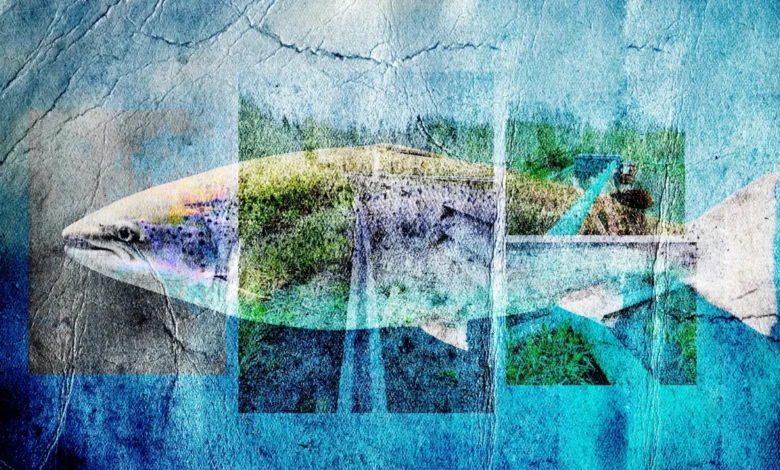
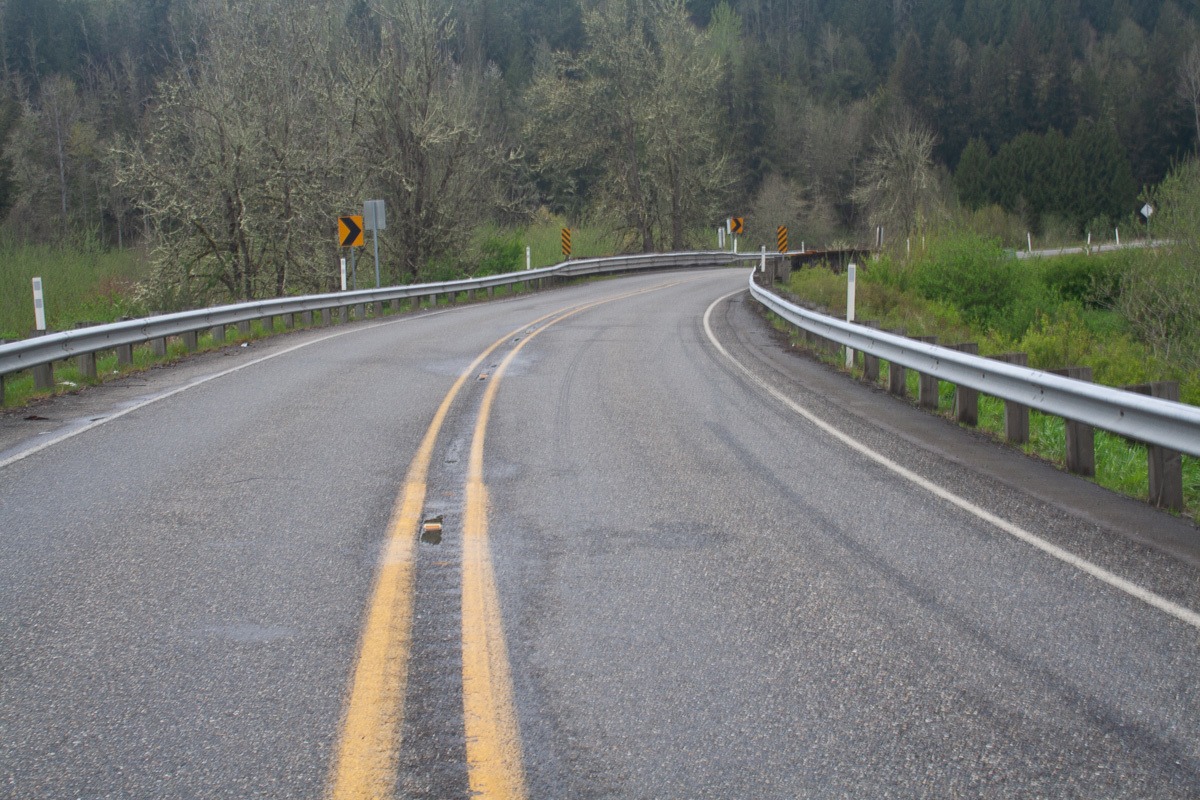
The Pacific Northwest is world-renowned for its dramatic landscapes, temperate rainforests, and vibrant aquatic ecosystems, but a silent and pervasive crisis unfolds across its roadways with every passing rainstorm. Along corridors like Highway 7 in western Washington, late winter and early spring downpours wash an invisible, highly lethal pollutant off the asphalt and directly into vital local watersheds. This toxic runoff—stemming from a common chemical additive used to manufacture automobile tires—presents an existential threat to coho salmon. For decades, conservationists, researchers, and Indigenous tribes have fought to protect these iconic fish, but the discovery of this specific threat has fundamentally shifted the battleground of salmon recovery efforts. Today, a coalition comprising the Nisqually Tribe, environmental scientists, and regional nonprofits is racing against time to intercept the poison before it decimates another generation of marine life.
At the heart of this struggle is Ohop Creek, a crucial regional spawning ground for coho salmon where juvenile fish spend the vulnerable first phase of their lives before embarking on their migration to the open ocean. This land serves as the ancestral home of the Nisqually Tribe, whose reservation spans over 5,000 acres nearby. With an enrolled membership exceeding 650 individuals, the Tribe maintains a profound cultural, spiritual, and dietary connection to the salmon, viewing the fish as intrinsically linked to their identity as a sovereign fishing people. For decades, the Nisqually Department of Natural Resources has spearheaded intensive habitat restoration work along Ohop Creek. However, since late 2020, their mission has expanded to confront an insidious chemical enemy deposited by everyday vehicular traffic.
The Chronology of a Scientific Breakthrough: Identifying 6PPD-Quinone
For nearly two decades, residents, fisheries managers, and scientists in urbanized watersheds around Seattle and Tacoma observed a deeply disturbing phenomenon. Every autumn and early winter, adult coho salmon leave the open ocean, re-entering freshwater streams to migrate upstream and spawn. Yet, upon reaching urbanized stretches of these waterways, many of these mature fish suddenly exhibited strange, distressing behaviors. They would become disoriented, swim in dizzying spirals, gasp for air at the water surface, and frequently die within hours—often before they could deposit a single egg.
For years, the exact catalyst behind this phenomenon, historically termed "urban runoff mortality syndrome," remained elusive. That changed dramatically in December 2020, when a team of researchers led by scientist Zhenyu Tian published a landmark study in the journal Science. Tian, then a research scientist for the Center for Urban Waters at the University of Washington, Tacoma, and now an assistant professor at Northeastern University, utilized cutting-edge high-resolution mass spectrometry. This advanced analytical technique allowed the research team to identify individual chemical compounds in complex water samples based on precise molecular weights.
The breakthrough revealed 6PPD-quinone, a transformation product of 6PPD (N-(1,3-dimethylbutyl)-N’-phenyl-p-phenylenediamine), a chemical added to rubber compounds during tire manufacturing to prevent degradation, cracking, and premature aging caused by ozone in the atmosphere. When tires interact with ozone on roadways, 6PPD converts into 6PPD-quinone. When precipitation occurs, rainwater washes this byproduct off impermeable asphalt surfaces, carrying it alongside heavy metals, petroleum residues, and lawn fertilizers directly into municipal stormwater systems and natural streams. The resulting chemical cocktail proves acutely toxic to coho salmon, creating an invisible death sentence layered across the landscape of the Pacific Northwest.
Data and Scale: The Magnitude of the Crisis
The ecological implications of this discovery are staggering, particularly given the economic and cultural scale of salmon populations in the United States. In 2019 alone, commercial and recreational fisheries harvested approximately 27 million pounds of coho salmon for consumption nationwide. When toxic stormwater runoff intersects with urban and semi-urban watersheds, the mortality rates among pre-spawn coho can reach up to 90 percent in certain heavily impacted areas, severely undermining natural population replenishment.
The convergence of the Pacific Northwest’s damp climate, dense vehicular traffic, and extensive impermeable infrastructure creates an ongoing environmental crisis. David Troutt, the natural resources director for the Nisqually Tribe, first learned of the 6PPD-quinone discovery at a meeting of the Puget Sound Salmon Recovery Council in late 2020. Describing the revelation, Troutt noted the dual nature of the realization: it was terrifying because every modern citizen relies on vehicles equipped with rubber tires, yet it provided a tangible, specific target for remediation efforts. Pinpointing the exact molecular culprit transformed generalized ecological anxiety into actionable science.
Official Responses, Regulatory Pressure, and Mitigation Strategies
In response to the identified threat, scientists, policymakers, and tribal authorities are pursuing a multi-pronged mitigation strategy. Experts agree that the ultimate, permanent solution requires source elimination—the complete removal of 6PPD from tire manufacturing and the development of an eco-safe, salmon-safe alternative to protect tires from ozone degradation. However, researchers emphasize that even if an ideal replacement were discovered immediately, legacy effects from existing tire particles embedded in road shoulders and asphalt will persist in the environment for 15 to 20 years.
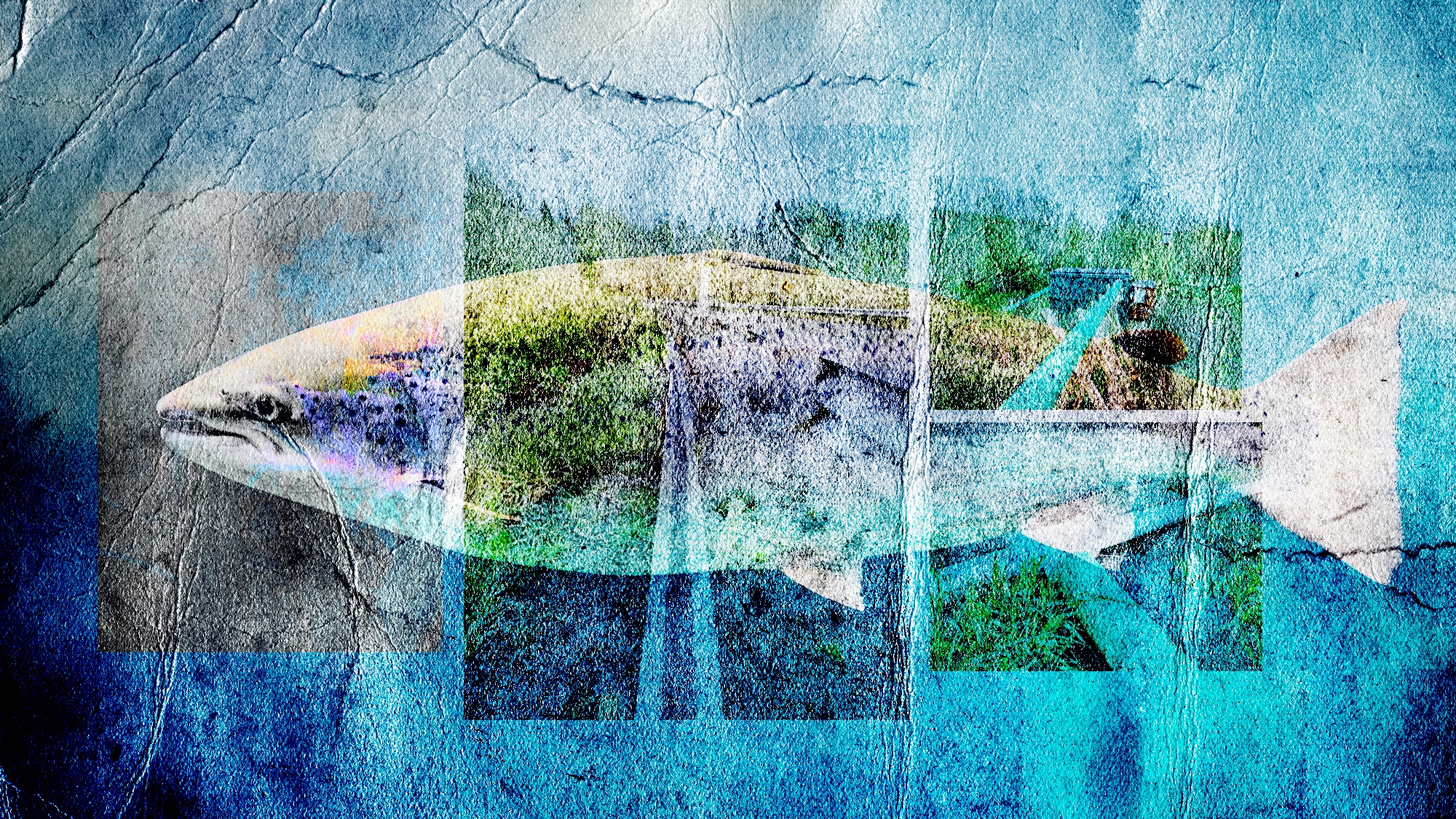
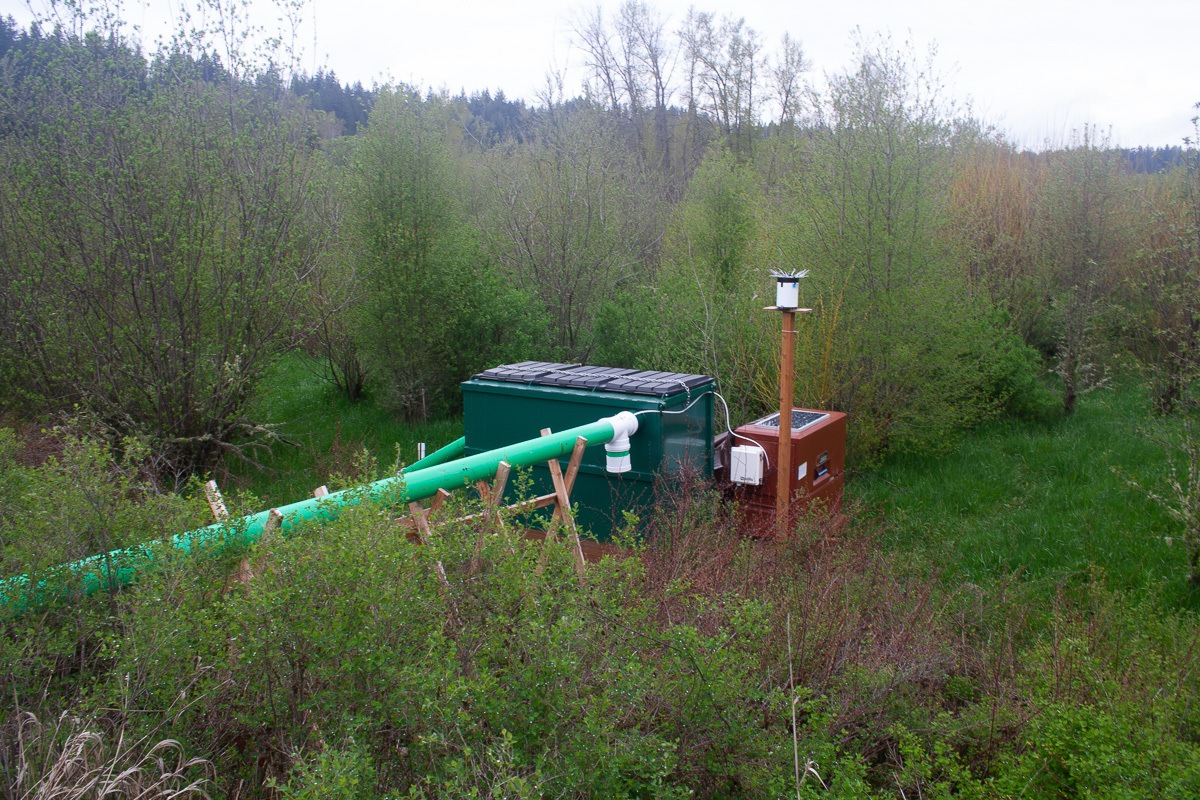
Consequently, interim engineering and regulatory measures are urgently required. Along Highway 7 at Ohop Creek, the Nisqually Tribe partnered with Seattle-based nonprofit Long Live the Kings to deploy a pioneering pilot stormwater treatment system. Designed to intercept runoff before it reaches natural waterways, the system funnels rainwater from the road surface into a dumpster-sized containment box. Inside, the water is filtered through a specialized matrix of sand and organic matter designed to bind and neutralize harmful contaminants before the treated water is safely released back into the environment.
This mobile filtration unit was developed with contributions from Cedar Grove Composting, building on extensive experiments led by Jenifer McIntyre, another prominent Washington-based researcher. McIntyre previously collaborated with Cedar Grove Composting and the city of Bellevue, Washington, to pilot-test "Bioretention Urban Retrofits" (BURitos) in stormwater retention ponds. These systems successfully removed targeted chemical compounds and reduced the overall toxicity of urban runoff.
At the regulatory level, scientific findings have prompted significant governmental and industrial engagement. In July 2021, Dr. McIntyre testified before the U.S. House of Representatives regarding the ecological dangers posed by 6PPD-quinone. Concurrently, researchers have engaged with the Washington State Department of Ecology, the U.S. Tire Manufacturers Association, and municipal stakeholders to discuss potential regulatory frameworks. The Department of Ecology has collaborated with industrial and municipal entities holding National Pollutant Discharge Elimination System (NPDES) permits—authorized under the federal Clean Water Act—to evaluate how future stormwater permits might address tire-derived contaminants.
Broader Impacts and Future Horizons
Despite significant strides in identifying and mitigating 6PPD-quinone, researchers acknowledge that critical knowledge gaps remain. Key scientific inquiries center on the exact physiological mechanism by which the chemical induces mortality in coho salmon—specifically whether it targets the central nervous system, cardiovascular system, or gill tissue. Furthermore, researchers are actively studying whether 6PPD-quinone impacts other aquatic species, marine life forms, or human health, though mature spawning salmon are typically not harvested for human consumption.
As the scientific community works to answer these complex questions over the next five years, local implementers are focusing on practical deployment. In the Nisqually valley, David Troutt and his team view the Highway 7 biofiltration pilot as a foundational step. Pending evaluation of the pilot program’s efficacy, the Tribe hopes to scale up the technology, advocating for state-level integration wherever roadway runoff threatens vulnerable aquatic habitats. Protecting the Pacific Northwest’s defining species will ultimately require a combination of green chemistry, rigorous industrial regulation, and innovative stormwater engineering to ensure that the region’s roads and rivers can finally coexist.