
Simple Tart Cherry Compote

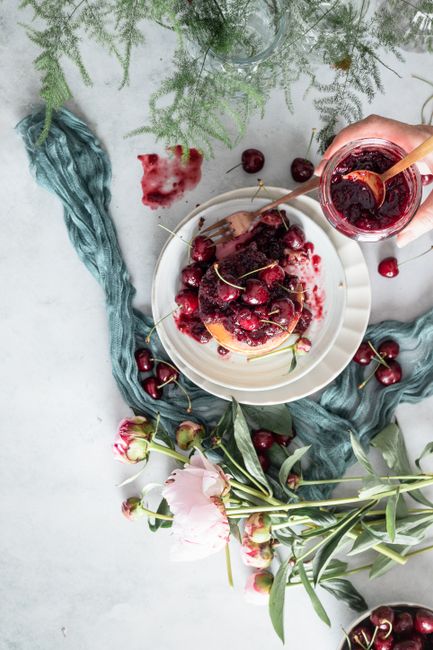
The Astonishing Benefits and Culinary Versatility of Simple Tart Cherry Compote
Tart cherry compote, a vibrant ruby-red concoction, transcends its role as a mere dessert topping. This concentrated essence of Montmorency or Balaton cherries offers a potent nutritional profile alongside an incredible culinary adaptability. The inherent tartness of these specific cherry varieties, unlike their sweeter cousins, unlocks a depth of flavor that is both invigorating and complex, making it a prized ingredient in both sweet and savory applications. Beyond its deliciousness, the science behind tart cherries reveals a powerful array of health benefits, primarily attributed to their exceptionally high concentration of anthocyanins, potent antioxidants responsible for their striking color. These compounds have been extensively studied for their anti-inflammatory properties, potential to aid in muscle recovery, and their promising role in improving sleep quality. Understanding the composition and preparation of tart cherry compote unlocks its full potential, both in the kitchen and for personal well-being.
The nutritional powerhouse that is tart cherry compote is a primary driver of its growing popularity. Anthocyanins, the star players, are flavonoids with remarkable antioxidant capacity. These powerful molecules combat oxidative stress, a cellular damage process linked to aging and various chronic diseases. Studies suggest that regular consumption of tart cherry products can help reduce inflammation markers in the body, making it a valuable addition for individuals managing inflammatory conditions like arthritis or those seeking to mitigate post-exercise soreness. Furthermore, the melatonin content naturally present in tart cherries has garnered significant attention. Melatonin is a hormone that regulates sleep-wake cycles, and the concentrated form found in compote can potentially support improved sleep duration and quality. This makes tart cherry compote an appealing natural remedy for mild sleep disturbances. Beyond these headline benefits, tart cherries also contribute essential vitamins like Vitamin A and Vitamin C, as well as minerals such as potassium and copper, further bolstering their contribution to a healthy diet. The low glycemic index of tart cherries, when prepared without excessive added sugar, also makes compote a more responsible choice for blood sugar management compared to many other fruit-based desserts. The simplicity of its preparation belies the profound impact it can have on overall health and wellness.
Crafting simple tart cherry compote is remarkably straightforward, requiring minimal ingredients and time, making it an accessible culinary project for home cooks of all skill levels. The foundational recipe centers on fresh or frozen tart cherries, a sweetener, and often a liquid for simmering. Frozen tart cherries are frequently favored due to their year-round availability and their inherent juiciness, which often leads to a richer compote. For every pound of tart cherries, approximately half a cup of sweetener is a good starting point, though this can be adjusted to personal preference. Common sweeteners include granulated sugar, maple syrup, or honey, each imparting a slightly different flavor profile. Maple syrup, with its distinct caramel notes, complements the tartness of the cherries beautifully, while honey offers its own floral undertones. A splash of water, cherry juice, or even red wine can be added to facilitate the simmering process and enhance the depth of flavor. The cherries are typically pitted before cooking, a crucial step to avoid an unpleasant texture. The mixture is then brought to a simmer over medium heat, stirring occasionally, until the cherries break down and the liquid thickens into a syrupy consistency. This usually takes about 15-25 minutes. For a smoother compote, some prefer to mash the cherries slightly with a fork or potato masher as they cook. The addition of a thickening agent, such as cornstarch or arrowroot powder, can be employed if a thicker consistency is desired, typically dissolved in a small amount of cold water and stirred into the simmering compote during the last few minutes of cooking. A squeeze of lemon juice can be added at the end to brighten the flavors.
The culinary applications of simple tart cherry compote are remarkably broad, extending far beyond its conventional use as a dessert topping. Its intense, slightly sour flavor profile makes it a sophisticated accompaniment to a wide array of dishes. As a breakfast enhancer, it elevates plain yogurt, oatmeal, and pancakes with a burst of flavor and health benefits. Swirl it into ricotta cheese for a delightful brunch treat. For a more adventurous palate, consider its savory potential. The tartness of the compote cuts through the richness of meats, making it an exceptional pairing with pork, duck, and lamb. A dollop of compote alongside roasted pork tenderloin or pan-seared duck breast creates a balanced and memorable dish. It also works wonders with strong cheeses. Imagine a cheese board featuring a sharp cheddar or a creamy brie, with a small bowl of tart cherry compote for dipping. The sweet-tart contrast is truly inspired. The compote can also be incorporated into sauces and glazes, adding a sophisticated fruity note. A reduction of tart cherry compote with a touch of balsamic vinegar and herbs can transform grilled chicken or salmon. Furthermore, it serves as a vibrant filling for tarts, pastries, and crumbles, offering a more complex flavor than sweet cherry alternatives. Even simple shortbread cookies can be transformed with a spoonful of this ruby-red elixir. The key to its versatility lies in its ability to bridge the gap between sweet and savory, offering a unique flavor dimension that enhances rather than overwhelms.
The preservation and storage of homemade tart cherry compote are critical for maximizing its shelf life and enjoying its benefits over an extended period. Once cooled, the compote can be transferred to airtight containers and stored in the refrigerator. Properly sealed, it typically remains fresh for about 10-14 days. For longer-term storage, freezing is an excellent option. The compote can be portioned into freezer-safe containers or ice cube trays, which are particularly useful for smaller, single-serving amounts. When frozen, tart cherry compote can retain its quality for up to 6 months. Thawing frozen compote is best done in the refrigerator overnight or gently reheated on the stovetop. Proper canning techniques can also be employed for shelf-stable storage. This involves sterilizing jars and lids, filling them with hot compote, and processing them in a boiling water bath according to established canning guidelines. Canned compote can be stored in a cool, dark pantry for up to a year. It is important to ensure that the compote is at the correct consistency before freezing or canning, as water content can affect the outcome. A slightly thicker compote will generally store better. Observing for any signs of spoilage, such as mold or an off odor, is paramount before consuming any stored compote, regardless of the storage method.
The selection of tart cherries for compote preparation is a foundational step that significantly impacts the final flavor and quality of the product. Montmorency cherries are the most widely cultivated and recognized for their tartness, making them the quintessential choice for compote. Their bright acidity and distinct cherry flavor are ideal for balancing sweetness. Balaton cherries, while less common, offer an even more intense tartness and a slightly firmer texture, which can result in a compote with more defined cherry pieces. When using fresh cherries, prioritize those that are firm, plump, and deeply colored, with no signs of bruising or soft spots. If fresh cherries are out of season or unavailable, frozen tart cherries are an excellent and often more convenient alternative. Look for bags of whole or pitted frozen tart cherries without added sugar. The freezing process preserves their flavor and nutritional integrity. Pitting the cherries is an essential step in preparing them for compote. While a cherry pitter is the most efficient tool, a small paring knife or even a paperclip can be used in a pinch. For those who prefer a smoother texture, some recipes call for gently crushing the cherries before or during the cooking process. The quality of the cherries directly translates to the quality of the compote, so investing in good quality fruit will yield the most satisfying results.
The role of sweeteners in tart cherry compote is multifaceted, influencing not only the sweetness but also the overall flavor profile and texture. While tart cherries are naturally sour, a judicious amount of sweetener is necessary to create a balanced and palatable compote. The choice of sweetener offers an opportunity to further customize the flavor. Granulated sugar is the most neutral option, allowing the pure tart cherry flavor to shine through. Maple syrup, with its warm, caramel undertones, complements the tartness and adds a layer of complexity. Honey introduces its own unique floral or earthy notes, depending on the type of honey used, and can also contribute to a slightly different texture due to its liquid composition. Agave nectar provides a vegan-friendly option and has a relatively neutral flavor. For those seeking to reduce refined sugar intake, natural sweeteners like coconut sugar or date paste can be explored, though these may alter the color and flavor profile of the compote. The quantity of sweetener is a matter of personal preference and depends on the inherent tartness of the cherries and the desired sweetness level. It is always advisable to start with a lesser amount and add more to taste during the cooking process. The interaction between the tartness of the cherries and the sweetness of the chosen sweetener is what creates the characteristic and appealing flavor of a well-made tart cherry compote.
Exploring the therapeutic applications of tart cherry compote further illuminates its value as a natural wellness aid. The anti-inflammatory properties, driven by the anthocyanins, have shown promise in alleviating symptoms associated with osteoarthritis. Studies suggest that regular consumption of tart cherry juice, a liquid form of compote’s essence, can lead to a reduction in pain and stiffness. For athletes, the compote’s ability to aid in muscle recovery post-exercise is a significant benefit. The antioxidants help combat exercise-induced oxidative stress and inflammation, potentially reducing muscle soreness and accelerating the repair process. This makes it a valuable recovery tool for both amateur and professional athletes. The impact on sleep quality is another area of considerable interest. The natural melatonin content in tart cherries can help regulate the body’s circadian rhythm, promoting a more restful sleep. Individuals struggling with insomnia or seeking to improve their sleep patterns may find incorporating tart cherry compote into their evening routine beneficial. While tart cherry compote is not a substitute for medical treatment, its inclusion in a balanced diet can be a complementary strategy for supporting overall health and well-being, particularly in managing inflammation and promoting restorative sleep.
The textural nuances of tart cherry compote can be manipulated to suit various culinary preferences. A classic compote typically features whole or roughly broken-down cherries suspended in a thickened syrup. This provides a satisfying bite and visual appeal. For those who prefer a smoother consistency, the cherries can be mashed more thoroughly during the cooking process using a fork, potato masher, or even an immersion blender for a truly pureed result. This smoother compote is ideal for applications where a more uniform texture is desired, such as fillings for pastries or a refined sauce. The addition of thickening agents like cornstarch or arrowroot powder, when dissolved in a small amount of cold liquid before being added to the hot compote, allows for precise control over the final viscosity. This is particularly useful when creating glazes or sauces that require a specific cling. Alternatively, allowing the compote to reduce further during cooking will naturally thicken the syrup without the need for added thickeners, resulting in a more concentrated flavor. The presence of whole cherries adds a pleasing textural contrast to softer components like yogurt or ice cream, while a smoother compote integrates seamlessly into batters or sauces. Understanding these textural possibilities allows for the creation of a versatile compote that can be tailored to a multitude of culinary needs.
The vibrant color of tart cherry compote is not merely aesthetic; it’s a visual indicator of its rich antioxidant content. The deep ruby-red hue is primarily due to the presence of anthocyanins, the same powerful phytonutrients that contribute to the health benefits. These water-soluble pigments are responsible for the coloration of many fruits and vegetables, and in tart cherries, they are particularly abundant. The intensity of the color can vary depending on the variety of tart cherry used, the ripeness of the fruit, and the cooking process. Overcooking or prolonged exposure to heat can sometimes lead to a slight dulling of the color. However, the inherent vibrancy of tart cherries generally results in a compote that retains its striking appearance. This visual appeal makes the compote an attractive addition to any dish, enhancing its presentation. Whether drizzled over a dollop of whipped cream or swirled into a smoothie, the vivid red of tart cherry compote adds an element of visual delight that complements its delicious flavor and impressive health benefits, making it a true sensory experience.


