
Slow Cooker Cheesy Potatoes

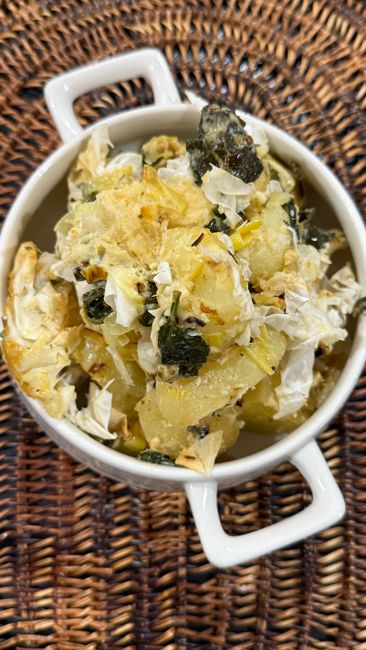
Slow Cooker Cheesy Potatoes: The Ultimate Comfort Food Guide
Slow cooker cheesy potatoes, a deceptively simple yet profoundly satisfying dish, represent a pinnacle of comfort food. This recipe leverages the hands-off magic of a slow cooker to transform humble potatoes and a handful of dairy into a creamy, decadent side dish that’s perfect for holidays, weeknight dinners, or potlucks. The beauty of this preparation lies in its versatility and the sheer ease with which it can be achieved. By utilizing a slow cooker, you eliminate the need for constant oven monitoring, freeing up valuable kitchen space and time. The low, slow cooking process allows the flavors to meld beautifully, resulting in potatoes that are tender, infused with savory goodness, and bound together by a rich, cheesy sauce. This isn’t just a side dish; it’s a warm hug in a bowl, a guaranteed crowd-pleaser that appeals to all ages. Understanding the core components and potential variations is key to mastering this effortless culinary delight.
The fundamental ingredients for slow cooker cheesy potatoes are straightforward: potatoes, a creamy element, cheese, and seasonings. Potatoes are the star, and their type significantly impacts the final texture. Russet potatoes are a popular choice due to their high starch content, which breaks down during slow cooking, contributing to a thicker, creamier sauce. Yukon Gold potatoes offer a good balance of starch and moisture, resulting in tender, flavorful cubes that hold their shape well. Red potatoes, with their waxy texture, will remain more distinct and less likely to disintegrate, offering a firmer bite. When selecting potatoes, aim for firm, unblemished specimens. Washing them thoroughly is crucial, and whether to peel them is a matter of preference. Leaving the skin on, especially for Yukon Golds or red potatoes, adds a rustic charm and extra nutrients, but for a smoother, more uniform texture, peeling is recommended. Cutting the potatoes into uniform pieces, typically 1-inch cubes, is essential for even cooking. This ensures that no potato chunks are undercooked while others turn to mush.
The creamy element acts as the binder and moisture provider for the cheesy sauce. A common and effective choice is condensed cream of mushroom or cream of chicken soup. These soups, readily available at any grocery store, are formulated to thicken and create a rich base. Their inherent flavor also contributes to the overall savory profile of the dish. Alternatively, you can create a homemade creamy sauce using heavy cream, milk, or even a combination. For a lighter option, evaporated milk can be used. Some recipes call for sour cream or cream cheese to be incorporated, adding an extra layer of tanginess and richness. Sour cream lends a delightful tang that cuts through the richness of the cheese, while cream cheese melts into the sauce, providing an unparalleled velvety texture. The choice of creamy element will influence the final consistency and flavor, so consider your desired outcome.
Cheese is, of course, non-negotiable. The type of cheese you select will dramatically alter the taste and meltability of your slow cooker cheesy potatoes. Cheddar cheese is a perennial favorite, offering a sharp, tangy flavor that pairs exceptionally well with potatoes. Sharp cheddar provides a more pronounced taste than mild. For a milder, creamier melt, Monterey Jack or a Colby Jack blend are excellent choices. Gruyere offers a sophisticated, nutty flavor that elevates the dish. A blend of cheeses is often the most rewarding approach, combining the melting properties of one with the flavor profile of another. For instance, a mix of sharp cheddar for flavor and Monterey Jack for smooth melting creates a harmonious balance. Pre-shredded cheeses are convenient, but they often contain anti-caking agents that can slightly affect the smoothness of the sauce. Shredding your own cheese from a block will yield the best melting results. Don’t be shy with the cheese; it’s a key component in achieving that irresistible, gooey texture.
Seasonings are the subtle yet vital contributors that transform plain ingredients into a flavorful masterpiece. Salt and black pepper are the foundational elements, enhancing the natural flavors of the potatoes and cheese. Garlic powder or freshly minced garlic adds a pungent aroma and savory depth. Onion powder or finely diced fresh onion contributes a sweet and pungent undertone. A pinch of paprika can introduce a hint of smoky sweetness and a lovely reddish hue. For a touch of herbaceousness, consider adding dried parsley, chives, or even a hint of thyme. If you’re feeling adventurous, a dash of cayenne pepper can add a gentle warmth. The beauty of slow cooker cheesy potatoes is that they can be customized to your liking. Taste and adjust seasonings throughout the cooking process, or after the initial cooking phase, to achieve your preferred flavor balance.
The process of assembling slow cooker cheesy potatoes is remarkably simple, designed for maximum flavor with minimal effort. Begin by preparing your potatoes: wash them thoroughly, and if desired, peel them. Cut them into uniform 1-inch cubes. This uniformity is crucial for ensuring all pieces cook evenly in the slow cooker. Next, in a large bowl, combine the cubed potatoes with your chosen creamy element. If using condensed soup, pour the entire can over the potatoes. If making a homemade sauce, whisk together your liquid base (cream, milk, evaporated milk) with any other sauce ingredients like sour cream or cream cheese until smooth, then pour it over the potatoes. Add your chosen seasonings – salt, pepper, garlic powder, onion powder, etc. Toss everything together thoroughly to ensure each potato cube is coated with the creamy mixture and seasonings.
Now, transfer this mixture into your slow cooker insert. Distribute it evenly. If you are adding any fresh aromatics like diced onion or garlic, you can either mix them in with the potatoes or layer them on top. The key is to ensure the liquid and seasonings are distributed throughout the potatoes. Now comes the magic of slow cooking. Cover the slow cooker with its lid, ensuring a tight seal to trap moisture and heat. Set your slow cooker to the LOW setting. This is generally the preferred setting for cheesy potatoes, as it allows for a slow, even cooking process that tenderizes the potatoes without overcooking them. The typical cooking time on LOW ranges from 4 to 6 hours. The exact time will depend on the size of your potato cubes, the type of potatoes used, and the specific model of your slow cooker.
During the cooking process, avoid the temptation to lift the lid frequently. Each time the lid is removed, heat escapes, significantly extending the cooking time. Trust the process; the steam trapped inside will do the work. After approximately 4 hours on LOW, begin checking the potatoes for tenderness. They should be easily pierced with a fork. Once the potatoes are tender, it’s time to incorporate the cheese. Sprinkle your shredded cheese evenly over the top of the potato mixture. Re-cover the slow cooker and allow the cheese to melt. This usually takes about 15-30 minutes on the LOW setting. Some recipes suggest switching the slow cooker to HIGH for this final melting stage, which can speed up the process. However, be mindful of overcooking the potatoes if you opt for HIGH. The residual heat from the cooked potatoes is often sufficient to melt the cheese beautifully on LOW.
Once the cheese is melted and bubbly, your slow cooker cheesy potatoes are ready to serve. For an extra touch of visual appeal and flavor, garnish with fresh chopped chives, parsley, or a sprinkle of paprika before serving. The texture should be creamy and tender, with the cheese creating a luscious, gooey coating. The aroma wafting from the slow cooker will be irresistible.
Variations on the classic slow cooker cheesy potatoes are abundant, allowing for endless customization and flavor profiles. For a heartier side dish, consider adding cooked and crumbled bacon bits to the potato mixture before cooking or as a topping. The smoky, salty crunch of bacon is a natural complement to creamy, cheesy potatoes. Another popular addition is diced ham, which infuses the dish with a savory, slightly salty flavor. For a spicier kick, incorporate diced jalapeños or a dash of hot sauce into the creamy mixture. A touch of mustard, either Dijon or yellow mustard, can add a subtle tang and depth of flavor that cuts through the richness. Smoked paprika, beyond its color, offers a more intense smoky flavor than regular paprika, which can be a delightful addition.
For those seeking a vegetarian option beyond the standard, consider adding sautéed mushrooms or caramelized onions to the mix. Sautéed mushrooms bring an earthy, umami richness, while caramelized onions provide a sweet and complex flavor. If you’re looking to incorporate more vegetables, consider adding frozen corn or peas towards the end of the cooking time. These vegetables cook quickly and add bursts of color and sweetness. For a truly indulgent experience, consider incorporating a layer of shredded chicken or pulled pork towards the end of the cooking time, transforming the side dish into a more substantial meal.
The type of potato also lends itself to variations. While russets and Yukon Golds are common, experimenting with sweet potatoes can create a fascinating sweet and savory dish. The natural sweetness of sweet potatoes pairs surprisingly well with savory cheeses and seasonings. For a lighter, yet still flavorful, option, consider using a base of Greek yogurt or cottage cheese mixed with a bit of milk as your creamy element, though this will alter the texture significantly.
When it comes to cheese, don’t limit yourself. Explore combinations like sharp cheddar and smoked gouda for a robust flavor. A blend of mozzarella and provolone offers a fantastic melt and a slightly tangy, savory profile. For a touch of luxury, a bit of Parmesan or Asiago cheese grated over the top can add a salty, nutty finish. Remember to consider how the cheeses will melt together. Cheeses with higher fat content tend to melt more smoothly.
The seasonings offer another avenue for creativity. Consider a Tex-Mex twist by adding cumin, chili powder, and a pinch of cayenne pepper, serving alongside salsa and sour cream. For an Italian-inspired version, incorporate dried Italian herbs like oregano and basil, and perhaps a sprinkle of mozzarella and provolone cheese. A touch of nutmeg can also enhance the creamy, cheesy flavor profile in a subtle yet impactful way.
The cooking time is a critical factor in achieving the perfect texture. If your potatoes are still firm after the initial cooking period, continue cooking on LOW, checking every 30 minutes. If they are too soft and mushy, you may have overcooked them, but they can often still be salvaged by incorporating them into other dishes like potato soup or casseroles. The goal is tender, but not falling apart, potatoes.
Serving slow cooker cheesy potatoes is a joy. They are a versatile side dish that pairs well with a wide array of main courses. They are an indispensable component of holiday meals, alongside roasted turkey, ham, or prime rib. For casual weeknight dinners, they are the perfect accompaniment to grilled chicken, pork chops, or even burgers. They also shine at potlucks and barbecues, often disappearing quickly from the serving table. Their comforting nature makes them an ideal choice for comfort food gatherings or a simple, satisfying meal.
Leftovers, if any, are a treasure. Reheat them gently in the microwave or on the stovetop over low heat, adding a splash of milk or cream if they seem dry. They can also be repurposed into other dishes. Imagine using leftover cheesy potatoes as a filling for baked empanadas, a topping for shepherd’s pie, or even incorporated into a breakfast hash. Their adaptability ensures no deliciousness goes to waste. The inherent richness of slow cooker cheesy potatoes means they are best enjoyed in moderation, but their comforting appeal makes it difficult to resist a second helping. The simple act of slow cooking transforms humble ingredients into a universally loved dish, a testament to the power of time and temperature in culinary arts.


