Cornflake Crusted Chicken Drumsticks In The Air Fryer
Crispy Air Fryer Cornflake Chicken Drumsticks: The Ultimate Guide to Effortless Flavor and Texture
Achieving perfectly crispy, golden-brown chicken drumsticks without deep-frying is a culinary quest many home cooks embark upon. The air fryer has emerged as a revolutionary appliance for this very purpose, delivering unparalleled texture and flavor with significantly less oil. Among the most popular and effective methods for achieving this delightful crispness is the use of cornflake crumbs as a coating. This comprehensive guide will delve into the intricacies of creating sensational air fryer cornflake chicken drumsticks, covering everything from ingredient selection and preparation to cooking techniques and flavor variations, ensuring your culinary endeavors are both successful and immensely satisfying.
The foundation of exceptional air fryer cornflake chicken drumsticks lies in the quality and preparation of the chicken itself. Opt for fresh, good-quality chicken drumsticks. Ensure they are thoroughly patted dry with paper towels. Moisture is the enemy of crispiness, and removing as much surface water as possible is a critical first step. This drying process allows the coating to adhere better and promotes a crispier exterior. For optimal results, consider removing the skin from some or all of the drumsticks if you prefer a less fatty outcome, though the skin does contribute to added crispiness. However, if you’re aiming for the ultimate crispy experience, leaving the skin on is highly recommended. Trim any excess fat or dangling skin to ensure even cooking and a uniform crust.
The cornflake coating is the star of the show, responsible for that irresistible crunch. While standard, unsweetened cornflakes are the go-to, the type of cornflake can subtly influence the final texture. Classic, no-frills cornflakes tend to break down into finer crumbs, creating a more delicate crust. Slightly thicker or more textured cornflakes can yield a chunkier, more rustic crunch. The key is to achieve a fine to medium crumb consistency. This is best accomplished by placing the cornflakes in a resealable plastic bag or a food processor and crushing or pulsing them until they reach the desired size. Avoid over-processing to the point of dust; small, irregular pieces are ideal for clinging to the chicken and creating pockets of crispiness.
Beyond the cornflakes, the binding agents are crucial for ensuring the coating adheres properly. A classic and highly effective two-step breading process is recommended. The first step involves coating the dried drumsticks in a seasoned flour. All-purpose flour is standard, but you can experiment with a fine cornmeal for an added layer of crunch or even a gluten-free flour blend if dietary restrictions are a concern. Seasoning the flour is paramount for infusing flavor into the chicken from the very base of the coating. Common seasonings include salt, black pepper, garlic powder, onion powder, paprika, and cayenne pepper for a touch of heat. A well-seasoned flour will build a flavorful foundation that complements the cornflake crust.
The second binding agent is typically an egg wash. Whisking one or two large eggs with a tablespoon or two of milk or water creates a liquid mixture. This egg wash provides the adhesive surface for the cornflake crumbs to cling to. Some cooks prefer to add a touch of hot sauce or Dijon mustard to the egg wash to impart subtle flavors and aid in emulsification. Ensure the egg wash is well-beaten, with no distinct streaks of yolk or white remaining. This uniformity ensures even coating.
The breading process itself is a hands-on affair requiring a systematic approach. Set up a breading station with three shallow dishes or bowls. The first dish contains your seasoned flour. The second dish holds the prepared egg wash. The third dish is filled with your crushed cornflakes, which should also be seasoned. You can add additional seasonings directly to the cornflake crumbs, such as more paprika, dried herbs like parsley or oregano, or even a pinch of sugar for a hint of sweetness if desired.
To bread the drumsticks, take each dried chicken drumstick and dredge it thoroughly in the seasoned flour, ensuring all surfaces are evenly coated. Gently shake off any excess flour. Next, dip the floured drumstick into the egg wash, allowing any excess to drip back into the bowl. Finally, press the egg-washed drumstick into the seasoned cornflake crumbs, rolling and gently pressing to ensure a thick, even coating. Repeat this process for all drumsticks. For an even thicker, crunchier crust, you can repeat the egg wash and cornflake coating process. This double-dipping creates a more substantial and robust coating that will achieve superior crispiness in the air fryer.
Preheating the air fryer is as essential for achieving optimal results as preheating a conventional oven. This ensures that the hot air circulates immediately and evenly around the chicken, initiating the crisping process from the moment it’s placed inside. Most air fryer models recommend a preheating temperature of around 380°F to 400°F (190°C to 200°C) for about 3 to 5 minutes. Consult your air fryer’s manual for specific preheating instructions.
When arranging the cornflake-crusted chicken drumsticks in the air fryer basket, overcrowding is a cardinal sin. The air fryer works by circulating hot air, and if the drumsticks are too close together, the air cannot flow freely, resulting in uneven cooking and a lack of crispiness. Cook in batches if necessary, ensuring each drumstick has ample space around it. For best results, arrange them in a single layer, avoiding any overlap.
The cooking time and temperature will vary slightly depending on the size of your drumsticks and the specific model of your air fryer. However, a general guideline for cooking cornflake-crusted chicken drumsticks at 380°F (190°C) is typically between 18 to 25 minutes. It is crucial to flip the drumsticks halfway through the cooking process, around the 9 to 12-minute mark. This ensures that both sides are exposed to the hot air and cook to a uniform golden-brown crispiness.
To check for doneness, the internal temperature of the chicken should reach 165°F (74°C). Use an instant-read meat thermometer inserted into the thickest part of the drumstick, avoiding the bone. The juices should run clear. If the internal temperature is not yet reached, continue cooking in increments of 2 to 3 minutes, checking frequently to prevent overcooking. The cornflake coating will continue to crisp up as it cooks.
Achieving that perfect crispiness in an air fryer involves more than just the right ingredients and temperature. A light misting of cooking spray or a drizzle of oil over the drumsticks before air frying can further enhance the crisping process. This provides additional fat that helps to render and crisp the cornflake coating. While air fryers use significantly less oil than traditional frying, a little extra can go a long way in achieving that coveted golden crunch. Opt for a neutral-flavored oil like avocado oil, canola oil, or a light olive oil.
The flavor profiles for cornflake-crusted chicken drumsticks are incredibly versatile. The basic seasoning of salt, pepper, garlic powder, onion powder, and paprika forms a fantastic foundation. However, you can elevate the flavor by incorporating a variety of spices and herbs. For a smoky kick, add smoked paprika or chipotle powder. For a touch of Italian flair, include dried oregano, basil, and a pinch of parmesan cheese in the cornflake mixture. Consider a Cajun-inspired blend with cayenne pepper, thyme, and oregano for a spicier option. A touch of sweetness can be achieved by adding a teaspoon of brown sugar or honey to the cornflake coating. Lemon zest or a sprinkle of dried dill can add a bright, herbaceous note.
Beyond the coating, consider marinating or brining the chicken drumsticks before coating. A buttermilk marinade, for example, tenderizes the chicken and adds a subtle tang that complements the savory crust. A simple brine of salt, sugar, and water can also help to keep the chicken moist and flavorful. If you choose to brine or marinate, ensure the chicken is thoroughly dried after removing it from the marinade or brine before proceeding with the breading process.
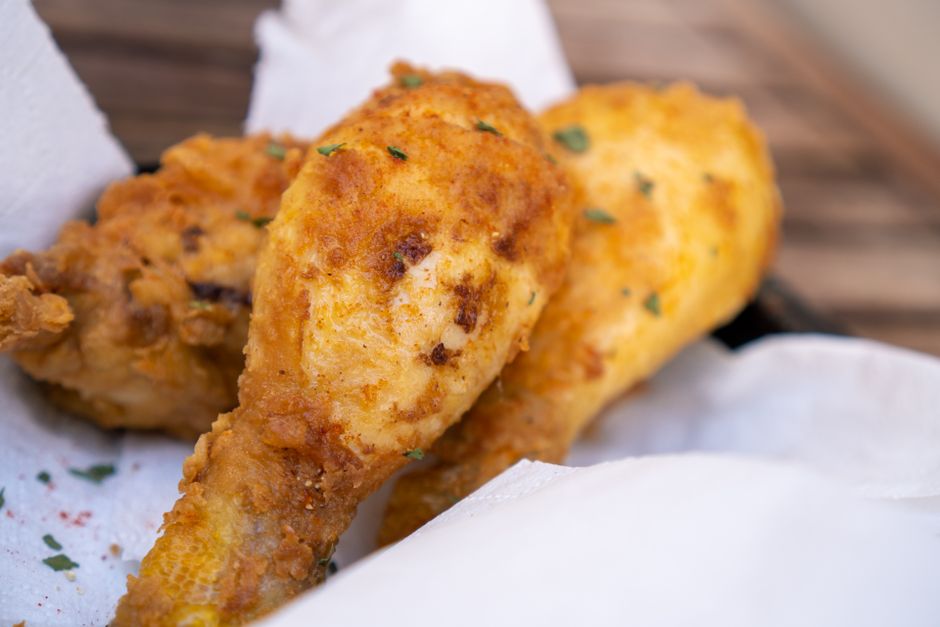
The finished air fryer cornflake chicken drumsticks are a testament to the appliance’s capabilities. They emerge from the air fryer with an incredibly crispy, crunchy exterior that encases tender, juicy chicken. The cornflake crust offers a satisfying textural contrast to the succulent meat within. They are perfect for a weeknight meal, a crowd-pleasing appetizer, or a healthier alternative to traditional fried chicken.
Serving suggestions are as varied as the flavor profiles. These drumsticks pair wonderfully with classic sides like mashed potatoes, coleslaw, corn on the cob, or a fresh green salad. For a more casual experience, serve them with your favorite dipping sauces. Ketchup, BBQ sauce, ranch dressing, honey mustard, or a spicy aioli are all excellent choices. The versatility of these drumsticks makes them a go-to option for any occasion.
When it comes to storage and reheating, cornflake-crusted chicken drumsticks maintain their appeal. Leftovers can be stored in an airtight container in the refrigerator for up to 3-4 days. Reheating in the air fryer is highly recommended to restore their crispiness. Place the leftover drumsticks in a single layer in the air fryer basket and reheat at around 350°F (175°C) for 5-8 minutes, or until heated through and the crust is re-crisped. Avoid reheating in the microwave, as this will result in a soggy texture.
Troubleshooting common issues can ensure consistent success. If your cornflake coating isn’t sticking, ensure the drumsticks are thoroughly dry and that you are using enough binding agent (flour and egg wash). If the chicken is not cooked through, it’s likely due to overcrowding the air fryer basket or insufficient cooking time. Always prioritize internal temperature over visual cues when determining doneness. If the coating is burning before the chicken is cooked, reduce the air fryer temperature slightly and consider adding a touch more oil to the coating.
In conclusion, mastering the art of air fryer cornflake chicken drumsticks is a straightforward yet immensely rewarding culinary pursuit. By understanding the importance of ingredient quality, meticulous preparation, precise cooking techniques, and exploring a spectrum of flavor combinations, you can consistently create a dish that is both incredibly delicious and impressively easy to prepare. The air fryer has undeniably democratized the pursuit of crispy, craveable chicken, and the cornflake crust provides an accessible and flavorful path to achieving this ultimate culinary goal. The resulting drumsticks are a testament to simple ingredients transformed into an extraordinary meal, offering a satisfying crunch and juicy tenderness that will undoubtedly become a regular fixture in your recipe repertoire.