
Tag Sweet Chili Sauce

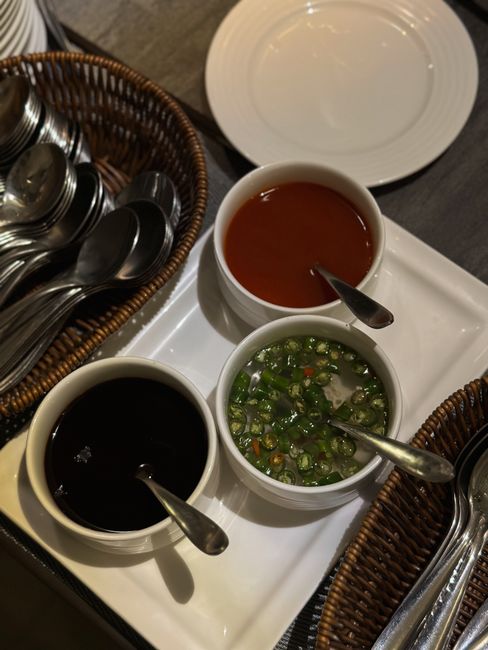
The Ultimate Guide to Sweet Chili Sauce: Flavor, Functionality, and Culinary Applications
Sweet chili sauce, a ubiquitous condiment in Asian cuisine and increasingly popular worldwide, represents a harmonious marriage of sweet, spicy, and tangy flavor profiles. Its complex taste, characterized by the subtle heat of chilies balanced by the sweetness of sugar and the acidity of vinegar, makes it an incredibly versatile ingredient. At its core, sweet chili sauce is a vibrant emulsion typically comprised of red chilies, garlic, vinegar, sugar, and often a thickening agent like cornstarch or tapioca starch. The specific proportions and ingredients can vary significantly, leading to a spectrum of textures and heat levels, from a thin, fiery drizzle to a thick, glaze-like coating. Its popularity stems not only from its delightful taste but also from its adaptability; it transcends its traditional roles as a dipping sauce to become a key component in marinades, stir-fries, dressings, and glazes, offering a quick and easy way to elevate everyday dishes. Understanding the fundamental components and the science behind its appeal is crucial for appreciating its culinary significance and for effectively integrating it into diverse gastronomic contexts.
The genesis of sweet chili sauce can be traced back to Southeast Asia, particularly Thailand and Vietnam, where the cultivation of chilies and the tradition of balancing sweet, sour, salty, and spicy flavors have deep historical roots. In Thailand, it is often referred to as "nam chim kai," which translates to "chicken dipping sauce," reflecting its initial primary use. Vietnamese variations, such as "tương ớt," often lean more heavily on garlic and can possess a more pronounced vinegar tang. The proliferation of these sauces across the globe is a testament to the growing international appreciation for Asian culinary traditions and the adaptability of their signature flavors. Modern commercial production has further democratized its availability, leading to a wide array of brands, each with its unique flavor nuances. This accessibility has allowed home cooks and professional chefs alike to experiment and incorporate this dynamic condiment into their repertoires, driving its widespread adoption. The evolution from a regional specialty to a global pantry staple underscores its inherent appeal and its ability to bridge culinary divides.
The flavor profile of sweet chili sauce is its most compelling attribute, a carefully orchestrated symphony of contrasting tastes. The sweetness, typically derived from sugar, honey, or fruit concentrates like pineapple or orange juice, provides a comforting and immediately accessible base. This sweetness acts as a foil to the inherent heat of the chilies. The heat itself can range from a mild warmth to a significant burn, depending on the type and quantity of chilies used. Common chili varieties include red jalapeños, bird’s eye chilies, or even milder bell peppers for a less intense heat. The pungent notes of garlic are almost always present, adding depth and an aromatic complexity. Vinegar, usually white vinegar or rice vinegar, contributes a crucial acidic element that cuts through the sweetness and heat, providing brightness and preventing the sauce from becoming cloying. This acidity also aids in preservation. The interplay of these elements creates a multi-dimensional taste experience that stimulates various receptors on the palate, making it incredibly satisfying and addictive. The subtle umami notes, often present due to the fermentation of chilies or the addition of fish sauce in some recipes, further enhance its complexity.
The textural variations of sweet chili sauce are as important as its flavor. The ideal texture often depends on its intended use. A classic dipping sauce might be relatively thin and viscous, allowing for easy dipping of appetizers. This thinner consistency is often achieved through a lower concentration of thickening agents or a longer simmering time to reduce excess liquid. Conversely, a glaze or marinade might require a thicker, more robust texture that adheres well to the surface of proteins or vegetables. This thicker consistency is typically achieved by increasing the amount of cornstarch or tapioca starch, or by incorporating ingredients like tomato paste or purees. The presence of chili seeds and garlic pieces can also contribute to the texture, adding a pleasant chewiness or a slight crunch, depending on how finely they are minced or blended. Some commercial versions may even incorporate small pieces of pickled vegetables or herbs for added textural interest. The visual appeal is also tied to texture; a glossy sheen often indicates a well-emulsified and properly thickened sauce.
The culinary applications of sweet chili sauce are remarkably broad, extending far beyond its foundational role as a dipping sauce. As a dipping sauce, it is a classic accompaniment to spring rolls, samosas, fried wontons, chicken wings, and shrimp tempura. Its ability to complement a wide range of fried and savory appetizers makes it a staple at parties and casual dining establishments. Marinades are another significant area of application. The combination of sugar, vinegar, and chili creates an ideal marinade for meats, poultry, and seafood. The sugar tenderizes and caramelizes during cooking, while the vinegar helps to break down proteins, and the chili adds a flavorful kick. Marinating pork, chicken, or even firm tofu in sweet chili sauce before grilling, roasting, or stir-frying imparts a delicious glaze and a subtle heat.
As an ingredient in stir-fries, sweet chili sauce can be added directly to the wok during the cooking process, coating vegetables and proteins in its distinctive flavor. It can also be incorporated into stir-fry sauces, providing a sweet and spicy undertone that complements soy sauce, ginger, and garlic. Salad dressings are yet another avenue for its versatility. A light vinaigrette can be elevated by whisking in a tablespoon or two of sweet chili sauce, adding a surprising depth of flavor and a hint of sweetness to leafy greens, grain bowls, or noodle salads. The inherent tanginess of the sauce makes it a natural fit for dressings.
Furthermore, sweet chili sauce can be used as a glaze for roasted or grilled meats. Brushed onto chicken, pork, or salmon during the final stages of cooking, it creates a sticky, caramelized exterior with a delightful sweet and spicy flavor. It can also be incorporated into glazes for roasted vegetables, adding a sweet and savory dimension to Brussels sprouts, carrots, or sweet potatoes. In sandwich spreads and wraps, a thin layer of sweet chili sauce can add an unexpected burst of flavor, transforming a simple sandwich into something more exciting. Even in cocktails, innovative mixologists have experimented with sweet chili sauce, using its sweet and spicy notes to create unique and adventurous concoctions. Its ability to be both a subtle flavor enhancer and a dominant flavor profile contributor speaks to its immense culinary potential.
The ingredient composition of sweet chili sauce significantly impacts its flavor, texture, and nutritional profile. The primary ingredients – chilies, sugar, vinegar, and garlic – each play a distinct role. The type of chili used dictates the heat level and any subtle fruity or earthy notes. For example, bird’s eye chilies will deliver a much fiercer heat than red bell peppers. The source of sweetness also matters; refined sugar provides a clean sweetness, while honey or fruit concentrates can introduce additional complex flavors. White vinegar offers a sharp tang, while rice vinegar is milder and slightly sweeter. Garlic, whether fresh or powdered, contributes its characteristic pungent aroma and flavor.
Thickening agents are critical for achieving the desired consistency. Cornstarch is a common choice due to its ability to create a smooth, glossy texture when heated. Tapioca starch offers a similar thickening capability but can sometimes result in a slightly more translucent sauce. Other less common thickeners include potato starch or even pureed vegetables like carrots or sweet potatoes. Some commercially produced sauces may also contain preservatives or flavor enhancers, though homemade versions typically avoid these. The presence of salt is also essential for balancing the flavors, and in some recipes, fish sauce is used to impart a distinct umami depth. Understanding these constituent elements allows for informed purchasing decisions and successful homemade preparations.
Nutritionally, sweet chili sauce is often high in sugar and can contribute a significant number of calories per serving, primarily due to the sugar content. It typically contains very few fats and proteins. The caloric density necessitates mindful consumption, especially for individuals managing their sugar intake. However, the chili component does offer some potential health benefits, as chilies contain capsaicin, the compound responsible for their heat. Capsaicin has been studied for its potential anti-inflammatory properties and its ability to boost metabolism, though the quantities consumed in typical servings of sweet chili sauce may not be sufficient to elicit significant health effects. When considering the nutritional impact, it’s important to compare different brands and recipes, as sugar content can vary dramatically. Opting for sauces with fewer added sugars or making homemade versions allows for greater control over the nutritional composition.
The production and sourcing of ingredients for sweet chili sauce have significant global implications. The cultivation of chilies is a major agricultural sector in many tropical and subtropical regions. Factors such as climate, soil quality, and farming practices all influence the yield and quality of chilies, directly impacting the flavor and cost of the sauce. The global supply chain for sugar, vinegar, and other common ingredients also plays a role. Sustainable sourcing and fair trade practices are increasingly important considerations for both manufacturers and consumers. The ethical and environmental impact of ingredient sourcing is becoming a more prominent factor in purchasing decisions. Furthermore, the development of new chili varieties and fermentation techniques can lead to innovative and unique flavor profiles in sweet chili sauces. The traceability of ingredients is crucial for quality control and for meeting evolving consumer demands for transparency.
The evolution of sweet chili sauce recipes is a dynamic and ongoing process. While traditional recipes remain popular, there is a constant push for innovation and adaptation. Chefs and home cooks alike are experimenting with a wide array of ingredients to create new flavor dimensions. For instance, incorporating fruits like mango, lychee, or passion fruit can add exotic sweetness and a distinct tropical flair. The use of different vinegars, such as balsamic or apple cider vinegar, can introduce nuanced acidity. The inclusion of herbs like cilantro, mint, or basil can add fresh, aromatic notes. Fermentation techniques, beyond those naturally occurring in chilies, are also being explored to create complex and savory flavors. Smoked chilies can impart a subtle smoky depth, while the addition of citrus zest can brighten the overall profile. The incorporation of nuts or seeds can add textural contrast and nutty undertones. This constant experimentation ensures that sweet chili sauce remains a relevant and exciting condiment in the ever-evolving culinary landscape.
The market for sweet chili sauce is robust and growing, driven by its widespread appeal and versatility. The global market is segmented by product type (e.g., traditional, extra spicy, fruity), distribution channel (e.g., supermarkets, specialty stores, online retail), and end-user (e.g., household, food service). Emerging markets, particularly in Asia and other regions with growing economies, are showing significant demand growth. The increasing popularity of Asian cuisine worldwide is a major factor contributing to this expansion. Competition within the market is intense, with both multinational corporations and smaller artisanal producers vying for market share. Key market drivers include changing consumer preferences towards bold and spicy flavors, the convenience of pre-made sauces, and the increasing adoption of sweet chili sauce in diverse culinary applications. Market trends also indicate a growing demand for natural and organic ingredients, as well as reduced sugar options. Innovation in packaging and product formulation, such as the development of spicier or milder variants, also plays a crucial role in capturing consumer attention.
In conclusion, sweet chili sauce is far more than just a condiment; it is a complex culinary element with a rich history, a captivating flavor profile, and an impressive range of applications. Its ability to deliver a harmonious balance of sweet, spicy, and tangy notes makes it an indispensable tool for both professional chefs and home cooks seeking to elevate their dishes. From its origins in Southeast Asia to its global proliferation, sweet chili sauce continues to evolve, with constant innovation in ingredients and flavor profiles. Understanding its composition, nutritional implications, and the global market dynamics surrounding it allows for a deeper appreciation of its significance in the culinary world. Its enduring popularity is a testament to its inherent deliciousness and its remarkable adaptability, ensuring its continued presence on tables and in kitchens worldwide.


