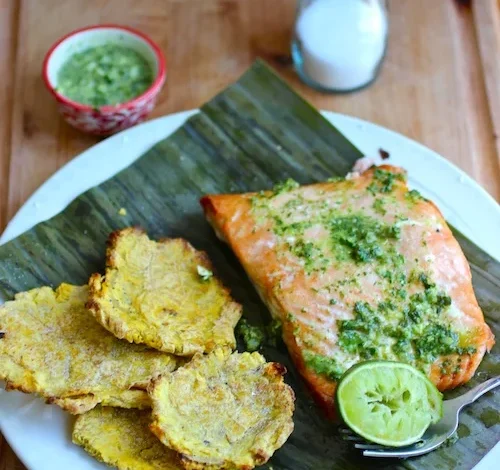
In the landscape of modern culinary arts, the demand for nutrient-dense, efficient meal preparation has led to a resurgence in interest regarding Mediterranean and Latin-inspired seafood preparations. Among the most versatile and nutritionally significant options is the baked salmon fillet, a staple that bridges the gap between gourmet dining and home-kitchen accessibility. By utilizing a traditional cilantro-garlic oil infusion, home cooks can elevate the naturally high omega-3 fatty acid content of Atlantic or Pacific salmon with aromatics that provide both depth of flavor and anti-inflammatory properties.
Nutritional Profile and Health Implications
Salmon remains a cornerstone of heart-healthy diets due to its substantial profile of essential nutrients. According to dietary data, a single 484-kilocalorie serving of baked salmon provides approximately 34 grams of high-quality protein, which is essential for muscle repair and metabolic function. Beyond the macro-nutrients, salmon is a primary source of docosahexaenoic acid (DHA) and eicosapentaenoic acid (EPA), two forms of omega-3 fatty acids that have been clinically linked to reduced cardiovascular risk, lower blood pressure, and improved cognitive health.

The incorporation of cilantro and garlic—key components of the flavor profile—serves a dual purpose. Garlic contains allicin, a sulfur compound associated with antimicrobial and cardiovascular benefits. Cilantro, a member of the Apiaceae family, is rich in antioxidants, including terpinene, quercetin, and tocopherols. When emulsified with high-quality olive oil, these ingredients create a lipid-based medium that aids in the absorption of fat-soluble vitamins, such as Vitamin A and Vitamin D, which are naturally present in salmon.
The Evolution of Simple Seafood Preparation
The methodology of baking fish has evolved from traditional high-heat roasting to more controlled, lower-temperature techniques that prioritize moisture retention. Historically, seafood preparation was dictated by regional access and fire-based cooking methods. Today, the shift toward a 400-degree Fahrenheit (204 degrees Celsius) oven setting for a 15-to-20-minute duration represents a standardized approach to achieving a consistent internal temperature of 145 degrees Fahrenheit (63 degrees Celsius), as recommended by food safety standards.
This technique is particularly effective for thick-cut fillets, as it allows for the coagulation of proteins without the rapid moisture loss associated with pan-searing or broiling. The introduction of an oil-based sauce applied prior to or during the final stage of baking prevents the surface of the fish from drying out, a common failure point in home seafood preparation.

Culinary Methodology and Best Practices
To achieve optimal results in a professional or domestic setting, the selection of raw materials is paramount. Experts in culinary science emphasize the importance of freshness, noting that the texture of salmon should remain firm and the scent should be mild. The preparation of the cilantro-garlic oil is a exercise in infusion; when garlic is minced and allowed to macerate in olive oil for several minutes, the essential oils and capsaicinoids from the garlic permeate the fat, creating a more cohesive flavor profile than applying ingredients separately.
The process follows a logical sequence:
- Preparation: The salmon is patted dry to ensure the oil-based marinade adheres correctly to the surface.
- Infusion: Fresh cilantro is finely chopped to increase surface area, allowing for maximum release of aromatic compounds when combined with the garlic and oil.
- Thermal Application: The fish is placed in the oven at a moderate temperature. The use of a tray allows for even distribution of heat, minimizing the risk of uneven cooking.
- Finishing: A splash of fresh lime juice is typically added post-baking. The acidity of the lime acts as a palate cleanser, cutting through the natural richness of the salmon’s oils and brightening the overall flavor profile.
Socio-Cultural Context and Regional Influences
The use of cilantro as a primary herb is deeply rooted in Colombian and broader Latin American gastronomy. In these regions, cilantro is not merely a garnish but a fundamental aromatic base used in everything from soups to complex stews. The cultural preference for this herb highlights a regional emphasis on fresh, vibrant ingredients that contrast with the heavier, spice-laden profiles of other global cuisines.

The adaptation of this preparation method—specifically the pairing of oily fish with acid-forward sauces—parallels culinary practices in various coastal regions. For instance, while the Colombian influence brings the cilantro-garlic combination to the forefront, the technique mirrors the Mediterranean practice of using citrus to elevate grilled or baked fish. This culinary cross-pollination indicates a growing trend toward "global fusion" in everyday home cooking, where traditional regional flavors are applied to staple proteins to create diverse and healthy meal options.
Broader Economic and Dietary Trends
The increasing popularity of salmon-based dishes in home kitchens is supported by broader economic trends in the aquaculture industry. As consumer awareness regarding the health benefits of fish consumption rises, the availability of sustainably sourced salmon has increased. Supply chain improvements have made fresh and frozen salmon more accessible to the average consumer, allowing for frequent inclusion in weekly meal planning.
From an economic perspective, the shift toward home cooking—often termed the "stay-at-home economy"—has seen a significant uptick in the search for "easy but delicious" recipes. By reducing reliance on processed foods and restaurant dining, households can better control sodium and sugar intake while managing food costs. Baked salmon with cilantro-garlic oil serves as a case study for this transition: it requires minimal, high-value ingredients, limited equipment, and a short, predictable time investment.

Analysis of Dietary Versatility
One of the most significant advantages of this dish is its modularity. The recipe is highly adaptable to dietary restrictions and preferences. For instance, individuals adhering to a ketogenic diet benefit from the high fat-to-protein ratio, while those looking to maintain a low-sodium diet can easily adjust the seasoning without compromising the flavor, as the garlic and cilantro provide significant sensory stimulation.
Furthermore, the option to substitute salmon with other species such as cod, halibut, or trout demonstrates the flexibility of the preparation. Leaner white fish like cod provide a different textural experience, offering a flakier, lighter meal, while the cooking method remains largely the same, requiring only minor adjustments in time to account for the thickness of the fillet.
Conclusion
The preparation of baked salmon with cilantro-garlic oil represents a confluence of nutritional science, culinary efficiency, and cultural tradition. As public health initiatives continue to promote the consumption of omega-3-rich proteins, the value of simple, repeatable, and nutrient-dense recipes will only increase. By focusing on fundamental techniques—proper heat management, the use of fresh aromatics, and the balance of acidity—the home cook can produce a meal that aligns with both clinical health recommendations and high-quality gastronomic standards. This dish serves as an example of how minimal intervention in the kitchen can produce a sophisticated result, reinforcing the importance of quality ingredients and precise, yet straightforward, cooking methodologies in modern daily life.