
Recipes 1958 Easy Garlic Chicken

1958 Easy Garlic Chicken: A Timeless Classic for Modern Kitchens
The allure of 1958 Easy Garlic Chicken lies in its deceptive simplicity and its ability to deliver profound flavor with minimal effort. This recipe, seemingly plucked from a mid-century cookbook, has experienced a resurgence in popularity, not just for its nostalgic charm but for its inherent deliciousness and adaptability. The foundation of this dish is built upon the robust aroma and savory punch of garlic, paired with tender chicken, creating a meal that is both comforting and satisfying. Understanding the core elements of this recipe is key to appreciating its enduring appeal and mastering its execution. At its heart, it’s about coaxing out the best from simple ingredients, a philosophy that resonates deeply with home cooks seeking flavorful and uncomplicated meals. The magic happens when the garlic, often used in generous quantities, transforms during the cooking process, mellowing into a sweet, nutty richness that permeates every bite of the chicken. This isn’t a dish that demands exotic spices or hours of marinating; rather, it relies on the intrinsic qualities of its components and a straightforward cooking technique to achieve its culinary goals.
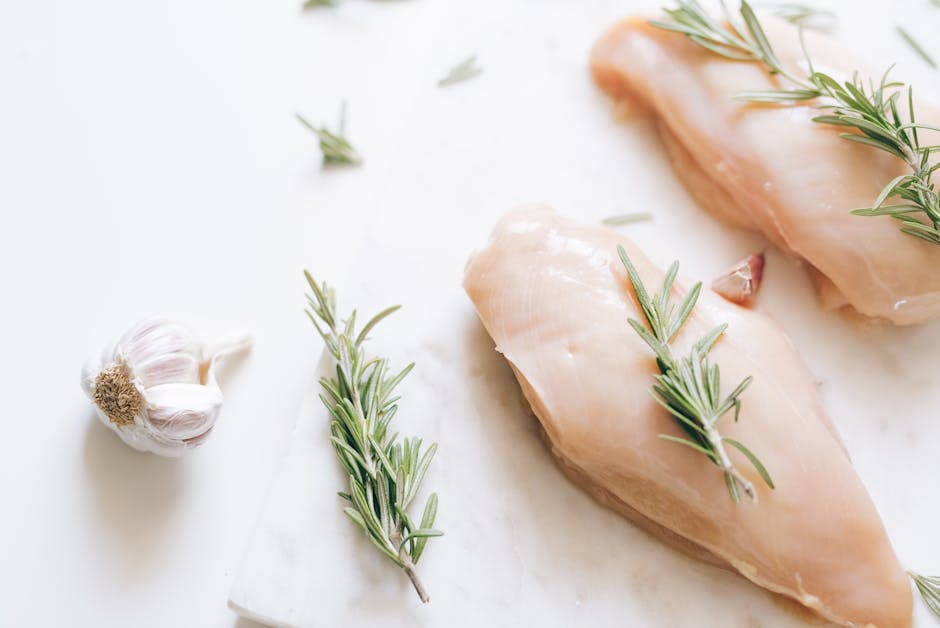
The essential ingredients for 1958 Easy Garlic Chicken are remarkably accessible, contributing to its widespread appeal and ease of preparation. The star, of course, is chicken. While bone-in, skin-on pieces, such as thighs and drumsticks, offer superior flavor and moisture, boneless, skinless chicken breasts can also be used, though cooking times will need adjustment to prevent drying out. The second crucial element is garlic. This recipe typically calls for a significant amount, often whole cloves, which will soften and sweeten as they cook. The choice of garlic – fresh is always best – will dictate the intensity of the flavor. Beyond these two main players, a good quality cooking fat is essential. Traditionally, this would have been butter or rendered lard, but modern interpretations often favor olive oil, or a combination of butter and oil for enhanced flavor and a higher smoke point. Seasoning is kept relatively simple, usually salt and black pepper, allowing the garlic and chicken to shine. Some variations might include a splash of white wine or chicken broth for deglazing and adding a subtle depth of flavor, and a sprinkle of fresh herbs like parsley or thyme towards the end of cooking for a touch of freshness. The beauty of this recipe lies in its minimal ingredient list, making it an economical and practical choice for any household.
The preparation method for 1958 Easy Garlic Chicken is designed for maximum flavor with minimum fuss. The initial step typically involves searing the chicken pieces, skin-side down if using bone-in, skin-on cuts, in the hot fat. This searing process is critical for developing a beautiful golden-brown crust, which not only enhances visual appeal but also locks in juices and contributes a rich, savory depth of flavor. Once seared on all sides, the chicken is often removed from the pan, leaving behind the rendered fat and flavorful bits, known as fond. Next, the garlic, typically whole cloves or roughly chopped, is added to the hot pan and sautéed for a brief period until fragrant. This quick sauté awakens the garlic’s aromatic compounds without burning it, which can lead to bitterness. If using wine or broth, this is the point where it would be added to deglaze the pan, scraping up all the delicious browned bits from the bottom. The chicken is then returned to the pan, nestled amongst the garlic and liquid. The dish is then typically finished by braising or baking, allowing the chicken to cook through gently in the flavorful garlic-infused liquid. This slow cooking method ensures the chicken remains incredibly tender and moist. The lid is often kept on during this stage to trap steam and further promote even cooking and moisture retention.
A particularly common and highly effective method for preparing 1958 Easy Garlic Chicken involves a stovetop to oven transfer, a technique that leverages the best of both worlds. After searing the chicken in an oven-safe skillet, the garlic is sautéed in the rendered fat, followed by the addition of any deglazing liquid, such as white wine or chicken broth. The chicken is then returned to the skillet, and the entire pan is transferred to a preheated oven. This allows for the initial browning and flavor development on the stovetop, followed by the gentle, even cooking in the oven. The oven’s consistent heat ensures that the chicken cooks through thoroughly without the risk of burning the bottom, and the enclosed environment helps to keep the chicken moist. This method is ideal for achieving tender, succulent results with minimal active cooking time. The exact oven temperature and cooking duration will vary depending on the type and size of chicken pieces used. For bone-in pieces, a moderate oven temperature, typically around 375-400°F (190-200°C), for 30-45 minutes is usually sufficient. Boneless, skinless breasts will cook much faster, requiring a shorter time at a slightly lower temperature to prevent overcooking. The key is to cook until the chicken reaches an internal temperature of 165°F (74°C).
The flavor profile of 1958 Easy Garlic Chicken is dominated by the aromatic essence of garlic. When cooked slowly, whole garlic cloves transform from their pungent raw state into sweet, mellow, and almost buttery morsels. This gradual mellowing is a testament to the power of heat and time in transforming ingredients. The garlic imparts a subtle sweetness and a savory depth that complements the natural flavor of the chicken without overpowering it. The searing of the chicken contributes a foundational umami richness, enhanced by the fond left in the pan. The cooking liquid, whether it be wine or broth, adds another layer of complexity, and if herbs are used, they offer a bright, herbaceous counterpoint. The overall impression is one of comforting, familiar flavors that are both deeply satisfying and remarkably uncomplicated. It’s a taste that evokes a sense of nostalgia, a simpler time when good food was synonymous with straightforward preparation and quality ingredients. This nuanced flavor profile, achieved with such a limited ingredient list, is a testament to the enduring culinary wisdom embedded in recipes like this.
The versatility of 1958 Easy Garlic Chicken is one of its most significant strengths, allowing it to be adapted to various preferences and occasions. While the core recipe remains consistent, subtle modifications can yield exciting variations. For those who prefer a richer sauce, a touch of heavy cream or a cornstarch slurry can be incorporated in the final stages of cooking to thicken the pan juices into a luxurious sauce. A squeeze of fresh lemon juice added just before serving can brighten the flavors and cut through the richness. For an extra kick, a pinch of red pepper flakes can be added with the garlic during sautéing. Asparagus, broccoli florets, or cherry tomatoes can be added to the pan during the last 15-20 minutes of oven cooking, absorbing the delicious garlic-infused juices and becoming tender-crisp. This transforms the dish into a more complete one-pan meal. For a different aromatic twist, a sprig of fresh rosemary or thyme can be added to the pan during the braising process. Even the choice of fat can be manipulated; using duck fat for searing will impart a distinct richness, while a mix of butter and olive oil offers a balance of flavor and smoke point.
Serving suggestions for 1958 Easy Garlic Chicken are as straightforward as the recipe itself, focusing on dishes that complement its savory and aromatic profile. The liberated pan juices, rich with garlic essence, are meant to be drizzled generously over the chicken. Creamy mashed potatoes are a classic and perfect vehicle for soaking up these delicious juices. Alternatively, fluffy white rice or a simple pilaf can serve the same purpose. For a lighter accompaniment, crusty bread is ideal for mopping up every last drop of the flavorful sauce. A crisp green salad, dressed with a light vinaigrette, offers a refreshing contrast to the richness of the chicken. Roasted vegetables, such as green beans, asparagus, or Brussels sprouts, are also excellent pairings, providing a textural and nutritional balance. If you’ve opted for the one-pan variation with added vegetables, this can often stand as a complete meal on its own, requiring only a simple side of bread or a light salad. The beauty lies in its adaptability; the side dishes should echo the simplicity and comfort of the main dish.
The enduring popularity of 1958 Easy Garlic Chicken in contemporary cuisine can be attributed to several factors, chief among them being the prevailing trend towards home cooking and simplified meal preparation. In an era where time is a precious commodity, recipes that deliver maximum flavor with minimal effort are highly sought after. This dish fits that bill perfectly. Furthermore, the focus on wholesome, recognizable ingredients aligns with a growing consumer interest in natural and minimally processed foods. Garlic, a universally loved ingredient, provides an accessible yet potent flavor base that appeals to a broad spectrum of palates. The nostalgic element also plays a significant role; many home cooks are rediscovering and revisiting classic recipes from their childhood or from vintage cookbooks, seeking to connect with culinary traditions. The "easy" aspect of the recipe’s name is a powerful marketing tool in itself, promising a stress-free cooking experience. Finally, the inherent deliciousness and comforting nature of well-executed garlic chicken ensures its continued presence on dinner tables, proving that some culinary classics never go out of style. Its adaptability to modern dietary needs and preferences, such as the use of olive oil instead of lard, also contributes to its sustained relevance.
In conclusion, 1958 Easy Garlic Chicken is more than just a recipe; it’s a culinary testament to the power of simplicity and the timeless appeal of well-executed, flavor-forward cooking. Its minimal ingredient list, straightforward preparation, and deeply satisfying taste make it a staple for both novice and experienced home cooks alike. The transformation of humble garlic cloves into sweet, aromatic gems, coupled with tender, succulent chicken, creates a dish that is both comforting and elegant. Whether enjoyed as a weeknight family meal or served to guests, its adaptability and inherent deliciousness ensure its place in the modern culinary repertoire. The enduring popularity of this mid-century classic underscores the universal desire for food that nourishes, comforts, and delights, proving that sometimes, the easiest recipes are indeed the most memorable and the most loved. Its straightforward approach to building flavor, relying on fundamental techniques like searing and gentle braising, offers valuable lessons for any aspiring home cook looking to create delicious and impressive meals without unnecessary complexity.


