
Teriyaki Marinade And Sauce

Teriyaki Marinade and Sauce: The Ultimate Guide to Flavor and Versatility
Teriyaki, a cornerstone of Japanese cuisine, transcends its humble origins to become a globally adored flavor profile. At its heart lies the teriyaki marinade and sauce, a potent blend that imbues dishes with a signature sweet, savory, and umami-rich taste. This guide explores the fundamental components, variations, applications, and the science behind this beloved condiment, offering a comprehensive resource for home cooks and culinary enthusiasts seeking to master the art of teriyaki. Understanding the nuances of teriyaki involves dissecting its core ingredients, appreciating regional adaptations, and exploring its extensive culinary reach. Whether you are a seasoned chef or a beginner in the kitchen, this article will equip you with the knowledge to create, utilize, and elevate your teriyaki creations to new heights. The pervasive appeal of teriyaki stems from its ability to transform ordinary ingredients into extraordinary culinary experiences, making it an indispensable element in countless kitchens worldwide.
The foundational elements of authentic teriyaki are deceptively simple yet profoundly impactful. The primary pillars are soy sauce, mirin, sake, and sugar. Soy sauce provides the essential salty, umami base, lending depth and a characteristic brown hue. Its fermentation process contributes complex flavor compounds that are difficult to replicate. Mirin, a type of sweet rice wine, is crucial for its subtle sweetness, glossy finish, and tenderizing properties. Unlike regular sake, mirin contains a higher sugar content and a lower alcohol percentage, making it ideal for glazes. Sake, another Japanese rice wine, contributes a mild alcoholic note that helps to tenderize meat and adds a layer of complexity to the flavor profile, often overlooked but vital for authentic taste. Sugar, typically granulated or brown sugar, acts as a sweetener and caramelizing agent, creating that coveted sticky, lacquered finish when cooked. The ratio of these ingredients is paramount; a delicate balance is required to achieve the perfect sweet-savory equilibrium. Too much soy sauce can lead to an overwhelmingly salty dish, while excessive sugar can result in a cloying sweetness. The interplay between these core components is what defines the teriyaki essence.
Beyond the foundational ingredients, numerous variations and enhancements elevate teriyaki from a basic glaze to a culinary chameleon. Garlic and ginger are ubiquitous additions, offering pungent aromatics that complement the sweet and savory notes. Freshly minced garlic provides a sharp bite, while grated ginger adds a warm, slightly peppery kick. Sesame oil, particularly toasted sesame oil, introduces a nutty aroma and a rich, toasted flavor that is unmistakably teriyaki. A splash of rice vinegar can be incorporated to add a touch of acidity, balancing the sweetness and preventing the glaze from becoming overly rich. For those seeking a spicier teriyaki, red pepper flakes, chili paste, or a dash of sriracha can be introduced, adding a welcome heat that awakens the palate. Some recipes may also include honey or maple syrup as alternative sweeteners, offering different flavor profiles and viscosities. Fruit juices, such as pineapple or orange juice, can be added to introduce a fruity sweetness and acidity, particularly effective for tenderizing tougher cuts of meat. The beauty of teriyaki lies in its adaptability; these additions allow for personalization and the creation of unique flavor profiles tailored to specific dishes and preferences. Experimentation with these optional ingredients is encouraged to discover your signature teriyaki.
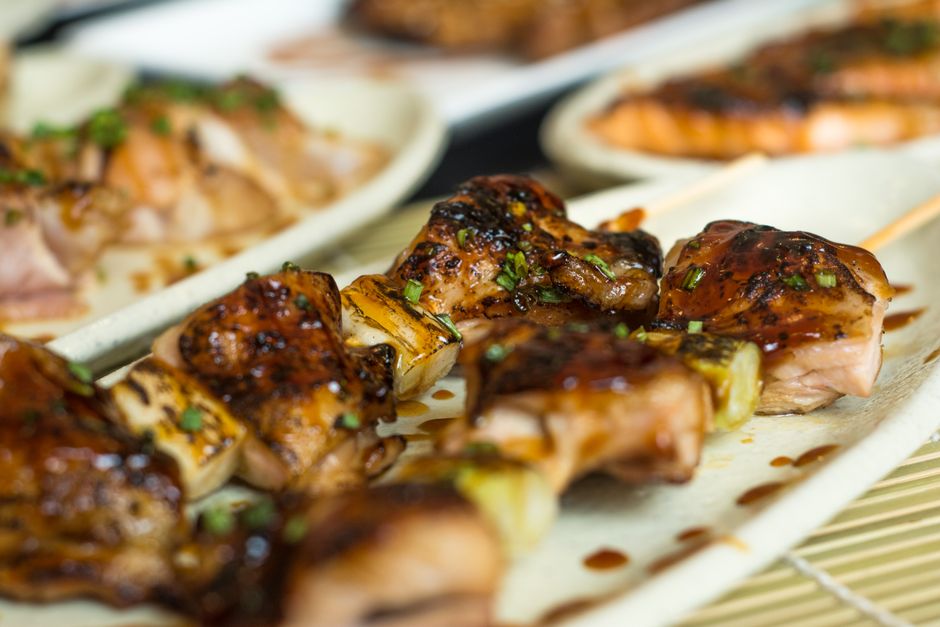
The versatility of teriyaki marinade and sauce is truly remarkable, extending across a vast spectrum of culinary applications. Its most iconic use is as a glaze for grilled and broiled meats. Chicken, beef, and salmon are particularly well-suited to teriyaki, their inherent flavors harmonizing beautifully with the glaze. When applied during the final stages of cooking, the sugars in the teriyaki caramelize, creating a glossy, enticing exterior. Beyond grilling, teriyaki shines in stir-fries, coating vegetables and proteins in its signature flavor. The sauce acts as both a binder and a flavor enhancer, ensuring every bite is infused with teriyaki goodness. It is an excellent marinade for skewers, infusing cubes of meat and vegetables with deep flavor before they hit the grill or oven. As a dipping sauce, teriyaki offers a robust counterpoint to lighter fare, such as spring rolls, tempura, or even fried chicken. The possibilities continue with roasted dishes; coating vegetables like broccoli, Brussels sprouts, or sweet potatoes in teriyaki before roasting creates a delectable caramelized exterior and a sweet-savory interior. It can also be incorporated into noodle dishes, rice bowls, and even as a dressing for salads. For those seeking plant-based options, teriyaki is a superb marinade for tofu, tempeh, and a variety of vegetables, transforming them into flavor-packed centerpieces. Its ability to adapt to diverse cooking methods and ingredient types solidifies its status as a kitchen staple.
The science behind teriyaki’s appeal lies in the intricate interplay of flavor compounds and chemical reactions that occur during cooking. The umami, or savory taste, is primarily derived from the glutamates present in soy sauce. These glutamates bind to specific receptors on the tongue, triggering a sensation of richness and satisfaction. The sweetness from mirin and sugar stimulates sweetness receptors, creating a pleasant counterpoint to the savory notes. The Maillard reaction, a complex chemical process that occurs when proteins and reducing sugars are heated, is responsible for the browning and characteristic flavors of cooked teriyaki. This reaction generates hundreds of new flavor compounds, including roasted, nutty, and toasted notes, contributing significantly to the overall complexity and aroma of the dish. Caramelization, the browning of sugars when heated, further enhances the sweetness and creates the glossy, sticky texture of the glaze. The alcohol in sake, while evaporating during cooking, plays a role in tenderizing meat by breaking down protein structures. The acidity, whether from rice vinegar or fruit juices, helps to balance the richness and brightens the overall flavor profile. Understanding these scientific principles allows for a more informed approach to creating and cooking with teriyaki, optimizing flavor development and textural outcomes.
Homemade teriyaki offers distinct advantages over store-bought alternatives, primarily in terms of control over ingredients and flavor customization. Store-bought sauces often contain high levels of sodium, artificial preservatives, and unnecessary added sugars. By making teriyaki from scratch, you can meticulously select the quality of your soy sauce, opt for healthier sweeteners, and adjust the flavor balance to your precise preferences. The process of making teriyaki at home is surprisingly straightforward and rewarding. A basic recipe involves simmering soy sauce, mirin, sake, and sugar until slightly thickened. The addition of fresh ginger and garlic at this stage infuses the sauce with their potent aromatics. For a smoother sauce, straining out the solids after simmering is an option, though many prefer the texture and visual appeal of the minced aromatics. The cooling process further thickens the sauce as the sugar content concentrates. For those who prefer a thicker, more glaze-like consistency, a cornstarch slurry can be incorporated at the end of the cooking process, stirring in a mixture of cornstarch and water until the desired thickness is achieved. The ability to control the viscosity allows for tailoring the sauce to specific applications, whether it’s a light coating for stir-fries or a robust glaze for grilled meats.
Marinating is an art form, and teriyaki is a masterful tool for its execution. The duration of marination significantly impacts flavor penetration and meat tenderness. For delicate proteins like fish or chicken breast, a marinating time of 30 minutes to 2 hours is generally sufficient. This allows the flavors to infuse without the risk of the protein becoming mushy or too salty. For tougher cuts of red meat, such as flank steak or skirt steak, a longer marination period of 4 to 12 hours, or even overnight in the refrigerator, is recommended. The enzymes in the soy sauce and the acidity from any added vinegar or citrus juice will work to break down the muscle fibers, resulting in a more tender and flavorful final product. It’s crucial to avoid over-marinating, as it can lead to an undesirable texture. Always marinate in a non-reactive container, such as glass or food-grade plastic, to prevent any metallic taste from leaching into the food. When using teriyaki as a marinade, consider reserving some of the uncooked marinade to brush onto the food during cooking, further intensifying the flavor and creating that signature glossy finish. However, it is important to note that any marinade that has come into contact with raw meat should not be consumed directly and must be cooked thoroughly if used as a sauce.
The nutritional profile of teriyaki marinade and sauce is an important consideration for health-conscious individuals. The primary contributors to its nutritional content are sodium from soy sauce, sugars from mirin and added sweeteners, and a small amount of carbohydrates. While these components contribute to its delicious flavor, excessive consumption can lead to a higher intake of sodium and sugar. Opting for low-sodium soy sauce can significantly reduce the sodium content. Using natural sweeteners like honey or maple syrup in moderation, or reducing the overall amount of added sugar, can mitigate the sugar intake. The addition of ginger and garlic, while enhancing flavor, also provides trace amounts of vitamins and minerals, and potential antioxidant benefits. When creating homemade teriyaki, a conscious effort to balance the sweet and savory elements can lead to a healthier rendition. Understanding these nutritional aspects allows for mindful preparation and consumption, ensuring that the enjoyment of teriyaki doesn’t come at the expense of dietary goals. Portion control is also key; even a well-balanced teriyaki sauce can contribute significant calories and sodium if used in excessive quantities.
Storage and shelf-life of teriyaki marinade and sauce are practical considerations for any home cook. Properly stored homemade teriyaki will typically last for about 1 to 2 weeks in the refrigerator. It is essential to store it in an airtight container to prevent spoilage and absorption of odors. As the sauce contains sugars, it is susceptible to bacterial growth if left at room temperature for extended periods. If any signs of spoilage, such as off-odors, mold, or a change in texture or color, are observed, the sauce should be discarded. For longer-term storage, freezing is a viable option. Teriyaki sauce freezes well and can retain its quality for several months. It is advisable to freeze it in smaller portions, such as ice cube trays or small freezer-safe containers, for easy thawing and use. Thawed teriyaki sauce may have a slightly different consistency, but a gentle rewarming and whisking usually restores it to its original state. Commercially produced teriyaki sauces generally have a longer shelf-life due to the presence of preservatives, but always check the expiration date on the packaging. Understanding proper storage techniques ensures the safety and quality of your teriyaki creations.
In conclusion, teriyaki marinade and sauce represent a culinary phenomenon born from a harmonious blend of simple ingredients and a mastery of flavor balance. Its foundational components of soy sauce, mirin, sake, and sugar, when expertly combined, create a taste profile that is both complex and universally appealing. The adaptability of teriyaki, with its myriad of possible additions and applications, solidifies its position as an indispensable condiment in kitchens worldwide. From the vibrant heat of chili to the nutty undertones of sesame, teriyaki can be customized to suit any palate or dish. The scientific underpinnings of its flavor development, involving the Maillard reaction and caramelization, further illuminate its culinary significance. By understanding the principles of marination, the benefits of homemade preparation, and the nuances of its nutritional composition, individuals can unlock the full potential of teriyaki, transforming everyday meals into extraordinary culinary experiences. Whether grilling, stir-frying, or dipping, teriyaki offers an unparalleled pathway to deliciousness.


