
The Best Kale Salad

The Ultimate Kale Salad: A Nutritional Powerhouse of Flavor and Texture
This article delves into the creation and optimization of a truly exceptional kale salad, a dish that transcends its reputation for toughness and bitterness to become a vibrant, satisfying, and deeply nutritious meal. We will explore the fundamental components that elevate a simple kale salad to a culinary masterpiece, focusing on ingredients, preparation techniques, dressing strategies, and the synergistic interplay of textures and flavors. Optimizing this dish for search engines requires a comprehensive understanding of user intent, keyword relevance, and the delivery of valuable, actionable information.
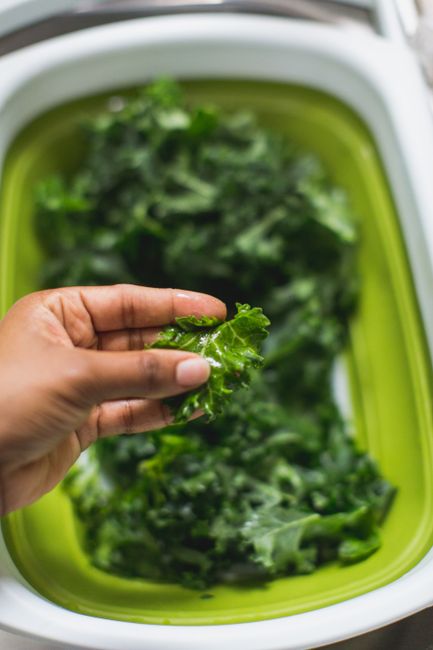
The foundation of any superior kale salad lies in the kale itself. Not all kale varieties are created equal when it comes to raw consumption. While mature Lacinato (Dinosaur) kale and curly kale are popular choices, they often require significant massaging to tenderize. For a more approachable and naturally tender raw kale experience, consider baby kale varieties or Red Russian kale. Baby kale, harvested young, offers a delicate texture and milder flavor profile, making it ideal for those new to kale salads. Red Russian kale, with its flat, feathery leaves and vibrant purple stems, boasts a sweeter, more delicate taste and a tenderer texture than its curly cousins, requiring less intense preparation. When selecting kale, look for firm, deeply colored leaves without wilting or yellowing. Organic options are often preferred for their absence of pesticides and their generally superior nutrient density. The crucial step for raw kale consumption is proper preparation. Simply chopping kale leaves will result in tough, chewy bites. Massaging the kale is paramount. Tear the kale into bite-sized pieces, discarding the tough central ribs. Place the torn kale in a large bowl and drizzle with a small amount of olive oil (about a teaspoon per cup of kale) and a pinch of salt. Using your hands, vigorously massage the kale for 2-5 minutes. You will notice the leaves softening, darkening in color, and becoming more pliable. This process breaks down the tough cellulose structures, making the kale easier to digest and significantly improving its palatability. For those who find even massaged kale too strong, a brief blanching or steaming can also tenderize it, though this moves away from the classic raw kale salad experience. However, understanding this variation is important for catering to a wider audience interested in "healthy kale recipes."
Beyond the kale, the supporting cast of ingredients dictates the complexity and appeal of the salad. This is where the concept of a "best kale salad" truly comes into play. The interplay of textures is as vital as the flavor. Introduce a creamy element to counter the kale’s slight bitterness and crispness. Avocado, cubed or mashed, provides healthy fats and a luxurious texture. Toasted nuts and seeds, such as walnuts, almonds, pecans, or pumpkin seeds, offer a satisfying crunch and a boost of protein and healthy fats. Consider adding dried fruits for a touch of sweetness and chewiness, such as cranberries, raisins, or chopped dates. For a more substantial and nutrient-dense salad, incorporate cooked grains like quinoa, farro, or brown rice, adding a delightful chewiness and further protein. Roasted sweet potatoes or butternut squash offer a sweet, caramelized contrast and a soft, yielding texture. Crispy elements are also crucial. Toasted chickpeas, baked or pan-fried, provide a delightful crunch and protein. Croutons, while a classic, can be a less healthy option; consider homemade whole-grain croutons or even crispy kale chips as a more nutritious alternative. The introduction of finely diced red onion or shallots adds a pungent bite that awakens the palate, while thinly sliced bell peppers (red, yellow, or orange) introduce sweetness and vibrant color. Consider adding crumbled cheese for a salty, savory counterpoint. Feta, goat cheese, or shaved Parmesan are excellent choices, depending on the desired flavor profile. The key is balance and contrast. Avoid overcrowding the salad; each element should have a purpose and a distinct flavor or textural contribution.
The dressing is the unifying force of the kale salad, the element that binds all the flavors together and enhances the overall experience. A heavy, overly creamy dressing can drown out the fresh flavors of the ingredients, while a bland dressing will leave the salad wanting. The "best kale salad" demands a dressing that is vibrant, balanced, and complements the kale. For a classic and foolproof option, consider a lemon-tahini dressing. The tahini provides a creamy, nutty base, while lemon juice offers bright acidity. A simple vinaigrette is another excellent choice. The foundation of a good vinaigrette is a ratio of approximately three parts oil to one part acid (vinegar or citrus juice). Extra virgin olive oil is a staple, offering a fruity, peppery note. For the acid, consider red wine vinegar, balsamic vinegar, apple cider vinegar, or fresh lemon or lime juice. To elevate a basic vinaigrette, incorporate Dijon mustard for emulsification and a tangy bite, honey or maple syrup for a touch of sweetness, and finely minced garlic for pungency. Herbs are essential for adding freshness and complexity. Finely chopped fresh parsley, cilantro, dill, or chives can significantly enhance the dressing’s flavor. For a dressing specifically tailored to kale, think about balancing its inherent earthiness and slight bitterness. A touch of sweetness, like honey or maple syrup, can mitigate bitterness. A creamy element, such as avocado or Greek yogurt, can round out the flavors. For optimal SEO, consider keywords like "healthy kale salad dressing," "creamy kale salad dressing," or "lemon vinaigrette for kale."
Beyond the core ingredients and dressing, consider flavor enhancers and optional additions that can elevate your kale salad to new heights. Fresh herbs are invaluable. Beyond parsley and cilantro, consider mint for a refreshing burst, or basil for an aromatic sweetness. For a savory depth, consider adding capers for their briny punch, or sun-dried tomatoes for their concentrated sweetness and chewiness. For a touch of spice, a pinch of red pepper flakes can add a pleasant warmth. If you are aiming for a more substantial meal, consider adding protein sources such as grilled chicken or salmon, or chickpeas for a vegetarian option. The "best kale salad" is a versatile canvas, allowing for endless customization. When discussing kale salad for SEO purposes, it’s beneficial to include variations like "Mediterranean kale salad," "Southwestern kale salad," or "quinoa kale salad" to capture a broader range of searches.
The preparation method for the kale itself is a critical factor in achieving a superior texture and flavor. As previously mentioned, massaging is key. However, the intensity and duration of massaging can be adjusted based on the type of kale and personal preference. For a more robust salad, a shorter massage might suffice, leaving some of the kale’s natural crispness. For those seeking ultimate tenderness, a longer massage, or even a brief soak in cold water after massaging, can further break down the fibers. When chopping the kale, aim for uniform, bite-sized pieces. This ensures that each bite contains a balanced mix of flavors and textures. Over-handling or bruising the kale excessively during chopping can lead to a mushy texture.
The art of combining the ingredients is as important as their individual selection and preparation. The dressing should not be added to the salad until just before serving, especially if you want to maintain the crispness of the kale and other vegetables. If the salad is to be made ahead of time, keep the dressing separate and toss the salad just before serving. This is a crucial tip for anyone searching for "make-ahead kale salad" or "kale salad that doesn’t get soggy." When tossing the salad, do so gently but thoroughly, ensuring that all the ingredients are evenly coated with the dressing.
Nutritionally, the kale salad is a champion. Kale itself is a nutritional powerhouse, packed with vitamins A, C, and K, as well as calcium, potassium, and antioxidants. By incorporating a variety of other nutrient-dense ingredients, such as healthy fats from avocado and nuts, protein from seeds or grains, and fiber from vegetables, you create a meal that is both incredibly satisfying and exceptionally beneficial for overall health. Keywords like "kale salad nutrition," "healthy lunch ideas," and "superfood salad" are essential for attracting users seeking the health benefits of this dish.
SEO optimization for this article involves strategically weaving in relevant keywords naturally throughout the text. Core keywords include "kale salad," "best kale salad," "healthy kale salad," and "easy kale salad." Secondary keywords and long-tail phrases such as "how to make kale salad tender," "kale salad dressing recipe," "kale salad with lemon tahini dressing," "nutritious kale salad," and "kale salad for weight loss" should also be incorporated where appropriate. The use of headings and subheadings (though not explicitly used in this text format due to the requested paragraph structure) would be crucial in a web article to break up content and improve readability and search engine crawlability. Image optimization with descriptive alt text containing relevant keywords is also a vital component of SEO for any recipe-based content.
Ultimately, the "best kale salad" is subjective and can be tailored to individual preferences and dietary needs. However, by focusing on quality ingredients, proper preparation techniques, a balanced dressing, and a thoughtful combination of textures and flavors, one can create a kale salad that is not only delicious and satisfying but also a cornerstone of a healthy diet. The goal is to provide a comprehensive guide that empowers readers to create their own perfect kale salad, driving engagement and establishing authority on the topic. The emphasis on "tender kale," "flavorful dressing," and "balanced nutrition" will resonate with users searching for actionable advice and delicious, healthy recipes. Understanding the nuances of kale preparation, from massaging to ingredient pairings, is paramount to transcending the common perception of kale as a bitter, unpalatable green and firmly establishing it as a versatile and beloved salad base.


