Chilean Cabernet Sauvignon has firmly established itself as a cornerstone of the South American viticultural landscape, captivating international critics and casual consumers alike. Long recognized as an ideal sanctuary for classic Bordeaux-style grape varieties, the South American nation has leveraged its unique geography and Mediterranean climate to produce red wines of exceptional structure, depth, and character. This ascent represents a significant evolution in global winemaking, shifting the perception of New World wines and offering an compelling alternative to traditional Old World powerhouses.
The roots of Chilean winemaking stretch back centuries, establishing a rich historical framework that underpins the modern industry. Spanish conquistadors first introduced Vitis vinifera vines to the fertile hills of Chile as early as the 16th century. For generations, the dominant varietal cultivated was Pais, historically known as Listán Prieto. These early vines produced dense, rustic, and highly tannic wines that functioned primarily as the foundational "house wines" of the region. This heritage of robust viticulture created a resilient agricultural foundation upon which subsequent generations of winemakers would build.
By the 19th and 20th centuries, the Chilean wine industry underwent a profound paradigm shift. Visionary winemakers began looking toward France, particularly the esteemed wine estates of Bordeaux, for inspiration. They imported classic French varietals—including Cabernet Sauvignon, Merlot, Carmenère, and Cabernet Franc—and planted them extensively in the central valleys. During the latter half of the 20th century, Chile earned a global reputation for producing fruity, accessible, and economically accessible Cabernet and Merlot. While this strategy successfully penetrated international markets, it inadvertently pigeonholed the country’s output as simple, mass-market fare, overshadowing the true potential of its terroir.

In recent decades, however, a concerted push toward quality over quantity has transformed Chile’s wine economy. Industry analysts and agronomists note a sustained uptick in investment, driven heavily by prominent French wine producers and domestic innovators who recognized the unique potential of Chile’s terroir. Today, the country’s winemaking regions are lauded for producing complex, age-worthy Cabernet Sauvignons that rival those of more established global regions.
Geographically and climatically, Chile possesses an extraordinary advantage. Flanked by the Andes Mountains to the east and the Pacific Ocean to the west, the country’s central valleys benefit from a classic Mediterranean climate characterized by warm, sun-drenched days and cool evening temperatures. This significant diurnal temperature variation allows grapes to achieve optimal phenolic ripeness while retaining vital natural acidity.
Among these microclimates, the Maipo Valley has emerged as the premier epicenter for Cabernet Sauvignon. Often compared favorably to California’s Napa Valley, the Maipo Valley yields full-bodied red wines defined by distinctive aromatics and flavor profiles. Tasting notes frequently highlight prominent characteristics of black currant, black cherry, fig paste, and baking spices, supported by a structured tannic backbone.
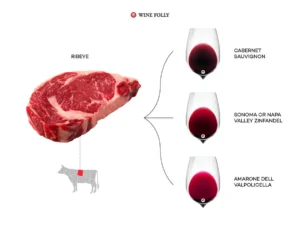
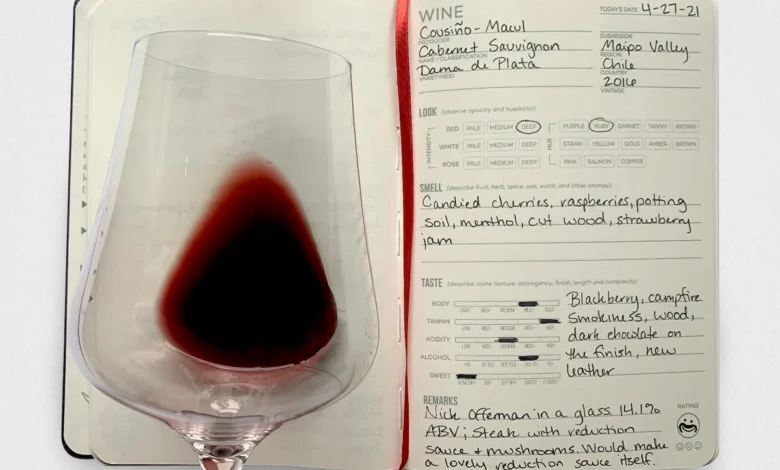
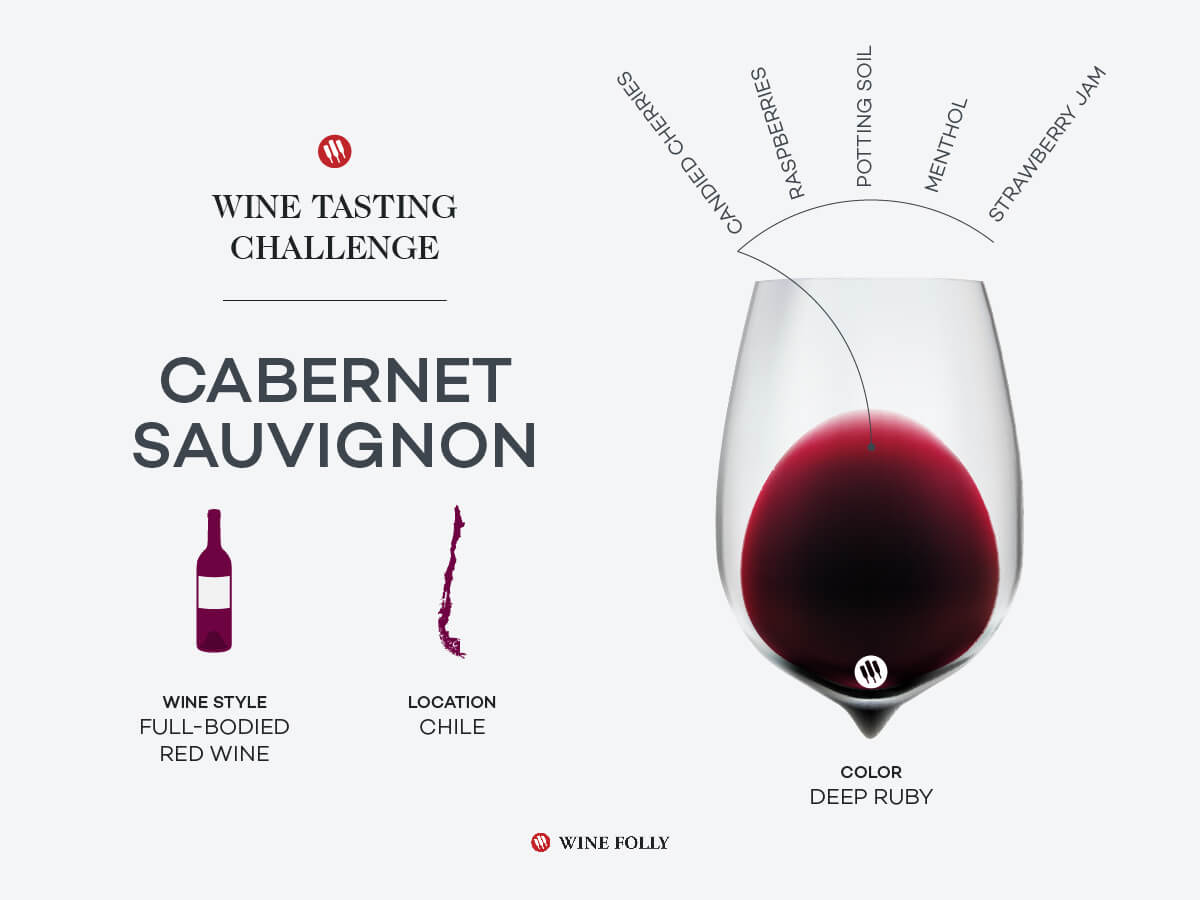
To better understand this regional expression, wine educators and enthusiasts frequently utilize structured evaluation frameworks, such as the Wine Tasting Challenge—a 34-week educational initiative designed to systematically expand the sensory palates of participants using 34 distinct wines from 12 countries. Within this context, bottles such as the 2016 Cousiño Macul Dama de Plata from the Maipo Valley provide a textbook example of the region’s capabilities. Exhibiting a deep ruby appearance, the wine presents complex aromas of candied cherries, raspberries, potting soil, menthol, cut wood, and strawberry jam. On the palate, it delivers a full-bodied profile framed by substantial tannins, culminating in a persistent finish marked by blackberry, campfire smokiness, wood, and dark chocolate. Food pairing recommendations for such robust expressions traditionally lean toward rich proteins, such as pan-seared steak served with a mushroom reduction sauce.
The implications of Chile’s winemaking renaissance extend far beyond South America, influencing global market dynamics and consumer purchasing habits. As global wine consumers increasingly seek value without compromising quality, Chilean Cabernet Sauvignon occupies a highly advantageous market segment. Industry observers emphasize that consumers can frequently secure bottles of exceptional complexity and aging potential from Chile at a fraction of the cost commanded by equivalent vintages from Bordeaux or Napa Valley.
Furthermore, the continuous influx of international capital and winemaking expertise has elevated sustainability standards across Chilean vineyards. Many estates have transitioned toward organic and biodynamic farming methods, capitalizing on the country’s naturally arid conditions and isolation, which protect vines from many common agricultural pests and diseases.
As educational programs like the Wine Tasting Challenge conclude their structured itineraries—encouraging enthusiasts to transition from structured 34-week programs to broader explorations encompassing 52 wines in a year, or regional dives into Portuguese Vinho Verde, Hungarian Tokaji, and German Spätburgunder—the broader trajectory of Chilean wine remains exceedingly bright. The global wine market has taken definitive notice of Chile’s potential, ensuring that its premier Cabernet Sauvignons will remain a dominant force in fine dining and collector cellars for decades to come.