
Ultimate Twice Baked Potatoes
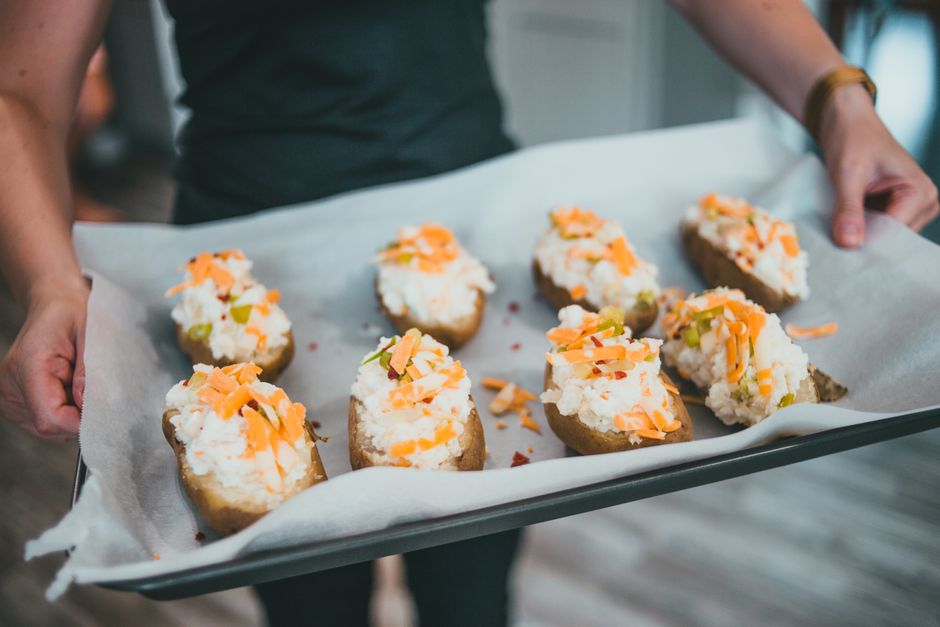
The Ultimate Twice-Baked Potato: A Comprehensive Guide to Creamy, Crispy Perfection
The twice-baked potato, a beloved comfort food staple, transcends its simple origins to become a canvas for culinary creativity and a guaranteed crowd-pleaser. This seemingly straightforward dish involves a two-stage baking process that unlocks an unparalleled depth of flavor and an irresistible textural contrast. The initial bake softens the potato, preparing it for its transformation. The second bake, after the fluffy interior has been mashed and mixed with rich accompaniments, crisps the skin to a delightful crunch and melds the flavors into a harmonious symphony. Mastering the ultimate twice-baked potato is not just about following a recipe; it’s about understanding the science behind the perfect potato and the art of infusing it with your desired taste profile. This comprehensive guide will delve into every aspect, from selecting the ideal potato to exploring a myriad of topping possibilities, ensuring your twice-baked potatoes reach their zenith of deliciousness.
Selecting the Right Potato: The Foundation of Flavor
The choice of potato is paramount to achieving the ultimate twice-baked experience. Not all potatoes are created equal when it comes to holding their shape, absorbing butter and cream, and achieving that coveted fluffy interior. For twice-baked potatoes, a starchy potato is the undisputed champion. These varieties possess a lower moisture content and a higher starch-to-water ratio, which translates to a light, airy, and easily mashable potato flesh. The prime candidate in this category is the Russet potato, also known as the Idaho potato. Its thick, rough skin is ideal for baking and crisps beautifully, while its dense, starchy interior readily absorbs the rich additions that make twice-baked potatoes so special. Other suitable options include King Edward and Maris Piper, though Russets remain the gold standard for their consistent results. Avoid waxy potatoes like Yukon Gold or red potatoes. While delicious roasted or boiled, their higher moisture content will result in a denser, gummier interior, detracting from the light and fluffy texture we aim for. When selecting your Russets, look for firm potatoes with smooth, unblemished skin. Avoid any that feel soft or have eyes that are too deep, as this can indicate spoilage or a less desirable texture. The size of the potato also plays a role; aim for medium to large potatoes, as they offer ample surface area for the skin to crisp and a generous amount of filling.
The First Bake: Setting the Stage for Success
The initial bake is a crucial step that requires careful attention to temperature and time. The goal here is to cook the potato through until it is tender when pierced with a fork, but not so soft that it collapses or becomes mushy. Preheating your oven to 400°F (200°C) is the ideal starting point. This high heat promotes even cooking and helps to develop the skin’s texture. Thoroughly wash your potatoes under cold running water, scrubbing away any dirt or debris. Pat them completely dry with a paper towel. Moisture on the skin can steam the potato rather than bake it, leading to a less crispy result. For enhanced flavor and a more appealing finish, lightly brush the exterior of each potato with olive oil or melted butter. Season generously with coarse sea salt and freshly cracked black pepper. The salt will help to draw out moisture from the skin, contributing to its crispiness, and will also impart a subtle flavor. Prick each potato several times with a fork or a skewer. This allows steam to escape during baking, preventing the potato from bursting and ensuring even cooking. Place the seasoned potatoes directly on the oven rack or on a baking sheet lined with parchment paper. Baking time will vary depending on the size of the potatoes, but typically ranges from 45 to 60 minutes. The potatoes are ready when a fork easily pierces through the center with minimal resistance. Avoid over-baking at this stage, as it can lead to a dry interior. Once baked, remove them from the oven and let them cool for about 10-15 minutes, or until they are cool enough to handle but still warm.
Scooping and Mashing: Creating the Perfect Canvas
Once the potatoes have cooled slightly, it’s time to prepare the interior for its flavorful transformation. Carefully slice each potato in half lengthwise. Be precise with your cut; you want two distinct halves to act as individual vessels. Using a spoon, gently scoop out the fluffy potato flesh, leaving a ¼-inch to ½-inch border of potato attached to the skin. This creates a sturdy shell that will hold the filling without collapsing. Be cautious not to scoop too close to the skin, as this can compromise the structural integrity of the potato. The scooped-out potato flesh should be placed in a large mixing bowl. Now comes the mashing. You can use a potato masher for a slightly chunkier texture or a fork for a smoother consistency. For an ultra-creamy result, a ricer or food mill is ideal. Avoid using a food processor or blender, as these can overwork the potato starch and result in a gluey, unappealing texture. The key to a truly ultimate twice-baked potato lies in the additions at this stage. The classic combination includes butter and dairy. Start with good quality unsalted butter, and don’t be shy with it. Melted butter will emulsify beautifully with the potato starch. Next, incorporate a rich dairy element. Sour cream is a popular choice, adding tang and creaminess. Full-fat Greek yogurt offers a similar richness with a bit more protein and a slightly tangier profile. Heavy cream or milk can also be used to achieve your desired consistency, but it’s best to add them gradually. Season the mashed potato mixture generously with salt and freshly cracked black pepper. Taste as you go; seasoning is crucial for bringing out the full flavor of the potato.
The Second Bake: The Culmination of Crispy and Creamy
With the potato interior mashed and mixed, it’s time for the second bake, where the magic truly happens. Preheat your oven to 375°F (190°C). This slightly lower temperature than the initial bake is ideal for melting the cheese, cooking the filling through, and crisping the skin without burning. Carefully spoon the mashed potato mixture back into the potato skins, mounding it slightly. Ensure an even distribution so that each bite is rich in flavor. For a truly indulgent experience, top generously with your chosen cheese. Shredded cheddar, Monterey Jack, Gruyère, or a blend are all excellent options. The cheese will melt and create a gooey, delicious topping that complements the creamy potato. Some opt to brush the exterior of the potato skins with a little extra melted butter or olive oil for an even crispier skin. Place the filled potato halves back on the baking sheet. The second bake typically takes 20 to 30 minutes. You’re looking for the cheese to be melted and bubbly, and the edges of the potato skin to be golden brown and delightfully crisp. If you desire an even crispier skin, you can briefly place the potatoes under the broiler for the last 1-2 minutes, but watch them very carefully to prevent burning.
Classic Topping Combinations: Time-Tested Favorites
While the foundation of a great twice-baked potato is excellent, the toppings are where true personalization and ultimate deliciousness are achieved. Here are some classic and universally loved topping combinations to elevate your twice-baked potatoes:
-
Classic Cheese and Bacon: This is the undisputed champion for a reason. Crispy, crumbled bacon adds a salty, smoky crunch that pairs perfectly with melted cheddar cheese and the creamy potato. A dollop of sour cream and a sprinkle of chives or green onions finish this iconic favorite.
-
Broccoli Cheddar: A lighter yet still incredibly satisfying option. Steam or blanch small broccoli florets until tender-crisp. Fold them into the mashed potato mixture along with shredded sharp cheddar cheese. The vibrant green of the broccoli adds visual appeal and a fresh counterpoint to the richness.
-
Chili Cheese: For a heartier, more robust flavor. Spoon your favorite beef or vegetarian chili over the mashed potato filling before topping with shredded cheese. The warmth and spice of the chili meld beautifully with the creamy potato and gooey cheese.
-
Sour Cream and Chives: The simplest yet most elegant of combinations. The tang of sour cream and the fresh, oniony bite of chives provide a clean and refreshing contrast to the rich potato. This is a great option if you want the pure potato flavor to shine.
-
Garlic Herb: Infuse your mashed potato mixture with finely minced garlic and a medley of fresh herbs like parsley, thyme, and rosemary. Top with Parmesan cheese for an extra layer of savory flavor.
Creative and Gourmet Topping Ideas: Pushing the Boundaries
For those who like to experiment and push the culinary envelope, the twice-baked potato offers endless possibilities for gourmet creations:
-
Pulled Pork and BBQ: Generously top your twice-baked potatoes with slow-cooked pulled pork and your favorite barbecue sauce. A sprinkle of coleslaw on top adds a refreshing crunch.
-
Buffalo Chicken: Shredded chicken tossed in buffalo sauce, mixed with blue cheese crumbles, and topped with more blue cheese and a drizzle of ranch dressing. This offers a spicy, tangy, and creamy explosion of flavor.
-
Lobster or Crab Imperial: Elevate your twice-baked potatoes with succulent pieces of lobster or crab meat mixed with a creamy, buttery sauce and seasoned with paprika and a hint of lemon. This is a luxurious and impressive dish.
-
Spinach and Artichoke: A classic dip transformed into a potato topping. Combine sautéed spinach, chopped artichoke hearts, cream cheese, Parmesan, and mozzarella for a decadent and flavorful filling.
-
Mushroom and Swiss: Sautéed mixed mushrooms (cremini, shiitake, oyster) with caramelized onions and Gruyère cheese create an earthy and nutty flavor profile that is both sophisticated and comforting.
-
Smoked Salmon and Dill: Flaked smoked salmon, fresh dill, capers, and a touch of crème fraîche folded into the mashed potato mixture, then topped with a sprinkle of fresh dill. This offers a sophisticated, smoky, and fresh taste.
Tips for Perfecting Your Twice-Baked Potatoes: The Nuances of Excellence
Beyond the core steps, a few expert tips can elevate your twice-baked potatoes from good to truly unforgettable:
-
Don’t Overwork the Mashed Potato: As mentioned, over-mashing can lead to a gummy texture. Aim for a consistency that is creamy but still has some discernible potato texture.
-
Season Generously at Every Stage: Potatoes are a blank canvas that require ample seasoning. Don’t be afraid to salt and pepper the potatoes before the first bake, the mashed potato mixture, and even the final toppings.
-
Embrace the Fat: Butter, sour cream, heavy cream, and cheese are essential for creating that signature richness and creamy texture.
-
Crisp the Skin: A crispy skin is as important as a creamy interior. Ensure your potatoes are dry before baking, consider a light brushing of oil or butter on the exterior, and don’t be afraid of a little browning.
-
Make Ahead Potential: Twice-baked potatoes can be assembled ahead of time and refrigerated before the second bake. This is a great option for entertaining. Bring them to room temperature for about 30 minutes before baking for more even cooking, or adjust baking time accordingly.
-
Variations in Dairy: Experiment with different types of dairy. Full-fat Greek yogurt offers a nice tang and creaminess. Crème fraîche provides an even richer, more luxurious flavor.
-
Leftover Magic: Leftover twice-baked potatoes are delicious reheated in the oven or air fryer to crisp them up again. They can also be enjoyed cold as a flavorful side dish.
The ultimate twice-baked potato is more than just a side dish; it’s a comforting, versatile, and endlessly customizable culinary experience. By understanding the fundamentals of potato selection, the art of the two-stage bake, and the endless possibilities for creative toppings, you can consistently achieve a dish that is both satisfying and spectacular. Whether you stick to the classics or venture into gourmet territory, the twice-baked potato is a testament to the power of simple ingredients transformed into something truly extraordinary.





