The Rise of Plant-Based Confectionery
The evolution of the vegan cookie market reflects broader consumer trends toward plant-forward diets. Industry analysis indicates that the global plant-based snack market is expected to grow at a compound annual growth rate (CAGR) of over 10% through 2030. Within this expansion, home-baking recipes have become a focal point for consumers seeking to replicate nostalgic flavor profiles—such as the rich, toasted notes of butter pecan—without the use of animal-derived ingredients.

Butter pecan, a flavor profile historically rooted in the American South, relies on the Maillard reaction—the chemical reaction between amino acids and reducing sugars that gives browned food its distinctive flavor. In traditional recipes, this is achieved through the use of dairy butter. The modern vegan approach substitutes high-quality, plant-based butter alternatives that contain similar moisture-to-fat ratios, ensuring that the cookies retain their signature "chew" while allowing the pecans to serve as the structural and flavor anchor.

Technical Composition and Formulation
The formulation of a high-quality vegan butter pecan cookie requires precise balancing of ingredients to compensate for the lack of egg protein and dairy fat.

- Lipid Management: Utilizing a vegan butter substitute with a high smoke point and low water content is essential. This prevents the dough from becoming overly saturated, which would otherwise result in a greasy texture.
- The Maillard Component: The inclusion of toasted pecans is not merely for texture; it is a critical step in flavor development. By dry-roasting the pecans for five to seven minutes, the oils are released, intensifying the nuttiness that defines the profile.
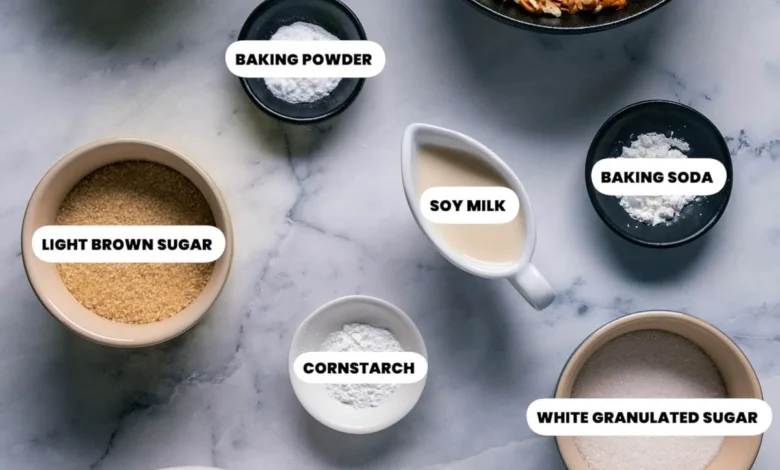
- Structural Integrity: Without eggs, the recipe relies on a combination of chemical leavening agents—typically baking powder and baking soda—and, in many instances, cornstarch. Cornstarch acts as a stabilizer, providing a crumb that is tender rather than brittle, a common issue in early plant-based pastry experiments.
Chronology of Preparation
Achieving the optimal result for these cookies follows a strict, time-sensitive protocol designed to control the viscosity of the dough:

- Preparation of Nuts: Toasted pecans must be cooled completely before integration into the dough. Introducing hot nuts into the fat-based mixture would prematurely melt the vegan butter, leading to excessive spreading during the baking process.
- Creaming Process: The vegan butter and sugars (a blend of brown and granulated is recommended for depth of flavor) must be creamed until aerated. This stage introduces the necessary oxygen to ensure a lift during baking.
- Hydration and Mixing: Dry ingredients are folded into the wet base. The addition of a plant-based milk (such as soy, which has a protein profile more conducive to baking than almond or oat) provides the final hydration necessary to bring the dough to the correct consistency.
- The Cooling Period: Industry experts and professional bakers emphasize that chilling the dough for a minimum of 30 to 60 minutes is mandatory. This process, known as "resting," allows the flour to hydrate fully and the fats to solidify, which significantly improves the final structural shape and flavor profile of the cookie.
Nutritional Implications
From a nutritional standpoint, the transition to plant-based cookies has prompted discussions regarding the sugar and fat content of home-baked goods. A standard serving of these cookies typically contains approximately 194 kcal, with 11g of fat and 11g of sugar. While these figures are comparable to traditional butter-based cookies, the absence of cholesterol—a natural byproduct of dairy—is the primary health-related differentiator.

The use of pecans also introduces beneficial nutrients, including monounsaturated fats, fiber, and antioxidants. These nuts provide a cardiovascular benefit that offsets some of the calorie density, making them a preferred inclusion for those who are health-conscious but unwilling to compromise on the sensory experience of a dessert.

Economic and Market Impact
The accessibility of vegan baking has been bolstered by the widespread availability of specialized ingredients. Where once vegan butter was a niche item, it is now a staple in most major supermarket chains. This supply chain stability has democratized the creation of professional-grade vegan desserts.

Small-scale bakeries and home bakers are increasingly adopting these recipes to meet the demand for allergen-friendly and ethical food choices. The "Butter Pecan" category, specifically, has moved from a traditional parlor flavor to a versatile option in the artisanal cookie market. By removing dairy, producers can also market their goods to the growing segment of the population that is lactose intolerant, further expanding the addressable market for these products.

Best Practices for Optimal Baking
Professional standards for cookie production suggest several variables that influence the success of the final product:

- Thermal Consistency: Baking one tray at a time is recommended to ensure uniform heat distribution. Overcrowding the oven can lead to localized temperature drops, causing the dough to "melt" rather than "bake," resulting in a loss of definition.
- Freezing Strategy: The dough is highly conducive to batch-processing. Rolling the dough into uniform spheres and freezing them allows for an extended shelf life of up to three months. This method is increasingly popular among home bakers as it allows for "on-demand" baking, providing fresh, warm cookies with minimal effort.
- Gluten-Free Adaptations: While the standard recipe utilizes all-purpose wheat flour, the market for gluten-free variants is significant. Substituting with a high-quality, 1-to-1 gluten-free flour blend—which typically includes xanthan gum to mimic the elasticity of gluten—is the standard practice for those requiring such adjustments.
Conclusion and Future Outlook
The vegan butter pecan cookie serves as an illustrative case study in the maturation of plant-based culinary arts. By focusing on ingredient science and adhering to rigorous preparation techniques, the result is a product that is indistinguishable from its dairy-based counterpart. As the industry continues to innovate, the focus will likely remain on optimizing these formulations to further reduce processed sugar content while maintaining the indulgent, buttery, and nutty characteristics that have solidified this flavor combination as a classic of the North American dessert tradition.