
Vegetarian French Onion Soup

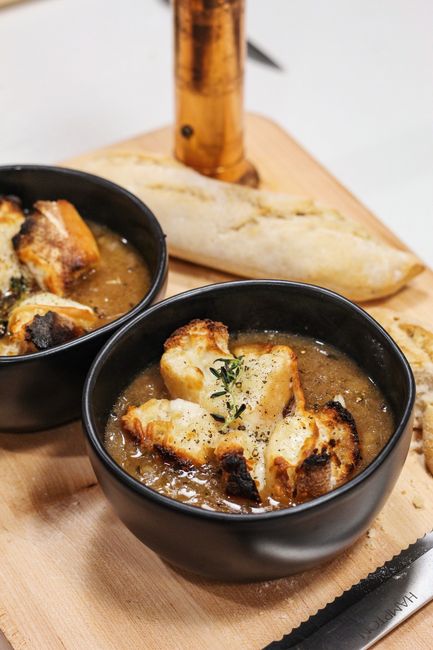
Vegetarian French Onion Soup: A Deep Dive into Flavor, Technique, and Plant-Based Perfection
The iconic French onion soup, a consommé-rich broth cradling sweet, caramelized onions and crowned with a gloriously broiled Gruyère-topped crouton, has long been a staple of comforting, elegant cuisine. Traditionally, its depth of flavor relies heavily on beef broth and the savory nuances of aged cheeses. However, the persistent appeal of this classic has spurred innovation, leading to the creation of robust and deeply satisfying vegetarian versions. Crafting a truly exceptional vegetarian French onion soup requires a meticulous understanding of flavor development, strategic ingredient selection, and precise execution. This article will explore the intricate pathways to achieving vegetarian French onion soup that rivals its meaty counterpart in complexity, umami, and sheer deliciousness, offering a comprehensive guide for home cooks and culinary enthusiasts.
The foundation of any great French onion soup, vegetarian or otherwise, lies in the onions themselves. The slow, patient caramelization process is non-negotiable. This transformation from sharp, pungent alliums to sweet, jammy flavor bombs is a chemical marvel, breaking down complex carbohydrates into simpler sugars through the Maillard reaction and caramelization. For vegetarian French onion soup, the choice of onion plays a significant role in the final flavor profile. Yellow onions are the classic and most reliable choice, offering a balanced sweetness and pungency that caramelizes beautifully. Red onions, while visually appealing and possessing a slightly sweeter, more intense flavor, can sometimes lend a purple hue to the soup that may not be aesthetically desired. Sweet onions, such as Vidalia or Walla Walla, offer a higher sugar content and will caramelize even faster, yielding an exceptionally sweet and mellow soup. A blend of yellow and sweet onions can provide a complex sweetness with a touch of traditional onion bite. Regardless of the varietal, the key is to slice them uniformly – thinly, about ¼ inch thick – to ensure even cooking. A mandoline slicer is invaluable for achieving this consistency, preventing some onions from burning while others remain undercooked. The cooking vessel is equally important. A heavy-bottomed pot, such as a Dutch oven or a large cast-iron skillet, is crucial for maintaining even heat distribution and preventing scorching during the prolonged caramelization.
The caramelization process itself demands time and attention. Starting with a moderate heat, the onions are cooked down with a small amount of fat – butter is traditional for its rich flavor, but a neutral oil like vegetable or canola, or even a combination of butter and oil, works exceptionally well in vegetarian versions to prevent burning. The initial stage involves softening the onions and releasing their moisture. As the water evaporates, the onions begin to brown. This is where patience becomes paramount. The heat should be gradually reduced to low or medium-low, encouraging a slow, even browning. Stirring should be frequent, but not constant, allowing the onions to develop color on their own. The temptation to rush this process by increasing the heat will inevitably lead to burnt, bitter onions, which will negatively impact the entire soup. This stage can take anywhere from 45 minutes to over an hour, depending on the quantity of onions and the heat applied. The onions will shrink significantly, transforming from plump rings into a rich, dark, almost mahogany-colored mass. Deglazing the pan with a splash of liquid periodically can help lift any browned bits from the bottom of the pot, infusing them back into the onion mixture and adding another layer of flavor.
The heart of any French onion soup is its broth. For vegetarian versions, creating a rich, savory broth that mimics the umami depth of beef broth is the primary challenge. The absence of meat juices necessitates a strategic combination of plant-based ingredients that contribute savory notes. Vegetable broth forms the base, but a standard, mild vegetable broth alone will be insufficient. To elevate it, one must consider ingredients that provide glutamates, the compounds responsible for the savory taste. Mushrooms are a powerhouse of umami. Dried shiitake mushrooms, rehydrated and their soaking liquid strained and added to the broth, offer an intense, earthy savoriness. Fresh mushrooms, such as cremini or portobello, sautéed until deeply browned before being added to the broth, also contribute significantly. Soy sauce or tamari is another essential ingredient for boosting umami. Its fermented nature and glutamates add a complex salty, savory dimension. Nutritional yeast, a deactivated yeast with a cheesy, nutty flavor, can also contribute a subtle umami and a slight tang. A bay leaf and a sprig of thyme are aromatics that are indispensable for their subtle yet crucial contributions to the overall flavor profile. The broth should simmer for at least 30 minutes, ideally longer, to allow the flavors to meld and deepen.
Beyond the foundational elements, additional flavor enhancers can elevate vegetarian French onion soup to extraordinary heights. A splash of dry sherry or white wine, used to deglaze the pot after caramelizing the onions, adds a subtle acidity and fruity complexity that cuts through the richness. This deglazing step also incorporates any browned bits from the pan, intensifying the savory notes. A tablespoon or two of tomato paste, sautéed with the onions for a few minutes until it darkens, adds a concentrated dose of umami and a subtle sweetness. The acidity of the tomato paste also helps to balance the sweetness of the caramelized onions. For an even deeper, more complex flavor, some cooks incorporate a small piece of kombu (dried kelp) into the simmering broth. Kombu is a natural source of glutamates and imparts a subtle oceanic depth that can surprisingly complement the savory notes.
The “topping” of French onion soup is as critical as the soup itself. The classic bread is a baguette, sliced into ½-inch thick rounds. Toasting or broiling these slices until they are golden brown and slightly crisp is essential to prevent them from becoming soggy in the soup. Some recipes advocate for a preliminary soak of the croutons in a bit of broth before they are topped with cheese, ensuring they absorb some of the soup’s flavor while remaining structurally sound. The cheese is the crowning glory. Gruyère is the traditional choice, with its nutty, slightly sweet, and complex flavor that melts beautifully and browns to perfection. However, for a vegetarian option, finding a suitable vegan or vegetarian cheese that melts and browns similarly can be a challenge. Many vegetarian-friendly hard cheeses, such as aged cheddar or provolone, can work well. For a vegan adaptation, a high-quality vegan mozzarella or a blend of vegan cheddar and provolone can offer acceptable results, though achieving the exact same melt and browning characteristics may require experimentation with different brands and broiler techniques. The key is a cheese that is firm enough to hold its shape but melts into a luscious, stringy blanket.
The final assembly and broiling are the moments of truth. The caramelized onions are added to the rich vegetable broth, seasoned generously with salt and freshly ground black pepper. The soup is then ladled into oven-safe crocks or bowls. The toasted baguette slices are placed on top of the soup, followed by a generous layer of grated cheese. The bowls are then placed under a hot broiler for a few minutes, until the cheese is melted, bubbly, and golden brown, with those coveted caramelized spots. Vigilance is crucial during this stage, as broilers vary in intensity, and burnt cheese is a disappointing outcome. The aroma that fills the kitchen at this stage is a testament to the successful transformation of simple ingredients into a comforting and deeply satisfying dish.
For those seeking a truly vegan French onion soup, the principles remain the same, with a few key substitutions. The fat for caramelizing onions can be entirely plant-based oils. The broth will rely even more heavily on mushrooms, soy sauce/tamari, and perhaps a touch of miso paste for added depth. The cheese will be a vegan alternative, and some recipes incorporate a cashew cream or vegan béchamel sauce to achieve a richer, creamier texture beneath the vegan cheese topping. The croutons can be made with vegan bread and vegan butter or oil.
The SEO potential of this article lies in its comprehensive nature and the inclusion of specific keywords and phrases that potential searchers would use. Terms like "vegetarian French onion soup recipe," "vegan French onion soup," "caramelized onion soup," "how to make French onion soup without beef broth," "umami in vegetarian soup," and "best cheese for French onion soup" are all implicitly or explicitly addressed. The detailed explanation of techniques like caramelization and broth building provides valuable content for users seeking to master this dish. The emphasis on flavor development and ingredient synergy positions the article as an authority on creating a superior vegetarian version of a beloved classic. Furthermore, the practical advice on ingredient selection, cooking methods, and troubleshooting common issues makes this article a go-to resource for anyone aiming to recreate this culinary masterpiece in their own kitchen, driving engagement and repeat visits. The inherent appeal of comfort food and the growing interest in plant-based diets ensures a sustained audience for well-crafted content on this topic.


