French Toast Roll-Ups Gourmet Breakfast Innovation for Mother’s Day and Beyond

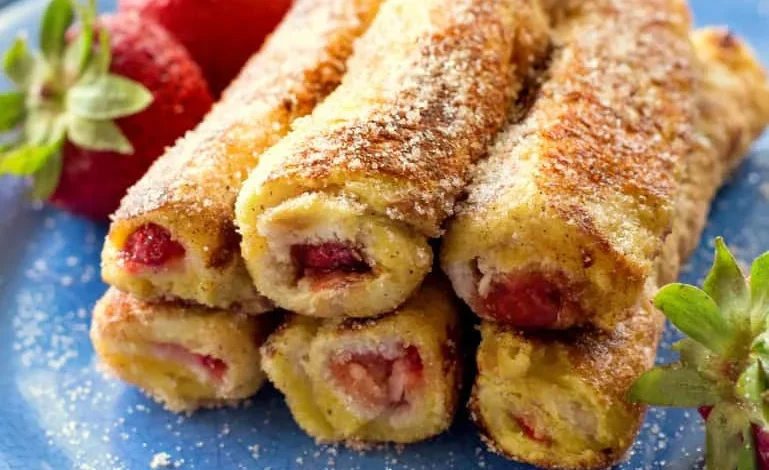
The culinary landscape of breakfast and brunch has undergone a significant transformation in recent years, moving away from traditional, static plates toward more interactive, customizable, and aesthetically pleasing formats. Among these innovations, French Toast Roll-Ups have emerged as a prominent contender in the "gourmet-lite" category, combining the classic elements of French toast—custard-soaked bread and warm spices—with a versatile rolling technique that allows for a wide variety of fillings, including cream cheese, fresh fruit, and hazelnut spreads. This preparation method represents a shift in home-cooking trends, where the objective is to produce "impressive and crowd-pleasing" results that mimic restaurant-quality presentations while remaining accessible to the average home cook. As seasonal celebrations like Mother’s Day approach, the demand for such recipes increases, reflecting a broader cultural emphasis on curated, high-quality morning meals as a primary form of social and familial engagement.
The Evolution and Mechanics of the French Toast Roll-Up
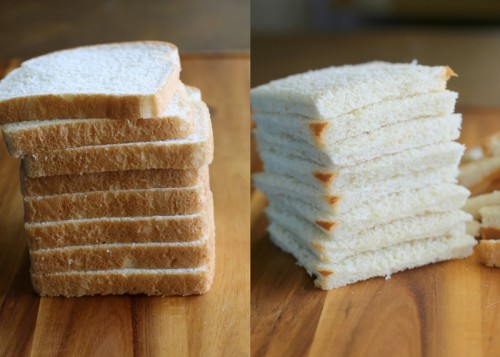
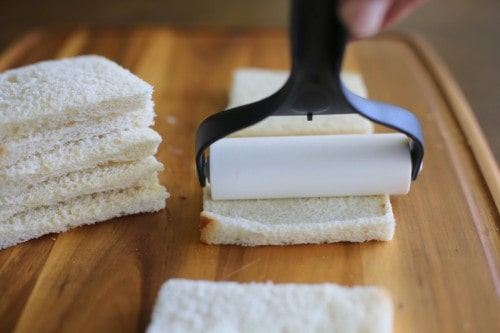
The traditional French toast, known historically in France as pain perdu or "lost bread," was originally conceived as a practical solution for utilizing stale bread by soaking it in a mixture of eggs and milk before frying. The modern roll-up iteration elevates this concept by introducing a structural modification. By removing the crusts and flattening the bread with a rolling pin, the cook creates a thin, pliable substrate capable of encasing dense or textured fillings. This physical transformation serves two purposes: it increases the surface area for the Maillard reaction—the chemical reaction between amino acids and reducing sugars that gives browned food its distinctive flavor—and it provides a delivery system for internal flavors that would otherwise sit on top of the bread.
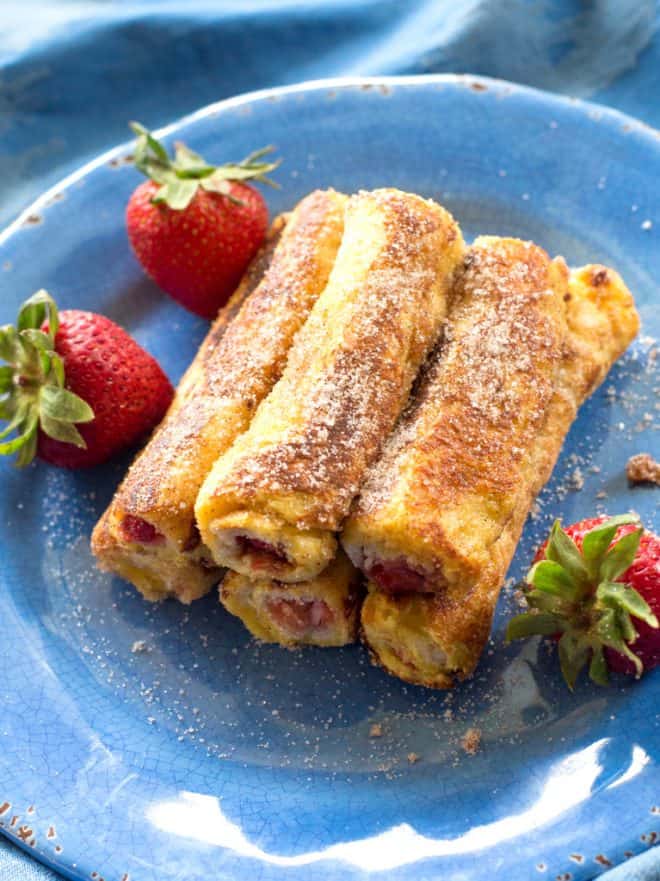
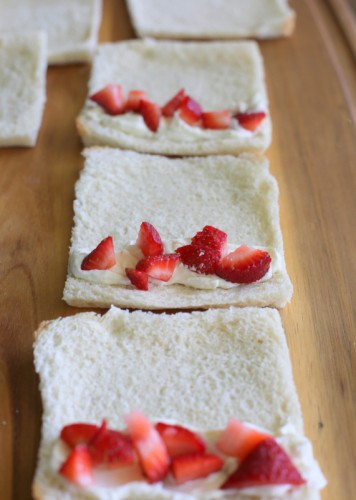
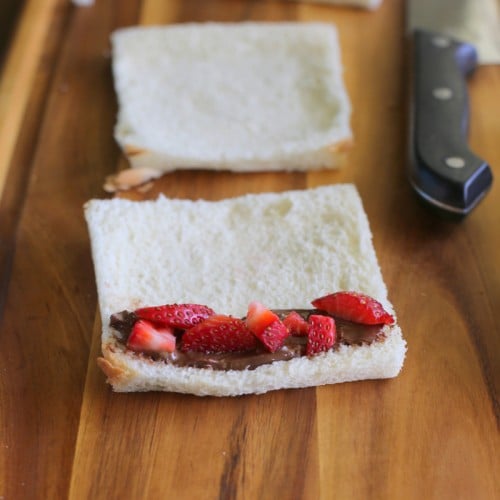
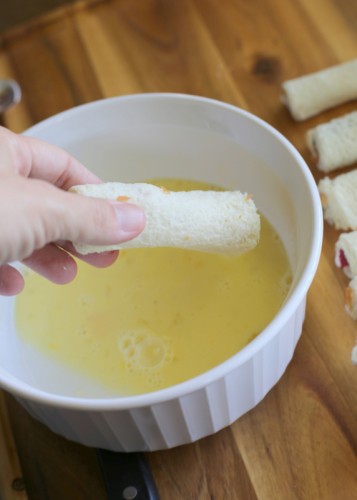
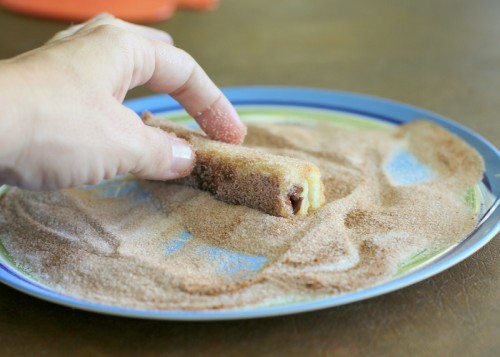
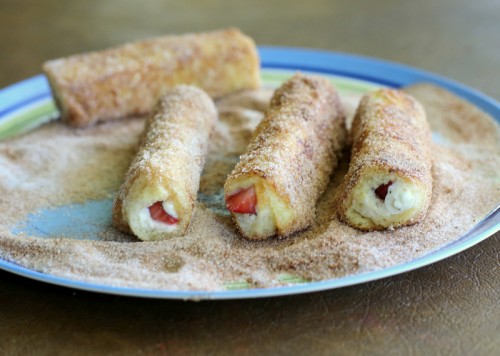
The preparation chronology begins with the selection of the bread, typically a soft white loaf which offers the necessary elasticity for flattening without tearing. Once the bread is prepared and flattened, a filling—most commonly softened cream cheese paired with diced strawberries or Nutella—is applied to one end. The bread is then rolled tightly, dipped in a standard French toast custard, and seared in a skillet until golden brown. The final step involves coating the hot roll-up in a mixture of cinnamon and sugar, a process that adds a textural crunch and a final layer of aromatic sweetness.
Cultural Context and the Mother’s Day Brunch Economy
The rise in popularity of specialized breakfast items like French Toast Roll-Ups is inextricably linked to the commercial and social significance of Mother’s Day. According to data from the National Retail Federation (NRF), Mother’s Day remains one of the most significant spending holidays in the United States, with consumer spending reaching record highs annually. A substantial portion of this expenditure is directed toward "special outings," which includes brunch and dinner. However, there has been a documented shift toward high-end home celebrations, where families opt to recreate a "gourmet" experience in a private setting.
The French Toast Roll-Up fits perfectly into this "at-home luxury" niche. It addresses the consumer desire for "impressive" dishes that require minimal specialized equipment but offer a high visual and gustatory payoff. Culinary analysts suggest that the "roll-up" format is particularly successful because it bridges the gap between a traditional breakfast and a dessert, appealing to a wide demographic ranging from young children to adults seeking a sophisticated flavor profile. The inclusion of ingredients like fresh strawberries and cream cheese aligns with seasonal spring trends, further cementing the dish’s status as a holiday staple.
Technical Breakdown of Preparation and Ingredient Interaction
To understand the success of the French Toast Roll-Up, one must examine the interaction of its components from a food science perspective. The process is a multi-stage assembly that requires precision in moisture control and temperature management.
- Substrate Preparation: Removing the crust is not merely an aesthetic choice; the crust contains less moisture and more structural rigidity, which would cause the roll to crack during the assembly phase. Flattening the bread compresses the air pockets, creating a dense, tortilla-like sheet that absorbs the egg wash more uniformly than uncompressed bread.
- Filling Dynamics: The choice of filling is critical to the structural integrity of the roll-up. High-moisture fillings, such as un-drained frozen fruit, can cause the bread to become soggy from the inside out, leading to structural failure during the frying process. Professional iterations recommend softened cream cheese as a "glue" that stabilizes the roll while providing a tangy contrast to the sweet exterior.
- The Custard Dip: The egg and milk mixture must be balanced. An over-saturation of the bread can make the roll-up difficult to handle and slow to cook through, while an under-saturation results in a dry, flavorless interior.
- The Searing Process: Cooking the rolls in a buttered skillet at medium heat allows the exterior to caramelize while the internal filling reaches a palatable temperature. Because the bread has been flattened, the heat transfer to the center of the roll is more efficient than in a thick slice of traditional French toast.
- The Finishing Coat: The application of cinnamon sugar immediately after cooking is essential. The residual heat and surface oils from the butter allow the sugar crystals to adhere, creating a granular crust that provides a sensory contrast to the soft, melted interior.
Supporting Data and Consumer Trends
Market research into breakfast habits reveals a growing preference for "handheld" gourmet options. A report on global breakfast trends indicates that "portability" and "portion control" are becoming key drivers in recipe development. While traditional French toast requires a fork and knife, the roll-up format allows for a more casual, finger-food style of consumption, which is increasingly favored in buffet-style gatherings and social brunches.
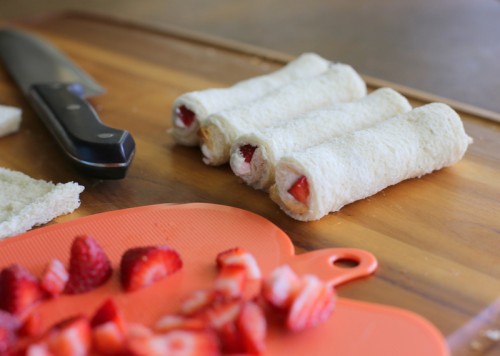
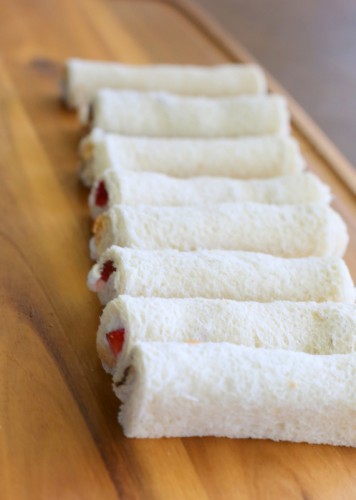
Furthermore, the "DIY Gourmet" trend on social media platforms like Pinterest and Instagram has fueled the viral nature of this specific recipe. Visual data suggests that dishes with a "repeatable pattern"—such as a row of uniform, golden-brown rolls—perform significantly better in terms of user engagement than traditional, irregularly shaped food items. This "aesthetic utility" makes the French Toast Roll-Up a primary target for home cooks looking to share their culinary achievements online.
Expert Reactions and Practical Implications
Culinary experts note that the versatility of the French Toast Roll-Up provides a unique opportunity for flavor experimentation. "The roll-up is essentially a blank canvas," says one industry consultant. "By swapping strawberries for savory options like ham and gruyère, or moving toward a dessert profile with apple pie filling, the home cook can adapt the base technique to any meal-time requirement."
From a nutritional standpoint, the dish is undeniably indulgent, but it allows for "modular health adjustments." For instance, using whole-grain breads, low-fat Neufchâtel cheese, or increasing the ratio of fresh fruit to sugar can alter the caloric density of the meal without sacrificing the fundamental experience. This adaptability is a key factor in the recipe’s longevity in the digital food space.
Broader Impact on Home Cooking and Retail
The popularity of specialized recipes like French Toast Roll-Ups also has a measurable impact on retail behavior. Grocery stores often see a spike in the sale of specific "companion" ingredients—such as cream cheese, Nutella, and fresh berries—during the weeks leading up to major spring holidays. Retailers have responded by creating "brunch bundles" or strategically placing these items in close proximity to the bakery aisle to capitalize on the trend.
In conclusion, the French Toast Roll-Up is more than a simple breakfast variation; it is a reflection of modern culinary values. It emphasizes the democratization of gourmet cooking, where technique and presentation are prioritized alongside flavor. As a centerpiece for Mother’s Day or a weekend treat, it represents the ongoing evolution of the morning meal into a sophisticated, creative, and highly social event. By understanding the mechanics, cultural context, and economic drivers behind such dishes, we gain a clearer picture of the current state of home gastronomy and the future of breakfast innovation.