
Sweet And Tangy Sauteed Collard Greens

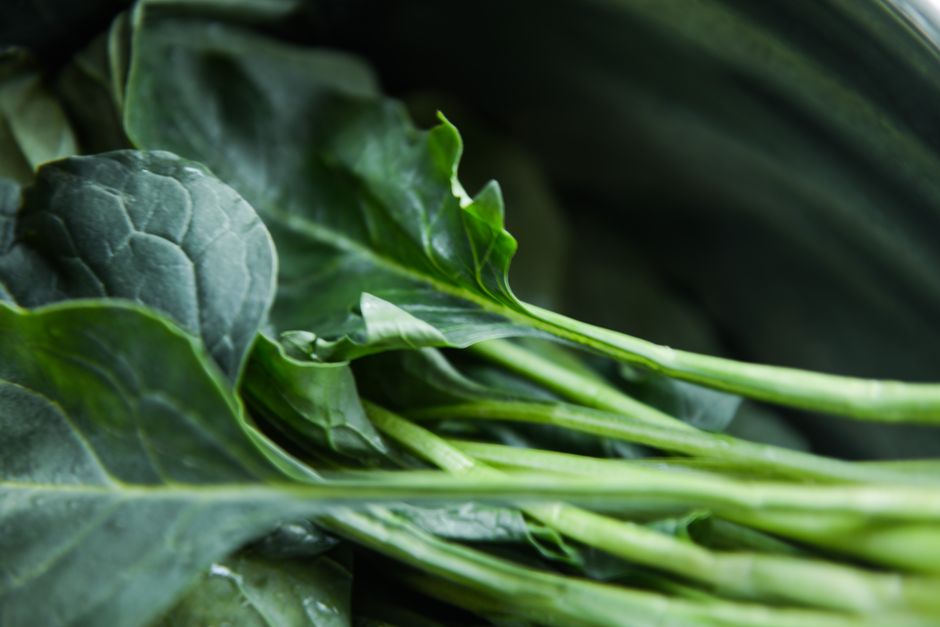
Sweet and Tangy Sautéed Collard Greens: A Culinary Masterpiece for Health and Flavor
Sautéed collard greens, often misunderstood and relegated to the sidelines of culinary appreciation, possess a remarkable duality. They offer a potent nutritional punch, teeming with vitamins A, C, and K, along with essential minerals like calcium and iron. Yet, their true appeal lies in their transformative culinary potential. When expertly sautéed, the inherent bitterness of raw collards yields to a tender, slightly sweet, and delightfully tangy profile that can redefine any meal. This isn’t your grandmother’s boiled greens; this is a vibrant, flavor-forward preparation that honors the vegetable’s inherent goodness while elevating it to new heights. The key to unlocking this deliciousness lies in the interplay of heat, fat, and acidity – a simple yet profound culinary equation that transforms humble greens into a star dish. This article will delve deep into the art and science of creating the perfect sweet and tangy sautéed collard greens, exploring ingredient selection, preparation techniques, flavor profiles, and the myriad of health benefits that accompany this exceptional dish. We will uncover the nuances of achieving that sought-after tender-crisp texture, balancing sweetness with a bright, zesty tang, and layering flavors for a truly memorable culinary experience.
The Foundation: Selecting and Preparing Collard Greens
The journey to exquisite sautéed collard greens begins with the raw material. Opt for vibrant, healthy collard green bunches. Look for leaves that are deep green, firm, and free from yellowing, wilting, or significant blemishes. The stems should be relatively tender; tough, woody stems are difficult to cook down and can detract from the final texture. If larger, older collards are all that are available, you can still use them, but be prepared to trim away more of the tough central rib.
Proper preparation is paramount. Thoroughly wash the collard greens under cool running water. This is crucial to remove any residual soil, sand, or grit that can ruin the texture and flavor of your dish. A salad spinner is an excellent tool for drying the leaves efficiently after washing, as excess moisture can lead to steaming rather than sautéing, impacting the desired texture.
Next, address the stems. For younger, more tender collards, you might be able to leave some of the thinner stems attached. However, for most bunches, it’s best to remove the tough, fibrous central rib. Lay a leaf flat and, using a sharp knife, carefully cut along one side of the rib, exposing the tender leaf. Repeat on the other side, essentially filleting the leaf away from the stem. Discard the tough ribs or save them for stocks and other culinary applications. Once de-ribbed, stack the leaves, roll them tightly like a cigar, and slice them into ribbons, or "chiffonade." This slicing technique ensures even cooking and a pleasing mouthfeel. The size of your ribbons can be adjusted to your preference; finer ribbons will cook down more quickly and yield a softer texture, while wider ribbons will retain a bit more bite.
The Sautéing Symphony: Fat, Heat, and Aromatics
The magic of sautéed collard greens truly unfolds in the pan. The choice of fat is the first significant decision. While traditional Southern preparations often utilize pork fat (such as bacon grease or ham hocks), modern interpretations can explore a range of healthy and flavorful alternatives. Olive oil, particularly extra virgin olive oil for its robust flavor, is an excellent choice. Avocado oil offers a high smoke point and neutral flavor, making it ideal for higher heat sautéing. Coconut oil can impart a subtle tropical sweetness that complements the collards. For a richer, more complex flavor profile, consider starting with a rendered pork product like pancetta or quality bacon, then using the rendered fat for the sauté.
The heat level is critical. Begin by heating your chosen fat in a large skillet or Dutch oven over medium-high heat. You want the fat to be hot enough to sizzle when the aromatics hit it, but not so hot that it immediately burns them.
Aromatics are the unsung heroes of this dish, laying the groundwork for the sweet and tangy notes to come. Finely minced garlic is non-negotiable. Start by sautéing the garlic for about 30 seconds to a minute until fragrant, being careful not to burn it. Next, introduce finely diced onion or shallots. Cook them until softened and translucent, which will take several minutes. The sweetness of the sautéed onions will contribute to the overall flavor profile of the greens. For an extra layer of savory depth, consider adding a pinch of red pepper flakes at this stage to introduce a gentle, warming heat.
The Collard Greens Enter the Stage: Building Flavor and Texture
Once the aromatics are fragrant and softened, it’s time to add the prepared collard greens. Don’t be tempted to overcrowd the pan. It’s often better to sauté the greens in batches to ensure they are properly sautéed rather than steamed. Add a generous portion of the collard green ribbons to the hot skillet. They will appear voluminous at first, but they will quickly wilt down.
Stir the greens frequently, using tongs to toss them and ensure they are coated in the flavorful fat and aromatics. The initial cooking will involve wilting the greens. This process will take several minutes. As they begin to soften, you can add the next batch of greens. Continue this process until all the collard greens are in the pan and have begun to wilt.
The Sweetness Factor: Introducing Sugar and Natural Sweeteners
This is where the "sweet" in sweet and tangy sautéed collard greens comes into play. A touch of sweetness is essential to balance the inherent bitterness of the collards and to complement the tanginess that will follow. Granulated sugar is a common choice, providing a clean, straightforward sweetness. Brown sugar, with its molasses undertones, can add a deeper, more complex sweetness and a slight caramel note. Honey offers a floral sweetness and a liquid form that integrates seamlessly. Maple syrup, particularly dark or very dark robust maple syrup, provides a rich, complex sweetness with woody and caramel notes that are wonderfully suited to earthy greens.
Add your chosen sweetener to the pan. The amount will depend on your personal preference and the sweetness of the other ingredients. Start with a tablespoon or two and adjust as needed. Stir well to distribute the sweetener evenly. As the greens continue to cook, the sweetener will caramelize slightly, enhancing the overall flavor.
The Tangy Counterpoint: Acidity for Balance and Brightness
The "tangy" element is what elevates sautéed collard greens from simply cooked to truly remarkable. Acidity cuts through the richness of the fat and the earthiness of the greens, providing a bright, refreshing counterpoint. Several ingredients can deliver this crucial tang.
Vinegar is the most common and effective choice. Apple cider vinegar offers a fruity tang that pairs beautifully with the sweetness. White vinegar provides a sharper, more direct acidity. Red wine vinegar or balsamic vinegar can introduce more complex fruity and slightly sweet notes. The choice of vinegar will subtly influence the final flavor profile. Start with a tablespoon or two of vinegar and taste as you go.
Lemon juice is another excellent option, offering a brighter, more citrusy tang. A squeeze of fresh lemon juice at the end of cooking can truly liven up the dish.
A less common but effective ingredient is Worcestershire sauce. It provides a complex umami-rich tang with notes of vinegar, soy sauce, and spices. A splash can add incredible depth.
Consider the timing of adding the acidic component. If added too early, some of the acidity can cook off. For a more pronounced tang, consider adding it in the latter stages of cooking or even as a final flourish just before serving.
Simmering and Finishing: Achieving Perfect Tenderness
Once the sweeteners and tang are introduced, it’s time to allow the flavors to meld and the greens to reach their desired tenderness. You can add a splash of liquid to facilitate this process. Water is the simplest option. Broth, such as chicken or vegetable broth, will add another layer of savory flavor. A bit of the reserved pork cooking liquid, if you started with bacon or ham, can also contribute significant flavor.
Reduce the heat to medium-low, cover the skillet, and allow the greens to simmer gently. This simmering process is where the greens will become tender. The cooking time will vary depending on the age and thickness of the collard greens and your desired level of tenderness. Younger, thinner leaves may only need 15-20 minutes, while older, tougher leaves might require 30-45 minutes or even longer. Stir occasionally to prevent sticking and to ensure even cooking.
Taste the greens periodically and adjust the seasoning. This is the time to add more sweetener if they are too bitter, more tang if they lack brightness, or salt and pepper to enhance all the flavors. A pinch of salt will awaken the sweetness and acidity. Freshly ground black pepper adds a pungent warmth.
Optional Flavor Enhancements and Variations
While the base recipe of sweet and tangy sautéed collard greens is already delicious, there are numerous ways to elevate it further.
- Spicy Kick: For those who enjoy heat, incorporate thinly sliced jalapeños or serrano peppers along with the onions and garlic. For a more subtle heat, add a generous pinch of cayenne pepper.
- Savory Depth: A tablespoon of tomato paste sautéed with the aromatics before adding the greens will add a rich, umami depth. A splash of soy sauce or tamari can also contribute savory notes.
- Creamy Indulgence: For a richer, more decadent version, stir in a tablespoon or two of heavy cream or a swirl of crème fraîche at the end of cooking.
- Nutty Crunch: Toasted pecans, walnuts, or slivered almonds added as a garnish provide a delightful textural contrast and a nutty flavor.
- Herbal Freshness: Fresh herbs like parsley, thyme, or even a hint of rosemary, chopped and stirred in at the end of cooking, can add vibrant, aromatic notes.
- Smoky Undertones: If you didn’t start with pork, a pinch of smoked paprika added with the aromatics can impart a pleasant smoky flavor.
Serving Suggestions: Beyond the Side Dish
Sweet and tangy sautéed collard greens are incredibly versatile and can be enjoyed in a multitude of ways.
- Classic Southern Pairing: They are the perfect accompaniment to traditional Southern dishes like fried chicken, barbecue ribs, cornbread, and mac and cheese.
- Hearty Vegetarian/Vegan Main: Serve them over a bed of quinoa or brown rice, topped with roasted sweet potatoes, black beans, or a fried egg (for vegetarian) or crumbled tofu or tempeh (for vegan).
- Elevated Salad Component: Incorporate cooled sautéed collards into a hearty grain salad with roasted vegetables, nuts, and a zesty vinaigrette.
- Sandwich and Wrap Filling: The tender, flavorful greens make a fantastic filling for sandwiches, wraps, or even as a topping for burgers.
- Breakfast Booster: Add a spoonful to your morning omelet, scrambled eggs, or breakfast hash for a nutritious and flavorful boost.
- Soup and Stew Enhancer: Stir them into your favorite soups or stews during the last 10-15 minutes of cooking to add color, texture, and nutrients.
Health Benefits: A Nutritional Powerhouse
Beyond their exceptional taste, collard greens are a nutritional powerhouse. Their inclusion in your diet offers a wide array of health benefits:
- Rich in Vitamins: They are an excellent source of Vitamin K, crucial for blood clotting and bone health. They also provide significant amounts of Vitamin A, vital for vision and immune function, and Vitamin C, a potent antioxidant that supports skin health and immune defense.
- Mineral Abundance: Collards are a good source of calcium, essential for strong bones and teeth, and iron, which is vital for oxygen transport in the blood. They also contain magnesium, potassium, and manganese.
- Antioxidant Properties: The vibrant green color signifies the presence of numerous antioxidants, including beta-carotene and flavonoids, which help protect the body’s cells from damage caused by free radicals.
- Digestive Health: The fiber content in collard greens promotes healthy digestion, aids in regularity, and can contribute to a feeling of fullness, which may assist in weight management.
- Detoxification Support: Compounds found in cruciferous vegetables like collards, such as glucosinolates, are believed to support the body’s natural detoxification processes.
- Heart Health: The potassium content helps regulate blood pressure, and the fiber can contribute to lowering cholesterol levels, both of which are beneficial for cardiovascular health.
SEO Considerations: Keywords and Structure
To ensure this article is discoverable by those seeking delicious and healthy recipes, strategic SEO considerations have been woven throughout. Keywords such as "sautéed collard greens," "sweet and tangy collards," "healthy greens recipe," "collard greens preparation," "Southern greens," "vegan collard greens," and "collard greens health benefits" are naturally integrated. The structured approach, moving from selection to preparation, cooking, flavor profiles, and serving suggestions, creates a logical flow that benefits both readers and search engine algorithms. The use of headings and subheadings (implicitly through paragraph breaks) further enhances readability and SEO. The detailed explanation of each step and the inclusion of variations cater to a wide range of user search queries, from beginners looking for a basic recipe to experienced cooks seeking inspiration. The emphasis on health benefits also targets a growing segment of online searches focused on nutritious food choices.
Conclusion: A Culinary Triumph
Sweet and tangy sautéed collard greens are far more than just a side dish; they represent a culinary triumph of flavor and nutrition. By understanding the fundamental principles of sautéing, the interplay of sweet and tangy elements, and the importance of proper preparation, anyone can master this versatile and incredibly satisfying dish. Whether you’re looking to embrace a healthier lifestyle, explore the depths of Southern cuisine, or simply discover a new favorite vegetable preparation, these sautéed collard greens are sure to impress. Their vibrant flavor, satisfying texture, and impressive health benefits make them a truly indispensable addition to any culinary repertoire. Experiment with the variations, find your perfect balance of sweet and tang, and unlock the full potential of this remarkable green.


