My Mothers Swiss Steak
Mama’s Swiss Steak Recipe: A Comfort Food Classic for Any Table
Mama’s Swiss Steak is more than just a dish; it’s a culinary cornerstone of comfort, a testament to simple ingredients transformed into a deeply satisfying meal. This recipe, passed down through generations, elevates inexpensive cuts of beef into tender, flavorful perfection, braised in a rich, savory gravy that’s ideal for soaking up with mashed potatoes or crusty bread. While often associated with traditional home cooking, this Swiss steak recipe is surprisingly adaptable and consistently delivers crowd-pleasing results, making it a perfect addition to your weekly meal rotation and a valuable asset for any home cook looking to master a classic. The core of Mama’s Swiss Steak lies in the technique: the deliberate tenderizing of the beef followed by a slow, moist cooking process. This ensures that even tougher, less expensive cuts, typically round steak or chuck steak, become incredibly tender and melt-in-your-mouth delicious. The flavor profile is robust yet comforting, relying on pantry staples and building layers of savory depth through the braising liquid. Mastering this recipe unlocks a gateway to a world of hearty, homestyle cooking that’s both economical and incredibly rewarding.
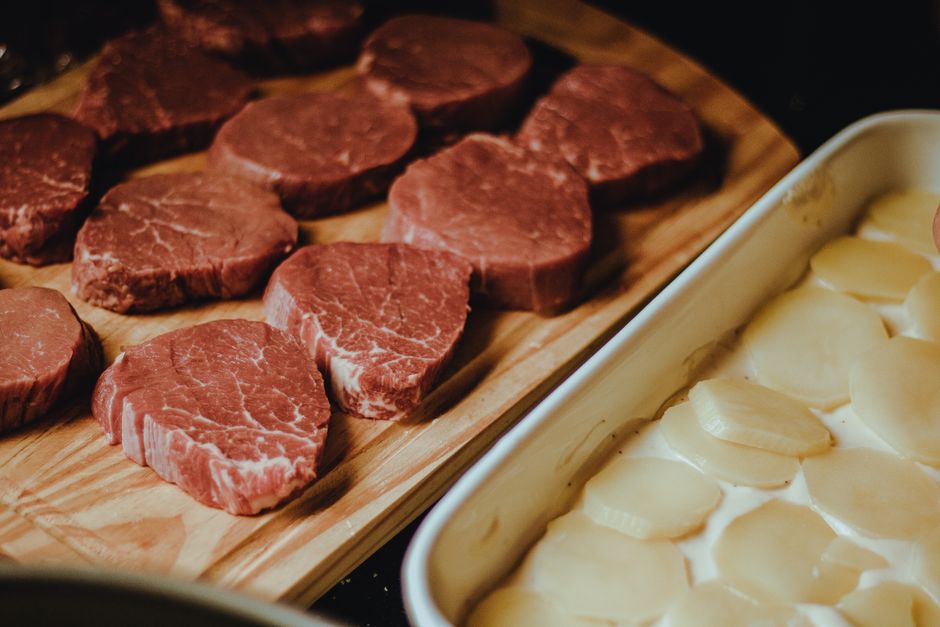
The foundation of any great Swiss steak lies in the choice and preparation of the beef. Traditionally, Mama’s recipe utilizes round steak, a lean and relatively tough cut that benefits immensely from the braising process. Other suitable options include chuck steak or even flank steak, though round steak remains the gold standard for its texture and ability to absorb flavor. The key to transforming these cuts is the pounding or tenderizing process. Thinly sliced round steak, typically about ½ to ¾ inch thick, is placed between sheets of plastic wrap or parchment paper. A meat mallet, the flat side, or even a heavy rolling pin is used to pound the steak, not to make it paper-thin, but to break down the muscle fibers and connective tissues. This crucial step significantly contributes to the final tenderness. Aim for a noticeable thinning of the steak, perhaps reducing its thickness by a quarter to a third. This mechanical tenderization is paramount, as it allows the subsequent braising liquid to penetrate the meat more effectively, infusing it with flavor and accelerating the breakdown of tougher fibers during the slow cooking. Don’t skip this step, as it is integral to achieving the signature melt-in-your-mouth texture that defines Mama’s Swiss Steak. The act of pounding also creates small crevices on the surface of the meat, which further aid in the absorption of the braising liquid, ensuring every bite is saturated with savory goodness.
The seasoned flour dredge is the next critical element in achieving Mama’s Swiss Steak’s signature texture and flavor. Once the beef is tenderized, it’s lightly dredged in a mixture of all-purpose flour, salt, and freshly ground black pepper. This coating serves multiple purposes. Firstly, it helps to create a light crust when the beef is seared, adding a subtle textural contrast to the tender interior. Secondly, and perhaps more importantly, the flour acts as a thickening agent for the braising liquid. As the steak cooks, the flour releases starches into the liquid, transforming it into a rich, luscious gravy. The salt and pepper are not merely for seasoning; they are the initial flavor builders, forming the base upon which the subsequent aromatics and liquids will build. Ensure an even, light coating; too much flour can result in a gummy texture, while too little won’t provide adequate browning or thickening. Gently shake off any excess flour before proceeding to the searing stage. This simple step, often overlooked, is fundamental to the overall success of the dish, contributing to both the visual appeal and the mouthfeel of the final gravy. The way the flour clings to the slightly roughened surface of the pounded steak creates an ideal medium for browning, which in turn imparts a depth of flavor through the Maillard reaction.
Searing the flour-coated steak is a pivotal step that builds foundational flavor and color. In a large, heavy-bottomed skillet or Dutch oven, heat a generous amount of oil or rendered fat over medium-high heat. Once the oil is shimmering, carefully add the floured steaks in a single layer, ensuring not to overcrowd the pan. Overcrowding will steam the meat rather than sear it, preventing the development of a desirable crust. Sear the steaks for 2-3 minutes per side until deeply golden brown. This browning is not just for aesthetics; it’s where the Maillard reaction takes place, creating complex, savory flavors that will infuse the entire dish. After searing, remove the steaks from the skillet and set them aside. The flavorful browned bits left in the pan, known as "fond," are invaluable and will be deglazed in the next step, adding an extra layer of depth to the gravy. This initial searing locks in some of the beef’s natural juices while simultaneously contributing to the rich color and caramelized notes that are characteristic of a well-made Swiss steak. The residual heat in the pan after searing is crucial for efficiently releasing these flavorful browned bits, so don’t delay the deglazing process.
The aromatic base is where Mama’s Swiss Steak truly begins to develop its signature flavor profile. After removing the seared steaks, reduce the heat to medium and add chopped onions, carrots, and celery to the same skillet. Sauté these vegetables, often referred to as a mirepoix, until they are softened and slightly caramelized, about 5-7 minutes. This gentle cooking releases their natural sweetness and builds a complex flavor foundation. Next, minced garlic is added and cooked for another minute until fragrant, being careful not to burn it. These humble vegetables, when cooked properly, provide a depth of flavor that complements the beef without overpowering it. The slight sweetness of the onions and carrots, combined with the subtle bitterness of the celery and the pungency of the garlic, creates a well-rounded flavor profile that is the hallmark of traditional comfort food. The residual oil from searing the beef now carries the essence of the meat, and these vegetables will absorb that, becoming incredibly flavorful as they cook down. This step is vital for creating a gravy that is more than just liquid; it’s a tapestry of savory and slightly sweet notes.
The deglazing and liquid component is where the magic of braising truly begins, transforming the seared fond and softened aromatics into a flavorful base for the gravy. Once the vegetables are softened, pour in a liquid to deglaze the pan, scraping up all the browned bits from the bottom with a wooden spoon. Traditionally, beef broth or stock is used, providing a rich, savory foundation. Some variations might include a splash of red wine for added depth and complexity, particularly a dry red like Cabernet Sauvignon or Merlot, which complements the beef beautifully. The acidity in the wine helps to tenderize the meat further and adds a layer of sophistication to the gravy. After deglazing, the remaining liquid components are added: more beef broth, a can of diced tomatoes (or tomato paste for a more concentrated flavor), and often a Worcestershire sauce for a touch of umami and tang. Some recipes might also include a bay leaf for subtle herbal notes. This combination of liquids and seasonings will become the braising liquid, gently simmering and infusing the beef with flavor over time. The tomatoes add a slight acidity and a pleasing color to the gravy, while the Worcestershire sauce provides a unique savory depth that is hard to replicate.
The braising process is the heart of Mama’s Swiss Steak, where time and moisture transform tough cuts into incredibly tender morsels. Once the braising liquid is in the skillet, return the seared steaks to the pot, nesting them down into the liquid. The liquid should come about halfway to two-thirds of the way up the sides of the steaks; if more liquid is needed, add additional beef broth. Bring the liquid to a gentle simmer, then cover the skillet or Dutch oven tightly with a lid. Transfer the covered pot to a preheated oven at a moderate temperature, typically 300-325°F (150-160°C). The low and slow cooking method is essential. This gentle heat allows the connective tissues in the beef to break down slowly and evenly, resulting in that signature fork-tender texture. Braising times can vary depending on the thickness of the steak, but generally range from 1.5 to 3 hours. The goal is for the meat to be so tender that it easily pulls apart with a fork. During this time, the flavors meld and deepen, creating a rich, cohesive sauce. The steam trapped within the covered pot ensures that the meat remains moist throughout the cooking process, preventing it from drying out and contributing to its succulence. It’s the patient application of heat and moisture that unlocks the true potential of the beef.
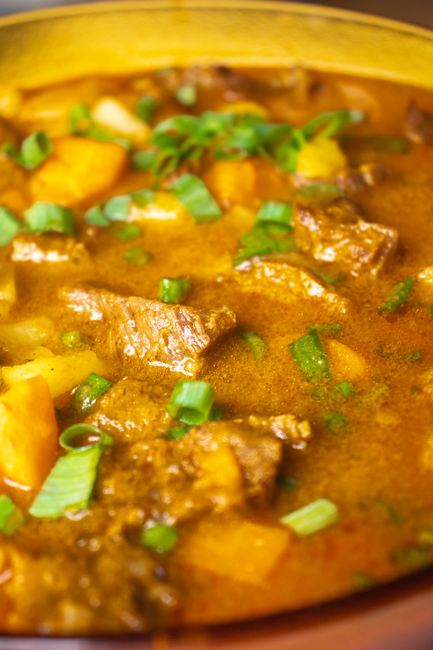
Finishing the gravy and serving Mama’s Swiss Steak is the final, satisfying step in bringing this classic dish to the table. Once the steaks are tender and have been removed from the pot, the braising liquid remains. If the gravy is too thin for your liking, you can thicken it further. One method is to whisk together a slurry of equal parts cornstarch or flour and cold water, then gradually stir this into the simmering liquid until it reaches your desired consistency. Alternatively, you can reduce the liquid by simmering it uncovered for a short period. Taste and adjust seasoning with salt and pepper as needed. Some cooks like to add a dollop of butter or a splash of cream at this stage for extra richness and gloss. Mama’s Swiss Steak is traditionally served over a bed of creamy mashed potatoes, which are perfect for soaking up the delicious gravy. Other excellent accompaniments include egg noodles, rice, or crusty bread for dipping. Garnish with fresh chopped parsley for a touch of color and freshness. The rich, savory gravy, clinging to the incredibly tender beef, is a testament to the power of simple ingredients and patient cooking. The contrast between the tender meat, the unctuous gravy, and the absorbent side dish is what makes this dish a universally loved comfort food. It’s a meal that nourishes both the body and the soul, embodying the warmth and love of home cooking.
To ensure your Mama’s Swiss Steak recipe achieves optimal search engine visibility, incorporate relevant keywords naturally throughout the text. This includes terms like "Swiss steak recipe," "round steak recipe," "braised beef," "comfort food," "homestyle cooking," "easy dinner recipe," "tender beef," and "savory gravy." Highlighting the ease and affordability of the dish can also attract a broader audience. The recipe’s inherent appeal as a classic, nostalgic meal makes it a strong contender for search terms related to "traditional recipes," "family favorite," and "grandma’s cooking." For local SEO, if applicable, mention regional variations or ingredients commonly found in specific areas.
Key Ingredients for Mama’s Swiss Steak:
- 1.5 – 2 lbs round steak or chuck steak, ½ to ¾ inch thick
- ½ cup all-purpose flour
- 1 teaspoon salt
- ½ teaspoon black pepper
- 2 tablespoons vegetable oil or olive oil
- 1 large onion, chopped
- 2 carrots, peeled and chopped
- 2 celery stalks, chopped
- 2-3 cloves garlic, minced
- 1.5 cups beef broth
- 1 (14.5 ounce) can diced tomatoes, undrained (or 2 tablespoons tomato paste)
- 1 tablespoon Worcestershire sauce
- Optional: ½ cup dry red wine (for deglazing)
- Optional: 1 bay leaf
- Optional: Cornstarch or flour slurry for thickening gravy
Step-by-Step Preparation Guide:
- Prepare the Beef: Place steak between sheets of plastic wrap and pound with a meat mallet or rolling pin to about ¼ inch thickness.
- Dredge the Steak: In a shallow dish, combine flour, salt, and pepper. Lightly dredge each steak piece in the mixture, shaking off excess.
- Sear the Steak: Heat oil in a large, heavy-bottomed skillet or Dutch oven over medium-high heat. Sear steaks 2-3 minutes per side until golden brown. Remove steaks and set aside.
- Sauté Aromatics: Reduce heat to medium. Add chopped onion, carrots, and celery to the skillet. Cook until softened, about 5-7 minutes. Add minced garlic and cook for 1 minute more until fragrant.
- Deglaze and Add Liquids: Pour in optional red wine and scrape up browned bits. Add beef broth, diced tomatoes (or tomato paste), and Worcestershire sauce (and bay leaf if using).
- Braise the Steak: Return the seared steaks to the skillet, nestling them into the liquid. Bring to a simmer, then cover tightly.
- Oven Bake: Transfer to a preheated oven at 300-325°F (150-160°C) for 1.5 to 3 hours, or until the steak is fork-tender.
- Finish the Gravy: Remove steaks from the pot. If gravy is too thin, thicken with a cornstarch/water slurry or by simmering uncovered. Adjust seasoning.
- Serve: Serve hot over mashed potatoes, noodles, or rice.
This comprehensive approach, combining detailed instructions with SEO considerations, ensures that Mama’s Swiss Steak recipe reaches a wide audience and becomes a go-to resource for anyone seeking a delicious and satisfying comfort food meal. The emphasis on clear steps, ingredient explanations, and keyword integration makes it both user-friendly and discoverable.