
Easy Peel Hard Boiled Eggs

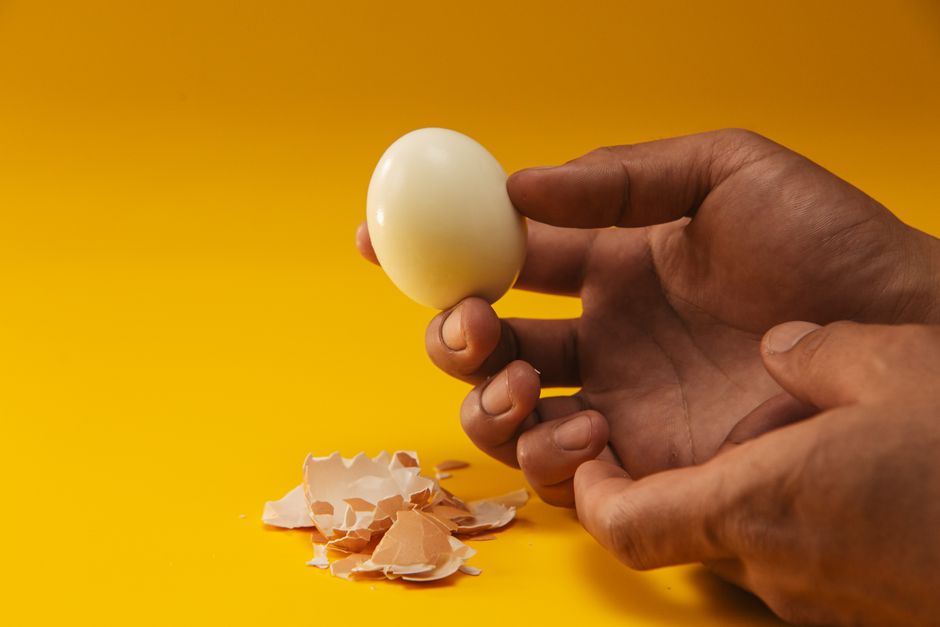
The Secret to Easy Peel Hard Boiled Eggs: No More Frustrating Sticking
Achieving perfectly cooked hard-boiled eggs that peel effortlessly is a culinary holy grail for many. The frustration of tearing away tiny pieces of shell, leaving behind stubborn bits stubbornly clinging to the white, is a common kitchen woe. Fortunately, there are scientifically-backed methods and practical techniques that transform this often-difficult task into a simple, reliable process. This comprehensive guide delves into the science behind why eggs stick, explores various popular methods, and provides actionable tips to ensure your next batch of hard-boiled eggs is a dream to peel. Understanding the factors contributing to sticky shells is the first step towards mastering this simple yet satisfying skill. The culprit often lies in the pH of the egg white and the freshness of the egg. As eggs age, the pH of the egg white increases. This change causes the membranes inside the shell to become less elastic and detach more easily from the egg white. Therefore, older eggs generally peel better than very fresh ones. However, relying solely on age is not always practical, and other methods can compensate for the inherent stickiness of fresher eggs.
The immediate post-cooking cooling process is paramount. Rapidly cooling hard-boiled eggs in an ice bath is arguably the most critical step for achieving easy peeling. The sudden temperature shock causes the egg white to contract slightly, creating a small gap between the white and the inner membrane. This separation is what allows the shell to slip off smoothly. Simply running eggs under cold water is often insufficient. A proper ice bath, where eggs are submerged in a bowl filled with ice and cold water for at least 10-15 minutes, provides the drastic temperature change necessary for optimal results. The colder the water and the more ice, the more effective the cooling will be. This technique works regardless of the initial cooking method used, making it a universal tip for easy-peeling success. Without this crucial cooling step, even the best cooking methods can be undermined by stubbornly attached shells.
Exploring various cooking methods reveals that while the core principles of cooking and cooling remain, subtle differences can impact peeling. The steaming method is often lauded for its superior ease of peeling compared to traditional boiling. Steaming cooks the eggs gently and evenly, and the resulting steam environment seems to contribute to less sticking. To steam eggs, place a steamer basket in a pot, add about an inch of water, and bring it to a rolling boil. Carefully place the eggs in the steamer basket, cover the pot, and steam for 12-15 minutes for large eggs. The key here is that the eggs are not submerged in water, which some believe helps maintain a more consistent cooking temperature and prevents the whites from toughening in a way that makes them stick. After steaming, immediately transfer the eggs to an ice bath for rapid cooling. This method often requires less water and can be more energy-efficient than boiling.
The boiling method, while traditional, can be optimized for easier peeling. Starting with eggs at room temperature can prevent sudden temperature fluctuations that might cause cracking, but the true secret to easy-peel boiling lies in the post-boil treatment. After cooking your eggs to your desired hardness (typically 10-12 minutes for hard-boiled), drain the hot water and immediately plunge the eggs into an ice bath. Agitating the eggs gently in the ice bath by rolling them around can further encourage separation of the membrane from the shell. Some cooks also advocate for "cracking and peeling under running water." Once the eggs have cooled sufficiently in the ice bath, gently tap the rounded end of the egg on a hard surface to create a crack. Then, roll the egg on the surface to create more cracks. Begin peeling from the larger end, where the air pocket is typically located, and the shell should come away more freely. If you encounter stubborn spots, try peeling under a gentle stream of cool water. The water can lubricate the shell and membrane, assisting in the removal.
Another popular technique involves adding a leavening agent to the boiling water, such as baking soda or salt. The theory behind adding baking soda is that it increases the alkalinity of the water, raising the pH of the egg white and making it easier to peel. Adding about half a teaspoon of baking soda to the boiling water is a common recommendation. Similarly, adding a tablespoon of salt is believed by some to help prevent cracking and potentially aid in peeling, though its primary benefit might be for taste in other cooking applications. While the scientific evidence for significant peeling improvements with these additions in boiling water is debated compared to the impact of the ice bath, many home cooks swear by them. Regardless of the additive, the crucial step of immediate ice bath cooling remains non-negotiable for maximizing easy-peeling results.
Considering the freshness factor is important when aiming for easy-peel hard-boiled eggs. As mentioned, older eggs generally peel better. If you are planning to hard-boil eggs, it’s advisable to purchase them a week or two in advance and store them in the refrigerator. This allows sufficient time for the egg’s pH to rise naturally. If you find yourself needing to hard-boil very fresh eggs, you’ll need to be even more diligent with the cooling and peeling techniques. Some suggest a slightly longer cooking time for very fresh eggs to ensure the white is fully set and less likely to adhere to the membrane, but this can also lead to overcooked, rubbery yolks. The key is to balance cooking time with the other established methods.
Peeling techniques themselves can significantly influence the ease of shell removal. The "cracked and rolled" method, described earlier, is effective. Starting the peel from the wider end of the egg is also a strategic move. This end often contains a small air pocket between the shell and the membrane, making it easier to initiate the peeling process. Once you’ve broken the shell, look for a thin membrane clinging to the egg white. Gently work your fingers under this membrane, and with a bit of luck and proper cooling, it should peel away in larger sections. If you’re still struggling, try gently squeezing the egg from both ends to encourage the shell to loosen. Patience is key, especially with less-than-ideal eggs.
Beyond the cooking and cooling, the type of egg might also play a minor role. While not a drastic difference, some anecdotal evidence suggests that brown eggs might be slightly easier to peel than white eggs, possibly due to subtle differences in shell thickness or porosity. However, this is largely unsubstantiated by scientific research and should not be relied upon as a primary strategy for easy peeling. The primary drivers for successful easy-peel hard-boiled eggs remain the freshness of the egg, the cooking method, and most importantly, the rapid cooling process.
For those who find traditional methods consistently challenging, pressure cooking offers a promising alternative. Pressure cookers cook food at higher temperatures and pressures, which can affect the egg’s structure. Many users report that hard-boiled eggs cooked in a pressure cooker are exceptionally easy to peel. A common method involves placing eggs on a trivet inside the pressure cooker with about a cup of water. Cooking time is typically very short, often just 5-7 minutes under high pressure, followed by an immediate natural release or a quick release and then an ice bath. The intense cooking environment within the pressure cooker appears to facilitate the separation of the membrane from the egg white. Experimentation with precise cooking times may be necessary based on your specific pressure cooker model.
When considering storage and future peeling, it’s worth noting that hard-boiled eggs are best peeled just before consumption for optimal freshness and texture. However, if you need to peel them in advance, store the peeled eggs in an airtight container in the refrigerator, submerged in a little cold water. This helps prevent them from drying out and can maintain their quality for a few days. While refrigeration after peeling is convenient, it doesn’t drastically change the inherent peeling ease once the eggs have been properly cooled. The challenge is primarily in the cooking and immediate post-cooking stages.
Finally, for the ultimate convenience and guaranteed easy peeling, consider investing in an electric egg cooker. These dedicated appliances are designed to cook eggs to perfection and often incorporate features that promote easy peeling. Many electric egg cookers use a steaming mechanism and then signal when the eggs are ready to be transferred to an ice bath. The consistent heat and precise timing of these devices can lead to remarkably easy-to-peel results, minimizing guesswork and manual intervention. While an additional kitchen gadget, for those who frequently prepare hard-boiled eggs, the time saved and frustration avoided can be well worth the investment. The consistent outcome from these devices highlights the importance of controlled cooking and immediate cooling in achieving the desired easy-peel result. The science behind easy-peel hard-boiled eggs is surprisingly accessible, revolving around egg freshness, controlled cooking, and, most critically, rapid cooling. By implementing these techniques, you can bid farewell to frustrating peeling and enjoy perfectly cooked, easily accessible hard-boiled eggs every time.


