Recipes 893 Well Ventilated Light Asparagus Pie
Recipe 893: Well-Ventilated Light Asparagus Pie
This recipe for a well-ventilated light asparagus pie prioritizes a flaky, crisp crust and a delicately set, flavorful asparagus filling. The emphasis on "well-ventilated" refers to techniques that prevent a soggy bottom and ensure even cooking, resulting in a pie that is both visually appealing and texturally delightful. The "light" aspect is achieved through the judicious use of dairy and the freshness of the asparagus, making it a perfect springtime or early summer dish. This pie is ideal as a light lunch, a sophisticated starter, or a delightful side dish. The key to its success lies in meticulous preparation of both the crust and the filling, with a focus on drainage and controlled moisture.
The foundation of this recipe is a superior pie crust. For a truly well-ventilated pie, a blind-baked crust is essential. This involves pre-baking the pastry shell before adding the filling. To achieve optimal crispness, a good quality all-butter pastry is recommended. Start with 2 ½ cups of all-purpose flour, 1 teaspoon of salt, and 1 cup (2 sticks) of unsalted butter, chilled and cut into ½-inch cubes. In a large bowl, whisk together the flour and salt. Add the chilled butter cubes and work them into the flour using a pastry blender or your fingertips until the mixture resembles coarse crumbs with some pea-sized pieces of butter remaining. This uneven distribution of butter is crucial for creating flaky layers. Gradually add 6-8 tablespoons of ice-cold water, one tablespoon at a time, mixing until the dough just comes together. Be careful not to overmix, as this will develop the gluten and result in a tough crust. Divide the dough in half, flatten each half into a disc, wrap tightly in plastic wrap, and refrigerate for at least 1 hour. This chilling period allows the gluten to relax and the butter to firm up, making the dough easier to roll and enhancing its flakiness.
Once the dough has chilled, it’s time to prepare it for blind baking. Lightly flour a clean work surface and your rolling pin. Roll out one disc of dough into a 12-inch circle, about ⅛ inch thick. Carefully transfer the dough to a 9-inch pie plate. Trim and crimp the edges decoratively. Prick the bottom of the pastry shell all over with a fork. This is another crucial step for ventilation, allowing steam to escape during baking and preventing puffing. Line the pastry shell with parchment paper, ensuring it covers the bottom and sides. Fill the parchment paper with pie weights, dried beans, or rice, making sure they are distributed evenly to prevent the crust from collapsing. Refrigerate the lined pie shell for another 30 minutes. This chilling period helps the crust hold its shape during baking. Preheat your oven to 400°F (200°C). Bake the pie shell with weights for 15-20 minutes, or until the edges are lightly golden. Carefully remove the parchment paper and weights. If the bottom of the crust appears wet, return it to the oven for another 5-7 minutes, or until it’s dry and lightly golden. This blind baking process creates a barrier against the moisture from the filling, guaranteeing a crisp bottom.
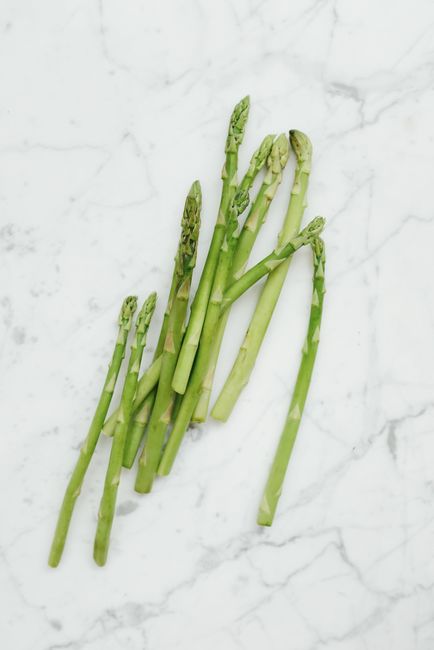
The filling for this well-ventilated light asparagus pie is designed to be fresh, vibrant, and not overly dense. You will need 1 ½ pounds of fresh asparagus. Trim the tough woody ends from the asparagus spears. Depending on their thickness, you can either leave them whole or cut them into 1 to 1 ½-inch pieces. Blanch the asparagus in boiling salted water for 1-2 minutes, until bright green and tender-crisp. Immediately plunge the blanched asparagus into an ice bath to stop the cooking process and preserve its vibrant color. Drain the asparagus thoroughly, and if you cut them into pieces, gently pat them dry with paper towels to remove any excess moisture. This thorough draining and drying are paramount for preventing a watery filling and ensuring the well-ventilated nature of the pie.
For the custard base, whisk together 3 large eggs, ½ cup heavy cream, and ½ cup whole milk in a medium bowl. Season with salt and freshly ground black pepper to taste. A pinch of nutmeg is a classic addition that complements asparagus beautifully. Gently whisk in ¼ cup of grated Gruyère cheese or Parmesan cheese for a subtle nutty flavor. Do not over-whisk; you want to combine the ingredients, not incorporate too much air. The cheese adds richness and acts as a binder, but its moderate amount keeps the pie light. For added flavor and aroma, consider adding 1 tablespoon of finely chopped fresh chives or dill to the custard mixture. These herbs provide a fresh, herbaceous note that pairs exceptionally well with asparagus.
To assemble the pie, arrange the blanched and dried asparagus spears or pieces evenly in the pre-baked pie crust. Ensure the asparagus is not packed too tightly, allowing for even heat circulation. Pour the prepared custard mixture over the asparagus, ensuring it fills the gaps and gently covers the spears. The custard should reach almost to the top of the crust. If any asparagus pieces are sticking out significantly, gently push them down into the custard.
Now, for the final baking stages that ensure the pie is perfectly cooked and well-ventilated. Reduce the oven temperature to 375°F (190°C). Carefully place the assembled pie onto a baking sheet. This is another preventative measure against spills and makes it easier to transfer the pie in and out of the oven. Bake for 30-40 minutes, or until the custard is set and the top is lightly golden brown. The center of the pie should be just barely jiggly when gently shaken. An overcooked custard can become rubbery. To check for doneness, insert a thin knife into the center of the pie; it should come out clean. If the crust edges start to brown too quickly, you can loosely tent the pie with aluminum foil.
Allow the well-ventilated light asparagus pie to cool on a wire rack for at least 15-20 minutes before slicing and serving. This resting period is crucial for the custard to fully set, preventing it from oozing out when cut. The cooling also allows the flavors to meld together. This pie is best served warm, but it is also delicious at room temperature.
To further enhance the well-ventilated aspect and elevate the presentation, consider a garnish. A scattering of fresh chives, a drizzle of crème fraîche, or a light dusting of paprika can add visual appeal and a touch of extra flavor. For a more substantial meal, this pie can be served alongside a simple green salad with a light vinaigrette.
The recipe’s emphasis on draining, drying, and blind baking addresses common pitfalls that lead to soggy pie bottoms. The moderate amount of dairy in the filling prevents it from becoming heavy or greasy, contributing to its "light" character. The freshness of the asparagus is paramount, so choose firm, bright green spears. If asparagus is out of season, frozen asparagus can be used, but it’s crucial to thaw it completely and drain it extremely well, perhaps even squeezing out excess liquid.
Variations on this recipe can be explored to suit different palates. Adding a tablespoon of lemon zest to the custard can provide a bright, citrusy note that complements the asparagus. Crumbled cooked bacon or pancetta can be incorporated for a savory twist, though this will alter the "light" aspect. A few slivers of garlic, sautéed until fragrant before being added to the filling, can also add depth of flavor. For a vegetarian option, ensure your cheese is vegetarian rennet-free.
The precise measurements for ingredients, particularly water in the pastry and baking times, are guidelines. Oven temperatures can vary, so it’s important to be observant. The well-ventilated nature of the pie is a direct result of techniques that manage moisture. This includes the pre-baking of the crust, pricking the bottom, using pie weights, and thoroughly draining and drying the asparagus. These steps ensure that steam has avenues to escape, resulting in a crisp crust that can stand up to the creamy filling. The term "light" in this context refers to both the caloric content and the overall delicate flavor and texture. The careful balance of eggs and dairy, combined with the fresh vegetable, achieves this.
This well-ventilated light asparagus pie is a testament to the power of technique in creating delicious and appealing dishes. It’s a recipe that rewards attention to detail and delivers a satisfying culinary experience, showcasing the natural sweetness of asparagus in a refined and elegant preparation. The absence of a heavy, dense filling ensures that the delicate flavor of the asparagus remains the star, supported by a perfectly crisp, golden crust. This recipe is a valuable addition to any culinary repertoire, particularly for those seeking to create impressive dishes with fresh, seasonal ingredients. The methodical approach to preventing moisture accumulation is the defining characteristic that elevates this from a simple asparagus tart to a truly well-ventilated pie. The ability of the crust to remain crisp after holding a moist filling is the ultimate measure of its success.