
Greek Lamb Meatballs In Lemon Sauce

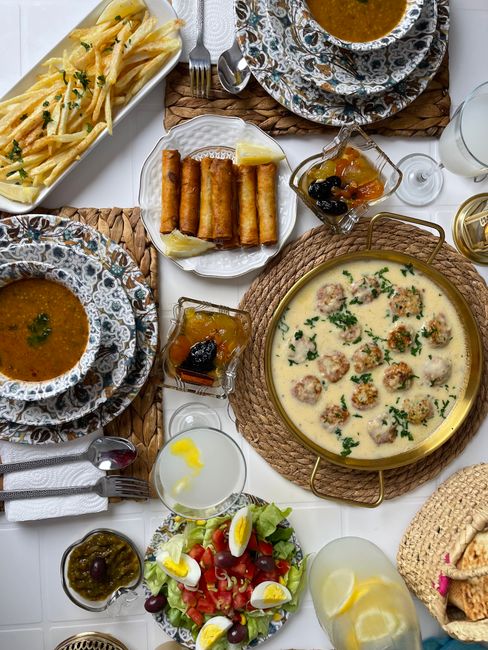
Greek Lamb Meatballs in Lemon Sauce: A Deep Dive into Keftedes Lemonates
Greek lamb meatballs, known as Keftedes Lemonates, represent a cornerstone of Hellenic cuisine, offering a harmonious balance of savory, tangy, and herbaceous notes. This dish transcends its humble origins, showcasing the versatility of lamb and the brilliance of Mediterranean flavors. At its core, Keftedes Lemonates are a celebration of fresh ingredients and time-honored cooking techniques, resulting in tender, flavorful meatballs bathed in a luminous, zesty lemon sauce. Understanding the nuances of this dish, from ingredient selection to sauce emulsification, is key to achieving authentic and deeply satisfying results. This comprehensive guide explores every facet of Greek lamb meatballs in lemon sauce, providing insights for both novice home cooks and seasoned chefs aiming to perfect this beloved Greek classic.
The foundation of exceptional Keftedes Lemonates lies in the quality of the lamb. Ground lamb, ideally with a moderate fat content (around 80/20 lean-to-fat ratio), is paramount. Fat contributes significantly to the moisture and tenderness of the meatballs, preventing them from becoming dry or crumbly. While leaner cuts can be used, they often require the addition of binders or extra moisture to compensate. Sourcing fresh, high-quality lamb, preferably from a reputable butcher, will elevate the overall flavor profile. The subtle gaminess of lamb pairs exceptionally well with the bright acidity of lemon and the aromatic complexity of Mediterranean herbs, creating a distinct and memorable culinary experience. The choice between ground lamb shoulder, leg, or a combination will influence the final texture and richness. Shoulder tends to be more flavorful and tender, while leg can be leaner. Experimentation can lead to a preferred blend for individual palates.
Beyond the lamb, the binding and flavoring agents within the meatballs are crucial. Traditional Keftedes often incorporate finely chopped onion, garlic, and fresh herbs like parsley, mint, and oregano. The onion, when finely minced and sometimes even grated or pulsed in a food processor, releases its juices and adds a subtle sweetness and moisture. Garlic, a ubiquitous flavor enhancer in Greek cooking, provides a pungent aroma and depth. Fresh herbs are not merely decorative; they are integral to the taste of Keftedes. Parsley offers a clean, bright herbaceousness, mint introduces a refreshing coolness, and oregano, with its earthy and slightly peppery notes, grounds the flavors. Some recipes may also call for breadcrumbs, either fresh or dried, to help bind the mixture and absorb excess moisture. Soaking stale bread in milk or water and then squeezing out the excess liquid creates a softer crumb that contributes to a more tender texture. Egg is another common binder, helping to hold the ingredients together during the cooking process. The precise ratios of these ingredients are where personal preference and regional variations emerge, but a balanced approach ensures that no single flavor overpowers the others.
The shaping of the meatballs is a tactile process that requires a gentle touch. Overworking the lamb mixture can lead to tough meatballs. The goal is to combine the ingredients just until they are incorporated. Rolling the meatballs into uniform, bite-sized spheres ensures even cooking. The size can vary from small, appetizer-sized portions to larger, entrée-sized ones. Uniformity is key for consistent cooking times, preventing some from being overcooked while others are undercooked. A light coating of flour before frying can contribute to a slightly crisper exterior, though this is not always a necessary step. The method of cooking the meatballs also plays a significant role. Pan-frying is the most common and effective method for Keftedes, as it allows for browning, which develops desirable Maillard reaction flavors, while also cooking them through.
The lemon sauce, or "avgolemono" in its more traditional, richer form (though this dish often features a lighter, emulsified lemon sauce), is the soul of Keftedes Lemonates. The sauce’s bright acidity cuts through the richness of the lamb, creating a beautifully balanced dish. The primary components of this sauce are typically a good quality chicken or lamb broth, fresh lemon juice, and sometimes a thickening agent like a roux (butter and flour) or an egg yolk (for a true avgolemono). The quality of the broth is essential; a homemade or a well-chosen store-bought broth will provide a more complex flavor base. Freshly squeezed lemon juice is non-negotiable; bottled lemon juice lacks the vibrant flavor and aroma of fresh citrus. The technique for creating the sauce is crucial for achieving the desired consistency and emulsification. If a roux is used, it’s important to cook out the raw flour taste. If egg yolk is employed, tempering is vital to prevent curdling. The addition of finely chopped fresh dill or parsley to the sauce often provides a final herbaceous flourish and visual appeal.
A variation on the lemon sauce involves creating a lighter, pan sauce directly in the skillet after frying the meatballs. This method allows the flavors from the browned lamb bits to meld with the sauce ingredients. After removing the meatballs from the pan, a bit more butter or olive oil might be added, followed by minced garlic and perhaps shallots, sautéed until fragrant. Deglazing the pan with white wine or broth is a critical step, scraping up any browned bits from the bottom. The liquid is then reduced, and the lemon juice is added, along with herbs. The sauce is then brought to a simmer, and the meatballs are returned to the pan to finish cooking and absorb the flavors of the sauce. This pan-sauce method is often quicker and results in a more integrated flavor profile.
The cooking process for Greek lamb meatballs in lemon sauce requires careful attention to detail. Pan-frying the meatballs until golden brown on all sides is the initial step. This can be done in batches to avoid overcrowding the pan, which would steam the meatballs rather than fry them, leading to a less desirable texture. Medium-high heat is generally recommended. Once browned, the meatballs are typically removed from the pan and set aside. The sauce is then prepared in the same skillet, leveraging the fond left behind from the meatballs. The simmering time for the meatballs in the sauce should be sufficient to cook them through and allow them to absorb the sauce’s flavors, but not so long that they become mushy. If a traditional avgolemono is used, the final stage of tempering the egg yolk into the simmering broth requires constant whisking and gentle heat to achieve a creamy, luscious consistency without scrambling the eggs.
Serving Keftedes Lemonates offers a multitude of possibilities, reflecting the versatility of this dish. They can be enjoyed as a substantial appetizer, a light lunch, or a flavorful main course. Traditional accompaniments include fluffy rice, orzo, or couscous, which are excellent for soaking up the delicious lemon sauce. A simple Greek salad, with its refreshing cucumber, tomatoes, olives, and feta, provides a bright counterpoint to the richness of the meatballs. Tzatziki, the classic Greek yogurt and cucumber dip, adds a cool, creamy element. Crusty bread is also essential for sopping up every last drop of the sauce. For a more elevated presentation, Keftedes Lemonates can be served over a bed of creamy mashed potatoes or a vibrant quinoa salad. Garnishing with extra fresh dill, mint, or parsley, and perhaps a sprinkle of toasted pine nuts or slivered almonds, enhances both the visual appeal and the flavor complexity.
The SEO considerations for this article are embedded within the detailed exploration of the dish. Keywords such as "Greek lamb meatballs," "Keftedes Lemonates," "lemon sauce recipe," "lamb meatball recipe," "Mediterranean cuisine," "Greek food," "avgolemono meatballs" (though clarifying it’s a lighter variation), and "easy lamb meatballs" can be naturally integrated throughout the text. The comprehensive nature of the article, delving into ingredients, techniques, variations, and serving suggestions, provides ample opportunity for keyword placement and topic authority. The use of descriptive language, such as "tender," "savory," "zesty," "luminous," and "herbaceous," also contributes to search engine understanding of the content. The structured format, with clear paragraphs addressing specific aspects of the dish, further aids in readability and SEO.
Exploring ingredient variations and regional adaptations can further enrich the understanding of Keftedes Lemonates. Some island variations might incorporate a touch of cinnamon or nutmeg into the meatball mixture, adding a subtle warmth. Others may lean more heavily on mint, while some might favor a stronger oregano presence. The type of bread used for binding can also differ; some may opt for sourdough for its tangy notes, while others prefer a softer white bread. The broth used for the sauce can also be varied; a light chicken broth is common, but a lamb broth can deepen the lamb flavor profile. For a vegetarian or vegan adaptation, the core principles of a flavorful binding mixture and a bright, zesty sauce can be applied using plant-based proteins like lentils or finely chopped mushrooms.
The culinary science behind achieving perfectly textured meatballs and a stable emulsified sauce is a key aspect. The Maillard reaction during searing creates complex flavors and desirable browning. The role of gluten in flour (if used as a binder or for a roux) provides structure. Egg proteins coagulate when heated, binding ingredients. The acidity of lemon juice denatures proteins, which can tenderize meat but also, in excess, can "cook" it like ceviche. Emulsification, the process of combining liquids that don’t naturally mix (like oil and water, or fat and broth), is crucial for a smooth, cohesive sauce. This is often achieved through vigorous whisking, the addition of emulsifiers like egg yolks or mustard (though not typical in this specific dish), or by slowly incorporating fat into a liquid base. Understanding these principles allows for troubleshooting and refinement of the recipe.
In conclusion, Greek lamb meatballs in lemon sauce, or Keftedes Lemonates, are a testament to the power of simple, high-quality ingredients and thoughtful preparation. From the careful selection of lamb to the delicate balance of herbs and the bright tang of lemon, each element plays a vital role in creating this iconic Hellenic dish. Whether enjoyed as a family meal or a celebratory feast, this recipe offers a delicious journey into the heart of Greek culinary tradition. The versatility in preparation and serving allows for endless enjoyment, making Keftedes Lemonates a timeless addition to any repertoire. Mastering this dish is not just about following a recipe; it’s about understanding the interplay of flavors and textures that define authentic Greek cuisine.


