Spicy Sushi Dipping Sauce
Spicy Sushi Dipping Sauces: Elevating Your Raw Fish Experience
The seemingly simple act of dipping sushi into a sauce is a culinary ritual, a crucial element that transforms an already exquisite dish into an explosion of personalized flavor. While soy sauce and wasabi are the undisputed titans of the sushi dipping sauce world, the burgeoning interest in diverse and bold taste profiles has catapulted spicy sushi dipping sauces to the forefront of gourmet preferences. These sauces aren’t mere condiments; they are art forms, meticulously crafted to complement, contrast, and elevate the delicate sweetness of raw fish, the subtle earthiness of rice, and the crisp bite of nori. From the fiery kick of chili to the nuanced warmth of ginger and garlic, spicy sushi dipping sauces offer a spectrum of heat and complexity that appeals to a wide range of palates. Understanding the components, variations, and the science behind pairing these vibrant concoctions with different sushi types is key to unlocking their full potential and enhancing your home sushi-making endeavors or restaurant experiences. This comprehensive guide delves into the heart of spicy sushi dipping sauces, exploring their foundational ingredients, popular regional interpretations, DIY recipes, and the crucial considerations for achieving perfect harmony with your favorite nigiri, sashimi, and rolls.
At its core, a successful spicy sushi dipping sauce is a balancing act. The heat element, whether derived from fresh chilies, chili pastes, or dried chili flakes, must be integrated with other flavors to avoid overwhelming the sushi. Sweetness, typically from mirin, sugar, or honey, acts as a crucial counterpoint to chili’s heat, creating a more palatable and less aggressive burn. Umami, the savory depth, is often provided by soy sauce, fish sauce, or mushroom extracts. Acidity, from rice vinegar or lime juice, brightens the palate and cuts through richness. Aromatic elements like garlic, ginger, and sesame oil add layers of complexity and fragrance. The textural component also plays a role, with smooth, emulsified sauces offering a different experience than those with discernible chunks of chili or herbs. The interplay of these fundamental elements dictates the sauce’s overall character and its compatibility with various sushi components. For instance, a sauce with a dominant vinegar tang might be ideal for fatty tuna, while a richer, sesame-oil-based sauce could complement simpler white fish.
One of the most accessible and fundamental spicy sushi dipping sauces is a simple Sriracha mayonnaise. This ubiquitous condiment, readily available in most supermarkets, represents a gateway into the world of spicy sushi. The creamy, slightly sweet mayonnaise tempers the pungent heat of Sriracha, creating a smooth, rich sauce that pairs exceptionally well with maki rolls, particularly those featuring cooked ingredients like tempura shrimp or eel, as well as classic California rolls. The emulsified texture coats the rice and nori evenly, delivering a consistent flavor profile with every bite. For an even more nuanced Sriracha mayo, consider incorporating a touch of soy sauce for added umami, a squeeze of lime for brightness, or a dash of sesame oil for nutty depth. This base can be further customized with finely minced garlic, ginger, or even a pinch of sugar to adjust the sweetness-to-spicy ratio. Its versatility makes it a go-to for both home cooks and busy restaurant kitchens.
Beyond the Sriracha-based options, the realm of spicy sushi dipping sauces expands dramatically when exploring Asian culinary traditions. Japanese cuisine, while often perceived as subtle, offers its own unique spicy nuances. Yuzu kosho, a fermented paste made from chili peppers, yuzu (a Japanese citrus fruit), and salt, is a prime example. This potent condiment delivers a complex flavor profile: the bright, floral acidity of yuzu cuts through the fiery heat of the chili, creating a sophisticated and zesty kick. It’s particularly sublime when paired with sashimi, allowing the natural flavors of the fish to shine through while being enhanced by the zesty spice. A small dollop of yuzu kosho, often mixed with a little soy sauce, can transform a simple slice of tuna or hamachi into an extraordinary culinary experience. The fermentation process also adds a depth of umami that is both intriguing and addictive.
Korean cuisine, known for its bold and vibrant flavors, contributes significantly to the spicy sushi dipping sauce landscape. Gochujang, a fermented chili paste, is a cornerstone of Korean cooking and a fantastic base for sushi sauces. Its sweet, savory, and spicy profile, with a hint of fermented depth, lends itself beautifully to sushi. A popular Korean-inspired spicy dipping sauce can be made by combining gochujang with rice vinegar, soy sauce, sesame oil, honey or sugar, and finely minced garlic and ginger. This creates a robust, well-rounded sauce that can stand up to richer sushi preparations, such as those with marinated meats or bold vegetable fillings. The natural sweetness of the gochujang balances the heat, while the vinegar provides a refreshing tang. This sauce can be adjusted to achieve varying levels of spiciness and sweetness, making it a highly customizable option.
Thai cuisine, renowned for its aromatic and complex flavor profiles, also offers inspiration for spicy sushi dipping sauces. Sweet chili sauce, a staple in Thai cooking, can be adapted for sushi by adding a touch of soy sauce for salinity and perhaps a splash of lime juice for brightness. Alternatively, a more complex Thai-inspired sauce could incorporate red curry paste, coconut milk, fish sauce, and a sweetener like palm sugar. The creamy texture of coconut milk softens the heat of the curry paste, while the fish sauce provides essential umami and saltiness. This creates a rich, flavorful dipping sauce that can add an exotic dimension to sushi, particularly rolls with shrimp, crab, or even avocado. The aromatic spices in Thai curry paste, such as lemongrass and galangal, add an intriguing layer of fragrance.
For those seeking an intensely spicy and flavor-packed experience, consider incorporating chili oils. These oils, often infused with dried chilies, Sichuan peppercorns, garlic, and other aromatics, provide a potent heat and a complex, lingering flavor. Chinese chili oil, in particular, offers a unique numbing sensation from the Sichuan peppercorns alongside the fiery heat of the chilies. A simple yet effective spicy sushi dipping sauce can be created by combining a high-quality chili oil with soy sauce, rice vinegar, and a touch of sugar or honey. The oil itself carries a significant amount of flavor, so a little goes a long way. This type of sauce is excellent for adding a powerful kick to sashimi or for spicing up a simple soy sauce and wasabi combination. Experimenting with different types of chili oils, such as Sichuan, Korean, or Mexican chili oils, can lead to a surprising variety of flavor profiles.
Crafting your own spicy sushi dipping sauce at home offers unparalleled control over flavor, heat, and ingredients. Here’s a foundational recipe for a versatile spicy soy-ginger sauce:
Ingredients:
- 1/4 cup soy sauce (low sodium recommended)
- 2 tablespoons rice vinegar
- 1 tablespoon mirin (sweet rice wine)
- 1 teaspoon sesame oil
- 1-2 cloves garlic, minced very finely
- 1 teaspoon fresh ginger, grated
- 1-2 teaspoons Sriracha or other chili sauce (adjust to desired heat)
- Optional: 1/2 teaspoon sugar or honey for added sweetness, pinch of red pepper flakes for extra heat.
Instructions:
- In a small bowl, whisk together the soy sauce, rice vinegar, and mirin until well combined.
- Add the sesame oil, minced garlic, grated ginger, and Sriracha.
- If using, stir in the sugar or honey and red pepper flakes.
- Whisk vigorously until all ingredients are thoroughly incorporated and the sauce is smooth.
- Taste and adjust seasonings as needed. You may want more Sriracha for heat, more mirin or sugar for sweetness, or more vinegar for tang.
- Allow the sauce to sit for at least 15-30 minutes to allow the flavors to meld. For optimal flavor, refrigerate for a few hours or overnight.
This basic recipe is a fantastic starting point. From here, you can experiment endlessly. For a smoky twist, add a drop of liquid smoke or a pinch of smoked paprika. For a citrusy kick, incorporate fresh lime or lemon juice. For a richer, creamier sauce, blend in a tablespoon of tahini or a dollop of cashew butter. The possibilities are limited only by your imagination and your tolerance for heat.
The key to successful spicy sushi dipping sauce is thoughtful pairing. Consider the inherent characteristics of the fish or sushi roll you are dipping. Fatty fish, like tuna belly (otoro) or salmon, can handle bolder, richer, and spicier sauces without being overpowered. Their inherent richness can balance out intense heat. Leaner white fish, such as snapper or sea bass, benefit from lighter, brighter, and less aggressive spicy sauces, allowing their delicate flavors to remain the star. Rolls with a lot of raw vegetables or strong, distinct ingredients may require a sauce that can complement or contrast these elements. For example, a spicy mayo with avocado in a roll could be enhanced by a sauce with a bit more tang and heat, while a simple vegetable roll might benefit from a more nuanced, aromatic spicy sauce.
When it comes to sashimi, the purest form of sushi, the dipping sauce should act as an enhancer, not a dominator. Thinly sliced raw fish, served without rice, demands a sauce that complements its natural flavors without masking them. A light drizzle of soy sauce mixed with a tiny amount of yuzu kosho, a hint of grated ginger, or a few drops of a very mild, aromatic chili oil can elevate sashimi to new heights. The goal is to add a subtle layer of complexity and warmth that accentuates the buttery texture and inherent sweetness of the fish. Overpowering the sashimi with a heavy or intensely spicy sauce is a culinary misstep.
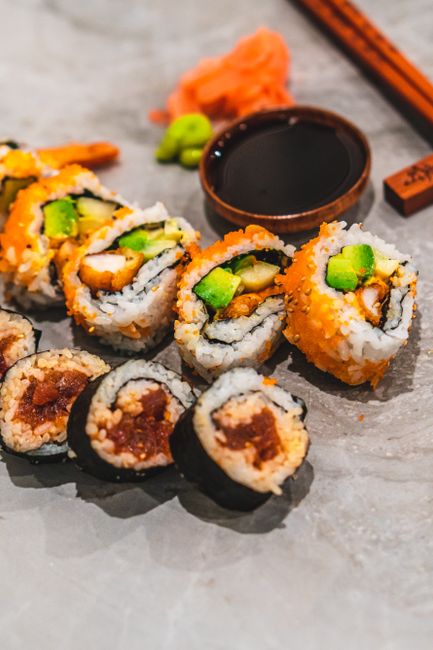
For maki rolls, which often incorporate rice, seaweed, and a variety of fillings, spicy dipping sauces can play a more prominent role. The rice provides a neutral base, and the nori offers a subtle brininess, allowing for a wider range of sauce applications. Spicy mayonnaise-based sauces are incredibly popular with maki rolls, especially those with fried elements or richer fillings. A gochujang-based sauce can also be a fantastic complement to rolls with spicy tuna or kimchi. The key is to ensure the sauce’s heat and flavor profile complement the fillings, creating a cohesive and enjoyable taste experience.
The growing popularity of spicy sushi dipping sauces has led to a proliferation of pre-made options in gourmet food stores and Asian markets. While convenient, these often lack the freshness and nuanced flavor that can be achieved through homemade preparations. When selecting store-bought sauces, look for those with recognizable ingredients, minimal artificial additives, and a balance of flavors. Don’t be afraid to experiment with different brands and types, as each will offer a unique take on the spicy profile. However, for the truly discerning sushi enthusiast, the journey of creating and refining your own spicy dipping sauces is a rewarding and flavorful adventure. The ability to tailor the heat, sweetness, acidity, and umami to your personal preferences makes homemade sauces the ultimate expression of personalized sushi enjoyment. This exploration of spicy sushi dipping sauces is not just about adding heat; it’s about understanding the intricate dance of flavors that can transform a simple meal into an unforgettable sensory experience.