
Amazing Chocolate Quinoa Cake

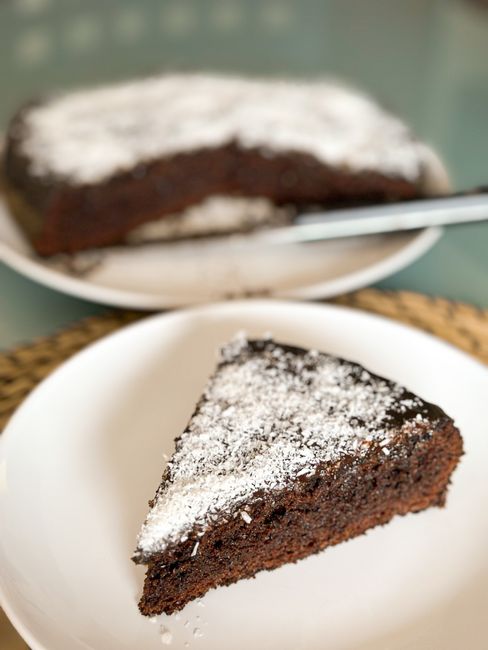
The Ultimate Guide to Amazing Chocolate Quinoa Cake: Flavor, Nutrition, and Perfect Baking
This ultimate guide delves deep into the world of chocolate quinoa cake, a surprisingly delicious and remarkably healthy alternative to traditional flour-based cakes. We’ll explore the inherent benefits of using quinoa as a base, the nuances of achieving optimal flavor and texture, and practical tips for baking a perfect cake every time. Forget dry, gritty, or bland; this chocolate quinoa cake is a revelation, boasting rich chocolate flavor, a tender crumb, and a satisfying, guilt-free indulgence. Its versatility extends from a simple dessert to a sophisticated celebration cake, making it a valuable addition to any baker’s repertoire. We will dissect the key ingredients, the science behind their interaction, and provide a comprehensive approach to troubleshooting common baking challenges. Whether you’re a seasoned baker or a novice looking for a healthier dessert option, this article will equip you with the knowledge and confidence to create an unforgettable chocolate quinoa cake.
The foundational ingredient, quinoa, is the star of this remarkable cake, offering a nutritional powerhouse that elevates it beyond mere dessert. Unlike refined flours, quinoa is a complete protein, containing all nine essential amino acids. This makes our chocolate quinoa cake not only a treat for the taste buds but also a beneficial source of plant-based protein, which aids in satiety and muscle repair. Furthermore, quinoa is a good source of fiber, promoting digestive health and contributing to a more sustained energy release, preventing the sugar crash often associated with conventional cakes. Its complex carbohydrate structure also contributes to a lower glycemic index compared to cakes made with white flour, making it a more suitable option for individuals mindful of their blood sugar levels. The texture of quinoa, when cooked and processed appropriately, lends itself beautifully to baking. Its tiny grains, when ground into a flour or incorporated whole, create a unique texture that is both slightly chewy and tender, providing a delightful contrast to the smooth richness of chocolate. The earthy, nutty undertones of quinoa, while subtle, complement the deep chocolate flavors exceptionally well, adding a layer of complexity that traditional cakes often lack. Understanding these inherent qualities of quinoa is crucial for unlocking the full potential of this amazing chocolate quinoa cake.
Achieving a moist and tender crumb is paramount for any successful cake, and with quinoa, this requires careful attention to moisture content and fat distribution. Quinoa, by its nature, can absorb a significant amount of liquid. This is a double-edged sword: too little liquid will result in a dry, crumbly cake, while too much can lead to a gummy or dense texture. The key lies in finding the right balance. When preparing quinoa for the cake, it’s essential to cook it thoroughly until tender but not mushy. Overcooked quinoa can break down too much, releasing excessive starch and contributing to gumminess. Conversely, undercooked quinoa will remain hard and gritty, detracting from the overall texture. The cooking liquid itself can also play a role. Water is a standard choice, but dairy or non-dairy milk can add richness and subtle flavor. For a particularly decadent chocolate quinoa cake, incorporating a liquid infused with chocolate, such as hot chocolate or brewed coffee, can amplify the chocolate intensity and contribute to moisture. Fat, in the form of butter, oil, or even mashed avocado, is another critical component for moisture and tenderness. Fat coats the flour particles, preventing them from forming tough gluten structures, and also contributes to a richer mouthfeel. In a chocolate quinoa cake, the type of fat can influence the flavor profile. Unsalted butter provides a classic richness, while neutral oils like canola or grapeseed oil ensure a moist crumb without imparting a strong flavor. For a healthier twist, mashed avocado offers healthy fats and a subtle creaminess, though it can impart a slight green hue if not compensated for by the chocolate.
The soul of any chocolate cake lies in its chocolate flavor, and a chocolate quinoa cake is no exception. To achieve a truly amazing chocolate experience, a multi-pronged approach to chocolate incorporation is highly recommended. Firstly, the quality of the cocoa powder is non-negotiable. Opt for a high-quality unsweetened cocoa powder, either natural or Dutch-processed. Natural cocoa powder, with its higher acidity, reacts with baking soda to provide leavening, resulting in a lighter crumb. Dutch-processed cocoa powder, on the other hand, has been alkalized, leading to a darker color and a smoother, less bitter chocolate flavor. The choice between the two can subtly alter the cake’s texture and taste, so experiment to find your preference. Secondly, consider incorporating melted chocolate into the batter. Dark chocolate, with its higher cocoa content, will provide the most intense chocolate flavor. The type of dark chocolate – whether it’s a bittersweet, semi-sweet, or even a single-origin variety – will impart distinct flavor notes. For an extra boost of richness and a fudgier texture, a combination of cocoa powder and melted chocolate is often the winning strategy. The melted chocolate contributes fat and a smooth, luxurious mouthfeel, while the cocoa powder provides concentrated chocolate flavor and color. Additionally, consider adding a tablespoon or two of espresso powder to the batter. While not a chocolate ingredient itself, espresso powder is a secret weapon for amplifying chocolate flavors. It enhances the bitterness and depth of the chocolate without adding a noticeable coffee taste.
Leavening agents are crucial for achieving the desired rise and airy texture in any cake, and their interaction with the other ingredients in a chocolate quinoa cake is vital. Baking soda and baking powder are the most common leaveners. Baking soda requires an acidic component to react and produce carbon dioxide gas, which causes the batter to rise. In recipes using natural cocoa powder or buttermilk, baking soda is often the primary leavener. Baking powder, on the other hand, is a complete leavening agent, containing both an acid and a base, and can be used in recipes without significant acidic ingredients. Some chocolate quinoa cake recipes may call for both for optimal lift. The acidity from ingredients like natural cocoa powder, buttermilk, or even a touch of vinegar or lemon juice will activate the baking soda. The correct ratio of leavening agents to other ingredients is critical; too much can lead to a cake that rises too quickly and then collapses, while too little will result in a dense, flat cake. The texture of ground quinoa can also affect leavening. If the quinoa is very finely ground, it might absorb liquids more readily, potentially hindering the leavening process if not properly accounted for. Therefore, ensuring the quinoa is cooked to the correct consistency before grinding or using pre-ground quinoa of good quality is important.
Eggs play a multifaceted role in cake baking, contributing to structure, richness, and binding. In a chocolate quinoa cake, eggs provide the necessary protein to create a stable framework as the cake bakes, preventing it from crumbling. They also emulsify the fats and liquids, creating a smooth, homogenous batter. The yolks add richness and contribute to a tender crumb due to their fat content. The number of eggs used can influence the cake’s texture: more eggs tend to yield a richer, more cake-like consistency, while fewer eggs might result in a denser, more brownie-like texture. For vegan versions of chocolate quinoa cake, flax eggs (ground flaxseed mixed with water) or commercial egg replacers can be used, although they may slightly alter the texture and richness. The hydration provided by the eggs also contributes to the overall moisture of the cake, helping to counter the potential dryness that can sometimes be associated with alternative flours.
Sweeteners, beyond providing sweetness, also contribute to the cake’s moisture and tenderness. Granulated sugar, brown sugar, maple syrup, honey, or even fruit purees can be used. Brown sugar, with its molasses content, adds moisture and a subtle caramel note that complements chocolate beautifully. Maple syrup and honey offer a different depth of flavor and can contribute to a chewier texture. For a healthier option, fruit purees like applesauce or mashed banana can reduce the need for added sugars and contribute natural moisture and fiber. However, it’s important to note that these fruit purees can also impart their own flavors, so consider how they will interact with the chocolate. The amount of sweetener used will directly impact the cake’s sweetness, but also its texture. Sugars also interfere with gluten development (even in a quinoa cake, some protein structures form), contributing to tenderness.
The baking process itself is a delicate balance of temperature and time, and for a chocolate quinoa cake, these elements are crucial for success. Preheating the oven to the correct temperature is non-negotiable. An oven that is too cool will result in a pale, underdeveloped cake, while an oven that is too hot can cause the outside to burn before the inside is cooked through. For most chocolate quinoa cake recipes, a moderate oven temperature, typically between 325°F (160°C) and 375°F (190°C), is ideal. The baking time will vary depending on the size and depth of the cake pan, as well as the specific ingredients and their hydration levels. Overbaking is a common pitfall that leads to dry cake. The best way to test for doneness is to insert a toothpick or a cake tester into the center of the cake. It should come out clean or with a few moist crumbs attached. Avoid over-inserting the toothpick, as this can create unnecessary holes and potentially lead to dryness. Allowing the cake to cool in the pan for a short period before inverting it onto a wire rack is also important. This allows the cake to set up slightly, preventing it from breaking during the inversion process. Cooling it completely on a wire rack ensures even cooling and prevents steam from accumulating and making the cake soggy.
Troubleshooting common issues is an integral part of any baking journey, and chocolate quinoa cake is no exception. A dry cake is often the result of overbaking, insufficient fat, or too much flour relative to liquid. If your cake is consistently coming out dry, try reducing the baking time slightly or increasing the amount of moist ingredients like oil, applesauce, or milk. A gummy cake, on the other hand, can be caused by underbaking, too much liquid, or over-processing the quinoa. Ensure the cake is baked thoroughly and consider slightly reducing the liquid if you notice a gummy texture. If your quinoa is the culprit, make sure it’s cooked until tender but not mushy. A cake that collapses in the center often indicates issues with leavening or oven temperature. Double-check your baking soda and baking powder freshness and ensure your oven is calibrated correctly. If the recipe calls for a significant amount of cocoa powder, this can also contribute to a denser cake, so ensure your leavening is sufficient to counteract this. A gritty cake is almost always due to undercooked quinoa or improperly ground quinoa. Ensure your quinoa is cooked thoroughly before processing and that your grinding method yields a fine, flour-like consistency. Experimenting with different brands of quinoa and different grinding methods can help identify the source of grittiness.
The versatility of chocolate quinoa cake extends far beyond a simple dessert. Its rich flavor and satisfying texture make it an excellent base for a variety of frostings and toppings. A classic chocolate ganache, a creamy vanilla buttercream, or a light cream cheese frosting all pair beautifully. For a healthier approach, a dollop of Greek yogurt, a sprinkle of fresh berries, or a dusting of powdered sugar can suffice. You can also incorporate additions directly into the batter, such as chocolate chips, chopped nuts, or even a swirl of raspberry jam for a flavor dimension. For special occasions, consider transforming it into a layer cake, filling it with your favorite frosting, and decorating it elaborately. The robust structure of a well-baked chocolate quinoa cake can handle multiple layers and substantial fillings. Its nutritional profile also makes it a popular choice for breakfast or a post-workout treat, especially when paired with healthier toppings.
In conclusion, the amazing chocolate quinoa cake is a testament to the power of innovative baking and mindful ingredient choices. By understanding the unique properties of quinoa, the nuances of chocolate flavor, and the fundamental principles of cake baking, one can create a dessert that is both extraordinarily delicious and remarkably wholesome. This comprehensive guide has provided the foundational knowledge to unlock the full potential of this remarkable cake, empowering you to experiment, troubleshoot, and ultimately, bake a chocolate quinoa cake that will impress even the most discerning palates. Its adaptability, nutritional benefits, and undeniable deliciousness cement its place as a modern classic in the world of baking.


