
Simple Fried Morel Mushrooms

The Ultimate Guide to Simple Fried Morel Mushrooms: A Culinary Adventure
Fried morel mushrooms represent a pinnacle of wild mushroom cuisine, a deceptively simple preparation that allows the unique, earthy, and nutty flavors of these prized fungi to shine. Often hailed as "nature’s morel," Morchella species offer a honeycomb appearance and a delicate, yet robust, taste that makes them a sought-after delicacy. Mastering the art of frying morels is not just about cooking; it’s about unlocking a profound connection to the springtime forest and its ephemeral treasures. This comprehensive guide delves into every facet of achieving perfectly fried morels, from sourcing and cleaning to the optimal cooking techniques and serving suggestions, ensuring a culinary experience that is both accessible and deeply satisfying. The simplicity of this dish belies its complexity of flavor, making it an ideal entry point for those new to wild foraging or a beloved classic for seasoned gourmands. Understanding the nuances of morel preparation is key to transforming these humble fungi into an unforgettable dish.
Sourcing and Identifying Authentic Morels: The Foundation of Flavor
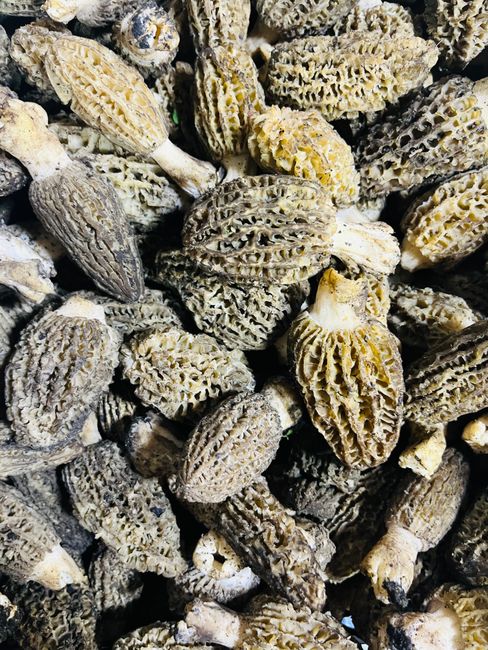
The journey to exceptional fried morels begins with their acquisition. Morels are notoriously difficult to cultivate, making wild foraging the primary, and often only, method of obtaining them. Their season is typically brief, emerging in early to mid-spring, coinciding with the melting snow and the emergence of new plant life. Experienced foragers often find them in disturbed soils, near specific tree species like ash, elm, and poplar, and in areas that have experienced recent fires. Identifying true morels is paramount to avoid potentially toxic look-alikes. Authentic morels possess a distinctly pitted or honeycomb-like cap, which is attached directly to the stem, creating a hollow cavity throughout the mushroom. False morels, such as the ‘false morel’ (Gyromitra esculenta), have a brain-like, convoluted cap and are hollow only in the cap, not the stem. They also contain toxins that can be harmful if not properly prepared, and even then, are not recommended for consumption. Familiarizing oneself with regional variations and consulting with local experts or foraging guides is highly recommended for novice foragers. When purchasing morels, look for firm, plump mushrooms with a rich, earthy aroma. Avoid those that are slimy, bruised, or show signs of decay. Freshness is key to achieving the best texture and flavor in your fried morels. Inspect them carefully for any signs of insect damage or mold.
The Essential Cleaning Ritual: Preserving Purity and Texture
Morels are notorious for harboring dirt, sand, and small insects within their intricate structures. A thorough yet gentle cleaning process is crucial before frying. Never soak morels, as they are highly absorbent and will become waterlogged, compromising their texture and flavor. Instead, use a soft brush, such as a pastry brush or a clean toothbrush, to meticulously dislodge any visible debris from the cap and stem. For more stubborn dirt, a damp paper towel can be used to gently wipe them clean. If necessary, a quick rinse under cool running water can be performed, followed immediately by thorough patting dry with clean kitchen towels. Some chefs advocate for cutting larger morels in half lengthwise to ensure all crevices are accessible for cleaning and to promote even cooking. Smaller morels can often be left whole. The goal is to remove all grit without introducing excess moisture. Properly cleaned morels will feel firm and slightly springy to the touch. This meticulous cleaning step directly impacts the final crispness and overall enjoyment of your fried morels, preventing a gritty texture that can detract from their delicate flavor.
The Art of the Fry: Achieving Golden-Brown Perfection
The cornerstone of this culinary endeavor is the frying technique. While various methods exist, the most common and arguably most effective for simple fried morels involves a light coating and pan-frying.
-
The Coating: The ideal coating for fried morels is one that is minimal, allowing the mushroom’s natural flavor to dominate while providing a delicate crispness. A classic approach involves a light dusting of all-purpose flour. For added flavor and texture, seasoned flour is popular. This can include salt, freshly ground black pepper, and sometimes a pinch of garlic powder or paprika. Some chefs prefer a dredge of cornmeal or a mixture of flour and fine breadcrumbs for a more pronounced crunch. For a lighter, tempura-like batter, a simple mixture of flour, cold water or beer, and a pinch of salt can be employed. The key is to ensure the coating is thin and even, not heavy or doughy.
-
The Fat: The choice of cooking fat significantly influences the flavor profile. Unsalted butter is a classic for its rich, nutty notes that complement morels beautifully. However, butter can burn at higher temperatures, so it’s often combined with a neutral oil like canola, vegetable, or grapeseed oil to increase the smoke point. Ghee, clarified butter, offers the rich flavor of butter with a higher smoke point, making it an excellent option. Bacon fat imparts a smoky depth that is irresistible to many. The amount of fat should be sufficient to create a shallow frying environment, about ¼ to ½ inch in the pan, ensuring the morels cook evenly and develop a beautiful crust.
-
The Cooking Process: Heat the chosen fat in a large skillet over medium-high heat. The fat is ready when a small piece of the coated morel sizzles immediately upon contact. Carefully add the coated morels in a single layer, ensuring not to overcrowd the pan. Overcrowding will steam the mushrooms rather than fry them, resulting in a soggy texture. Fry for approximately 2-4 minutes per side, or until golden brown and crispy. The exact cooking time will depend on the size of the morels and the heat of the pan. Avoid moving the morels too frequently; allow them to develop a crust before flipping. Once golden brown, remove the morels from the skillet using a slotted spoon and place them on a wire rack set over a baking sheet or on a plate lined with paper towels to drain any excess fat. This step is crucial for maintaining crispness.
Flavor Enhancements: Elevating the Humble Morel
While simple fried morels are sublime on their own, several enhancements can further elevate their flavor profile.
-
Aromatic Infusions: Before frying, consider infusing your cooking fat with aromatics. Sautéing minced garlic, shallots, or thyme sprigs in the fat for a minute or two before adding the morels will impart subtle yet delicious notes. Remove the aromatics before adding the mushrooms if you prefer a cleaner flavor.
-
Herbal Companions: Fresh herbs can be added during or after the frying process. Finely chopped parsley, chives, or tarragon tossed with the hot, drained morels will add a burst of freshness and color. A sprinkle of fresh dill can also be delightful.
-
A Touch of Acidity: A light squeeze of fresh lemon juice over the hot fried morels just before serving can brighten their flavor and cut through any richness. A splash of white wine or sherry added to the pan after frying the morels, scraped to deglaze, and then reduced can create a light pan sauce.
-
Umami Boost: A whisper of grated Parmesan cheese sprinkled over the hot morels adds a salty, umami dimension that is incredibly satisfying.
Serving Suggestions: The Perfect Accompaniment
Simple fried morels are incredibly versatile and can be enjoyed in a multitude of ways.
-
The Star of the Show: They are often served as an appetizer on their own, allowing their unique flavor to be the primary focus. A simple garnish of fresh parsley and a wedge of lemon is often all that is needed.
-
Breakfast Bliss: Fried morels are a classic accompaniment to breakfast and brunch. They pair beautifully with scrambled eggs, omelets, steak and eggs, or alongside crispy bacon or breakfast sausage.
-
Elegant Side Dish: They make an exceptional side dish for a variety of main courses. Their earthy notes complement grilled or pan-seared steaks, roasted chicken, pork tenderloin, and delicate fish dishes.
-
Pasta Perfection: Tossed with a light cream sauce, garlic, and herbs, fried morels can transform a simple pasta dish into a gourmet meal. They also work wonderfully in risotto.
-
Salad Sophistication: Slightly cooled, they can be added to green salads for an unexpected burst of flavor and texture. Their earthy notes pair well with peppery greens like arugula or radicchio.
-
Sandwich and Tart Enhancers: Chop them coarsely and add them to gourmet sandwiches or savory tarts for an elevated touch.
Troubleshooting Common Pitfalls: Ensuring Fried Morel Success
Even with simple preparations, challenges can arise.
-
Soggy Morels: This is typically due to overcrowding the pan, not draining them properly after frying, or using too much moisture in the coating. Ensure a single layer, drain well, and consider a drier coating if this is a recurring issue.
-
Uneven Cooking: Larger morels may require cutting in half lengthwise for more even cooking. Ensure your pan is adequately heated and avoid significant temperature fluctuations.
-
Burned Coating: If your coating is burning before the morel is cooked through, your heat is too high. Reduce the heat and consider adding a bit more fat to the pan if it becomes too dry.
-
Gritty Texture: This is almost always a cleaning issue. Be meticulous when brushing and wiping down your morels.
The Nutritional Bounty of Morels: Beyond Flavor
While their culinary appeal is undeniable, morels also offer a respectable nutritional profile. They are a good source of protein, fiber, and essential vitamins and minerals, including vitamin D, iron, and potassium. Their relatively low calorie count, when prepared without excessive fat, makes them a healthy addition to any diet. The unique compounds found in morels are also being researched for potential health benefits, further solidifying their status as a remarkable food.
The Ethical Forager’s Responsibility: Sustainability and Respect
For those who venture into the woods to find their own morels, ethical foraging practices are paramount. Always obtain permission before foraging on private land. Never over-harvest; leave plenty of mushrooms behind to allow for spore dispersal and future growth. Be mindful of your surroundings and avoid disturbing delicate ecosystems. Respecting the environment ensures the continued availability of these prized fungi for generations to come. Sustainable foraging is not just a good practice; it’s a necessity for preserving the wild bounty we cherish.
Conclusion: A Timeless Delicacy
Simple fried morel mushrooms, when prepared with care and attention to detail, offer a profound culinary experience. From the thrill of the hunt to the satisfying crunch of a perfectly fried mushroom, this dish is a celebration of nature’s ephemeral gifts. By understanding the fundamental principles of sourcing, cleaning, and frying, anyone can master this classic preparation and unlock the exquisite flavor of morels. Whether enjoyed as a simple appetizer or a sophisticated side, fried morels remain a testament to the power of simple ingredients and thoughtful cooking, a timeless delicacy that continues to captivate palates year after year. Their earthy, nutty essence, combined with a delicate crispness, creates a flavor profile that is both comforting and sophisticated, making them a perennial favorite among food enthusiasts and foragers alike.


