
Big Vs Slow Cooker Pulled Pork

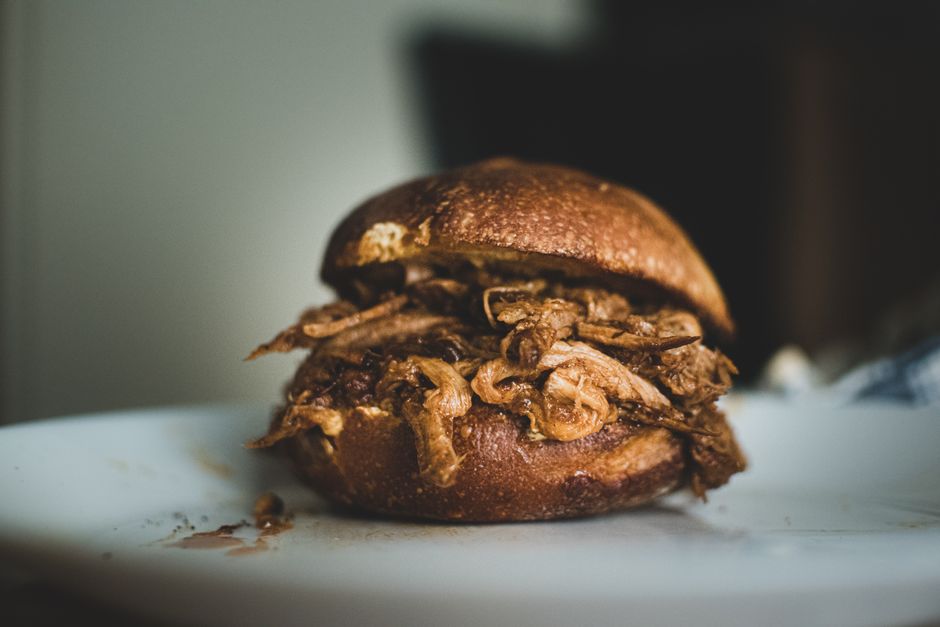
Big Green Egg vs. Slow Cooker Pulled Pork: The Ultimate Showdown for Smoky Perfection
The quest for the perfect pulled pork is a culinary pilgrimage for many. This savory, tender, and incredibly versatile dish can be achieved through various cooking methods, each with its distinct advantages and outcomes. Two popular contenders for the crown of pulled pork perfection are the Big Green Egg (BGE) and the slow cooker. While both can deliver delicious results, they approach the task from fundamentally different angles, impacting flavor, texture, cook time, and the overall cooking experience. Understanding these differences is crucial for any home cook aiming to master this barbecue staple.
The Big Green Egg, a ceramic kamado-style grill, operates as a highly versatile outdoor cooker capable of smoking, grilling, baking, and roasting. For pulled pork, its primary advantage lies in its ability to maintain consistent low temperatures for extended periods, a critical factor for tenderizing tougher cuts of pork shoulder (Boston butt or picnic shoulder). The BGE’s ceramic construction provides exceptional heat retention and insulation, allowing for precise temperature control, typically between 225°F and 275°F, ideal for the low-and-slow smoking process. This method infuses the pork with the distinct smoky flavor characteristic of true barbecue, a flavor profile that a slow cooker, by its very nature, cannot replicate. The smoke source is usually wood chips or chunks, such as hickory, mesquite, or applewood, which impart their unique aromatic qualities to the meat. The rendered fat and connective tissues in the pork shoulder break down slowly over several hours, resulting in an incredibly moist and succulent product with a desirable bark – a flavorful, slightly crispy crust formed on the exterior of the meat during the smoking process. The BGE also allows for greater control over humidity within the cooking chamber, which can be manipulated by adding a water pan. This helps prevent the pork from drying out and contributes to its ultimate tenderness. The process on a BGE is a more involved, hands-on affair, requiring active monitoring of temperature, fuel levels, and smoke. It’s a ritual for many barbecue enthusiasts, a chance to connect with the primal act of cooking over fire and smoke.
The slow cooker, conversely, is an electric appliance designed for long, slow, moist cooking at lower temperatures, typically ranging from 190°F to 200°F on its "low" setting and slightly higher on "high." Its primary advantage is its unparalleled convenience and simplicity. You can essentially "set it and forget it," making it an ideal option for busy individuals or those new to cooking pulled pork. The slow cooker operates by creating a humid environment, cooking the pork in its own juices, along with any added liquids like broth, apple cider, or even cola. This moist heat effectively breaks down connective tissues, yielding very tender pork. However, this method inherently lacks the smoky flavor that defines traditional barbecue. While some recipes incorporate liquid smoke or smoked paprika to impart a smoky essence, it is an approximation, not the genuine article. The texture achieved in a slow cooker can also differ. The absence of direct heat and smoke means that a distinct bark is unlikely to form. Instead, the pork tends to be very soft and shreddable, sometimes described as "fall-apart tender." While undeniably moist, it may lack the textural complexity and the satisfying chew that many barbecue aficionados seek. The cooking process is entirely passive; once the ingredients are in, the machine does all the work with minimal supervision. This makes it incredibly accessible and forgiving.
When comparing the flavor profiles, the distinction is stark. The Big Green Egg excels at delivering authentic smoke flavor. The wood smoke permeates the meat, creating layers of complex aromatics that can range from sweet and fruity (applewood) to pungent and earthy (hickory). This smoky depth is what elevates pulled pork from mere cooked meat to a culinary experience. The Maillard reaction, the chemical process responsible for browning and flavor development, occurs more robustly on the BGE due to the direct heat, contributing to the formation of the desirable bark. The slow cooker, on the other hand, primarily produces a "braised" flavor. The meat is tender and moist, but the taste is dominated by the seasonings and liquids used in the cooking process. While delicious in its own right, it lacks the nuanced smokiness and the distinct char that comes from grilling and smoking. For those who prioritize the deep, complex, and undeniably "barbecue" taste, the BGE is the clear winner.
Texture is another key differentiator. The low-and-slow smoking process on the Big Green Egg, coupled with the rendering of fat and collagen, results in pulled pork that is both tender and has a slight chew. The exterior bark provides a textural contrast to the succulent interior. The slow cooker, through its moist cooking environment, breaks down the muscle fibers to an extreme degree, often resulting in a texture that is so soft it can be almost mushy to some palates. While this "fall-apart" tenderness is desirable for many, it lacks the textural integrity that the BGE can provide. The BGE’s ability to control humidity also plays a role. By managing the moisture within the cooker, the cook can influence how much the pork "sweats" and how much of the rendered fat is reabsorbed, contributing to a more balanced and satisfying texture.
The cooking times for both methods vary significantly. A typical pulled pork cook on a Big Green Egg can range from 8 to 12 hours, or even longer, depending on the size of the pork shoulder and the target temperature. This extended cooking time is essential for properly breaking down the connective tissues and developing flavor. The slow cooker, while also a long-cooking method, is generally faster. A pork shoulder cooked in a slow cooker typically takes 6 to 10 hours on the "low" setting. While this might seem like a shorter commitment, it’s important to remember that the BGE cook is an active process that requires attention throughout, whereas the slow cooker is largely passive. The perceived "effort" is different, even if the total time spent in the kitchen might be comparable.
The preparation and cooking process also presents a contrast in user experience. On the Big Green Egg, preparation involves trimming excess fat (though leaving a good amount is crucial for moisture and flavor), applying a rub (a blend of spices and seasonings), and then preparing the cooker for smoking by bringing it up to temperature and adding wood. During the cook, the user will need to monitor the internal temperature of the grill, replenish charcoal and wood as needed, and potentially spritz the pork with liquid to keep it moist. The BGE is an engaging experience, a chance to hone smoking skills and enjoy the process. The slow cooker, in contrast, is exceptionally straightforward. Place the seasoned pork shoulder into the slow cooker, add your chosen liquids and aromatics, and turn it on. Minimal effort is required beyond the initial setup. This ease of use makes the slow cooker an attractive option for those with limited time or cooking experience.
The cost of entry and ongoing expenses also differ. A Big Green Egg is a significant initial investment, ranging from several hundred to over a thousand dollars, depending on the size and accessories. The ongoing costs involve charcoal and wood. A slow cooker, on the other hand, is a relatively inexpensive kitchen appliance, typically costing between $30 and $100. The primary ongoing expense for slow cooker pulled pork is the ingredients themselves. For those already owning a Big Green Egg, the marginal cost of cooking pulled pork is primarily the ingredients and fuel. For someone starting from scratch, the BGE represents a substantial outlay for a single cooking method, whereas a slow cooker is a versatile, affordable addition to any kitchen.
The versatility of both appliances extends beyond just pulled pork. The Big Green Egg can be used for a vast array of cooking techniques, from searing steaks and pizzas to baking bread and roasting whole chickens. Its ability to achieve high temperatures makes it a true all-in-one outdoor cooking solution. The slow cooker, while primarily known for its "low and slow" capabilities, is also excellent for stews, chili, soups, and even desserts. It’s a workhorse for convenient, hands-off meal preparation. However, when the specific goal is authentic, smoky pulled pork, the BGE offers a more specialized and superior outcome.
The end result of a Big Green Egg pulled pork cook is often described as profoundly satisfying. The rich smoky aroma that fills the air during the cook is itself an experience. The finished product boasts a beautiful mahogany bark, a tender yet slightly chewy interior, and a deep, complex flavor that can only be achieved through smoking. It’s a dish that often elicits praise and commands attention at any gathering. Slow cooker pulled pork is undeniably delicious and convenient. It’s tender, moist, and flavorful, perfect for quick weeknight meals or feeding a crowd without fuss. However, it often lacks the "wow" factor that a well-executed BGE pulled pork can deliver. The absence of smoke and a proper bark means it might not satisfy the cravings of a true barbecue enthusiast.
In terms of SEO (Search Engine Optimization) relevance, the keywords "Big Green Egg pulled pork," "slow cooker pulled pork," "smoking pulled pork," "best pulled pork recipe," "low and slow cooking," "BBQ pulled pork," and "easy pulled pork" are all highly relevant. Articles that comprehensively compare these two methods, highlighting their respective strengths and weaknesses, will naturally attract users searching for information on how to make pulled pork. Focusing on the sensory aspects – smoke, bark, tenderness, flavor – will resonate with search queries related to achieving specific results. The practical considerations, such as cooking time, effort, and cost, also appeal to a broad audience seeking to make informed decisions about their cooking methods.
Ultimately, the choice between a Big Green Egg and a slow cooker for pulled pork hinges on priorities. For the purist seeking authentic smoky flavor, a distinct bark, and a more engaged cooking experience, the Big Green Egg is the undisputed champion. It requires more time, effort, and financial investment, but the rewards are a truly superior pulled pork that embodies the spirit of barbecue. For the convenience-seeker, the busy home cook, or those prioritizing ease and speed without sacrificing tenderness and moisture, the slow cooker offers a highly accessible and satisfying alternative. It’s a matter of culinary philosophy: the art of barbecue versus the efficiency of modern kitchen appliances. Both can produce delicious results, but only one can deliver that signature smoky essence that defines true pulled pork.


