
Slow Cooker Pulled Pork With Orange Juice

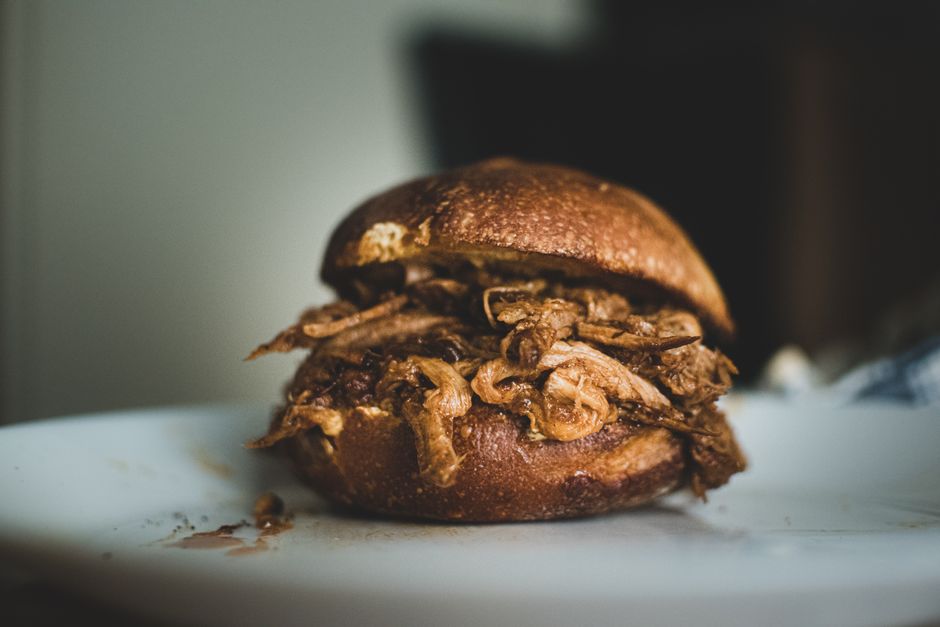
Slow Cooker Pulled Pork with Orange Juice: A Tender, Tangy Twist
The allure of slow cooker pulled pork lies in its promise of melt-in-your-mouth tenderness with minimal hands-on effort. While classic recipes often rely on barbecue sauces or simple seasonings, introducing orange juice offers a bright, slightly sweet, and wonderfully tangy dimension that elevates this comfort food staple. This article will guide you through creating an exceptional slow cooker pulled pork with orange juice, covering ingredient selection, the cooking process, optimal serving suggestions, and the science behind why this combination works so effectively. Whether you’re a seasoned home cook or a beginner, mastering this recipe will unlock a new level of flavor for your slow cooker endeavors.
Choosing the Right Cut of Pork: The Foundation of Flavor and Texture
The success of any pulled pork recipe hinges on selecting the appropriate cut of meat. For slow cooker pulled pork, the two primary contenders are pork shoulder (also known as Boston butt or pork butt) and pork loin. While both can be used, pork shoulder is unequivocally the superior choice for achieving that signature tender, shreddable texture. Pork shoulder is a well-marbled cut, meaning it contains a significant amount of intramuscular fat. During the slow cooking process, this fat renders down, basting the meat from within and contributing immensely to its moisture and tenderness. It also contains connective tissues, which break down over extended periods of low heat, transforming into gelatin. This gelatin is crucial for the unctuous mouthfeel and rich flavor that defines authentic pulled pork.
Pork loin, on the other hand, is a much leaner cut. While it can be cooked in a slow cooker, the risk of it drying out is considerably higher. If you opt for pork loin, it’s imperative to be more vigilant with cooking times and potentially add more liquid to prevent it from becoming tough and stringy. For this orange juice-infused recipe, the richness of pork shoulder stands up beautifully to the acidity and sweetness of the citrus, creating a balanced and deeply satisfying flavor profile. Aim for a boneless pork shoulder roast, ideally weighing between 3 to 5 pounds, as this size will fit comfortably in most standard slow cookers and yield ample servings.
The Essential Role of Orange Juice: Acidity, Sweetness, and Tenderization
Orange juice is not merely an arbitrary addition to this pulled pork recipe; it plays several vital roles in enhancing the final product. Firstly, the acidity present in orange juice acts as a natural tenderizer. The citric acid in the juice begins to break down the tough protein fibers in the pork even before the cooking process fully commences. This pre-tenderizing effect, combined with the extended low-and-slow cooking, ensures exceptionally tender results.
Secondly, orange juice contributes a subtle yet distinct sweetness. This sweetness, when balanced with the savory notes of the pork and accompanying seasonings, creates a complex flavor profile that is both comforting and intriguing. It offers a pleasant counterpoint to the richness of the pork, preventing it from becoming overly heavy.
Finally, orange juice adds moisture to the slow cooker environment. While the pork shoulder itself will release juices, the added liquid from the orange juice ensures a consistently moist cooking atmosphere, further safeguarding against dryness and contributing to the overall juiciness of the shredded pork. Opt for 100% pure orange juice, preferably without added sugars, to control the sweetness level and avoid artificial flavors. Freshly squeezed is ideal, but good quality store-bought juice will also yield excellent results.
Seasoning the Pork: Building Layers of Savory Depth
While the orange juice provides the signature tang, a robust seasoning rub is essential for building a foundational layer of savory flavor. This rub will adhere to the pork, creating a delicious crust and infusing the meat with aromatic complexity. A basic yet effective rub for pulled pork includes:
- Paprika: Provides a smoky, slightly sweet, and vibrant color. Smoked paprika is highly recommended for an added layer of depth.
- Brown Sugar: Contributes sweetness and aids in caramelization, creating those desirable crispy edges during the slow cooking process.
- Garlic Powder and Onion Powder: Offer foundational savory aromatics that are essential for most meat dishes.
- Salt and Black Pepper: The universal flavor enhancers, crucial for bringing out the natural taste of the pork.
- Optional additions: Consider adding a pinch of cayenne pepper for a touch of heat, cumin for an earthy note, or dried thyme for a herbaceous element.
Before adding the pork to the slow cooker, generously coat the entire surface of the roast with this dry rub. Gently massage it in to ensure even coverage. This step is crucial for developing the flavorful exterior that will become part of the shredded pork.
The Slow Cooking Process: Low and Slow for Ultimate Tenderness
The slow cooker is the hero of this recipe, transforming a tough cut of meat into tender, shreddable perfection. The magic lies in the consistent, low temperature applied over an extended period.
- Preparation: Pat the pork shoulder dry with paper towels. This helps the rub adhere better and promotes a better sear if you choose to sear it beforehand (see optional step below).
- Rubbing: Apply the dry rub generously to all sides of the pork shoulder, massaging it in to ensure even distribution.
- Placement in Slow Cooker: Place the seasoned pork shoulder into your slow cooker.
- Adding the Liquid: Pour the orange juice around the pork shoulder. You’ll want enough liquid to cover roughly the bottom half of the roast. The amount will vary depending on the size of your slow cooker and the roast. For a 3-4 pound roast, 2-3 cups of orange juice is typically sufficient.
- Optional Searing: For an extra layer of flavor and a more robust crust, you can sear the pork shoulder on all sides in a hot, oiled skillet before placing it in the slow cooker. This step is optional but highly recommended.
- Cooking Time and Temperature: Cook on LOW for 8-10 hours, or on HIGH for 4-6 hours. The longer cooking time on LOW is preferred for maximum tenderness. The pork is done when it is fork-tender and easily shreds. You should be able to insert a fork and pull apart the meat with minimal resistance.
During the cooking process, avoid lifting the lid of the slow cooker unnecessarily, as this releases heat and moisture, prolonging the cooking time. The slow cooker will do the work; patience is key.
Shredding the Pork: The Satisfying Climax
Once the pork is cooked to perfection and is incredibly tender, it’s time to shred it.
- Removal from Slow Cooker: Carefully remove the pork shoulder from the slow cooker using tongs or a slotted spoon. Place it on a large cutting board or in a heatproof bowl.
- Discarding Excess Fat and Bones: If your pork shoulder has a bone, it should slide out easily at this point. Discard any large, unwanted pieces of fat.
- Shredding: Use two forks to shred the pork. Pull the meat apart in opposing directions, breaking it down into bite-sized strands. The meat should be so tender that it virtually falls apart.
Once shredded, you can return the pork to the slow cooker, along with some of the cooking liquid, to keep it moist and infused with flavor. Stir gently to combine.
Saucing and Serving: The Perfect Accompaniments
While the orange juice provides a subtle sweetness and tang, many pulled pork enthusiasts enjoy a finishing sauce. The beauty of this recipe is its versatility; the orange juice base complements a variety of barbecue sauces.
- Tangy Carolina-Style: A vinegar-based sauce with mustard and a touch of brown sugar would be a fantastic pairing, highlighting the citrus notes.
- Sweet and Smoky: A classic tomato-based barbecue sauce with brown sugar and smoke flavor will also work wonderfully, creating a familiar yet elevated taste.
- Dipping Sauce: You can also serve the shredded pork with the cooking liquid as a natural "au jus" for dipping, allowing the pure orange juice and pork flavor to shine.
Serving Suggestions for Orange Juice Pulled Pork:
- Pulled Pork Sandwiches: The quintessential pulled pork experience. Serve on toasted buns with your favorite coleslaw and pickles.
- Tacos: Shredded pork is a fantastic filling for tacos. Top with fresh salsa, avocado, and a squeeze of lime.
- Nachos: Layer the shredded pork over tortilla chips with cheese, jalapeños, and your preferred nacho toppings.
- Salads: A bed of mixed greens topped with pulled pork, corn, beans, and a vinaigrette makes for a hearty and flavorful salad.
- Bowls: Build a meal in a bowl with grains like rice or quinoa, pulled pork, roasted vegetables, and a drizzle of sauce.
Storing and Reheating: Preserving the Flavor
Leftover slow cooker pulled pork with orange juice can be stored in an airtight container in the refrigerator for up to 3-4 days. To reheat, you can:
- Slow Cooker: Gently reheat on the "warm" setting or on low heat for a short period, adding a splash of additional liquid (broth, orange juice, or water) to maintain moisture.
- Microwave: Reheat in a microwave-safe dish, stirring halfway through to ensure even heating. Again, a little extra liquid can help.
- Stovetop: Gently warm in a skillet over medium-low heat, stirring frequently.
Freezing is also an option for longer storage. Allow the pulled pork to cool completely before transferring it to freezer-safe bags or containers. It can be frozen for up to 2-3 months. Thaw overnight in the refrigerator before reheating.
The Science Behind the Flavor: Maillard Reaction and Collagen Breakdown
The deliciousness of slow cooker pulled pork, especially with the addition of orange juice, is a testament to fundamental culinary science. The Maillard reaction is responsible for the browning and complex flavor development that occurs when amino acids and reducing sugars react at elevated temperatures. While slow cooking is a low-temperature process, the initial searing (if performed) kickstarts this reaction. Over time, even at slow cooker temperatures, subtle Maillard reactions continue to occur on the surface of the pork, contributing to its savory depth.
Equally important is the breakdown of collagen. Connective tissues in the pork shoulder are rich in collagen. During prolonged, low-temperature cooking, this collagen gradually breaks down into gelatin. Gelatin is responsible for the unctuous, melt-in-your-mouth texture that makes pulled pork so desirable. It also contributes to the moistness and richness of the final product. The acidity from the orange juice aids in this collagen breakdown, working in synergy with the heat to tenderize the meat effectively. The fat within the pork also renders and melts, further contributing to the moistness and flavor.
Tips for Success: Mastering the Orange Juice Pulled Pork
- Don’t Overcrowd the Slow Cooker: Ensure there’s adequate space for the pork to cook evenly.
- Adjust Cooking Time as Needed: Slow cookers can vary in temperature. Always rely on the tenderness of the meat as your indicator for doneness.
- Taste and Adjust Seasoning: Before serving, taste the shredded pork and adjust salt, pepper, or other seasonings as needed.
- Embrace the Leftovers: Pulled pork is incredibly versatile and often tastes even better the next day.
- Consider Homemade Rubs: Experiment with your own spice blends for a personalized touch.
The slow cooker pulled pork with orange juice is more than just a recipe; it’s a gateway to incredibly flavorful and tender pork with a delightful citrus twist. The interplay of sweet orange juice, savory pork, and expertly balanced seasonings creates a dish that is both comforting and sophisticated. By understanding the roles of each ingredient and the science behind the cooking process, you can confidently recreate this exceptional meal time and time again, impressing friends and family with your culinary prowess. This method offers a refreshing departure from traditional pulled pork, proving that simple additions can yield extraordinary results.


