
Tex Mex Beef And Cheese Enchiladas

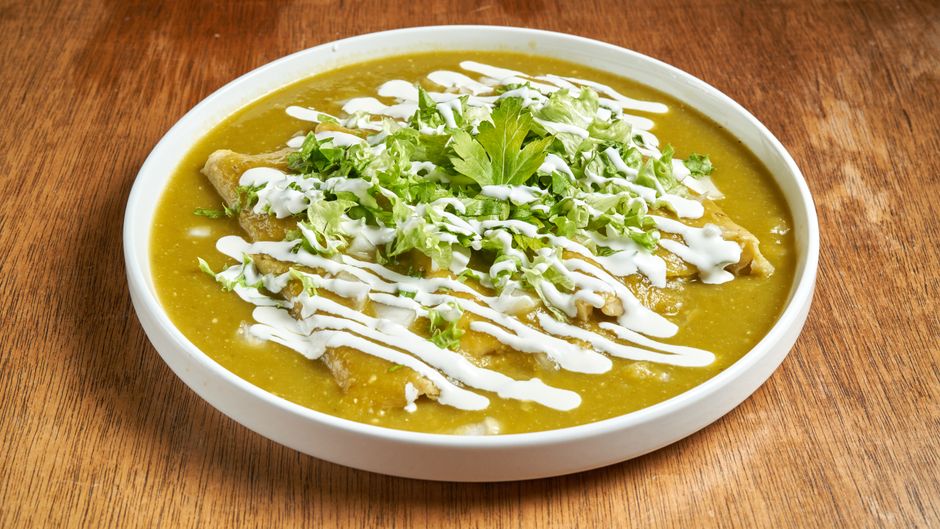
Tex-Mex Beef and Cheese Enchiladas: A Culinary Cornerstone of Flavor and Comfort
Tex-Mex beef and cheese enchiladas represent a quintessential dish, a comforting and deeply flavorful experience that forms a cornerstone of Southwestern cuisine. This iconic dish, characterized by its tender ground beef filling, rich, melty cheese, and a vibrant enchilada sauce, is more than just a meal; it’s a cultural touchstone, evoking warmth, family gatherings, and the bold, distinctive tastes of the Texas-Mexico border. Understanding the nuances of this beloved dish, from selecting the best ingredients to mastering the layering and baking techniques, is key to achieving authentic, satisfying results. The foundation of any great beef and cheese enchilada lies in the quality of its components. For the beef, a lean to medium ground beef (80/20 or 85/15) is ideal, offering enough fat for moisture and flavor without becoming greasy. Browning the beef thoroughly is crucial, allowing for the development of Maillard reaction flavors. Seasoning the beef during the browning process with a judicious blend of cumin, chili powder, garlic powder, onion powder, and a pinch of cayenne pepper infuses it with the characteristic Tex-Mex profile. Some cooks opt to add a finely diced onion and a minced clove of garlic to the beef during the last few minutes of browning, further deepening the savory base. The moisture content of the cooked beef is also important; it should be relatively dry, as excess liquid can make the enchiladas watery. Draining off any rendered fat is a vital step.
The cheese component is equally critical, with a blend of cheeses typically providing superior flavor and meltability. A common and highly effective combination includes Monterey Jack for its creamy texture and mild flavor, and sharp cheddar for its tangy bite and excellent melting properties. Some variations incorporate a touch of Asadero or Queso Oaxaca for an even more authentic, stretchy melt. Shredding your own cheese from blocks is paramount; pre-shredded cheeses often contain anti-caking agents that can inhibit smooth melting, resulting in a less desirable texture. The quantity of cheese is a matter of personal preference, but a generous amount is generally expected for that quintessential gooey cheese pull.
The soul of the enchilada, however, is undoubtedly the enchilada sauce. While store-bought options are readily available and can be convenient, a homemade sauce elevates the dish significantly. The base of a classic Tex-Mex enchilada sauce is a roux made from oil or butter and flour, which is then simmered with chili powder, cumin, garlic powder, onion powder, and oregano. Beef broth or water serves as the liquid, and a touch of tomato paste or crushed tomatoes can add depth and color. The key to a truly exceptional enchilada sauce is the quality and type of chili powder used. Ancho chili powder, derived from dried poblano peppers, provides a smoky, earthy flavor, while a brighter chili powder can add a more vibrant kick. Some recipes call for a blend of different chili powders to achieve a complex flavor profile. Simmering the sauce for at least 15-20 minutes allows the flavors to meld and deepen. Adjusting the seasoning to taste, with salt, pepper, and perhaps a touch of sugar to balance the acidity, is a crucial final step. The consistency of the sauce is also important; it should be thick enough to coat the tortillas without being overly pasty.
The vessel for this flavorful filling and sauce is the tortilla. Corn tortillas are the traditional choice for Tex-Mex enchiladas, offering a distinctively earthy flavor and a texture that holds up well to the sauce. Softening the corn tortillas is essential to prevent them from cracking during rolling and baking. This can be achieved by lightly frying them in hot oil for a few seconds per side, or by steaming them until pliable. While some Tex-Mex variations may occasionally employ flour tortillas, corn tortillas are the authentic and preferred option for this classic iteration.
Assembling the enchiladas involves a specific layering process designed to maximize flavor distribution and create a visually appealing dish. Each tortilla is dipped in the warm enchilada sauce, ensuring it is fully coated, then filled with a portion of the seasoned ground beef and a generous sprinkle of shredded cheese. The tortilla is then carefully rolled and placed seam-side down in a baking dish, typically a 9×13 inch pan. Arranging the enchiladas snugly side-by-side prevents them from unrolling during baking and creates a cohesive dish. Once all the enchiladas are in the pan, they are generously blanketed with more enchilada sauce, ensuring every surface is covered. Finally, an abundant layer of shredded cheese is sprinkled over the top, forming a tantalizing crust during the baking process.
Baking is the final transformative stage. Preheating the oven to a moderate temperature, typically 350-375°F (175-190°C), is important for even cooking. The enchiladas are baked until the sauce is bubbling and the cheese on top is melted and lightly golden brown. This usually takes between 20 to 30 minutes. It’s often beneficial to cover the baking dish with foil for the initial portion of baking to prevent the cheese from browning too quickly, then remove the foil for the last 5-10 minutes to achieve that desirable golden hue. Allowing the enchiladas to rest for a few minutes after removing them from the oven is crucial. This allows the flavors to settle and the cheese to firm up slightly, making them easier to serve and preventing them from falling apart.
The garnishes are what truly elevate Tex-Mex beef and cheese enchiladas from a delicious meal to a complete culinary experience. Classic toppings include a dollop of sour cream, which provides a cooling contrast to the richness of the enchiladas, and chopped fresh cilantro, offering a bright, herbaceous counterpoint. Sliced black olives and diced fresh jalapeños are common additions for those seeking a bit more zest and spice. Some purists might argue for a sprinkle of finely chopped white onion. For those who enjoy a more robust flavor, a side of pico de gallo or a spoonful of guacamole can further enhance the experience. The beauty of these garnishes lies in their ability to add textural contrast and layers of complementary flavors, allowing individuals to customize their enchiladas to their precise liking.
The versatility of Tex-Mex beef and cheese enchiladas makes them a perennial favorite for weeknight dinners and special occasions alike. They can be made ahead of time and reheated, making them ideal for entertaining. The foundational recipe can also be adapted to accommodate dietary preferences, with variations like vegetarian enchiladas featuring black beans and corn, or green chile enchiladas utilizing a tomatillo-based sauce. However, the classic beef and cheese iteration remains the undisputed champion, a testament to its enduring appeal and its ability to satisfy cravings for robust, comforting flavors. The search engine optimization (SEO) of this dish’s title and content is crucial for anyone looking to share or discover this beloved recipe. Keywords such as "Tex-Mex beef enchiladas," "cheese enchiladas recipe," "easy beef enchiladas," "authentic Tex-Mex," and "ground beef enchilada casserole" will help users find this comprehensive guide. Highlighting the ingredient preparation, sauce-making, assembly, and baking process in detail, while using these keywords naturally throughout the text, will ensure strong search engine visibility. The inherent appeal of "comfort food," "family favorite," and "Mexican dinner ideas" also contributes to its online discoverability. The detailed breakdown of each component, from the ideal fat content of the beef to the best cheese blends, provides valuable information for home cooks seeking to perfect their enchilada-making skills. Furthermore, the emphasis on authentic Tex-Mex flavors and techniques distinguishes this article, attracting users who are specifically searching for traditional methods. The inclusion of garnish suggestions further enhances the article’s utility, offering users a complete picture of how to serve and enjoy their homemade enchiladas. The overall goal is to provide a rich, informative, and keyword-dense resource that answers all potential user queries related to Tex-Mex beef and cheese enchiladas. The depth of information presented, covering every step from ingredient selection to final presentation, positions this article as a definitive guide for both novice and experienced cooks. This comprehensive approach ensures that users seeking to master this classic dish will find all the information they need.


