
Ash E Reshteh Persian Legume Soup

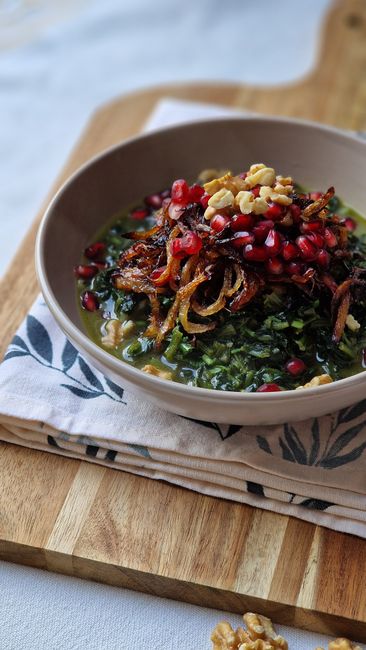
Ash Reshteh: A Comprehensive Guide to Persia’s Iconic Noodle and Herb Soup
Ash Reshteh, a cornerstone of Persian cuisine, is far more than just a soup; it’s a culinary icon, a symbol of nourishment, and a beloved dish enjoyed across Iran and in Persian communities worldwide. This hearty and flavorful soup is characterized by its unique blend of legumes, fresh herbs, and the star ingredient: reshteh, thin Persian noodles. Its complexity of flavor, achieved through a careful layering of ingredients and a slow simmering process, makes it a truly satisfying and deeply comforting meal. Understanding Ash Reshteh involves delving into its components, preparation, cultural significance, and its accessibility to various dietary needs, making it a subject ripe for exploration for food enthusiasts and those seeking authentic Persian flavors.
The foundation of Ash Reshteh lies in its diverse array of legumes, each contributing a distinct texture and nutritional profile. Typically, the soup features a combination of chickpeas (nokhod), kidney beans (loobia ghermez), and sometimes lentils (adasi) or pinto beans. These legumes are the primary source of protein and fiber in the dish, rendering it incredibly filling and nutritious. Before being added to the soup, these dried legumes require a period of soaking, usually overnight, to soften and reduce cooking time. This soaking process also helps to reduce phytic acid, enhancing the bioavailability of minerals. Once soaked, the legumes are typically cooked separately or added early in the soup-making process to ensure they are tender and fully cooked. The subtle earthiness of chickpeas, the slight chewiness of kidney beans, and the creamy texture of lentils all meld together to create a rich and satisfying base for the soup. The choice and proportion of legumes can vary regionally and according to personal preference, but the presence of at least two types is almost always a defining feature of authentic Ash Reshteh.
The soul of Ash Reshteh, however, resides in its vibrant herb mixture. A generous quantity of fresh herbs is essential for achieving the soup’s characteristic aroma and taste. The most common herbs include parsley (joo-yeh), cilantro (shab-e-kosh), dill (shevid), and spinach (esfenaj). Some recipes also incorporate mint (na’na) or fenugreek leaves (shanbalileh). The herbs are typically finely chopped and added in stages to the soup, with a portion being sautéed before adding to the pot and the remainder stirred in towards the end to preserve their fresh flavor and bright green color. Fenugreek, though less common in some variations, imparts a slightly bitter, musky note that is highly prized by many connoisseurs of Ash Reshteh. The sheer volume of herbs used is what distinguishes this soup; it’s not a subtle hint of herb, but a dominant, refreshing, and aromatic presence that cuts through the richness of the legumes and noodles. The preparation of these herbs is crucial: washing them thoroughly and drying them before chopping prevents excess water from diluting the soup’s flavor.
The namesake ingredient, reshteh, are thin, dried Persian noodles that are specifically made for Ash Reshteh. These noodles are typically made from wheat flour and water and are sold in dried bundles. They are characterized by their fragility and their ability to absorb the flavors of the soup. The reshteh are added towards the end of the cooking process, typically in the last 15-20 minutes, to prevent them from becoming overly soft or mushy. They break down slightly as they cook, contributing to the soup’s thickness and creating a wonderfully comforting texture. The texture of the reshteh is a crucial element; it should be tender but retain a slight bite. Some home cooks even break the reshteh into smaller pieces before adding them, creating a more uniform distribution throughout the soup. The availability of authentic reshteh outside of Iran might require visiting specialty ethnic grocery stores, though some international food sections in larger supermarkets may carry them.
The aromatic foundation for Ash Reshteh is typically built with sautéed onions and garlic, often seasoned with turmeric. Finely diced onions are slowly sautéed until translucent and slightly golden, releasing their natural sweetness. Minced garlic is then added and cooked until fragrant, taking care not to burn it. Turmeric, a staple spice in Persian cooking, is added at this stage, imparting a warm, earthy flavor and its characteristic vibrant yellow hue. This aromatic base is then simmered with water or vegetable broth to create the liquid foundation for the soup. The quality of the broth significantly impacts the final taste, so using a good homemade vegetable or chicken broth is recommended. Some recipes may also call for the addition of a touch of dried mint, sautéed briefly with the onions and garlic, to enhance the herbal notes.
The characteristic tangy and savory topping for Ash Reshteh, known as kashk, is a fermented whey product, similar to a thick yogurt or sour cream. Kashk provides a unique depth of flavor, a creamy texture, and a subtle tang that beautifully complements the other ingredients. It is typically diluted with water to a pourable consistency and drizzled generously over the soup just before serving. Some variations of Ash Reshteh might also incorporate a topping of fried mint (na’na dagh) and fried onions (piaz dagh), which are thinly sliced onions sautéed until deeply golden and crispy. These crunchy toppings add another layer of texture and an intense, caramelized flavor that elevates the soup to a new level. The combination of kashk, fried mint, and fried onions is often considered the quintessential Ash Reshteh experience.
The preparation of Ash Reshteh is a labor of love, often taking several hours from start to finish. It begins with the overnight soaking of the legumes. The following day, the legumes are cooked until tender, a process that can take 1-2 hours depending on the type of bean. While the legumes are cooking, the onions and garlic are sautéed, and the herbs are washed, dried, and finely chopped. The herbs are then sautéed in batches until wilted and fragrant, and then added to the pot with the cooked legumes and broth. The soup is then simmered for an extended period, allowing the flavors to meld and deepen. Towards the end of the simmering time, the reshteh noodles are added, and the soup is cooked until the noodles are tender. Finally, the kashk is prepared and drizzled over the finished soup, along with any optional fried toppings. The slow simmering process is critical for developing the complex flavors and achieving the desired thick, hearty consistency.
Ash Reshteh’s nutritional profile is remarkably impressive. Packed with plant-based protein and fiber from the legumes, it promotes satiety and supports digestive health. The abundance of fresh herbs provides a wealth of vitamins, minerals, and antioxidants. Spinach, for instance, is a good source of iron and vitamins A, C, and K. Parsley is rich in vitamin C and K. The use of whole ingredients and the absence of excessive processed components make it a wholesome and nourishing meal. For individuals seeking a lower-sodium option, controlling the amount of salt added during cooking and opting for low-sodium broths can be beneficial. The natural flavors derived from the legumes, herbs, and aromatics are so potent that significant amounts of salt are often unnecessary.
The cultural significance of Ash Reshteh in Persian society cannot be overstated. It is a dish that transcends social strata and is enjoyed by all. It is particularly popular during the Persian New Year (Nowruz), symbolizing renewal and good fortune. It is also a common dish served during religious observances and family gatherings, embodying hospitality and communal warmth. The act of preparing and sharing Ash Reshteh is often a communal one, with family members contributing to the chopping of herbs or the stirring of the pot. This shared experience reinforces its status as a dish that nourishes both the body and the spirit. Its comforting nature makes it a go-to meal during colder months, providing warmth and sustenance.
For those with dietary restrictions, Ash Reshteh can be adapted. A vegan or vegetarian Ash Reshteh is easily achieved by using vegetable broth instead of chicken broth and ensuring the kashk used is plant-based or omitted. Many commercially available kashk products are dairy-based, so checking labels or making a homemade vegan alternative using cashew cream or sunflower seed yogurt is important for strict vegans. Gluten-free versions can be made by omitting the reshteh noodles and increasing the amount of legumes, or by using gluten-free noodles if available. The focus on legumes and vegetables makes it inherently a healthy and adaptable dish.
SEO considerations for an article on Ash Reshteh would involve strategic use of keywords. "Ash Reshteh recipe," "Persian noodle soup," "legume soup," "herbal soup Iran," "traditional Persian food," "how to make Ash Reshteh," "kashk topping," and "Nowruz soup" are all relevant terms. Incorporating these keywords naturally throughout the text, particularly in headings, subheadings, and the initial paragraphs, will improve search engine visibility. Providing detailed instructions and highlighting the unique aspects of the dish will also attract users searching for authentic information. The comprehensive nature of this article, covering ingredients, preparation, cultural context, and nutritional aspects, aims to satisfy a wide range of search queries related to Ash Reshteh.
In conclusion, Ash Reshteh is a multifaceted dish that embodies the richness and depth of Persian culinary traditions. Its intricate blend of textures and flavors, derived from legumes, fresh herbs, and delicate noodles, creates a symphony of taste. More than just a meal, it’s a cultural touchstone, a symbol of generosity, and a comforting embrace in a bowl. Whether prepared for a festive occasion or a simple family dinner, Ash Reshteh continues to captivate palates and nourish souls, solidifying its place as a beloved and enduring Persian classic. The continued interest in authentic ethnic cuisine ensures that Ash Reshteh will remain a popular and sought-after dish for years to come.


