
Tag One Pot Meals

The Ultimate Guide to One-Pot Meals: Simplifying Your Kitchen, Maximizing Flavor
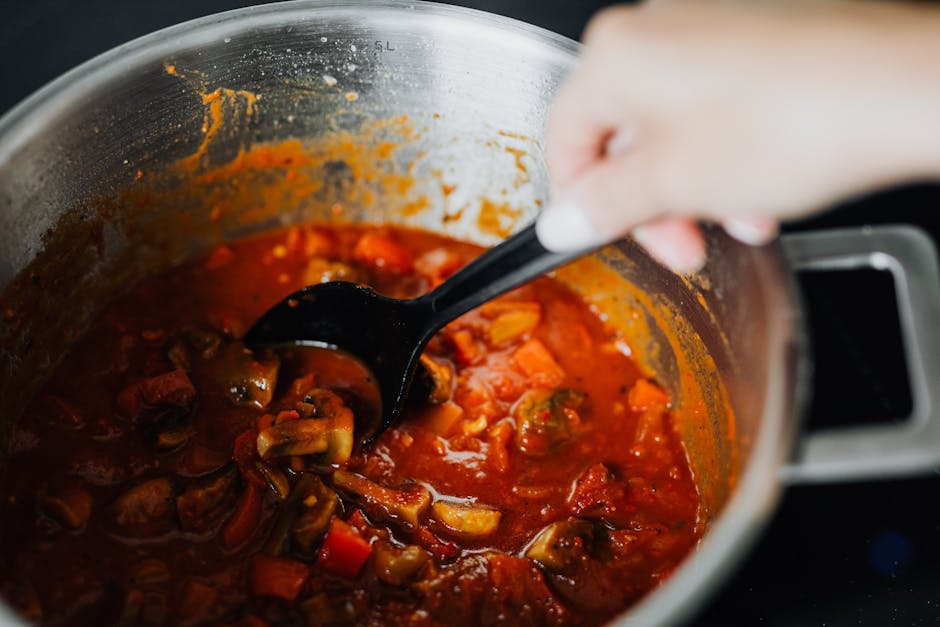
One-pot meals represent the zenith of culinary efficiency and flavor infusion. The fundamental principle is elegantly simple: minimal cleanup, maximum taste. This approach involves cooking all ingredients in a single vessel, allowing flavors to meld and deepen organically. From hearty stews and vibrant curries to delicate pasta dishes and robust grain bowls, the versatility of one-pot cooking is virtually limitless. The advantages extend far beyond mere convenience. By cooking ingredients together, their juices and aromas intermingle, creating a complex and layered flavor profile that is often difficult to achieve with traditional multi-pot methods. This simultaneous cooking also minimizes nutrient loss, as vitamins and minerals are retained within the pot rather than escaping into cooking water. For the busy home cook, the time saved on both preparation and washing up is invaluable. This makes one-pot meals an ideal solution for weeknight dinners, busy weekends, or any occasion where time is of the essence but delicious, home-cooked food is still a priority. The inherent simplicity of the process also makes it highly accessible to cooks of all skill levels, demystifying complex flavors and encouraging experimentation in the kitchen. Furthermore, the reduction in dishes washed translates directly into a more sustainable kitchen, conserving water and detergent. The psychological benefit of a less cluttered sink and countertop after a meal is also not to be underestimated, contributing to a more relaxed and enjoyable dining experience.
The foundational element of successful one-pot cooking lies in the strategic selection of ingredients. Achieving a harmonious balance of textures and flavors is paramount. Begin with a flavorful base, such as aromatics like onions, garlic, and ginger. These foundational ingredients build depth and complexity from the outset. Next, consider your protein. Meats like chicken thighs, ground meats, or braising cuts of beef and pork are excellent choices as they tend to tenderize and release flavorful juices during the cooking process. Fish and seafood can also be incorporated, though their cooking times are significantly shorter and require careful timing to avoid overcooking. For vegetarian and vegan options, legumes, tofu, tempeh, and hearty vegetables like mushrooms and eggplant offer substantial flavor and texture. The choice of vegetables is crucial for both nutritional content and visual appeal. Aim for a variety of colors and textures. Root vegetables like carrots, potatoes, and sweet potatoes hold their shape well and absorb surrounding flavors beautifully. Softer vegetables such as bell peppers, zucchini, and spinach can be added later in the cooking process to prevent them from becoming mushy. Grains and starches are essential for creating a complete and satisfying meal. Rice, pasta, quinoa, couscous, and even barley can be cooked directly in the pot, absorbing the liquid and becoming infused with the dish’s flavors. The liquid itself is a critical component. Broth (vegetable, chicken, or beef), water, canned tomatoes, coconut milk, or even wine can serve as the cooking medium. The choice of liquid will significantly impact the final flavor profile of your one-pot creation. Seasoning is where the magic truly happens. A well-seasoned dish is the hallmark of exceptional one-pot cooking. Don’t be afraid to use a generous hand with herbs and spices. Dried herbs like thyme, rosemary, and oregano are excellent for longer cooking times, while fresh herbs like parsley, cilantro, and basil are best added at the end for a burst of freshness. Spices like cumin, coriander, paprika, and chili powder can elevate a simple dish to something truly extraordinary. Salt and freshly ground black pepper are non-negotiable for enhancing all other flavors. Finally, consider finishing touches. A squeeze of lemon or lime juice can brighten flavors, a dollop of sour cream or yogurt can add creaminess, and a sprinkle of fresh herbs or toasted nuts can provide textural contrast and visual appeal. The art of one-pot meal preparation is not about throwing ingredients together haphazardly; it’s about thoughtful consideration of how each component will interact and contribute to the final delicious outcome.
The cooking vessel is as important as the ingredients themselves when it comes to one-pot meals. The ideal cookware facilitates even heat distribution, retains moisture, and is large enough to accommodate all ingredients without overcrowding. A Dutch oven is arguably the king of one-pot cooking. Its heavy, cast-iron construction ensures excellent heat retention and distribution, making it perfect for searing meats, simmering stews, and braising. The tight-fitting lid traps steam, which is crucial for tenderizing ingredients and allowing flavors to meld. For stovetop cooking, a large, deep skillet with a lid is a versatile option. Look for skillets with sturdy handles and a non-stick or well-seasoned surface for easier cleanup. These are ideal for dishes where you might want to start by sautéing aromatics or searing proteins before adding liquids and other ingredients. Casserole dishes, particularly those made of ceramic or glass, are excellent for oven-baked one-pot meals. They allow for even cooking and are generally easy to clean. Instant Pots and other electric pressure cookers have revolutionized one-pot cooking. Their ability to cook food quickly under pressure significantly reduces cooking times for dishes that would traditionally require hours of simmering. They are also incredibly convenient, allowing you to sauté, simmer, and pressure cook all in the same pot. Slow cookers are another fantastic appliance for one-pot meals, especially for busy individuals. You can assemble ingredients in the morning, and a tender, flavorful meal will be waiting for you in the evening. The gentle, low-and-slow cooking process is perfect for breaking down tougher cuts of meat and infusing flavors deeply. When selecting your cookware, consider the type of meal you are preparing. For a hearty stew, a Dutch oven or a large, deep pot is ideal. For a pasta dish where you want to achieve a creamy sauce, a skillet or a wider pot might be preferable. If you are making a baked casserole, a casserole dish is the obvious choice. Regardless of the specific vessel, prioritize quality and durability. A well-made piece of cookware will not only last longer but will also contribute to more consistent and delicious results. Furthermore, think about the size of your pot in relation to the number of servings you typically prepare. Overcrowding a pot can lead to uneven cooking and a less flavorful outcome, so it’s often better to err on the side of a slightly larger pot than one that is too small.
Mastering the art of one-pot meals involves understanding cooking techniques that maximize flavor and minimize effort. The process typically begins with building a flavor base. This often involves sautéing aromatics like onions, garlic, and ginger in a bit of fat (oil or butter) until they are softened and fragrant. This step caramelizes the sugars in the aromatics, releasing a complex sweetness and depth of flavor that forms the foundation of the dish. Next, consider searing your protein if applicable. Searing meat at a high temperature creates the Maillard reaction, a chemical process that results in browning and develops rich, savory flavors and appealing textures. This browning can be done directly in the pot before adding other ingredients. Deglazing is another crucial technique. Once you have seared meat or sautéed vegetables, there are often flavorful browned bits stuck to the bottom of the pot. Pouring in a liquid (wine, broth, water) and scraping these bits with a wooden spoon effectively lifts them and incorporates them into the liquid, adding a significant boost of flavor to the overall dish. Simmering is the core of most one-pot meals. Once all ingredients are in the pot, bring the liquid to a gentle simmer. This low, slow cooking process allows flavors to meld, textures to soften, and the dish to cook through evenly. Avoid a rolling boil, which can break down delicate ingredients and make the dish watery. For dishes that require longer cooking times, such as stews or braises, covering the pot is essential. The lid traps steam, creating a humid environment that tenderizes the ingredients and concentrates the flavors. Stirring occasionally is important to prevent sticking and ensure even cooking, especially for dishes with grains or pasta. When incorporating ingredients with different cooking times, such as root vegetables and leafy greens, it’s important to add them strategically. Harder vegetables like potatoes and carrots should be added earlier, while quicker-cooking vegetables like spinach or peas should be added towards the end of the cooking process. Similarly, pasta and grains should be added according to their specific cooking times, ensuring they are tender but not mushy. For dishes involving fish or delicate proteins, they are often added in the last few minutes of cooking to prevent them from overcooking and becoming dry or rubbery. Finishing touches are key to elevating a good one-pot meal to a great one. Stirring in fresh herbs, a squeeze of citrus, a swirl of cream, or a sprinkle of cheese just before serving can add brightness, richness, and textural contrast. Tasting and adjusting seasoning at this stage is also critical. A final check for salt, pepper, and any other desired spices can make all the difference.
The repertoire of one-pot meals is vast and can be categorized to inspire a wide range of culinary adventures. Comforting and hearty, stews and braises epitomize the slow-cooked, flavor-infused nature of one-pot cooking. Think of a rich beef stew with root vegetables, or a tender chicken cacciatore with tomatoes and olives. These dishes benefit from the extended cooking time in a Dutch oven or heavy-bottomed pot, allowing the tough cuts of meat to become incredibly tender and the vegetables to absorb the deep, savory broth. Curries and chilies are another staple of the one-pot world. These vibrant dishes often begin with a fragrant paste of spices and aromatics, followed by the addition of coconut milk or tomatoes, vegetables, and protein. The beauty of a one-pot curry or chili lies in the way the spices bloom and infuse the entire dish, creating a complex and aromatic experience. They are perfect for using up leftover vegetables and can be easily adapted to vegetarian, vegan, or meat-lover preferences. Pasta dishes are surprisingly well-suited to one-pot preparation. By cooking pasta directly in a flavorful sauce, the starch from the pasta helps to thicken the sauce, creating a creamy and cohesive dish with minimal effort. Popular examples include one-pot spaghetti with meatballs, creamy lemon garlic pasta, or a hearty sausage and broccoli rabe pasta. The key is to ensure sufficient liquid to cook the pasta through without it becoming gummy. Rice dishes, such as pilafs, risottos, and paellas, are inherently one-pot creations. These dishes involve cooking rice in a flavorful broth, often with the addition of vegetables, proteins, and spices. The rice absorbs the liquid, becoming infused with flavor and creating a satisfying, cohesive meal. One-pot fried rice or a simple chicken and rice bake are also excellent options. Grain bowls offer a healthy and versatile one-pot solution. Cook quinoa, farro, or barley in broth with vegetables and protein, then top with your favorite sauces and garnishes. These are highly customizable and perfect for meal prep. Sheet pan meals, while technically cooked on a single pan, also fall under the one-pot umbrella of simplified cooking. Roasting vegetables and proteins together on a single sheet pan with a flavorful marinade or seasoning results in minimal cleanup and maximum flavor development. Think of lemon herb chicken and roasted vegetables or spicy sausage and peppers. Soups and chowders are perhaps the most straightforward one-pot meals. A hearty lentil soup, a creamy tomato soup, or a robust clam chowder are all examples of dishes that can be prepared entirely in a single pot. The beauty of these dishes lies in their simplicity and ability to be endlessly customized with different ingredients and flavor profiles.
Troubleshooting common issues in one-pot cooking can elevate your experience from frustrating to fantastic. One of the most frequent problems is uneven cooking. This often occurs when the pot is overcrowded, preventing heat from circulating evenly. The solution is to ensure adequate space for ingredients to move freely. If a dish seems to be cooking too quickly on the bottom but remains undercooked on top, consider reducing the heat and covering the pot more tightly. Watery or bland dishes can be a disappointment. If your one-pot meal lacks flavor, it’s likely due to insufficient seasoning or not building a strong flavor base at the beginning. Don’t be shy with herbs, spices, and salt. Deglazing the pot after searing proteins or sautéing aromatics can add a significant depth of flavor. If the dish is too watery, you can try simmering it uncovered for the last few minutes to allow some of the liquid to evaporate. Conversely, a dry or overcooked dish can be disheartening. This often happens when ingredients with different cooking times are added simultaneously or when the heat is too high for too long. Always consider the cooking time of each ingredient. Add delicate ingredients like leafy greens or seafood towards the end of the cooking process. If a dish is on the verge of drying out, a splash of broth or water can help rehydrate it. Sticking and burning are common concerns, especially with leaner proteins or delicate grains. Ensure you are using enough cooking fat, and stir frequently, particularly if you are cooking grains or pasta. If bits are sticking to the bottom, deglaze the pot with liquid to lift them before they burn. Mushy vegetables are a sign of overcooking. Harder vegetables should be added earlier, while softer vegetables should be introduced later. If you find yourself with some slightly overcooked vegetables, consider mashing them into the sauce to add body and flavor. Pasta or grains that are undercooked or mushy indicate an issue with the liquid ratio or cooking time. Always follow package directions for pasta and grains, and ensure you have enough liquid to cook them thoroughly. If the liquid is absorbed too quickly and the pasta/grains are still not cooked, add more liquid gradually. Finally, improper seasoning is a frequent culprit of subpar one-pot meals. Taste and adjust seasoning throughout the cooking process, especially towards the end. A good rule of thumb is to season in layers, adding salt and pepper at different stages of cooking. A final tasting and adjustment before serving is essential to ensure a perfectly balanced flavor.
The versatility of one-pot meals extends to virtually every cuisine and dietary preference, making them a cornerstone of modern home cooking. For those following a paleo diet, the focus shifts to whole, unprocessed ingredients. Think of slow-cooked beef or lamb with root vegetables and herbs, or a coconut milk-based chicken curry with a medley of low-carb vegetables. The key is to utilize healthy fats and flavor-packed spices to create satisfying and nutrient-dense meals. Keto dieters can embrace one-pot wonders by focusing on high-fat, low-carb ingredients. Creamy chicken and broccoli bakes, low-carb sausage and pepper skillet meals, or a rich beef and mushroom stroganoff (without the noodles) are all excellent choices. Utilizing healthy fats like butter, olive oil, and coconut oil is crucial for satiety and flavor. Vegetarians and vegans have an abundance of one-pot options. Lentil shepherd’s pie, vegetable biryani, black bean chili, tofu scrambles with vegetables, or a hearty minestrone soup are all delicious and satisfying. The emphasis is on plant-based proteins, a wide array of vegetables, and flavorful spices and herbs to create depth and complexity. Gluten-free individuals will find many one-pot meals naturally suitable, as many grains like rice, quinoa, and corn are gluten-free. Dishes like gluten-free chicken and rice casserole, shrimp and grits, or a hearty vegetable stew are excellent choices. For those who rely on pasta, gluten-free pasta varieties can be incorporated into one-pot pasta dishes. Dairy-free cooking can also be achieved through one-pot meals. Coconut milk, almond milk, or cashew cream can be used to create creamy sauces and broths. Many curries, soups, and stews are naturally dairy-free, and for dishes that typically call for dairy, plant-based alternatives can be easily substituted. The key is to experiment with different plant-based milks and yogurts to achieve desired textures and flavors. The adaptability of one-pot meals means that individuals with specific dietary needs or preferences can still enjoy the convenience and flavor of this cooking method without compromising on their health goals or taste preferences. It encourages creativity in the kitchen and fosters a deeper understanding of how different ingredients can be combined to create satisfying and nourishing meals.
Incorporating one-pot meals into your routine offers a cascade of benefits that extend beyond the immediate convenience. The most obvious advantage is time savings. By minimizing prep work and, crucially, reducing the number of dishes to wash, you reclaim valuable time that can be dedicated to other activities or simply relaxation. This is particularly impactful during busy weeknights when the desire for a home-cooked meal often clashes with limited hours. Cost savings are another significant benefit. One-pot meals often utilize pantry staples and less expensive cuts of meat or seasonal vegetables. The efficiency of cooking everything together also minimizes potential waste, as ingredients are used more effectively. Reduced stress and mental load are often overlooked but are incredibly important. The simplicity of the process, the lack of multiple steps and pots to manage, and the ease of cleanup contribute to a more relaxed and enjoyable cooking experience. This can be particularly beneficial for novice cooks or those who find cooking to be a source of anxiety. Enhanced flavor development is a primary culinary advantage. As mentioned earlier, allowing ingredients to cook together in a single vessel enables their flavors to meld and deepen, creating a more complex and satisfying taste profile. This is especially true for slow-cooked stews, braises, and curries. Improved nutrition is also a key benefit. By cooking ingredients together, essential vitamins and minerals that might otherwise be lost in cooking water are retained within the pot. This leads to more nutrient-dense meals. Minimal environmental impact is a growing consideration for many home cooks. Reducing the number of dishes washed conserves water and detergent. Furthermore, more efficient cooking methods can sometimes translate to lower energy consumption. Encouragement of culinary creativity is a natural byproduct of embracing one-pot meals. The inherent simplicity of the method encourages experimentation with different flavor combinations, spices, and ingredients, leading to new and exciting discoveries. The adaptability of one-pot meals to various cuisines and dietary needs further broadens this creative scope. Ultimately, adopting a one-pot meal strategy transforms the act of cooking from a chore into an efficient, flavorful, and rewarding experience. It empowers home cooks to create delicious and nourishing meals with less effort, making healthy eating more accessible and enjoyable for everyone.


