
Slow Cooker Collard Greens

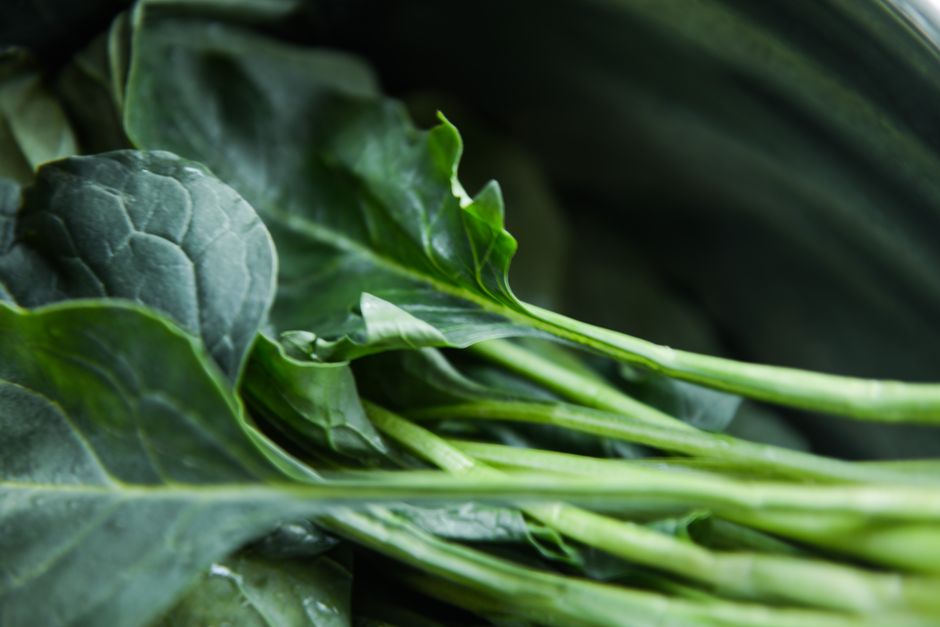
Slow Cooker Collard Greens: A Deep Dive into the Ultimate Comfort Food
Slow cooker collard greens represent a culinary marvel, transforming tough, leafy greens into tender, flavorful morsels of Southern comfort. This humble dish, often a staple on holiday tables and Sunday dinners, benefits immensely from the low-and-slow cooking method of a slow cooker. The sustained heat gently breaks down the fibrous structure of collard greens, rendering them remarkably tender without sacrificing their inherent earthy goodness. This method also allows the flavors of the accompanying ingredients to meld and deepen, creating a rich and satisfying side dish that pairs beautifully with a wide array of main courses, from smoky pulled pork and fried chicken to roasted turkey and cornbread. The simplicity of preparing slow cooker collard greens belies the complexity of flavor achieved. It’s a dish that speaks of tradition, nourishment, and the enduring appeal of well-executed comfort food.
The foundation of exceptional slow cooker collard greens lies in the selection and preparation of the greens themselves. Collard greens, members of the Brassica oleracea family (which also includes kale, cabbage, and broccoli), are known for their sturdy texture and robust, slightly bitter flavor. For the best results in a slow cooker, it’s crucial to choose fresh, vibrant greens. Look for leaves that are a deep, uniform green color, free from yellowing or wilting. The texture should be firm and slightly crisp. Younger, more tender greens will cook down faster and offer a less fibrous texture. However, older, more mature greens can also be used effectively in a slow cooker, as the extended cooking time will tenderize them beautifully, though they may require a slightly longer cooking period. When preparing the collard greens, the first step is a thorough washing. This is critical to remove any soil or grit that may be clinging to the leaves. Stack several leaves at a time, roll them tightly into a cigar shape, and then slice them thinly, a technique known as "chiffonade." This slicing method not only makes the greens easier to manage in the slow cooker but also aids in their even cooking and flavor absorption. After slicing, it’s common practice to remove the tough, fibrous stems. While some may leave them in, particularly if cooking for a very long time, removing them generally leads to a more enjoyable final texture. This can be done by simply running a knife along the stem to detach the leafy part.
The aromatic foundation for slow cooker collard greens is paramount to building depth of flavor. This typically begins with a generous amount of rendered pork fat, traditionally from a smoked ham hock, a slab of salt pork, or thick-cut bacon. The rendered fat not only imparts a smoky, savory essence but also serves as the medium for sautéing the aromatics, enhancing their fragrance and flavor profile. A large onion, finely chopped, is usually the first aromatic to hit the hot fat. Its sweetness mellows and caramelizes during the sautéing process, providing a foundational sweetness that balances the greens’ inherent bitterness. Garlic, minced, is another indispensable component, offering its pungent, savory notes that deepen with slow cooking. The combination of onion and garlic, gently softened in the pork fat, creates an irresistible base that will permeate every bite of the collard greens. Some recipes might also include a pinch of red pepper flakes for a subtle warmth, or even a diced bell pepper for an added layer of sweetness and subtle vegetal notes. The key is to allow these aromatics to soften and release their flavors before adding the collard greens, ensuring they contribute meaningfully to the final dish.
The liquid component of slow cooker collard greens is crucial for achieving the desired tender texture and for carrying the dissolved flavors throughout the dish. While water can be used, it often results in a less flavorful outcome. The preferred liquid is typically a savory broth, such as chicken broth, vegetable broth, or, for an even richer flavor, a bit of the liquid reserved from cooking a ham hock or other smoked pork. The volume of liquid will depend on the quantity of greens and the desired consistency of the finished dish. Generally, enough liquid should be added to partially submerge the greens, allowing them to steam and soften in the liquid. This liquid acts as a conduit for all the delicious flavors—the rendered pork, the sautéed aromatics, and any added seasonings—to infuse into the collard greens. Some culinary traditions also incorporate a splash of vinegar, most commonly apple cider vinegar or white vinegar, towards the end of the cooking process. The acidity of the vinegar serves to brighten the flavors of the greens, cutting through their inherent earthiness and adding a pleasant tang. This addition, often referred to as "pot likker" in Southern cuisine, is highly prized for its concentrated flavor and is sometimes thickened and served as a sauce alongside the greens.
The cooking process in a slow cooker is where the magic truly happens for collard greens. After the greens, aromatics, and liquid have been combined in the slow cooker, the lid is secured, and the appliance is set to its lowest setting. This low-and-slow approach is the secret to transforming the tough leaves into succulent, melt-in-your-mouth tenderness. The typical cooking time for slow cooker collard greens ranges from 4 to 8 hours on the "low" setting. The exact duration will depend on the age and freshness of the greens, as well as the specific model of slow cooker. It’s advisable to check the tenderness of the greens after about 4 hours. They should be easily pierced with a fork and have lost their raw, fibrous texture. Overcooking is generally not a significant concern with collard greens in a slow cooker, as they tend to become more tender rather than mushy with extended cooking. However, if left for an excessive amount of time, they might break down to the point where they lose some of their visual appeal. For those seeking a slightly quicker option, cooking on the "high" setting is possible, but it will reduce the cooking time to around 2 to 3 hours and may not achieve the same depth of flavor and ultimate tenderness as the low setting. It’s important to stir the greens occasionally during the cooking process, especially in the initial stages, to ensure they are evenly exposed to the heat and liquid.
Seasoning is an art form when it comes to slow cooker collard greens, and it often involves layers of flavor that build throughout the cooking process. Beyond the foundational salt and pepper, many recipes call for a smoked meat component, such as a ham hock, a smoked turkey wing, or strips of bacon. The smoky, salty essence of these meats infuses the greens, creating a rich and complex flavor profile. The ham hock, in particular, is a Southern staple, contributing a deep, savory depth that is hard to replicate. When using a ham hock, it’s often placed whole into the slow cooker, allowing its flavor to leach into the liquid and greens. After cooking, the meat can be removed, shredded, and added back into the greens for an extra boost of flavor and texture. Other common seasonings include a pinch of cayenne pepper or red pepper flakes for a gentle heat, a dash of hot sauce for an extra kick, or even a bay leaf for an aromatic undertone. The addition of a splash of apple cider vinegar or white vinegar towards the end of the cooking time is crucial for brightening the flavors. This acidity cuts through the richness of the pork and the earthiness of the greens, creating a beautifully balanced dish. Some chefs also like to add a touch of brown sugar or molasses, particularly if their greens are on the more bitter side, to counteract the bitterness and add a subtle sweetness. The key to successful seasoning is to taste and adjust as you go, understanding that flavors will intensify as the greens cook.
The versatility of slow cooker collard greens extends to their presentation and serving. While they are a classic side dish, they can also be incorporated into more substantial meals. The "pot likker" – the flavorful broth left after cooking – is a highly prized element. It can be served alongside the greens, or some people even thicken it with a roux or cornstarch slurry to create a rich gravy. The tender, flavorful greens are a perfect accompaniment to a wide range of main courses. For a quintessential Southern meal, pair them with fried chicken, cornbread, and macaroni and cheese. They also stand up well to heartier dishes like roasted pork shoulder, barbecued ribs, or even a Thanksgiving turkey. For a vegetarian or vegan option, omit the pork products and opt for a flavorful vegetable broth, sautéed mushrooms for umami, and perhaps a touch of smoked paprika for depth. The greens can also be used as a filling for quesadillas or burritos, or folded into a savory cornbread batter for an extra layer of flavor and texture. The beauty of slow cooker collard greens lies in their adaptability; they are a robust and forgiving dish that can be molded to suit various culinary preferences and occasions. Their hearty nature makes them a satisfying and nourishing addition to any meal.
Beyond the traditional preparation, there are numerous creative variations and enhancements for slow cooker collard greens. Incorporating different types of smoked meats can dramatically alter the flavor profile. For instance, using smoked turkey wings will yield a slightly lighter, yet still savory, flavor compared to a ham hock. Smoked bacon, rendered and crisped, can provide a salty, smoky crunch that adds another textural dimension. For those seeking a vegetarian or vegan rendition, a flavor-packed vegetable broth is essential. Enhancing the umami can be achieved by sautéing mushrooms with the onions and garlic, or by adding a tablespoon of nutritional yeast. Smoked paprika can mimic the smoky notes typically provided by pork. Another popular addition is a touch of sweetness, often in the form of brown sugar, molasses, or even a diced apple, which can help to balance the natural bitterness of the greens. Some adventurous cooks experiment with adding a splash of bourbon or a pinch of nutmeg for an unexpected depth of flavor. For those who enjoy a spicier kick, beyond red pepper flakes, a diced jalapeño or serrano pepper can be added to the aromatic base. Furthermore, the texture of the final dish can be adjusted by how finely the collard greens are chopped. A coarser chop will result in more distinct leafy pieces, while a finer chop will create a more homogenous, stew-like consistency. Ultimately, the beauty of slow cooker collard greens lies in their adaptability, allowing for a personalized touch that caters to individual taste preferences and dietary needs.
The nutritional benefits of slow cooker collard greens are significant, making them a wholesome addition to any diet. Collard greens are a powerhouse of vitamins and minerals. They are an excellent source of Vitamin K, crucial for blood clotting and bone health. They are also rich in Vitamin A, vital for vision and immune function, and Vitamin C, a powerful antioxidant that supports the immune system and skin health. Furthermore, collard greens provide a good amount of folate, important for cell growth and development, and calcium, which is essential for strong bones and teeth. Their fiber content is also noteworthy, aiding in digestive health and promoting a feeling of fullness, which can be beneficial for weight management. When prepared with lean pork or in a vegetarian broth, slow cooker collard greens can be a relatively low-calorie and nutrient-dense dish. The addition of pork, while contributing to flavor and richness, also provides protein and essential minerals like iron and zinc. However, for those mindful of sodium intake, it’s important to be aware of the salt content in smoked meats and broths, and to adjust seasoning accordingly. Opting for low-sodium broths and rinsing smoked meats before adding them can help manage sodium levels without sacrificing flavor. The slow cooking process itself also contributes to the nutritional value by helping to preserve heat-sensitive vitamins that might be lost during more aggressive cooking methods.
The culinary history of collard greens is deeply rooted in the American South. For centuries, they have been a staple food, providing essential nutrients and sustenance to communities. Their resilience and ability to thrive in various climates made them a reliable crop for generations of farmers. The preparation of collard greens as a slow-cooked dish, often with smoked pork, became a cherished tradition, passed down through families. This method of cooking, utilizing the slow cooker in modern times, is a direct descendant of the cast-iron pot and open hearth cooking of the past. The "pot likker," the flavorful broth remaining after the greens are cooked, was not discarded but rather savored. It was often drunk as a nutritious beverage, used as a base for soups and gravies, or incorporated into other dishes. This resourceful approach speaks to a history of making the most of every ingredient. The enduring popularity of slow cooker collard greens is a testament to their comfort food status, their rich flavor profile, and their connection to a proud culinary heritage. They represent more than just a dish; they are a taste of tradition, a symbol of nourishment, and a reminder of the simple yet profound pleasures of home cooking. Their presence on tables across the country, from casual family dinners to holiday feasts, underscores their significance as a beloved and timeless culinary icon.


