
Panko Breaded Fried Razor Clams

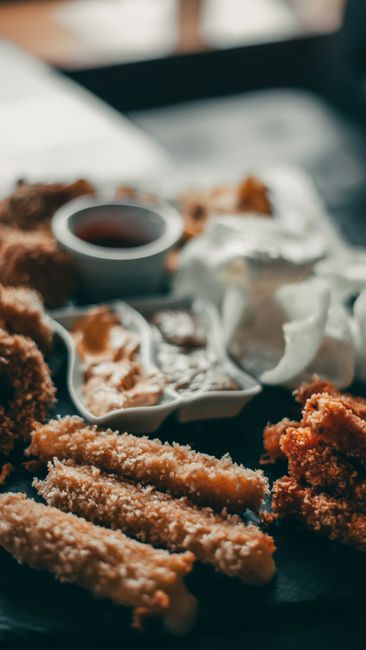
Panko Breaded Fried Razor Clams: A Culinary Deep Dive into Crispy Delights
Panko breaded fried razor clams represent a sophisticated yet approachable seafood appetizer or main course, marrying the delicate sweetness of razor clams with the unparalleled crunch of panko breadcrumbs. This dish, while seemingly simple, requires attention to detail in ingredient selection, preparation techniques, and frying methodology to achieve optimal results. The inherent briny, slightly sweet flavor of fresh razor clams is beautifully complemented by the airy, golden-brown crust that panko provides, offering a textural contrast that is both satisfying and addictive. Unlike their more common bivalve cousins, razor clams possess a unique, elongated shape and a firm, almost meaty texture, which makes them particularly well-suited for frying. The key to success lies in sourcing high-quality, fresh razor clams, meticulously cleaning them to remove any grit, and employing a precise breading and frying process that ensures a perfectly cooked interior and an exceptionally crisp exterior. This article will explore the intricacies of preparing panko breaded fried razor clams, from selecting the finest ingredients to mastering the art of the perfect fry, providing readers with comprehensive knowledge to replicate this delightful dish at home.
The foundation of exceptional panko breaded fried razor clams begins with the careful selection of the primary ingredient: razor clams. These unique mollusks, characterized by their elongated, thin shells resembling a straight razor, are typically found in sandy, intertidal zones. For optimal flavor and texture, it is crucial to source razor clams that are alive and fresh. Signs of freshness include tightly closed shells or shells that close firmly when tapped. Avoid any clams with cracked or broken shells, or those that remain open and unresponsive to touch. When purchasing, look for plump, moist meat within the shells. The size of the razor clams can vary, but generally, medium to large specimens are preferred for this preparation, as they offer a more substantial bite and are easier to handle during the breading and frying process. If purchasing shucked razor clams, ensure they are from a reputable source and have a clean, briny aroma, free from any unpleasant odors. The meat should be translucent and firm. Storage is also critical; live razor clams should be kept in a breathable container (like a burlap sack or a bowl covered with a damp cloth) in the refrigerator, never submerged in fresh water as this will kill them. Shucked clams should be stored in their own liquor, covered tightly, and used within a day or two. Understanding the origin and freshness of your razor clams is paramount to the success of this dish, as their delicate flavor profile can easily be overshadowed by inferior quality.
The meticulous cleaning process for razor clams is non-negotiable and directly impacts the final eating experience. Grit and sand are naturally present in these mollusks, and without thorough purging, they can render the dish unpalatable. To begin, rinse the live razor clams under cold running water. Scrub the shells gently with a stiff brush to remove any external debris or barnacles. Once the shells are clean, the purging process can commence. This involves immersing the clams in a saltwater solution. A common method is to use a bowl of cold water with a generous amount of salt added – approximately 2-3 tablespoons of sea salt or kosher salt per quart of water. The salt mimics their natural marine environment, encouraging them to expel any sand or grit they may have ingested. Let the clams soak in this saltwater bath for at least 30 minutes, but ideally for 1-2 hours, changing the water if it becomes cloudy. You will likely observe sand settling at the bottom of the bowl. After purging, drain the clams and rinse them thoroughly under cold water one final time. For shucked razor clams, the cleaning is more direct. After rinsing them under cold water, gently inspect the meat for any remaining sand or shell fragments. A quick soak in a salt water solution followed by a rinse can also be beneficial for shucked clams. If the razor clams are particularly large or you are concerned about any residual grit, you can very carefully make a small incision to open the clam and visually inspect the interior before proceeding with breading. The goal is a clean, grit-free clam that offers pure oceanic flavor.
The breading station for panko breaded fried razor clams is a critical element, requiring a systematic approach to ensure an even, adherent crust. This process typically involves three distinct stages: flour, egg wash, and panko. For the first stage, a light dusting of all-purpose flour is applied. Season the flour generously with salt and freshly ground black pepper. Some chefs also advocate for adding a pinch of garlic powder or onion powder to the flour for an added layer of flavor. The purpose of the flour is to create a dry surface that will help the egg wash adhere better. Next, a robust egg wash is prepared. Whisk together two to three large eggs with a splash of milk or water. This liquid mixture helps to bind the flour to the clam and provides the medium for the panko to adhere. The final, and perhaps most defining, stage is the panko breadcrumbs. Panko, originating from Japan, are a type of coarse, flaky breadcrumb that creates an exceptionally light and crispy texture when fried. Unlike traditional breadcrumbs, panko are made from white bread that has been leavened by electricity, baked without a crust, and then processed into airy flakes. For this recipe, opt for high-quality, unseasoned panko breadcrumbs. Spread the panko generously on a shallow plate or baking sheet. After dipping each cleaned razor clam into the seasoned flour, ensuring it’s lightly coated, then submerge it into the egg wash, allowing any excess to drip off. Finally, press the clam firmly into the panko breadcrumbs, ensuring it is completely coated on all sides. Gently press down to help the panko adhere well. For an extra thick, crunchy coating, this process can be repeated – back into the egg wash and then into the panko again. The goal is a uniform, well-adhered coating that promises ultimate crispness.
The frying process is where the magic happens, transforming the breaded razor clams into golden, crispy morsels. The choice of cooking oil and the precise temperature are paramount. A high smoke point oil is essential to prevent the oil from breaking down and smoking excessively, which can impart an acrid flavor to the food. Suitable oils include peanut oil, canola oil, vegetable oil, or grapeseed oil. The ideal frying temperature for panko breaded items is typically between 350°F and 375°F (175°C and 190°C). Using a thermometer is crucial for maintaining this consistent temperature. Overheating the oil will result in the exterior burning before the interior is cooked, while underheating will lead to greasy, soggy clams. Heat a generous amount of oil in a deep pot, Dutch oven, or a deep fryer. The oil should be deep enough to submerge the clams fully for even cooking. Once the oil reaches the desired temperature, carefully add the breaded razor clams in batches. Do not overcrowd the pot, as this will lower the oil temperature and lead to uneven cooking and a less crispy result. Fry the clams for approximately 2-4 minutes per side, or until they are golden brown and floating to the surface. The exact cooking time will depend on the size of the clams and the oil temperature. As they fry, use a slotted spoon or spider strainer to gently turn them, ensuring even browning. Once cooked, remove the fried razor clams from the oil and place them on a wire rack set over a baking sheet to drain any excess oil. This allows air to circulate, maintaining their crispiness. Season them immediately with a sprinkle of sea salt while they are still hot.
Serving panko breaded fried razor clams is an exercise in maximizing their inherent appeal. Their crispy texture and delicate flavor lend themselves to a variety of accompaniments and presentations. The most classic pairing is a bright, acidic dipping sauce. A simple lemon wedge is a quintessential accompaniment, its acidity cutting through the richness of the fried exterior and enhancing the sweetness of the clam. Aioli, particularly a garlic or lemon-infused version, is another popular choice, offering a creamy counterpoint to the crispness. For a more complex flavor profile, consider a spicy remoulade, a sweet chili sauce, or even a tarragon or dill-infused aioli. When presenting the clams, aim for a visually appealing arrangement. They can be served piled high on a platter, nestled in a bed of fresh greens, or arranged individually on small plates. A garnish of fresh parsley or chives adds a touch of color and freshness. For a more substantial meal, panko breaded fried razor clams can be served alongside a light salad, coleslaw, or even a side of fries. The key is to avoid overwhelming the delicate flavor of the clams with overly strong accompaniments. They are best enjoyed immediately after frying, when their crispness is at its peak. Ensuring they are properly drained of excess oil will prevent them from becoming greasy and maintain their delightful textural integrity.
Beyond the standard preparation, several enhancements and variations can elevate panko breaded fried razor clams to new culinary heights. Flavor infusion can begin at the breading stage. Consider adding finely grated Parmesan cheese to the panko for a salty, umami-rich crust. Smoked paprika or a pinch of cayenne pepper can be added to the flour or panko for a subtle smoky or spicy kick. For an even more complex flavor, a touch of finely minced garlic or shallots can be incorporated into the panko mixture. When it comes to the clams themselves, a brief marination in a light brine or a citrus-infused liquid before breading can impart additional subtle flavors. However, it is crucial to avoid over-marinating, as the delicate texture of the clam can be compromised. For a different textural dimension, some chefs experiment with a double breading of panko, creating an exceptionally thick and crunchy shell. Alternatively, a lighter touch with just a single layer of panko can emphasize the clam’s natural texture. The frying oil itself can also be infused with aromatics like garlic cloves or herb sprigs during the heating process, though this requires careful monitoring to prevent the aromatics from burning. For a healthier preparation, consider air frying the panko-breaded razor clams. While the texture may not be identical to deep-frying, a good air fryer can achieve a remarkably crispy result with significantly less oil. Experimentation with different dipping sauces, from exotic fruit-based chutneys to herbaceous pestos, can further personalize the dish.
The nutritional profile of panko breaded fried razor clams, while leaning towards indulgence, can be considered within a balanced diet. Razor clams themselves are a lean source of protein, offering essential amino acids crucial for muscle repair and growth. They are also a good source of various minerals, including iron, zinc, and selenium, which play vital roles in immune function, energy production, and antioxidant defense. Their iodine content is also notable, supporting thyroid health. However, the preparation method, particularly deep-frying, significantly increases the fat and calorie content of the dish. The panko breadcrumbs contribute carbohydrates, and the frying oil adds a considerable amount of fat. When assessing the nutritional impact, it’s important to consider portion size and the frequency of consumption. Opting for healthier cooking methods like air frying can reduce the fat content. Pairing the fried clams with a light, vegetable-rich salad can help to balance the meal and provide a broader spectrum of nutrients. While not a primary health food, in moderation, panko breaded fried razor clams can be enjoyed as part of a varied diet, offering a delightful source of protein and essential minerals with a satisfying textural experience. The focus remains on the quality of the ingredients and the enjoyment of the culinary experience.


