
Speckled Trout In Capers And White Wine

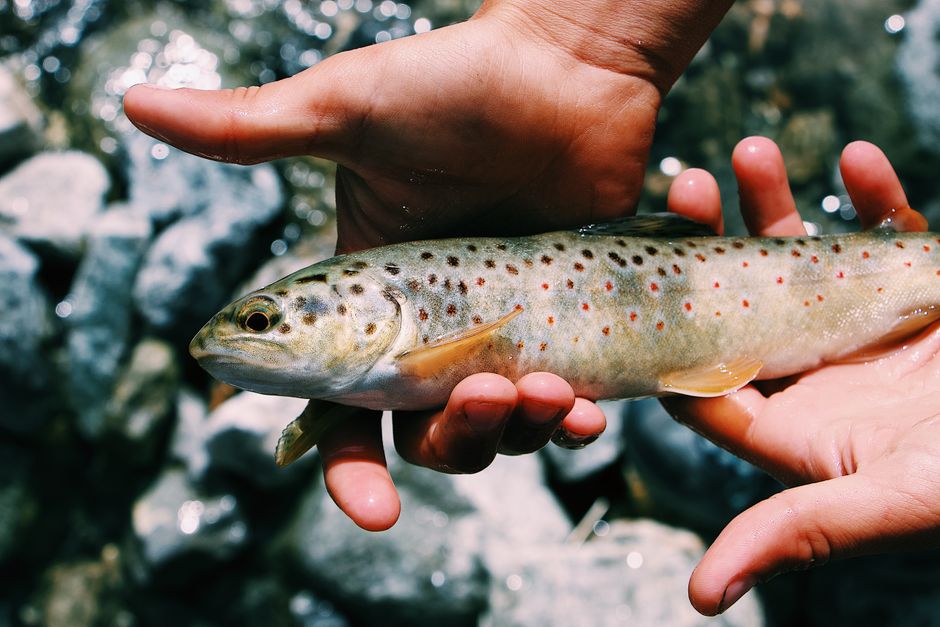
Speckled Trout in Capers and White Wine: A Culinary Exploration of Flavor and Technique
The preparation of speckled trout, also known as spotted seatrout, in a caper and white wine sauce represents a sophisticated yet accessible approach to showcasing the delicate, flaky texture and mild, sweet flavor of this prized saltwater fish. This dish, rooted in classic European culinary traditions, offers a delightful interplay of briny capers, acidic white wine, rich butter, and aromatic aromatics that complement rather than overpower the subtle nuances of the trout. Understanding the foundational elements of this recipe, from selecting the freshest fish to mastering the emulsification of the pan sauce, is key to achieving restaurant-quality results in a home kitchen.
Selecting the Finest Speckled Trout: A Foundation for Flavor
The quality of the speckled trout is paramount to the success of this dish. When sourcing, look for whole fish with clear, bright eyes, firm flesh that springs back when pressed, and a fresh, oceanic aroma. Avoid fish with milky eyes, dull skin, or a strong, unpleasant odor, which are indicators of spoilage. Speckled trout are typically found in brackish estuaries and coastal waters, and their flavor profile is influenced by their diet and environment. For this recipe, fillets are often preferred due to their ease of handling and quicker cooking time. When purchasing fillets, ensure they are uniformly thick to promote even cooking. Look for vibrant, pinkish-white flesh. If buying whole fish, consider having your fishmonger fillet and skin them for convenience, or learn to do so yourself to maximize freshness and control. The size of the trout will dictate cooking time, with smaller fish (under two pounds) being ideal for pan-searing, while larger specimens can be filleted.
The Art of Pan-Searing Speckled Trout: Achieving a Perfect Sear
Pan-searing is the optimal cooking method for speckled trout fillets in this preparation. It allows for the creation of a beautifully golden-brown crust on the exterior while keeping the interior moist and flaky. The process begins with patting the trout fillets thoroughly dry with paper towels. This crucial step removes surface moisture, which is essential for achieving a crisp sear. Season the fillets generously on both sides with fine sea salt and freshly ground black pepper just before cooking.
Heat a heavy-bottomed skillet, such as cast iron or stainless steel, over medium-high heat. Add a tablespoon or two of a high-smoke-point cooking oil, such as canola, grapeseed, or avocado oil. Once the oil is shimmering and just beginning to smoke, carefully lay the trout fillets into the hot pan, skin-side down if applicable. Avoid overcrowding the pan; cook in batches if necessary to ensure proper searing. Allow the fillets to cook undisturbed for 3-4 minutes per side, or until golden brown and cooked through. The exact cooking time will depend on the thickness of the fillets. The fish should flake easily with a fork when done. Remove the seared trout from the pan and set aside on a warm plate, loosely tented with foil, to keep them warm while the sauce is prepared.
Crafting the Exquisite White Wine and Caper Sauce: A Symphony of Flavors
The white wine and caper sauce is the heart of this dish, transforming simple pan-seared trout into a culinary masterpiece. This sauce is typically built in the same pan used to sear the fish, leveraging the flavorful fond (browned bits) left behind. After removing the trout, reduce the heat to medium. If there is excessive oil in the pan, carefully pour off all but about a tablespoon.
Add finely minced shallots or garlic to the pan and sauté for 1-2 minutes until softened and fragrant, being careful not to burn them. Deglaze the pan with a dry white wine, such as Sauvignon Blanc, Pinot Grigio, or unoaked Chardonnay. Use about ½ to ¾ cup of wine. Scrape the bottom of the pan with a wooden spoon to loosen any browned bits, which will add depth of flavor to the sauce. Let the wine simmer and reduce by about half, allowing the alcohol to evaporate and the flavors to concentrate.
Next, incorporate the capers. Rinsed and drained capers provide a briny, piquant counterpoint to the richness of the sauce. Add 2-3 tablespoons of capers. If desired, finely chopped fresh parsley or chives can be added at this stage for an herbaceous element.
The final crucial step in creating a velvety, emulsified sauce is the addition of cold, cubed unsalted butter. Whisk in one tablespoon of butter at a time, allowing each addition to melt and incorporate into the sauce before adding the next. This process, known as "mounting" the sauce with butter, creates a rich, glossy emulsion that coats the back of a spoon beautifully. Continue whisking until all the butter is incorporated and the sauce has reached your desired consistency. Season the sauce with salt and freshly ground black pepper to taste. Remember that capers are salty, so adjust seasoning accordingly.
Elevating the Dish: Garnish and Serving Suggestions
While the speckled trout with capers and white wine sauce is a complete dish on its own, thoughtful garnishes can enhance its visual appeal and flavor complexity. Freshly chopped parsley, chives, or dill provide a vibrant green contrast and a burst of freshness. A squeeze of fresh lemon juice over the finished dish can brighten the flavors and cut through the richness. For a touch of elegance, a few extra capers can be scattered over the top.
Serving suggestions are integral to presenting this dish effectively. The trout, bathed in its luxurious sauce, pairs exceptionally well with a variety of accompaniments. Creamy mashed potatoes or a light risotto are excellent choices for soaking up the delectable sauce. Steamed or roasted seasonal vegetables, such as asparagus, green beans, or broccoli, provide a healthy and colorful counterpoint. A simple side salad with a light vinaigrette can also complement the dish without overwhelming its delicate flavors. For wine pairings, the same dry white wine used in the sauce is an excellent choice, or consider a crisp Sancerre or a light-bodied unoaked Chardonnay.
The Nutritional Significance of Speckled Trout: A Lean Protein Powerhouse
Speckled trout is a valuable source of lean protein, essential for muscle repair and growth, and a good source of omega-3 fatty acids, which are known for their cardiovascular and anti-inflammatory benefits. Its relatively low saturated fat content makes it a heart-healthy option. The fish also contains important vitamins and minerals, including B vitamins, selenium, and phosphorus, contributing to overall well-being. The preparation method, focusing on pan-searing and a butter-based sauce, can be adjusted for healthier iterations by using less butter or incorporating lighter cooking fats.
Troubleshooting Common Culinary Challenges: Ensuring Success
Even experienced cooks can encounter challenges. If the trout sticks to the pan during searing, it’s likely because the pan wasn’t hot enough, or the fish wasn’t patted dry sufficiently. Resist the urge to move the fish until it naturally releases from the pan. If the sauce appears greasy, it means the butter was added too quickly or the heat was too high during emulsification. Reheating gently over low heat while whisking vigorously can sometimes help re-emulsify the sauce. If the sauce is too thin, it can be thickened by reducing it further over low heat or by whisking in a small amount of cornstarch slurry (1 teaspoon cornstarch mixed with 2 teaspoons cold water) and simmering until thickened. Conversely, if the sauce is too thick, it can be thinned with a splash of white wine or fish stock.
Variations on a Theme: Exploring Culinary Creativity
While the classic white wine and caper sauce is superb, this recipe provides a canvas for creative exploration. Consider adding a splash of fresh lemon juice to the sauce for added brightness. A touch of cream or half-and-half can be incorporated for a richer sauce, though this deviates from the lighter, classic preparation. Herbs such as tarragon or chervil can be substituted for parsley or chives, offering different aromatic profiles. For a spicier note, a pinch of red pepper flakes can be added when sautéing the shallots or garlic. Some chefs even incorporate a small amount of anchovy paste for an umami boost, though this should be used sparingly.
The History and Cultural Significance of Speckled Trout in Cuisine
Speckled trout holds a significant place in the culinary traditions of coastal regions, particularly in the Southern United States and the Caribbean. Historically, it has been a readily available and versatile source of protein for local communities. Its delicate flavor made it amenable to a variety of cooking methods, from simple pan-frying to more elaborate preparations in sauces and stews. The inclusion of capers and white wine in its preparation speaks to the influence of European culinary techniques, particularly French and Italian, which have been adopted and adapted worldwide. The dish represents a harmonious fusion of fresh, local ingredients with established gastronomic principles.
Conclusion: A Timeless Dish of Simplicity and Sophistication
The preparation of speckled trout in capers and white wine sauce is a testament to the power of simple, high-quality ingredients treated with respect and culinary technique. It offers a refined dining experience that is both accessible for home cooks and satisfying for discerning palates. By focusing on fresh ingredients, mastering the art of pan-searing, and carefully constructing the flavorful pan sauce, one can consistently create a dish that is elegant, delicious, and memorable. This recipe, with its timeless appeal and inherent adaptability, remains a celebrated staple in seafood cookery.


