
Healthy Waldorf Chicken Salad

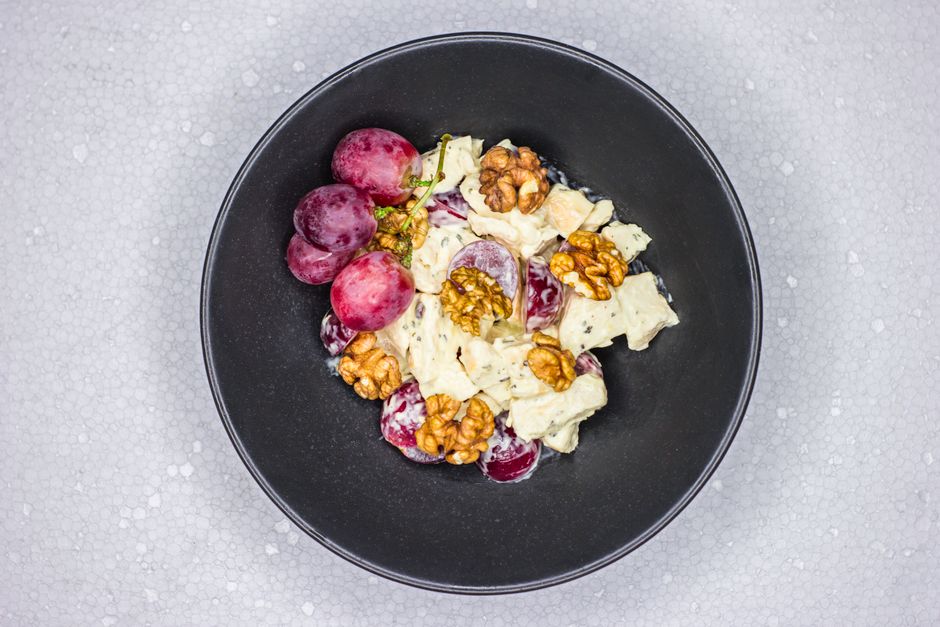
Waldorf Chicken Salad: A Nutritious and Flavorful Classic
Waldorf chicken salad, a timeless dish, transcends its origins as a simple lunch option, offering a complex interplay of textures and flavors that can be a cornerstone of a healthy diet. At its core, it’s a harmonious blend of cooked chicken, crisp apples, crunchy celery, and often toasted walnuts, all bound together with a creamy dressing. The traditional preparation, while delicious, can sometimes be a pitfall for those seeking a health-conscious meal, primarily due to the high fat content of mayonnaise. However, by understanding the foundational elements and employing strategic ingredient substitutions and enhancements, Waldorf chicken salad can be transformed into a remarkably nutritious and satisfying dish, rich in protein, fiber, healthy fats, and essential vitamins and minerals. This article will delve into the optimal preparation of this classic, focusing on maximizing its health benefits while retaining its signature taste and texture. We will explore ingredient choices, cooking methods, and serving suggestions to elevate Waldorf chicken salad into a truly wholesome meal.
The foundation of any healthy Waldorf chicken salad lies in the quality and preparation of its primary protein: chicken. Opting for lean, skinless chicken breast is paramount. Grilling, baking, or poaching the chicken are superior cooking methods to frying, as they eliminate the added fats associated with deep-frying. Poaching, in particular, yields incredibly tender and moist chicken, which then shreds or dices beautifully for the salad. When poaching, consider infusing the liquid with aromatic vegetables like onions, carrots, celery, garlic, and herbs such as bay leaves and thyme. This not only adds a subtle depth of flavor to the chicken but also contributes to the overall nutritional profile of the salad. After cooking, allow the chicken to cool completely before shredding or dicing. This step is crucial for achieving the desired texture and preventing the chicken from becoming mushy or stringy. The protein content of chicken breast is substantial, providing satiety and supporting muscle maintenance and repair, making it an excellent choice for those managing their weight or engaging in physical activity.
The "Waldorf" in Waldorf chicken salad traditionally signifies the inclusion of crisp, sweet apples. For a health-conscious rendition, selecting varieties like Fuji, Honeycrisp, or Gala offers a natural sweetness and a satisfying crunch without the need for added sugars. The skin of the apple is a powerhouse of fiber and antioxidants, so it’s highly recommended to leave it on after washing and coring. The fiber contributes to digestive health, promotes satiety, and helps regulate blood sugar levels. Dicing the apple into uniform pieces ensures an even distribution of its sweetness and texture throughout the salad. Beyond apples, incorporating other fruits can further enhance the nutritional value and flavor complexity. Pears, with their similarly firm texture and subtle sweetness, are an excellent addition. Berries, such as blueberries or raspberries, introduce vibrant color, a burst of antioxidants, and a tart counterpoint to the sweetness of the apples. Dried cranberries or cherries, used sparingly, can add chewy texture and a concentrated sweet-tart flavor, but be mindful of their sugar content.
Celery is another non-negotiable component of a classic Waldorf chicken salad, contributing its characteristic crunch and refreshing, slightly peppery flavor. Like apples, leaving the skin on the celery, after thorough washing, maximizes its fiber content. Chopping the celery into uniform pieces, similar in size to the diced apple, ensures a pleasant textural contrast in every bite. The fiber in celery aids digestion and contributes to the feeling of fullness. Beyond celery, other crunchy vegetables can be incorporated to boost both nutrition and texture. Finely diced red bell peppers offer a vibrant color, a sweet crunch, and a significant dose of Vitamin C. Cucumber, with its high water content, adds a cooling and hydrating element, while thinly sliced radishes can introduce a subtle peppery bite and additional crunch. The inclusion of a variety of vegetables increases the salad’s micronutrient density, providing a wider spectrum of vitamins, minerals, and phytonutrients.
The nutty component of Waldorf chicken salad is traditionally walnuts, and they remain an excellent choice for a healthy iteration. Walnuts are an exceptional source of omega-3 fatty acids, which are crucial for cardiovascular health and brain function. They also provide fiber, protein, and antioxidants. To enhance their flavor and texture, toasting the walnuts is a highly recommended step. This can be done in a dry skillet over medium heat or in a preheated oven at 350°F (175°C) for 5-10 minutes, until fragrant. Be careful not to burn them, as this will impart a bitter taste. Other nuts and seeds can also be incorporated to diversify the nutritional profile and flavor. Pecans, with their buttery flavor, offer a similar profile of healthy fats. Almonds, when slivered or chopped, provide a satisfying crunch and a good source of Vitamin E and magnesium. Sunflower seeds and pumpkin seeds are also excellent additions, offering a different array of nutrients, including zinc and selenium.
The dressing is often the most calorically dense part of traditional Waldorf chicken salad. The ubiquitous mayonnaise, typically made with oil and egg yolks, can significantly increase the fat and calorie count. Fortunately, there are numerous healthier alternatives that can achieve a creamy texture and tangy flavor profile. Greek yogurt is an outstanding substitute for mayonnaise. Plain, full-fat or low-fat Greek yogurt offers a similar tang and creaminess while providing a substantial amount of protein and probiotics. Its protein content further enhances the satiety of the salad. To achieve the desired consistency, you might need to adjust the amount of yogurt. For a lighter dressing, a combination of Greek yogurt and a touch of good quality mayonnaise can be used, allowing for a gradual transition to a fully yogurt-based dressing. Another effective option is to use mashed avocado as a base. Avocado provides healthy monounsaturated fats, which are beneficial for heart health, and contributes a creamy texture and a subtle, buttery flavor. Mixing mashed avocado with a squeeze of lemon or lime juice and a touch of Dijon mustard creates a vibrant and nutritious dressing.
Beyond Greek yogurt and avocado, other ingredients can be blended into the dressing to boost flavor and nutritional value. Dijon mustard adds a pungent kick and emulsifying properties. Apple cider vinegar or lemon juice provide acidity, which brightens the flavors and acts as a natural preservative. Fresh herbs, such as parsley, chives, or dill, add a burst of freshness and additional antioxidants. A touch of honey or maple syrup can be used sparingly to balance the acidity, but it’s essential to minimize added sugars. For a more complex flavor, consider incorporating a pinch of curry powder, a dash of paprika, or finely minced garlic and onion. Experimentation with these elements allows for customization to individual taste preferences while maintaining a focus on whole, unprocessed ingredients. The goal is to create a dressing that complements the other ingredients without overwhelming them or adding unnecessary calories and unhealthy fats.
The overall nutritional impact of Waldorf chicken salad is significantly influenced by how it is served. While delicious on its own, serving it atop a bed of mixed greens or spinach further enhances its fiber and micronutrient content. The dark leafy greens provide a wealth of vitamins A, C, and K, as well as iron and folate. For a more substantial and balanced meal, consider serving Waldorf chicken salad as a filling for whole-wheat wraps or sandwiches. The whole grains offer complex carbohydrates and additional fiber, promoting sustained energy release. Opting for whole-grain bread or lettuce cups instead of white bread or crackers significantly improves the glycemic index of the meal. Another innovative approach is to serve small portions of Waldorf chicken salad as a topping for baked sweet potatoes or as a side dish to grilled fish or lean pork. These accompaniments provide additional nutrients and create a more complete and satisfying dining experience.
When preparing Waldorf chicken salad in advance, proper storage is crucial to maintain its freshness and prevent bacterial growth. It should be stored in an airtight container in the refrigerator. Due to the creamy dressing, it is best consumed within 3-4 days. However, if using avocado in the dressing, the salad might brown more quickly due to oxidation. Adding a squeeze of lemon or lime juice to the avocado dressing can help mitigate this browning effect. For optimal flavor and texture, it’s sometimes recommended to keep the dressing separate from the salad components and combine them just before serving, particularly if you want to maintain the crispness of the apples and celery.
In conclusion, Waldorf chicken salad, when prepared with mindful ingredient choices and modern, health-conscious techniques, stands as a testament to the enduring appeal of a well-balanced dish. By prioritizing lean proteins, incorporating a wide array of fruits and vegetables, opting for healthy fats in the dressing, and considering nutritious serving methods, this classic can be transformed into a powerhouse of flavor and nutrition. It is a versatile dish that can be adapted to various dietary needs and preferences, offering a satisfying and wholesome meal that nourishes the body and delights the palate. The focus on whole, unprocessed ingredients ensures a meal rich in essential nutrients, fiber, and beneficial compounds, making it an excellent addition to any healthy eating plan. From the protein-packed chicken to the fiber-rich fruits and vegetables and the nutrient-dense nuts, every component plays a vital role in creating a salad that is as beneficial as it is delicious.


