
Hash Brown And Egg Casserole

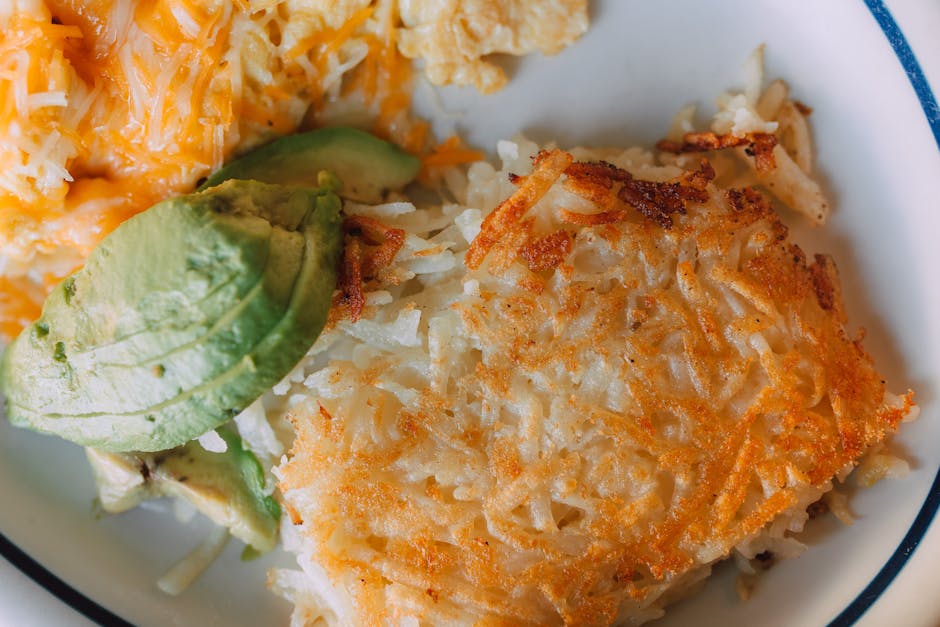
The Ultimate Hash Brown and Egg Casserole: A Comprehensive Guide to Perfect Breakfast Indulgence
The hash brown and egg casserole stands as a titan of comfort food, a universally loved breakfast and brunch staple that seamlessly blends savory richness with satisfying texture. Its enduring popularity stems from its inherent versatility, its crowd-pleasing nature, and the sheer ease with which it can be prepared, making it an ideal dish for busy weeknights, leisurely weekend mornings, or any occasion demanding a delicious and hearty meal. This article delves deep into the anatomy of a perfect hash brown and egg casserole, exploring the key components, essential techniques, flavor variations, and practical tips for achieving consistent, spectacular results. Whether you’re a novice cook seeking a foolproof recipe or an experienced culinary enthusiast looking to refine your skills, this comprehensive guide will equip you with the knowledge to create an unforgettable hash brown and egg casserole.
At its core, the hash brown and egg casserole is a symphony of simple yet potent ingredients. The foundation is, unequivocally, the hash brown. The type of hash brown employed significantly impacts the final texture and flavor profile. Frozen shredded hash browns are the most common and convenient choice, offering a readily available source of starchy goodness. Their pre-shredded nature ensures consistent cooking and a pleasingly crisp exterior when prepared correctly. However, the quality of frozen hash browns can vary, and some brands may contain more moisture than others, potentially leading to a soggier casserole. To mitigate this, a crucial step before incorporating them into the casserole is to ensure they are thoroughly thawed and, more importantly, excess moisture is squeezed out. This can be achieved by placing the thawed hash browns in a fine-mesh sieve and pressing down firmly with a spoon or your hands, or by wrapping them in a clean kitchen towel or cheesecloth and wringing out the moisture. For those seeking a more artisanal approach, homemade hash browns offer a superior textural experience and a fresher flavor. These are typically prepared by grating raw potatoes, rinsing them to remove excess starch (which contributes to crispiness), and then thoroughly drying them before use. While this method requires more time and effort, the resulting texture is often unparalleled, boasting a more distinct potato flavor and a lighter, crispier crunch. Regardless of the source, the hash browns provide the essential starchy base that absorbs the rich egg mixture and contributes to the casserole’s satisfying density.
The second pillar of the hash brown and egg casserole is, of course, the eggs. The quantity of eggs needed will depend on the size of your casserole dish and the desired richness of the finished product. A common ratio is one egg per cup of liquid, though this can be adjusted to preference. For a standard 9×13 inch casserole dish, typically 8-12 large eggs are used. These are usually whisked together with a liquid component, most commonly milk or cream, to create a custardy binding agent. Milk provides a lighter texture, while heavy cream lends a luxurious, decadent richness. A combination of both milk and cream offers a balanced approach, delivering both creaminess and a lighter mouthfeel. The eggs, when baked, coagulate and set, binding the hash browns, cheese, and any additional ingredients together into a cohesive, delicious unit. Properly whisking the eggs is essential; they should be beaten until the yolks and whites are thoroughly combined and slightly frothy, ensuring an even distribution of protein and an even set throughout the casserole.
Beyond the fundamental hash browns and eggs, a constellation of supporting ingredients elevates the dish from simple to sublime. Cheese is a non-negotiable element for most hash brown and egg casseroles, adding a layer of savory depth, melty texture, and a delightful golden-brown crust. Cheddar cheese, with its sharp, tangy flavor, is a perennial favorite. Monterey Jack offers a milder, creamier profile, while a blend of cheddar and Monterey Jack provides a harmonious balance of both. For a bolder taste, consider Gruyère, a Swiss cheese with nutty undertones, or pepper Jack for a hint of spice. The key to optimal cheese integration is to grate it yourself from a block rather than using pre-shredded cheese, which often contains anti-caking agents that can hinder its melting ability. Distributing the cheese evenly throughout the hash browns and on top of the casserole ensures that every bite is infused with its deliciousness.
Flavor enhancers are where personal preference truly shines. Onions, sautéed until translucent and sweet, provide a foundational aromatic base. Garlic, minced and added to the sautéed onions, intensifies the savory notes. Bell peppers, diced and softened, contribute a subtle sweetness and a pop of color. For those who enjoy a heartier, more substantial casserole, cooked meats are a popular addition. Crumbled breakfast sausage, crispy bacon bits, diced ham, or even leftover pulled pork can be incorporated, transforming the casserole into a complete meal. Fresh herbs, such as chives, parsley, or dill, sprinkled in before baking or as a garnish, add a burst of freshness and visual appeal. A dash of hot sauce or a sprinkle of red pepper flakes can introduce a welcome kick of heat for those who appreciate it. Seasoning is paramount, and a generous hand with salt and freshly ground black pepper is crucial to bringing out the full flavor of all the ingredients. Don’t underestimate the power of a well-seasoned casserole.
The preparation of a hash brown and egg casserole, while straightforward, involves a few critical steps for success. The first is the pre-cooking of certain ingredients, depending on your chosen additions. If using raw vegetables like onions or peppers, they should be sautéed in a skillet with a bit of oil or butter until tender before being added to the casserole. This softens them and releases their flavors, preventing them from remaining crunchy and raw in the finished dish. If incorporating raw sausage, it should be browned and drained of excess fat. Cooked bacon should be crumbled. Preparing the hash browns, as previously mentioned, involves thawing and squeezing out excess moisture if using frozen.
The assembly of the casserole is relatively simple. Begin by lightly greasing your chosen baking dish to prevent sticking. A common method is to layer the ingredients. Start with a base of hash browns, ensuring they are spread relatively evenly across the bottom of the dish. Then, sprinkle a portion of the cheese and any pre-cooked meat or sautéed vegetables over the hash browns. This layering allows the flavors to meld and the hash browns to absorb some of the richness. Next, prepare the egg mixture by whisking the eggs with milk or cream, salt, pepper, and any other desired liquid seasonings like Worcestershire sauce or hot sauce. Pour this egg mixture evenly over the hash brown and other ingredient layers. Ensure the liquid permeates down through the hash browns. Finally, top generously with the remaining cheese, which will melt and form a golden-brown crust during baking.
Baking is the final, crucial stage. Hash brown and egg casseroles are typically baked in a preheated oven at around 350°F (175°C). The baking time can vary depending on the size of the dish and the oven’s calibration, but it generally ranges from 45 to 60 minutes. The casserole is done when the eggs are fully set, meaning there is no liquid egg visible when the center is gently probed, and the cheese on top is melted and golden brown, with potentially some crispy edges. It’s important not to overbake the casserole, as this can lead to dry, rubbery eggs. Tent the casserole loosely with aluminum foil during the last 10-15 minutes of baking if the top is browning too quickly before the interior is fully cooked. This prevents excessive browning while allowing the center to continue cooking.
Allowing the hash brown and egg casserole to rest for 10-15 minutes after removing it from the oven is a critical, often overlooked step. This resting period allows the casserole to firm up, making it easier to slice and serve. Without this rest, the casserole can be quite loose and may fall apart when portions are cut. The residual heat continues to cook the eggs slightly, ensuring a perfect, set consistency.
Serving the hash brown and egg casserole is a joyous occasion. It can be enjoyed as is, or garnished with fresh chives, parsley, or a dollop of sour cream for added richness and tang. It pairs exceptionally well with a side of fresh fruit, toast, or a simple green salad. For those seeking to add a touch of acidity to cut through the richness, a side of salsa or pico de gallo is an excellent accompaniment.
Storage and reheating are also important considerations for this versatile dish. Leftover hash brown and egg casserole can be stored in an airtight container in the refrigerator for up to 3-4 days. To reheat, individual portions can be microwaved, though this may result in a slightly softer texture. For a crispier result, reheat portions in a preheated oven at 350°F (175°C) until warmed through, which typically takes about 15-20 minutes. You can also reheat the entire casserole if desired.
Variations on the classic hash brown and egg casserole abound, allowing for endless culinary creativity. For a breakfast burrito-inspired twist, incorporate seasoned ground beef or turkey, black beans, corn, and a sprinkle of chili powder and cumin into the mix. A "Southwestern" version might feature diced green chilies, corn, black beans, and a blend of cheddar and pepper Jack cheese. A "Mediterranean" rendition could include sautéed spinach, sun-dried tomatoes, feta cheese, and Kalamata olives. For a vegetarian delight, load it up with a variety of sautéed mushrooms, bell peppers, onions, and broccoli, perhaps with a sprinkle of Parmesan cheese. The possibilities are truly limited only by your imagination.
In conclusion, the hash brown and egg casserole is a culinary cornerstone, a testament to the power of simple ingredients transformed into a deeply satisfying and adaptable dish. By understanding the role of each component, mastering the techniques of preparation and baking, and embracing the myriad of flavor variations, you can consistently create a hash brown and egg casserole that will delight your taste buds and become a cherished part of your culinary repertoire. Its inherent comfort, versatility, and crowd-pleasing appeal ensure its continued reign as a beloved breakfast and brunch champion.


