
Ethiopian Firfir With Dried Beef Quanta Firfir

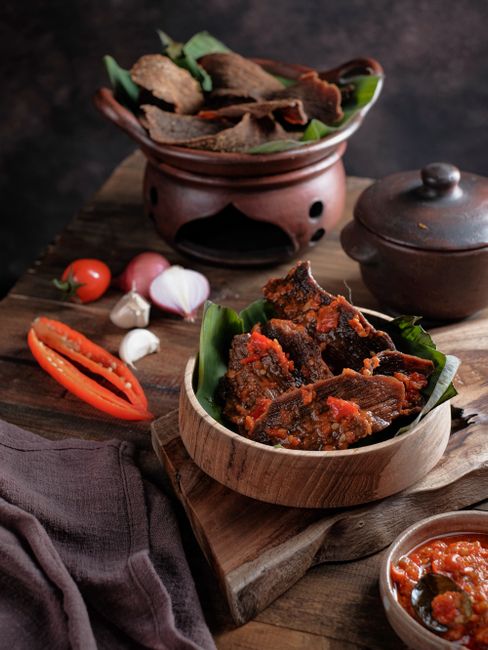
Ethiopian Firfir with Dried Beef: A Deep Dive into Flavor, History, and Preparation
Ethiopian firfir, a vibrant and deeply flavorful dish, stands as a cornerstone of Ethiopian cuisine. At its heart, firfir is a celebration of spices, textures, and slow-cooked perfection. While variations abound, the preparation of firfir with dried beef, often referred to as "kinta firfir" or "tibs firfir" depending on the beef preparation, elevates this staple to a truly exceptional culinary experience. This article will explore the nuances of Ethiopian firfir with dried beef, delving into its historical context, the essential ingredients and their roles, the intricate cooking process, serving traditions, and SEO considerations for those seeking to discover this remarkable dish online. Understanding the components and cultural significance of this dish is crucial for appreciating its place in Ethiopian culinary heritage and for effectively communicating its appeal to a global audience.
The foundation of any exceptional firfir lies in the quality of its core ingredients. For firfir with dried beef, the star is, unsurprisingly, the dried beef. Ethiopian cuisine boasts a rich tradition of drying and preserving meats, a practice born out of necessity and perfected over centuries. This method concentrates the flavor of the beef, lending it an intense, savory, and slightly chewy quality that forms the backbone of the firfir. The drying process typically involves thinly slicing lean cuts of beef and allowing them to air-dry, often seasoned with salt and sometimes other spices. This results in a product that is both shelf-stable and packed with umami. The rehydration and subsequent cooking of this dried beef are critical steps, transforming its texture and infusing it with the other flavors of the dish. Without good quality dried beef, the firfir will lack its characteristic depth.
Beyond the dried beef, the spice blend is paramount. Ethiopian cuisine is renowned for its complex spice combinations, and firfir is no exception. The primary spice, and the one most synonymous with Ethiopian cooking, is berbere. Berbere is not a single spice but a finely ground blend, its exact composition varying from household to household and region to region. However, common components include chili peppers (providing heat and color), fenugreek (offering a slightly bitter, maple-like aroma), ginger, garlic, cumin, coriander, cardamom, and cloves, among others. The heat level and specific flavor profile of the berbere will significantly influence the final taste of the firfir. A good berbere is essential for achieving that signature Ethiopian warmth and complexity. Alongside berbere, niter kibbeh, a spiced clarified butter, plays a crucial role. Niter kibbeh is infused with aromatics like ginger, garlic, onions, and sometimes herbs like koseret (Ethiopian basil) and bishop’s weed. This spiced butter adds richness, depth, and a unique aromatic dimension to the firfir, differentiating it from dishes prepared with plain oil or butter. The gentle simmering of these spices in the butter melds their flavors and creates a fragrant base.
The base of the firfir is typically injera, the ubiquitous Ethiopian sourdough flatbread. Injera is made from teff flour, a tiny, ancient grain native to Ethiopia. Its distinctive spongy texture and slightly sour taste are crucial for soaking up the rich sauces of Ethiopian dishes. When served with firfir, torn pieces of injera are often mixed directly into the dish, becoming an integral part of its texture and flavor absorption. Alternatively, injera can be served alongside, allowing diners to scoop up the firfir. The choice of injera preparation – whether fresh or slightly aged – can also subtly alter the overall experience. Some prefer the tang of older injera to complement the spice.
The preparation of firfir with dried beef is a multi-stage process that demands patience and attention to detail. The initial step involves rehydrating the dried beef. This is typically done by soaking the dried beef in water for an extended period, sometimes overnight, to soften it. Once rehydrated, the beef is often cut into smaller, bite-sized pieces. Some preparations might involve a brief initial boil to further tenderize the beef and remove any excess saltiness. The real magic begins with the sautéing of aromatics. Finely chopped onions are slowly cooked in niter kibbeh until they are translucent and softened, forming a sweet and fragrant base. Garlic and ginger are then added, their pungent aromas mingling with the spiced butter.
Once the aromatics are softened, the star spices are introduced. The berbere blend is added to the pot, and it is crucial to cook it thoroughly in the niter kibbeh and aromatics. This "blooming" of the spices in fat is essential for unlocking their full flavor and aroma, and for mellowing any raw edge. The dried beef, now rehydrated and often cut, is then added to the pot. It is sautéed for a period, allowing it to absorb the flavors of the spice mixture and the niter kibbeh. This step is important for integrating the beef into the flavor profile of the firfir.
The cooking process then transitions to simmering. Water or a light broth is added to the pot to create the sauce. The firfir is then simmered gently for an extended period. This slow simmering is where the magic truly happens. It allows the flavors to meld and deepen, the dried beef to become tender, and the sauce to thicken to a rich, luscious consistency. The duration of the simmer can vary, but it is often at least an hour, and sometimes longer, depending on the cut of beef and desired tenderness. During this simmering phase, the firfir might be stirred occasionally to prevent sticking and to ensure even cooking. Some variations might involve adding a touch of tomato paste or purée during the simmer to add a layer of acidity and depth, though this is not always traditional.
As the firfir nears completion, the injera is prepared. Traditionally, torn pieces of injera are added directly to the simmering firfir during the last 10-15 minutes of cooking. The injera absorbs the rich sauce, becoming tender and infused with the flavors of the beef and spices. This integration of injera into the cooking process is a hallmark of authentic firfir preparation. The bread acts as both a thickening agent and a flavor sponge, creating a cohesive and deeply satisfying dish. The final texture should be a delightful interplay of tender beef, softened injera, and a rich, aromatic sauce.
Serving firfir is a communal and significant affair in Ethiopian culture. It is traditionally served on a large platter, often a woven basket lined with injera. The firfir is placed in the center, with additional injera served around the edges or on a separate platter. Diners gather around the platter, tearing off pieces of injera with their right hand and using it to scoop up portions of the firfir. Eating with one’s hands is the customary and most authentic way to enjoy this dish, fostering a sense of connection and shared experience. The absence of cutlery emphasizes the tactile and sensory nature of the meal.
The SEO-friendly aspect of discussing Ethiopian firfir with dried beef involves strategically incorporating relevant keywords that potential diners and culinary enthusiasts would use when searching online. This includes terms like "Ethiopian firfir recipe," "dried beef Ethiopian food," "kinta firfir," "tibs firfir," "berbere spice blend," "niter kibbeh," "injera," "how to make Ethiopian food," "Ethiopian cuisine," "spicy Ethiopian stew," and "traditional Ethiopian dishes." Including these keywords naturally within descriptive paragraphs, headings, and meta descriptions will improve the visibility of content related to this dish. For instance, when discussing the ingredients, explicitly mentioning "the key ingredients for authentic Ethiopian firfir" or detailing "how to prepare dried beef for firfir" will attract targeted searches.
Furthermore, optimizing for search engines involves creating comprehensive and informative content that answers common user queries. This includes providing detailed recipes, explaining the cooking techniques, discussing the cultural significance, and offering tips for sourcing ingredients like dried beef and authentic berbere. Visual content, such as high-quality images and videos of the preparation and serving process, also plays a significant role in engagement and can indirectly contribute to SEO by increasing time on page and social sharing.
The historical context of firfir and dried beef preparation in Ethiopia is deeply rooted in the country’s agricultural heritage and the necessity for food preservation. For centuries, drying and salting meats were essential methods for preserving food, especially in regions where refrigeration was not available. This practice ensured a source of protein throughout the year. The development of complex spice blends like berbere also emerged from a desire to enhance the flavor and palatability of these preserved ingredients. Firfir, in its various forms, likely evolved as a way to utilize leftover meats, bread, and spices, transforming them into a delicious and satisfying meal. The dish embodies resourcefulness and culinary ingenuity.
When considering "kinta firfir" versus "tibs firfir," the distinction often lies in the preparation of the beef. "Kinta firfir" can sometimes refer to firfir made with specifically prepared dried beef, often thinly sliced and rehydrated. "Tibs firfir" might imply a broader category of firfir where the beef, whether fresh or dried and then sautéed or stewed, is prepared in a "tibs" style – meaning small, pan-fried or sautéed pieces. However, the term "tibs" can also refer to a dish of sautéed meat on its own. For clarity and SEO, using both "firfir with dried beef" and mentioning "kinta firfir" as a specific iteration is beneficial. The emphasis on the dried aspect is crucial for distinguishing it from firfir made with fresh meat.
In conclusion, Ethiopian firfir with dried beef is a dish that encapsulates the essence of Ethiopian culinary tradition. Its complex flavors, rich history, and communal serving style make it a profound gastronomic experience. By understanding and articulating the nuances of its ingredients, preparation, and cultural significance, and by strategically employing SEO best practices, this remarkable dish can reach and inspire a wider audience, celebrating the vibrant and enduring legacy of Ethiopian cuisine. The interplay of rehydrated dried beef, the fiery warmth of berbere, the aromatic richness of niter kibbeh, and the absorbent embrace of injera creates a symphony of flavors and textures that is truly unforgettable. The process is not merely about cooking; it is about honoring tradition, a testament to the enduring power of food to connect people and cultures.


