
Yummy Vegan Pesto Classico

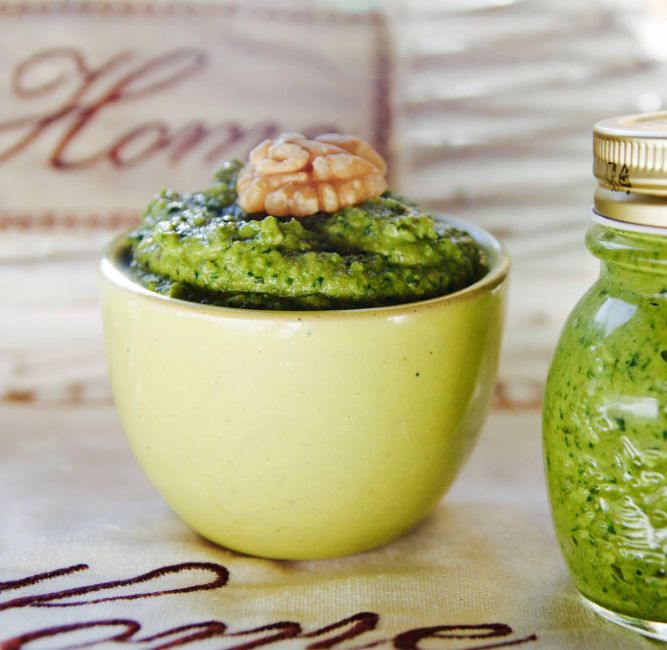
Yummy Vegan Pesto Classico: A Plant-Based Revolution in Flavor
The heart of a truly exceptional pesto classico lies in its vibrant, herbaceous aroma and its rich, complex flavor profile. Traditionally, this iconic Italian sauce is a celebration of fresh basil, pungent garlic, salty Parmesan cheese, crunchy pine nuts, and high-quality olive oil. However, for those embracing a vegan lifestyle, or simply seeking to reduce their dairy intake, the creation of a "yummy vegan pesto classico" presents an exciting culinary challenge, and more importantly, a delicious opportunity. This article delves deep into the art and science of crafting an authentic-tasting vegan pesto, exploring ingredient substitutions, flavor balancing, and the endless versatility that makes this plant-based rendition a pantry essential. We will dissect the components of a classic pesto, understand why traditional ingredients are problematic for vegans, and then meticulously reconstruct the flavor profile using ingenious vegan alternatives, ensuring that "yummy" isn’t just an adjective but a promise delivered with every bite. The goal is to achieve a pesto that not only satisfies the ethical and dietary choices of vegans but also captivates the palates of even the most ardent traditionalists, proving that plant-based doesn’t mean compromising on taste or authenticity.
The cornerstone of any pesto, vegan or not, is basil. For a classic flavor, Genovese basil is the undisputed champion. Its large, fragrant leaves possess a sweet, slightly peppery, and intensely aromatic quality that is difficult to replicate. When selecting basil for your vegan pesto, prioritize fresh, bright green leaves, free from blemishes or wilting. The quantity of basil is crucial; an abundance of it is what gives pesto its characteristic green hue and its dominant flavor. The stems, particularly the thicker ones, can be a bit woody and fibrous, so while some recipes may suggest using them, it’s generally recommended to focus on the tender leaves and the uppermost, more delicate parts of the stems for optimal texture and flavor. The fresher the basil, the more vibrant and less "grassy" your pesto will be. To ensure maximum flavor extraction and to prevent oxidation (which can lead to a duller color and taste), it’s best to process the basil relatively quickly after harvesting or purchasing. Some chefs recommend a quick rinse and thorough pat-dry to remove any residual moisture, as excess water can dilute the pesto’s intensity. The preparation of the basil itself is the first step in unlocking the "yummy" factor. Gently washing and drying ensures that the pure essence of the herb shines through, unhindered by excess water or impurities.
Garlic is another indispensable element in pesto, providing its signature pungent kick. For a truly yummy vegan pesto, the quality and quantity of garlic are paramount. While raw garlic can be intensely sharp and even acrid, when properly incorporated, it adds a crucial depth and complexity. The type of garlic also plays a role; young, fresh garlic will have a milder flavor than older, more mature bulbs. Many traditional pesto recipes call for raw garlic cloves, and this is generally the preferred method for vegan pesto as well. However, the preparation can make a significant difference. Mincing the garlic very finely before adding it to the food processor or mortar and pestle helps to distribute its flavor evenly and prevents overwhelming chunks of raw garlic from dominating the sauce. Alternatively, some cooks prefer to lightly roast or sauté the garlic cloves before adding them. This mellows the harshness, brings out a subtle sweetness, and creates a smoother, more nuanced garlic flavor. For a classic pesto taste, start with a moderate amount of garlic and adjust to your preference. Two to three cloves are often a good starting point for a standard batch, but a truly "yummy" pesto might benefit from a little extra, especially if you enjoy a robust garlic presence. The key is to strike a balance where the garlic complements, rather than overpowers, the basil.
The "cheese" component of a traditional pesto, typically Parmesan, presents the most significant challenge for vegan adaptation. Parmesan cheese is known for its sharp, salty, and umami-rich flavor, which is crucial for providing depth and savory notes to pesto. It also contributes a certain creaminess and a slight granular texture. Replicating this complex profile requires a thoughtful combination of vegan ingredients. Nutritional yeast is the reigning champion of vegan "cheesy" flavor. This deactivated yeast, with its distinctive nutty, cheesy, and slightly savory taste, is a non-negotiable ingredient for achieving an authentic-sounding pesto. It provides the crucial umami element that would otherwise be missing. For a truly yummy vegan pesto, don’t be shy with the nutritional yeast; it’s the backbone of the cheesy flavor. Beyond nutritional yeast, various nuts can be employed to mimic the texture and richness of hard cheese. While pine nuts are traditional, other nuts can offer their own unique contributions.
The traditional pesto classicos use pine nuts for their delicate, buttery flavor and their ability to emulsify with the olive oil, contributing to a smooth texture. However, pine nuts can be expensive and are not always readily available. Fortunately, a range of other nuts and seeds can be successfully substituted to create a yummy vegan pesto. Walnuts are a popular choice, offering a slightly more robust, earthy flavor that can stand up well to the basil and garlic. Their slightly softer texture also lends itself well to pesto. Pecans are another excellent option, providing a rich, buttery sweetness that can add a luxurious feel to the sauce. For a nut-free option, sunflower seeds or even pumpkin seeds can be used. These seeds offer a pleasant crunch and a mild, nutty flavor that works surprisingly well. When substituting nuts or seeds, consider toasting them lightly before adding them to the pesto. Toasting enhances their natural oils, deepens their flavor, and improves their texture, making them more conducive to blending into a smooth paste. The goal is to achieve a subtle nuttiness that enhances, rather than dominates, the other flavors. A light toast can make all the difference in elevating your vegan pesto from good to truly yummy.
The role of olive oil in pesto is multifaceted. It acts as a binder, emulsifying the ingredients into a cohesive sauce. It contributes richness, a subtle fruity flavor, and a smooth mouthfeel. For a yummy vegan pesto, the quality of the olive oil is paramount. Extra virgin olive oil is the gold standard. Its robust, fruity notes and peppery finish add a layer of complexity that is essential for an authentic taste. Look for a high-quality, cold-pressed extra virgin olive oil with a flavor profile that complements the basil. The amount of olive oil used will determine the final consistency of your pesto. A thicker, more paste-like pesto will require less oil, while a looser, more drizzle-able sauce will need more. It’s generally recommended to start with a smaller amount of olive oil and gradually add more until you reach your desired consistency. This allows for greater control over the texture and ensures that the pesto isn’t overly oily or greasy. Some recipes suggest using a blend of olive oil and another neutral oil, such as avocado oil, to achieve a balanced flavor and consistency. However, for a classic pesto experience, sticking to good quality extra virgin olive oil will yield the most authentic and yummy results.
Salt and pepper are essential for seasoning and bringing out the full spectrum of flavors in any dish, and pesto is no exception. For a yummy vegan pesto, the right amount of salt is critical for enhancing the sweetness of the basil, the pungency of the garlic, and the richness of the nuts and olive oil. Sea salt or kosher salt are generally preferred over table salt, as they offer a cleaner, more nuanced flavor. Start with a modest amount of salt and taste as you go, adjusting until the flavors are perfectly balanced. Over-salting can easily ruin even the best pesto. Black pepper, freshly ground, adds a subtle warmth and a touch of spice that complements the other ingredients. A good quality pepper grinder and freshly cracked peppercorns will make a noticeable difference in the final flavor. Some vegan pesto variations also incorporate a squeeze of lemon juice. While not strictly traditional in all pesto recipes, a touch of acidity can brighten the flavors, cut through the richness, and add a zesty lift. If your pesto tastes a bit flat or needs an extra spark, a small amount of fresh lemon juice can be a game-changer, contributing to its overall "yummy" factor.
The method of preparation significantly impacts the final texture and flavor of your yummy vegan pesto. Traditionally, pesto is made in a mortar and pestle. This method, while more labor-intensive, allows for a more controlled and nuanced breakdown of the ingredients, resulting in a pesto with a slightly coarser texture and a more pronounced depth of flavor. The stone pestle gently bruises the basil leaves, releasing their essential oils without over-processing them. The nuts are then ground into a paste, and the garlic is finely minced before being combined. For a truly authentic and yummy experience, investing in a good quality mortar and pestle can be a worthwhile endeavor.
However, the convenience of a food processor or a high-powered blender cannot be overlooked. These appliances significantly speed up the process, making pesto an accessible weeknight meal enhancer. When using a food processor, it’s important to pulse the ingredients rather than running the machine continuously. This prevents the basil from becoming bruised and mushy, which can lead to a dull flavor and an undesirable texture. Start by processing the basil and garlic first, then gradually add the nuts, nutritional yeast, and finally the olive oil in a slow, steady stream while the processor is running. This emulsifies the sauce and creates a smooth, creamy consistency. For a chunkier pesto, pulse the ingredients less frequently. For a smoother pesto, process for a longer duration. The key is to achieve a consistency that is neither too watery nor too stiff, a perfect balance for optimal "yummy" enjoyment.
The versatility of yummy vegan pesto classico is truly astounding. Once you have mastered the art of making it, a world of culinary possibilities opens up. It’s not just for pasta anymore. Here are some ways to incorporate this delicious plant-based sauce into your diet:
- Pasta Perfection: The most classic application, of course. Toss with your favorite pasta, such as spaghetti, linguine, fettuccine, or fusilli. Add some cherry tomatoes, steamed broccoli florets, or sautéed mushrooms for a complete meal.
- Sandwich and Wrap Enhancer: Spread a generous layer of vegan pesto on your sandwiches, wraps, or paninis. It adds a burst of fresh, savory flavor that elevates even the simplest fillings.
- Dip and Spread: Serve vegan pesto as a dip for raw vegetables, crusty bread, or crackers. It’s a healthier and more flavorful alternative to many store-bought dips.
- Roasted Vegetable Booster: Drizzle vegan pesto over roasted vegetables like potatoes, carrots, zucchini, or Brussels sprouts. The heat of the vegetables will gently warm the pesto, releasing its aromatic oils.
- Salad Dressing Inspiration: Thin out your pesto with a little extra olive oil and lemon juice to create a vibrant and flavorful salad dressing.
- Grain Bowl Star: Add a dollop of vegan pesto to your favorite grain bowls, whether they feature quinoa, farro, or brown rice.
- Pizza and Flatbread Topping: Use vegan pesto as a base instead of tomato sauce on your homemade pizzas or flatbreads. It pairs wonderfully with roasted vegetables and vegan cheese.
- Marinade for Tofu or Tempeh: Marinate tofu or tempeh in vegan pesto before baking or grilling. It imparts a fantastic flavor to plant-based proteins.
- Soup Smoother: Stir a spoonful of vegan pesto into creamy soups, like potato or cauliflower soup, for an added layer of flavor and complexity.
Storing yummy vegan pesto is straightforward, but proper technique ensures its longevity and freshness. Pesto is best enjoyed fresh, but it can be stored for several days in the refrigerator. To maximize its shelf life, it’s crucial to prevent oxidation. After making your pesto, transfer it to an airtight container. The key to preserving its vibrant green color and fresh flavor is to create a barrier between the pesto and the air. Drizzle a thin layer of olive oil over the surface of the pesto in the container. This oil layer acts as a seal, preventing air from coming into contact with the pesto, which is the primary cause of discoloration and flavor degradation. Ensure the container is completely airtight.
For longer-term storage, freezing is an excellent option. You can freeze pesto in various ways. One popular method is to portion the pesto into ice cube trays. Once frozen, transfer the pesto cubes to a freezer-safe bag or container. This allows you to thaw and use just the amount you need. Alternatively, you can portion the pesto into small freezer-safe containers or bags, again ensuring an airtight seal. When freezing, it’s advisable to add a little extra olive oil to the pesto, as some of the moisture may freeze out. Thaw frozen pesto in the refrigerator overnight or gently at room temperature. While the texture may change slightly upon thawing, the flavor will remain wonderfully intact. Properly stored and preserved, your yummy vegan pesto classico can be a flavorful addition to your meals for weeks to come.


