
Pennsylvania Dutch Pickled Beets And Eggs

Pennsylvania Dutch Pickled Beets and Eggs: A Culinary Tradition of Tang and Tradition
The Pennsylvania Dutch, a cultural group rooted in German-speaking immigrant communities primarily found in southeastern Pennsylvania, boast a rich culinary heritage deeply influenced by resourcefulness and the bounty of the land. Among their most cherished and distinctive creations is the deceptively simple yet profoundly flavorful dish of pickled beets and eggs. This iconic combination, often appearing as a vibrant crimson jewel on family tables, particularly during holidays and special gatherings, embodies the essence of Pennsylvania Dutch cooking: preservation, hearty ingredients, and a delightful balance of sweet, sour, and savory notes. Far from being a mere novelty, pickled beets and eggs represent a culinary tradition that has been passed down through generations, evolving subtly while retaining its core appeal. Its popularity stems not only from its unique taste profile but also from its practicality, utilizing readily available ingredients to create a long-lasting, nutritious, and visually striking preserve. Understanding the history, preparation, variations, and cultural significance of this dish offers a fascinating glimpse into the heart of Pennsylvania Dutch foodways.
The foundation of this dish, the pickled beet, is a testament to the Pennsylvania Dutch mastery of preservation. Beets, with their earthy sweetness and robust flavor, lend themselves exceptionally well to pickling. The process of pickling not only extends the shelf life of the beets but also transforms their texture and taste, rendering them tender yet firm and infusing them with a tangy brine. The brine itself is a carefully balanced concoction, typically comprising vinegar, sugar, water, and various spices. This acidic solution not only preserves the beets but also draws out their natural sugars, creating a sweet and sour profile that is both refreshing and deeply satisfying. The vibrant ruby-red color of the pickled beets is also a significant visual element, making the dish instantly recognizable and undeniably appealing. This color is a direct result of the anthocyanins present in the beets, pigments that are intensified and preserved by the pickling process.
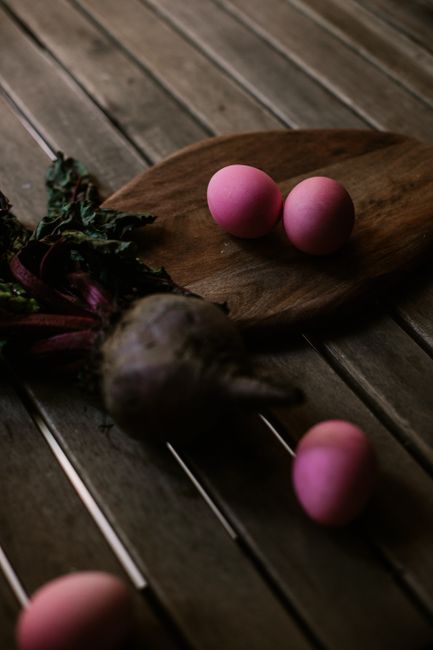
The addition of hard-boiled eggs to the pickled beet mixture is what elevates this dish from a simple pickled vegetable to a complete and beloved culinary entity. Hard-boiled eggs, when submerged in the beet brine, undergo a fascinating transformation. The yolks absorb the rich color of the beets, turning a beautiful rosy pink or deep magenta hue. This visual metamorphosis is striking and adds another layer of aesthetic appeal to the dish. Beyond their visual transformation, the eggs also absorb the tangy and slightly sweet flavors of the brine, becoming a delightful and protein-rich component of the overall experience. The texture of the hard-boiled egg, firm yet yielding, provides a satisfying counterpoint to the tender bite of the pickled beets. This combination creates a harmonious interplay of textures and flavors that is both comforting and invigorating.
The preparation of Pennsylvania Dutch pickled beets and eggs, while seemingly straightforward, involves a mindful approach to ingredient selection and technique. The process begins with selecting fresh, firm beets. Medium-sized beets are generally preferred as they are easier to handle and cook evenly. Thorough washing is crucial to remove any soil or debris. The beets are then typically cooked until tender. This can be achieved through boiling or roasting. Boiling is a common method, where the beets are submerged in water and cooked until a fork can easily pierce them. Roasting, while taking longer, can intensify the earthy sweetness of the beets. Once cooked, the beets are peeled and cut into bite-sized pieces. The size of the cut is important for both ease of eating and optimal absorption of the pickling brine. Common cuts include cubes, slices, or wedges.
The pickling brine is where much of the magic happens. The base typically consists of vinegar (often white vinegar for a clean tang, or a combination of white and apple cider vinegar for added complexity), water, and sugar. The ratio of these ingredients is key to achieving the desired sweet-tart balance. Some recipes call for more sugar for a sweeter profile, while others emphasize the vinegar for a sharper tang. Spices play a crucial role in adding depth and character to the brine. Common additions include whole cloves, bay leaves, mustard seeds, peppercorns, and sometimes allspice or dill. These spices are typically simmered in the brine to allow their flavors to infuse fully.
Once the beets are prepared and the brine is made and cooled slightly, the two are combined in a sterile jar or container. The hard-boiled eggs, peeled and ready, are then added to the mixture, ensuring they are fully submerged in the brine. The jars are then sealed and refrigerated. The pickling process is not instantaneous. The flavors continue to develop and meld over time. It is generally recommended to allow the pickled beets and eggs to sit in the refrigerator for at least 24 to 48 hours before consuming, allowing the brine to fully penetrate the beets and eggs and for the flavors to harmonize. The longer they sit, the more intense the flavor becomes.
Variations on the classic Pennsylvania Dutch pickled beets and eggs abound, reflecting the ingenuity and personal preferences of individual cooks and families. While the core elements of beets, eggs, and a sweet-tart brine remain constant, the specific spices and proportions can differ significantly. Some recipes might include the addition of onions, thinly sliced, to the pickling mixture, lending a subtle savory depth and a slight crunch. Other variations might incorporate a touch of cinnamon or nutmeg for a warmer, more autumnal flavor profile. A hint of heat can be introduced by adding a pinch of red pepper flakes or a sliced jalapeño to the brine. The type of vinegar used can also influence the final taste. While white vinegar is common, apple cider vinegar adds a fruitier, more nuanced tang, and a combination of the two can offer a well-rounded flavor. Some recipes may even opt for a touch of brown sugar or maple syrup in place of granulated sugar, further enhancing the sweetness and adding subtle caramel notes. The size and shape of the cut beets can also vary, with some preferring larger chunks and others opting for finely diced pieces. These variations, while seemingly minor, contribute to the rich tapestry of Pennsylvania Dutch culinary traditions, with each family often having their own cherished "secret" recipe.
The cultural significance of Pennsylvania Dutch pickled beets and eggs extends beyond its culinary merits. It is a dish deeply intertwined with the history and identity of the Pennsylvania Dutch people. Historically, pickling was a vital method of food preservation, enabling families to store produce through the long winter months. Beets were a readily available and easily cultivable crop, making them an ideal candidate for this preservation technique. The addition of hard-boiled eggs, a staple protein source, further enhanced the nutritional value and practicality of the dish, transforming it into a portable and satisfying snack or side.
Pickled beets and eggs often feature prominently on holiday tables, particularly during Thanksgiving and Christmas, serving as a vibrant and flavorful accompaniment to traditional roasts and other festive dishes. They are also a common sight at potlucks, church socials, and family reunions, where their distinctive color and taste make them instantly recognizable and highly sought after. The act of preparing and sharing this dish can also be seen as a way of maintaining cultural continuity, connecting younger generations to their heritage and the culinary traditions of their ancestors. The vibrant crimson hue of the pickled beets and the pink-tinged eggs also lend a festive and celebratory air to any meal.
The nutritional aspects of Pennsylvania Dutch pickled beets and eggs, while not the primary driver of its popularity, are worth noting. Beets are a good source of vitamins, minerals, and fiber, including folate, manganese, potassium, and iron. They are also rich in antioxidants, particularly betalains, which are responsible for their vibrant color and possess anti-inflammatory properties. Hard-boiled eggs are an excellent source of protein, essential amino acids, vitamins (such as B12 and D), and minerals (like selenium and choline). When combined, this dish offers a nutritious and satisfying option. The pickling process itself can contribute to gut health, as fermented foods can introduce beneficial probiotics into the diet, although the extent of this benefit depends on the specific pickling method and whether active fermentation occurs. However, it is important to note that the sugar content in some pickling brines can be significant, so moderation is advisable for individuals monitoring their sugar intake.
In terms of SEO, the terms "Pennsylvania Dutch pickled beets and eggs," "pickled beets recipe," "traditional Pennsylvania Dutch food," "German pickled eggs," and "vinegar pickled beets" are crucial keywords. The article should be structured with clear headings and subheadings to improve readability and search engine crawling. Incorporating long-tail keywords such as "how to make Pennsylvania Dutch pickled beets with eggs" and "authentic Pennsylvania Dutch recipes" can attract more targeted traffic. The inherent visual appeal of the dish, with its striking red and pink colors, also lends itself well to visual content marketing, such as infographics and recipe videos, which can further enhance SEO efforts. The historical and cultural context provided in the article adds depth and authority, which search engines often favor. The emphasis on specific ingredients, preparation methods, and variations caters to users with diverse search queries related to this unique culinary creation.
The enduring appeal of Pennsylvania Dutch pickled beets and eggs lies in its ability to evoke nostalgia and a sense of connection to tradition. It is a dish that transcends mere sustenance, offering a taste of history, family, and a unique cultural identity. Its vibrant appearance, bold flavor, and comforting familiarity have secured its place as a beloved staple in the Pennsylvania Dutch culinary landscape and a delightful discovery for those seeking authentic regional flavors. The simple yet profound combination of earthy beets and protein-rich eggs, transformed by the alchemy of a tangy brine, continues to captivate palates and tell a story of resourcefulness, heritage, and the enduring power of good food.


