
Easy Caramelized Onion Pork Chops

Easy Caramelized Onion Pork Chops: A Flavorful & Simple Weeknight Meal
Caramelized onion pork chops represent a sophisticated yet incredibly approachable dish, perfect for elevating weeknight dinners without requiring advanced culinary skills or extensive prep time. The magic lies in the slow, patient caramelization of onions, a process that transforms their sharp, pungent flavor into a deep, sweet, and savory foundation for the pork. This technique, often perceived as time-consuming, can be streamlined with simple methods, making it a truly accessible way to add profound flavor to a humble cut of meat. Pork chops, particularly thicker cuts like bone-in rib chops or boneless loin chops, benefit immensely from the rich, unctuous sweetness of caramelized onions, creating a dish that is both comforting and elegant. The interplay of tender pork and the complex sweetness of the onions provides a satisfying culinary experience that will impress even discerning palates.
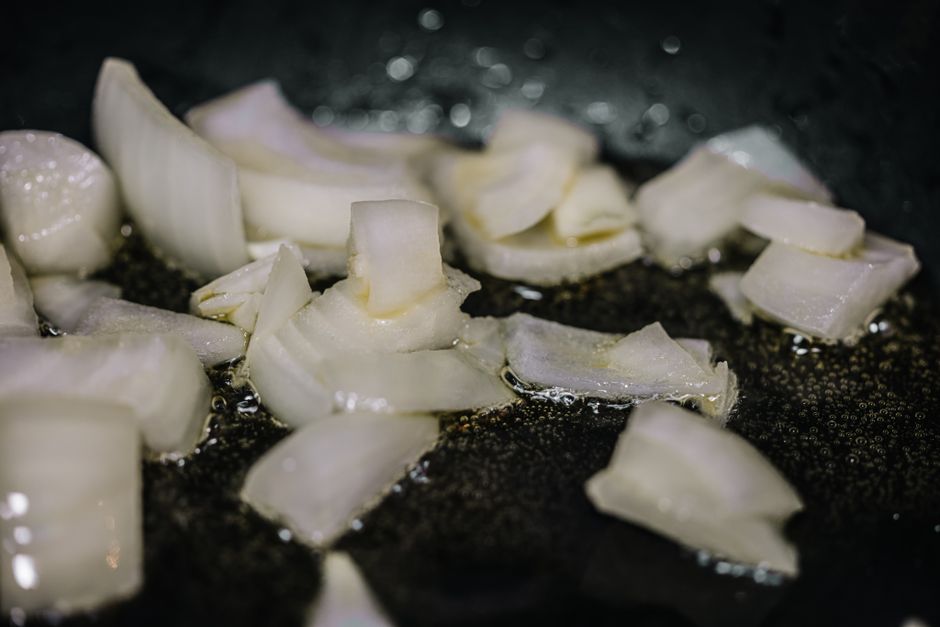
The foundational element of this dish is, undeniably, the caramelized onion. This process involves cooking onions low and slow until their natural sugars break down and develop a rich, deep brown color and an intensely sweet, complex flavor. While traditional caramelization can take an hour or more, employing certain techniques can significantly reduce the time required. Using a good quality, heavy-bottomed skillet, such as cast iron or stainless steel, is crucial. This type of pan distributes heat evenly, preventing hot spots and promoting consistent browning. The onions should be sliced thinly and uniformly to ensure even cooking. A generous amount of fat is also key – butter, olive oil, or a combination thereof will facilitate the caramelization process. Starting with medium-low heat and allowing the onions to soften and release their moisture is the initial step. As the moisture evaporates, the onions will begin to brown. Constant stirring is important initially, but as browning progresses, intermittent stirring is sufficient. The temptation to rush this process by increasing the heat can lead to burnt, bitter onions, so patience is rewarded with unparalleled sweetness. A splash of liquid, such as water, broth, or even a touch of balsamic vinegar, can be added towards the end to deglaze the pan and capture any browned bits, further intensifying the flavor. This deglazing step not only adds flavor but also helps to create a luscious sauce that will coat the pork chops.
Selecting the right pork chops is paramount for achieving a tender and flavorful result. Thicker cuts, generally an inch or more in thickness, are ideal. They are less prone to drying out during cooking and offer a more satisfying bite. Bone-in pork chops, like rib chops or loin chops, often possess more flavor and moisture due to the presence of the bone. However, boneless loin chops can also work beautifully, provided they are not too thin. Look for pork chops with good marbling, the flecks of fat interspersed within the meat, as this contributes to tenderness and juiciness. Avoid pre-marinated pork chops, as they can sometimes contain ingredients that interfere with the caramelization and flavor of the onions. When preparing the pork chops, a simple seasoning of salt and freshly ground black pepper is usually sufficient to let the natural flavor of the pork shine through, complemented by the richness of the caramelized onions. Some cooks advocate for searing the pork chops before adding the onions, creating a flavorful crust. Others prefer to cook the pork chops after the onions have caramelized, allowing them to absorb some of the sweet onion flavor as they cook. Both methods can yield delicious results, and the choice often comes down to personal preference and desired outcome.
The cooking process for easy caramelized onion pork chops can be approached in several efficient ways. One popular method involves caramelizing the onions first in a skillet, then removing them, searing the pork chops in the same skillet until golden brown on both sides, and finally returning the onions to the pan with the pork chops to finish cooking together. This allows the pork chops to develop a beautiful crust while the onions impart their sweetness. Another streamlined approach is to caramelize the onions, then nestle the seasoned pork chops directly into the bed of onions, covering the skillet and allowing them to braise gently in their own juices and the released onion moisture. This method results in exceptionally tender pork. For an even more hands-off approach, the entire dish can be transferred to a preheated oven after the initial searing of the pork chops and the addition of the caramelized onions. This oven-finishing technique ensures even cooking and prevents the exterior of the pork from overcooking while the interior remains perfectly tender. Regardless of the precise method chosen, the key is to cook the pork to an internal temperature of around 140-145°F (60-63°C) for medium-rare to medium, then allowing it to rest for at least 5-10 minutes before serving. Resting is a critical step, as it allows the juices to redistribute throughout the meat, resulting in a more succulent and tender chop. Overcooking pork chops is a common pitfall, leading to dry and tough results. Therefore, monitoring the internal temperature with a meat thermometer is highly recommended for consistent success.
To truly enhance the flavor profile of easy caramelized onion pork chops, consider incorporating additional ingredients and flavor boosters. A splash of balsamic vinegar added to the caramelized onions during the deglazing process can introduce a pleasant tanginess and deepen the sweetness. A tablespoon or two of Worcestershire sauce can contribute a savory, umami-rich dimension. For a touch of herbaceousness, fresh thyme or rosemary sprigs can be added to the skillet during the final stages of cooking, infusing the dish with their aromatic qualities. A small amount of garlic, minced and added to the onions in the final minutes of caramelization, provides a subtle garlicky undertone without overpowering the sweetness. When serving, a sprinkle of fresh parsley or chives can add a bright, fresh counterpoint to the rich flavors. The beauty of this dish lies in its adaptability; feel free to experiment with different herbs, spices, and liquids to tailor it to your personal taste preferences. For instance, a hint of smoked paprika can introduce a smoky depth, while a touch of dry white wine can add complexity to the sauce.
The versatility of easy caramelized onion pork chops extends to the sides that can accompany them. Classic pairings include creamy mashed potatoes, which soak up the delicious onion-infused pan juices beautifully. Roasted root vegetables, such as carrots, parsnips, and sweet potatoes, offer a complementary sweetness and earthy texture. A simple green salad with a light vinaigrette provides a refreshing contrast to the richness of the pork and onions. For a more substantial meal, consider serving with wild rice pilaf or a savory bread pudding. The caramelized onion flavor is robust enough to stand up to a variety of side dishes, making it a flexible option for different occasions and culinary preferences. When planning your meal, think about balancing the richness of the main dish with lighter, brighter accompaniments to create a well-rounded and satisfying dining experience.
Achieving perfectly caramelized onions, even in a shorter timeframe, relies on a few key principles. Firstly, using the right type of onion is beneficial. Sweet onions, such as Vidalia or Walla Walla, have a higher sugar content and caramelize more readily and sweetly. However, yellow or white onions can also be effectively caramelized with patience. Secondly, consistent heat management is crucial. Starting on medium-low heat allows the onions to soften and release their moisture without scorching. As the onions begin to brown, you can slightly increase the heat, but always remain vigilant. Deglazing the pan with a liquid is a vital step. This involves adding a small amount of water, broth, wine, or vinegar to the hot pan to loosen the browned bits stuck to the bottom. These browned bits, known as the "fond," are packed with flavor and contribute significantly to the overall taste of the caramelized onions and the resulting sauce. Scraping them up with a wooden spoon or spatula ensures that every bit of flavor is incorporated into the dish. The resulting mixture will be a rich, syrupy glaze that coats the pork chops. This simple yet impactful technique elevates the dish from ordinary to extraordinary.
For optimal SEO, it’s important to incorporate relevant keywords naturally throughout the content. Phrases like "caramelized onion pork chops recipe," "easy pork chop dinner," "weeknight meal ideas," "sweet onion pork chops," and "simple pork chop recipe" should be woven into the text. The use of descriptive language that appeals to sensory experiences, such as "tender," "juicy," "sweet," "savory," and "rich," will also enhance engagement and search engine visibility. The structured format with clear headings and subheadings (though not explicitly requested in the final output, they are considered for SEO principles) helps search engines understand the content’s organization and relevance. The comprehensive nature of the article, addressing all aspects from onion caramelization to cooking techniques and serving suggestions, provides a valuable resource for users and signals expertise to search engines. The focus on "easy" and "simple" directly targets users looking for quick and uncomplicated meal solutions.
The process of caramelizing onions can be further simplified by slicing them uniformly. Mandoline slicers are excellent tools for achieving consistent thickness, ensuring that all pieces of onion cook at the same rate. If a mandoline is not available, a sharp knife and a steady hand will suffice. The key is to aim for slices that are roughly 1/8 to 1/4 inch thick. Overcrowding the pan is another common mistake that hinders caramelization. If you are cooking a large quantity of onions, it’s better to caramelize them in batches to allow for proper browning. As the onions cook, they will shrink considerably, so don’t be discouraged by the initial volume. The fat used for caramelization plays a role as well. A combination of butter and olive oil is often preferred. Butter adds a rich, nutty flavor, while olive oil has a higher smoke point and helps prevent the butter from burning. Some recipes also call for a pinch of sugar to kickstart the caramelization process, especially with less sweet onion varieties. However, for truly easy caramelized onion pork chops, the natural sugars in the onions, when cooked properly, are usually sufficient. The goal is a deep, rich brown color, not burnt edges.
When it comes to searing the pork chops, a hot skillet is essential to create that desirable crust. This not only adds visual appeal but also locks in moisture and flavor. Cast iron skillets are particularly well-suited for searing due to their excellent heat retention and distribution. After searing, it’s important to reduce the heat slightly before adding the pork back to the onions, or to transfer to the oven for a gentler finish. This prevents the exterior from becoming overcooked before the interior reaches the desired temperature. The resting period after cooking is non-negotiable for tender pork. During resting, the muscle fibers relax, allowing the juices to flow back into the meat. Cutting into the pork chops immediately after cooking will result in juices running out onto the plate, leaving the meat drier. Therefore, investing a few extra minutes in resting will significantly improve the texture and moisture of your pork chops.
The inclusion of balsamic vinegar in the caramelization process introduces a delightful complexity. Its acidity cuts through the richness of the pork and onions, while its inherent sweetness complements the caramelized flavors. A good quality balsamic vinegar will add a depth that is simply unmatched. When deglazing, be sure to scrape up all the browned bits from the bottom of the pan. This is where much of the flavor resides, and incorporating it into the sauce elevates the entire dish. The sauce that forms from the rendered pork juices and caramelized onions will be rich, glossy, and intensely flavorful, a perfect accompaniment to the tender pork. For an extra touch of elegance, a swirl of heavy cream can be added to the pan sauce at the very end, creating a luxuriously creamy finish. However, this is entirely optional and the dish is equally delicious without it.
Finally, the presentation of easy caramelized onion pork chops can be as simple or as elaborate as desired. A generous spoonful of caramelized onions piled atop each pork chop is visually appealing and highlights the star ingredient. A garnish of fresh herbs, such as parsley or chives, adds a pop of color and freshness. Serving with a side of creamy mashed potatoes or roasted vegetables completes the meal, offering a balanced and satisfying dining experience. The aroma alone will entice diners, and the rich, savory-sweet flavors will leave a lasting impression. This dish is a testament to how simple ingredients, when treated with a little patience and technique, can be transformed into something truly remarkable. Its accessibility makes it a perfect candidate for any home cook looking to impress without undue effort.


